
Backpacking Is Life · Updated September 2026
Where to Stay in Tokyo for First-Time Visitors (2026)
For international money, compare Wise for holding and converting currencies. Conversion, card and ATM fees apply; card availability depends on where you live.
Check Wise card availability for your home country before ordering a card.
We may receive a commission or referral benefit through our links. This does not make an account suitable for everyone.
The best areas for every budget — Shinjuku, Asakusa, Ueno, Shibuya and Ginza compared, with real prices, airport transfer times, and what to book before you fly.
I’ve spent time in Tokyo across multiple trips, and the accommodation question trips people up more than it should. The short answer: stay in Shinjuku if you want the trip to be easy, look at Asakusa or Ueno if you’re watching costs, and consider Tokyo Station or Ginza if you want something calmer and more polished.
Tokyo rewards good hotel geography more than almost any city I’ve been to. A well-placed average room beats a great room in the wrong area every single time, because bad positioning means every day starts with a slow, expensive, or confusing train journey before the actual day begins. Everything below is aimed at first-time visitors.
Best quick picks for 2026
- Best all-round first-time base: Shinjuku
- Best budget-friendly base: Asakusa or Ueno (hostels from ~¥3,500/night; hotels from ~¥8,000)
- Best for nightlife and city energy: Shibuya
- Best for a polished city break: Tokyo Station or Ginza
- Best for day trips (Nikko, Kamakura, Hakone): Tokyo Station or Shinjuku
Ready to book your Tokyo base?
Search hostels on Hostelworld for budget stays, or compare hotels on Trip.com for mid-range and above. Both let you filter by neighbourhood — search “Shinjuku”, “Asakusa”, or “Tokyo Station” directly.
Shinjuku: the easiest all-round base for a first trip
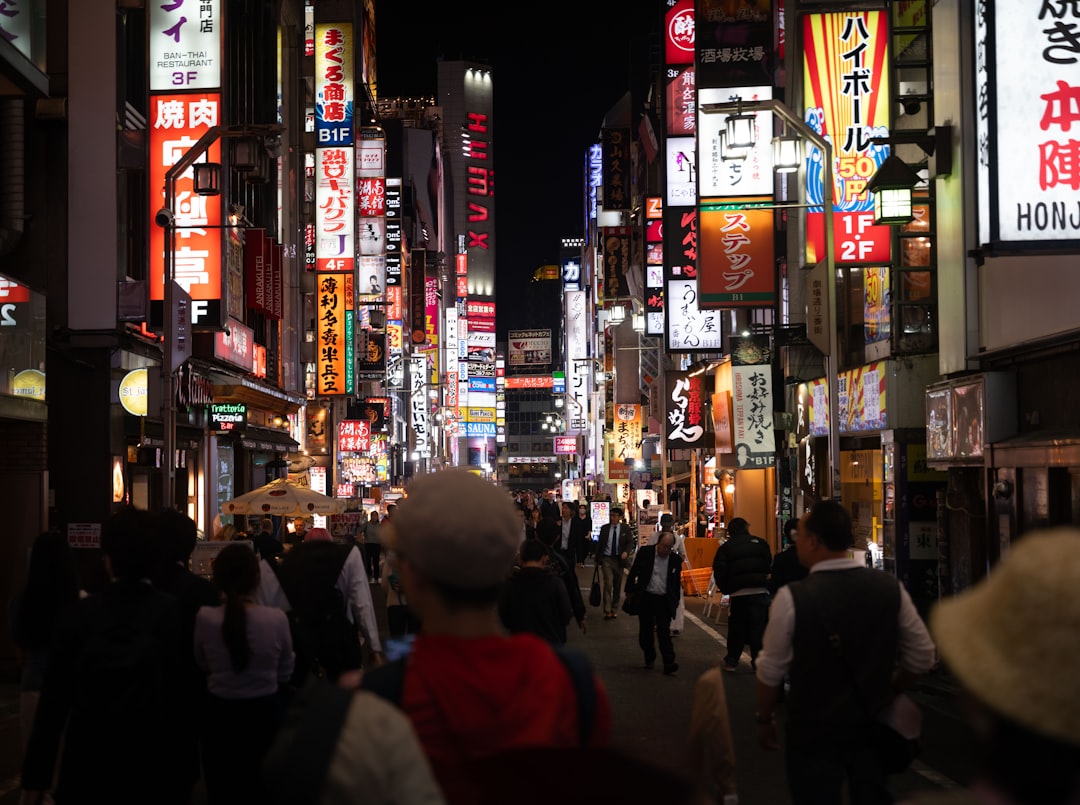
Shinjuku isn’t always the most glamorous recommendation, but it’s consistently the safest one. The reason is Shinjuku Station itself — one of the busiest stations in the world, which means almost every Tokyo line either passes through or connects close by. From Shinjuku, you’re rarely more than two or three stops from anything significant.
The area is dense in a way that takes adjusting to on day one, but that density works in your favour: hundreds of restaurants within walking distance, convenience stores on every corner, late-night options if your plans run long, and a neighbourhood that doesn’t shut down at 9pm. On my first Tokyo trip, staying in Shinjuku meant I never had to factor in “how do I get back” until genuinely late at night.
Price range: Budget business hotels from around ¥9,000-14,000/night; mid-range from ¥16,000-28,000. Hostels are available but slightly pricier here than Asakusa or Ueno.
Airport access: From Narita, the Narita Express (N’EX) runs direct to Shinjuku in around 80-90 minutes. From Haneda, roughly 40-50 minutes via the Keikyu Line with one transfer.
Stay in Shinjuku if you:
- want the most frictionless first-time Tokyo experience
- are planning day trips and need fast access to multiple train lines
- want food, convenience, and late-night options without planning ahead
- are travelling solo and want to feel genuinely surrounded by city energy
Asakusa and Ueno: the best budget areas for first-timers

If cost is the priority, Asakusa and Ueno are the two areas I’d look at first. Both are well connected, genuinely useful as a base, and have a deeper pool of affordable accommodation than the more central western neighbourhoods.
Asakusa is the more atmospheric of the two — home to Senso-ji Temple, the Nakamise shopping street, and a more traditional-feeling pocket of Tokyo that contrasts nicely with the neon-heavy areas further west. The vibe is calmer, the streets more navigable, and it draws a mix of tourists and locals rather than just backpackers. For a first trip, staying here gives you that “classic Tokyo” feel on your doorstep. The trade-off: it’s slightly less central and quieter at night.
Ueno is more functional than atmospheric, but that’s often exactly what a budget-conscious first-timer wants. It’s a major station (Shinkansen departures, express trains, multiple subway lines), walking distance to Akihabara, and home to Ueno Park — one of the best free days in Tokyo. Hostels and budget hotels here are often cheaper than equivalents in Shinjuku or Shibuya.
Price range: Hostels from ¥3,000-4,500/night; budget hotels from ¥7,000-11,000. Noticeably cheaper than Shinjuku at a similar quality tier.
Asakusa
Best for: traditional atmosphere, great sightseeing on your doorstep, calmer evenings
Watch out for: quieter nightlife, less central for west-side attractions
Ueno
Best for: strong transport, lower prices, proximity to Akihabara and Asakusa
Watch out for: less of a neighbourhood feel — functional more than charming
📌 Searching for budget accommodation in Asakusa or Ueno? Browse Hostelworld Tokyo — filter by neighbourhood and sort by price to compare options side by side.
Shibuya: best if the atmosphere is the point

Shibuya is where Tokyo looks the way people imagine before they arrive — the famous crossing, the department stores, the young fashion crowd, the clubs. It’s busy in a way that’s genuinely exciting rather than just chaotic. If you want the city to feel like an event from the moment you walk out of the hotel, Shibuya delivers.
The honest trade-off is that Shibuya’s energy can be a lot to come home to at the end of every day. It’s also slightly less practical as a transport hub than Shinjuku — not bad, just not quite as seamless. Accommodation runs slightly more expensive per night at the mid-range tier.
Shibuya works best for first-timers travelling for nightlife, those in their 20s who want to be in the thick of things, or anyone on a shorter trip wanting the “quintessential Tokyo” backdrop from day one. Less ideal if you’re doing lots of day trips or want a quiet place to decompress.
Price range: Mid-range hotels from ¥15,000-30,000; budget options are limited and often poor value compared to Shinjuku or Asakusa.
Tokyo Station and Ginza: best for a polished, calm city break
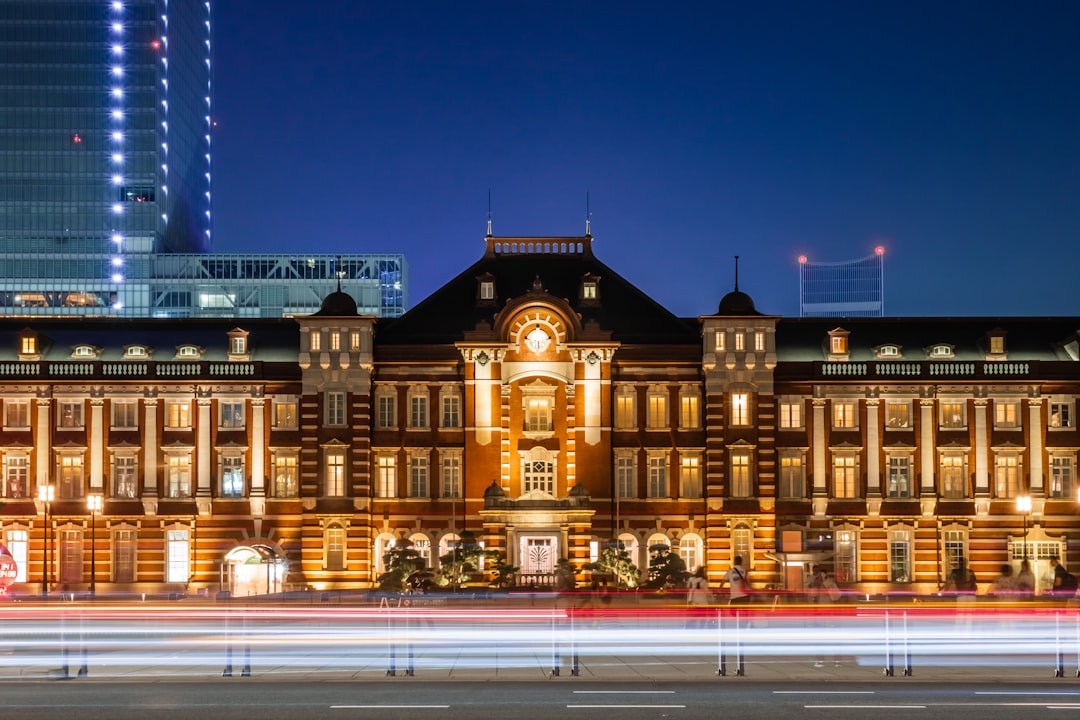
Tokyo Station and Ginza are the areas I’d point older travellers, couples on a nicer trip, or anyone doing a short Tokyo leg as part of a wider Japan itinerary towards first. The atmosphere is noticeably different from Shinjuku or Shibuya — cleaner streets, quieter evenings, fewer crowds, a more grown-up feel.
The transport logic is excellent. Tokyo Station is the main Shinkansen hub, so if you’re continuing to Kyoto or Osaka, your departure point is a short walk from your hotel. The Narita Express also stops here, simplifying airport arrival — worth a lot on day one when you’re jet-lagged and dealing with luggage.
Ginza is quieter and higher-end again — luxury department stores, excellent restaurants, genuinely calm streets. Not where you go for nightlife, but where you go if you want Tokyo to feel sophisticated rather than overwhelming.
Price range: Mid-range from ¥18,000-35,000; skews more expensive, and budget options are limited and generally not great value.
Tokyo Station or Ginza if you:
- are doing a shorter trip (3-4 nights) and want maximum efficiency
- are arriving or departing on the Shinkansen and want the simplest airport-to-hotel journey
- prefer a calmer, less hectic neighbourhood to sleep in
- are travelling as a couple or on a more comfortable budget and want the experience to feel polished
📌 Looking for a mid-range or higher-end Tokyo hotel? Search Trip.com for Tokyo Station and Ginza hotels — filter by neighbourhood, guest score, and price range.
Quick comparison: which area fits your trip
| Area | Best for | Budget range (hotel/night) | Watch out for |
|---|---|---|---|
| Shinjuku | All-round first-time base | ¥9,000-28,000 | Can feel intense; rooms often small |
| Asakusa | Budget + traditional atmosphere | ¥7,000-14,000 | Quieter at night; slightly less central |
| Ueno | Budget + practical transport | ¥7,000-13,000 | Less atmosphere than Asakusa |
| Shibuya | Nightlife + city energy | ¥15,000-30,000 | Less practical for day trips; pricey for what you get |
| Tokyo Station / Ginza | Polished city break; Shinkansen travel | ¥18,000-40,000+ | Expensive; less atmosphere at night |
Where I wouldn’t stay on a first Tokyo trip
The worst Tokyo accommodation mistake isn’t which neighbourhood you pick — it’s picking a neighbourhood correctly but then booking the cheapest option on the map without checking which end of it you’re in. Tokyo neighbourhoods are large, and a hotel listed as “Shinjuku” can be a 20-minute walk from Shinjuku Station. That costs you 40 minutes a day and makes the trip feel harder than it needs to be.
I’d also be cautious about:
- Anywhere listed as just “Tokyo” without a sub-neighbourhood: usually the outer residential zones — fine for locals, awkward for tourists making the most of limited time.
- Capsule hotels as your only stay: worth the experience for a night, but no storage and no personal space makes a week-long base exhausting.
- Airbnbs in non-central areas: some are great, but a well-located budget hotel beats a spacious Airbnb requiring two train changes to reach anything.
The rule of thumb: a good small room in the right area is worth more than a bigger room 30 minutes further out. Tokyo punishes geography more than it punishes room size.
Getting to your accommodation from the airport
Most first-time visitors arrive into Narita or Haneda. Both are well connected, but journey times and options differ.
From Narita Airport
- To Shinjuku: N’EX direct, ~85 min, ¥3,070
- To Tokyo Station: N’EX direct, ~60 min, ¥3,070
- To Ueno/Asakusa: Keisei Skyliner to Ueno, ~41 min, ¥2,520
- Budget option: Keisei Access Express, ~70 min, ~¥1,320
From Haneda Airport
- To Shinjuku: Keikyu + transfer, ~50 min, ~¥700
- To Tokyo Station: Monorail + transfer, ~30 min, ~¥800
- To Shibuya: Keikyu + Tokyu, ~40 min, ~¥600
- Haneda is significantly more convenient for central Tokyo than Narita
You’ll want data and a working travel card from the moment you land. I use a Saily eSIM for Japan — install it before you fly so it’s active the second you touch down, which saves the queue at the airport SIM counter. Our recommendation is Ubank for eligible Australian readers, and Wise for international readers where its card is available. Ubank charges no fee of its own for overseas purchases or ATM withdrawals; Wise conversion and withdrawal fees depend on where your card was issued. Local ATM charges and card limits can still apply. Our Japan travel card guide covers the setup.
Ubank $30 signup offer · referral code AFWLLL7
Eligible new customers must join by 24 October 2026, enter AFWLLL7 on the About you screen and make five eligible card purchases that settle in the first 30 days. Both participants must be 18+; customers who closed all their Ubank Spend and Save accounts in the preceding 12 months are excluded. Allow up to 45 days after meeting the criteria for payment. Full offer terms. We may receive a referral benefit. International readers should check Wise card availability and local fees.
Sort your phone and money before you fly
These make arrival in Tokyo significantly easier. Install the eSIM before you board and activate it on landing — no queue, no fumbling at the airport.
Planning day trips from Tokyo
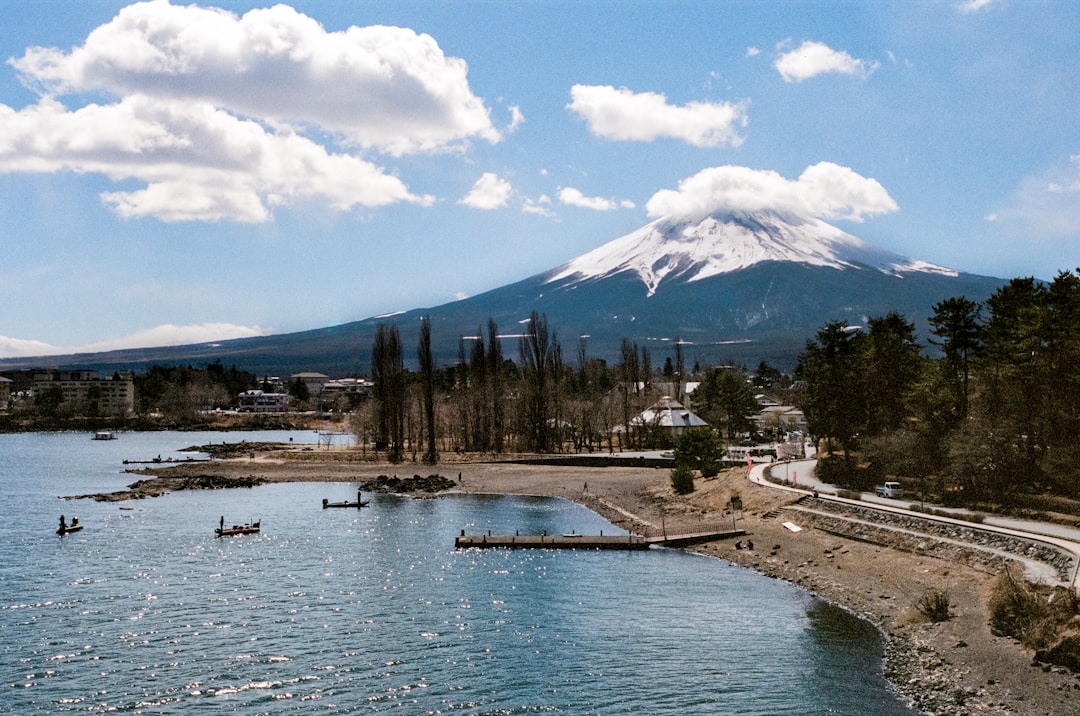
One of the best reasons to base yourself well in Tokyo is the day-trip access. From Shinjuku or Tokyo Station, several of Japan’s best day trips are within easy reach:
- Hakone — hot springs, Mt Fuji views, the Hakone loop (~90 min from Shinjuku on the Odakyu Line)
- Kamakura — the Great Buddha, coastal temples, beach town feel (~60 min from Tokyo/Shinjuku)
- Nikko — ornate shrines and waterfalls in the mountains (~2 hours from Asakusa or Shinjuku)
- Mt Fuji / Kawaguchiko — the classic Fuji-and-lake views (~2 hours from Shinjuku)
You can do all of these independently by train, but guided day tours take the logistics off your plate — useful if you’re short on time or want an English-speaking guide. Compare options on GetYourGuide or Klook — both have strong Tokyo day-trip coverage including Hakone, Nikko, and Fuji tours.
What to sort before you arrive
Lock these in before you fly and the rest of the Tokyo admin gets significantly easier:
- Choose your area — use the breakdown above to match your trip style
- Book your accommodation — Tokyo books up fast around Golden Week (late April/early May) and cherry blossom season (late March/early April). Compare hostels or hotels
- Sort your eSIM — install Saily before boarding, activate on landing (compare options in our best Japan eSIM guide)
- Set up your travel card — Ubank for eligible Australians, or Wise for international readers where available. Check fees and card delivery before departure.
- Sort travel insurance — SafetyWing covers Japan from ~about US$2/day
- Decide on a JR Pass — if you’re adding Kyoto, Osaka, or Hiroshima, check the JR Pass guide before booking. If it’s worth it for your route, you can book it through Klook
For broader trip planning, the 10-day Japan itinerary and best Japan travel card guide cover the logistics in full.
Frequently asked questions
What is the best area to stay in Tokyo for a first visit?
For most first-time visitors, Shinjuku is the safest and most practical choice. The transport connections are the best in the city, there’s always something open and accessible, and it genuinely makes the rest of the trip easier. If budget is the main constraint, Asakusa or Ueno are close seconds with lower prices and still solid transport.
Should I stay in Shibuya or Shinjuku?
Shinjuku if you want the most practical base. Shibuya if atmosphere and nightlife matter more than transport efficiency. Both are good — the real question is whether you want to feel like you’re in the city, or move around it easily. Shinjuku handles the latter better.
Is it worth staying near Tokyo Station?
Yes, if your budget allows and you value a calm, efficient, polished base over nightlife. It’s especially good if you’re arriving by Narita Express or departing on the Shinkansen — the airport and intercity logistics are significantly simpler when you’re already based there.
How many nights should I book in Tokyo?
A minimum of four nights covers the main areas and one day trip without rushing. Five or six is better if you want Kamakura, Nikko, or Hakone without cutting into Tokyo itself. Moving accommodation mid-trip is rarely worth the logistics unless you genuinely want to compare neighbourhoods.
How far is Shinjuku from Narita Airport?
Around 80-90 minutes on the Narita Express (N’EX), direct to Shinjuku Station, ~¥3,070. A budget alternative is the Keisei Access Express via Asakusa, ~70 minutes for roughly ¥1,320.
Is Tokyo too expensive for budget travellers?
Not if you stay in the right areas. Asakusa and Ueno have genuine budget options — hostels from ¥3,000-4,500 and clean budget hotels from ¥7,000-10,000. Food is manageable too: a solid ramen or soba lunch is ¥800-1,200, and convenience store meals are excellent and cheap. Transport is good value once you get the hang of IC cards (Suica or Pasmo) — see our Suica vs Pasmo vs ICOCA guide.
Prices and journey times are based on 2025-2026 data and may change — always check live fares via Google Maps before you travel. Disclosure: some links are affiliate links, marked accordingly — using them supports this site at no extra cost to you. Recommendations are based on personal experience across multiple Tokyo trips.
Related Backpacking Is Life guides
Helpful next reads for planning the same trip, money setup, or travel tech.