
Backpacking Is Life · Updated September 2026
Suica vs PASMO vs ICOCA: Which Japan IC Card in 2026?
For international money, compare Wise for holding and converting currencies. Conversion, card and ATM fees apply; card availability depends on where you live.
Check Wise card availability for your home country before ordering a card.
We may receive a commission or referral benefit through our links. This does not make an account suitable for everyone.
The honest answer: they’re functionally identical. The real question is whether to use a physical card or skip it entirely on your phone.
The 30-second answer
- iPhone user? Use Mobile Suica via Apple Wallet. Add at home, top up with any card, skip the airport queue.
- Android user? Most international Android phones can’t run Mobile Suica. Get a physical card on arrival.
- Landing in Tokyo: Buy a Welcome Suica (¥1,000-10,000, 28 days, no deposit) or regular Suica/PASMO at Narita/Haneda or major JR stations.
- Landing in Kansai (Osaka/Kyoto): Buy ICOCA at Kansai Airport (¥2,000 incl. ¥500 refundable deposit).
- All three work everywhere. Suica works in Osaka, ICOCA works in Tokyo, PASMO works at Kansai. Don’t switch cards mid-trip.
On this page
What IC cards actually do

Suica, PASMO, and ICOCA are rechargeable tap-to-pay cards. You tap them at station gates and bus readers — fare is automatically deducted. The same card pays at convenience stores (7-Eleven, FamilyMart, Lawson, Ministop), vending machines, coin lockers, taxi readers in major cities, and chain restaurants displaying the IC logo.
For a typical tourist day in Tokyo or Osaka, you’ll tap an IC card 10-20 times. It removes the need to buy paper tickets, calculate transfer fares, or find exact change.
The interoperability rule
All Japanese IC cards work across the national mutual-use network. ICOCA bought in Osaka works on Tokyo trains. Suica bought in Tokyo works on Osaka subway and Kyoto buses. The only edge case is crossing certain operator boundaries in a single ride — you can’t tap in with Suica in Tokyo and tap out at Osaka station on one continuous Shinkansen journey. But you’d be on a Shinkansen ticket for that anyway.
Mobile Suica — the smart move for iPhone users
This is the biggest 2026 change. Most tourists with iPhones now skip the physical card entirely.
If you have an iPhone XS or newer
Open Apple Wallet → tap + → select “Transit Card” → choose Suica. Add ¥1,000 minimum from any credit/debit card already in Apple Pay. The card is active immediately — tap your phone at any train gate or convenience store reader on arrival. No deposit, no queue, no expiry.
The Android problem: Mobile Suica requires FeliCa NFC technology, which most Android phones sold outside Japan don’t have. Phones that work:
- Any Android phone bought in Japan
- Google Pixel (most global models support FeliCa from Pixel 6 onwards)
- Some Samsung Galaxy global flagships — check your phone’s FeliCa/NFC-F support specifically
If your Android phone doesn’t have FeliCa, Mobile Suica won’t work — you need a physical card. Try adding it before you fly to test; if Apple Wallet shows Suica as an option (Apple Pay region settings can sometimes interfere), or if your Android’s Mobile Suica app accepts your phone, you’re set.
JR East also launched a dedicated Welcome Suica Mobile app in March 2025 for iPhone users. Same idea as Apple Wallet’s Suica option, but with a 180-day validity (vs Apple Wallet’s no-expiry). For most travellers, Apple Wallet’s standard Mobile Suica is the simpler choice.
If you need a physical card
Physical Suica and PASMO sales resumed in full on March 1, 2025 after the chip shortage. As of 2026, you can buy any of these at airports and major stations. Pricing matters more than brand — most travellers should pick by location and trip length.
| Card | Starting cost | Deposit | Validity | Best for |
|---|---|---|---|---|
| Welcome Suica | ¥1,000-10,000 (all balance) | None | 28 days, no refund | Tokyo arrivals, short trips |
| Regular Suica | ¥2,000 (¥1,500 balance) | ¥500, refundable | 10 years from last use | Tokyo arrivals, longer trips, repeat visitors |
| PASMO | ¥2,000 (¥1,500 balance) | ¥500, refundable | 10 years from last use | Tokyo arrivals, basically same as Suica |
| ICOCA | ¥2,000 (¥1,500 balance) | ¥500, refundable | 10 years from last use | Kansai arrivals (KIX, Osaka, Kyoto) |
The maximum balance on any IC card is ¥20,000 — you can’t load more than that at once. Plenty for a 1-2 week trip, you’ll top up occasionally.
Welcome Suica’s catch: the 28-day expiry is hard. If you load ¥10,000 and only use ¥7,000 in 28 days, the remaining ¥3,000 is forfeit. There’s no refund mechanism. Load lower amounts and top up more often, or get a regular Suica if your trip is longer.
Where to buy each card
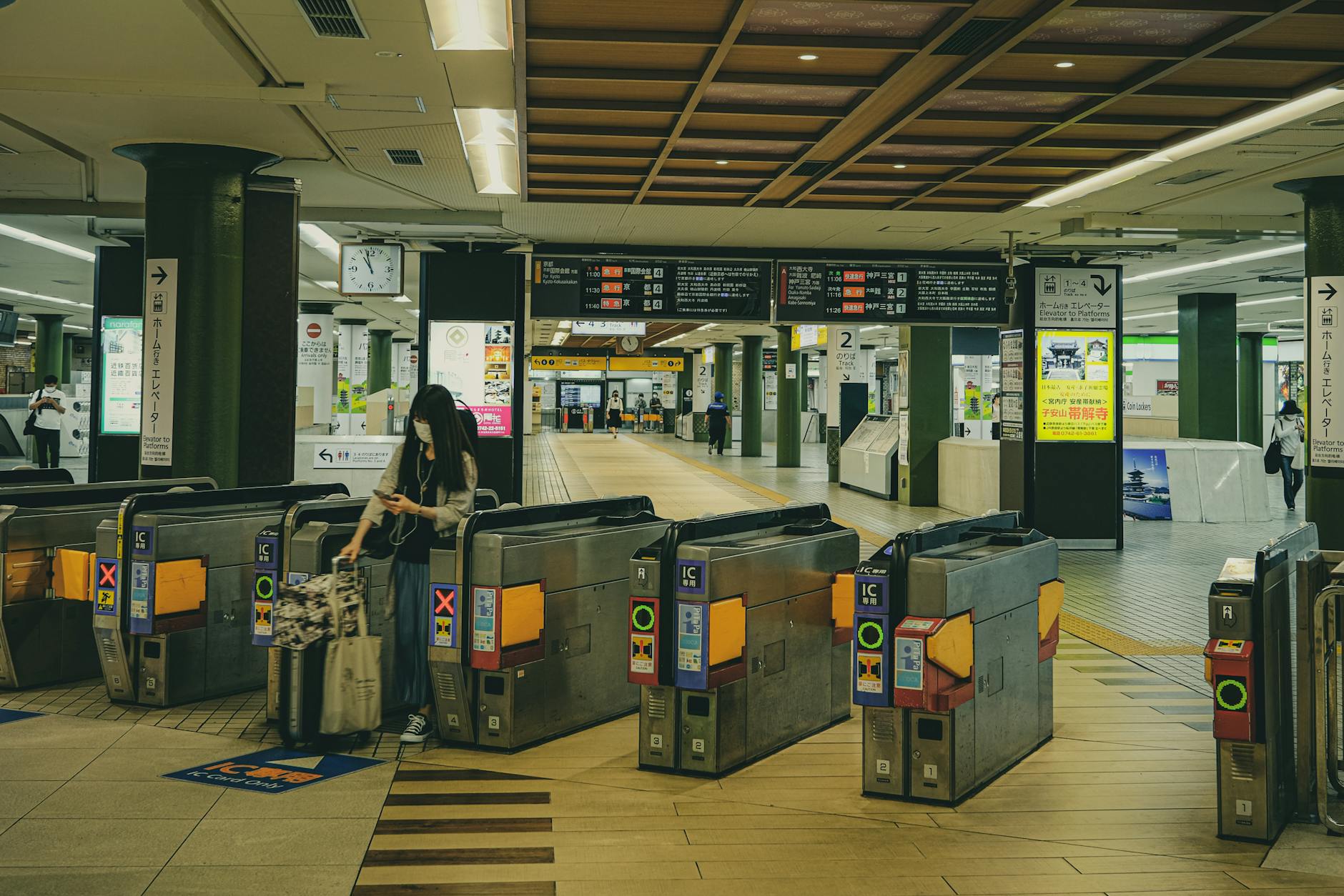
Tokyo: Welcome Suica or regular Suica/PASMO
- Haneda Airport (T3 international arrivals): Welcome Suica vending machines and JR East Travel Service Centers. Easiest, but queues at peak times.
- Narita Airport: Same — vending machines and JR East Travel Service Centers in arrivals.
- Major JR stations in Tokyo: Welcome Suica available at JR East Travel Service Centers at Tokyo, Shinjuku, Shibuya, Ikebukuro, Ueno, Yokohama, Shinagawa, Sendai. Regular Suica/PASMO available at most station ticket machines (English mode supported).
Kansai (Osaka/Kyoto): ICOCA
- Kansai International Airport (KIX): JR West Travel Service Center in the airport station. ICOCA didn’t suffer the chip shortage as severely as Suica, so availability has been reliable.
- Major JR West stations: Osaka, Kyoto, Shin-Osaka, Kobe Sannomiya. Available at JR ticket machines (English mode) and Midori-no-Madoguchi staffed counters.
How to top up
Once you have an IC card, topping up is the same everywhere — physical or mobile:
- Station ticket machines: Every JR, metro, and private rail station. Look for the IC card symbol. English mode usually available. Cash only at most machines, ¥1,000 minimum.
- Convenience store registers: 7-Eleven, FamilyMart, Lawson, Ministop all accept cash top-ups. Hand the card to the cashier with the cash, say “Suica charge, ___ yen.” Up to ¥10,000 at a time.
- Station staffed counters: Useful if machines are confusing or busy.
- Mobile Suica: Top up from any card already in Apple Pay or Google Pay. Works anywhere with data, including on moving trains.
Most travellers top up ¥3,000-5,000 every few days rather than maxing the ¥20,000 balance — keeps the card “lighter” and means you don’t end up with a stranded balance at the end of the trip.
Refunds and remaining balance
Regular Suica, PASMO, ICOCA refunds
Hand back at any JR East counter (Suica), private rail counter (PASMO), or JR West counter (ICOCA). You’ll get the remaining balance minus a ¥220 admin fee, plus your ¥500 deposit back. Net: load ¥10,000 + use ¥5,000 = get back ¥5,280. Take your passport for refunds.
Welcome Suica
No refund. Spend down your balance before leaving — buy souvenirs, top up vending machine drinks, pay at convenience stores. Anything remaining when the 28 days expire is forfeit.
Mobile Suica
Can be deleted from Apple Wallet, but the balance is forfeit unless spent first. There’s no refund-to-card path. Spend down before deleting, or just leave it active for your next Japan trip — many travellers keep their Mobile Suica wallet card active permanently.
The rest of your Japan kit
IC cards handle transit and small payments. For everything else:
Cash withdrawals — a card without FX fees
eSIM for arrival data
Install Saily’s Japan eSIM before flying. Phone has data the moment you turn off airplane mode at Haneda or Narita — useful for train apps, Google Maps, and translation immediately on arrival.
Shinkansen between cities
IC cards don’t work on Shinkansen reserved seats — that’s separate ticketing. For the Tokyo-Kyoto-Osaka route, individual tickets on Klook usually beat a JR Pass — see the JR Pass worth it 2026 guide.
Accommodation
For Tokyo + Kyoto + Osaka multi-city trips, Trip.com covers Japan hotels with English support and clean filters.
Travel insurance
Japan is safe but health care is expensive without insurance, and flight delays are an annual feature of Japan trips (typhoons, snow). SafetyWing is month-to-month for open-ended trips.
The simple Japan IC card play
iPhone? Add Suica via Apple Wallet right now and tap on arrival. Android without FeliCa? Buy Welcome Suica at Haneda/Narita on landing. Kansai arrival? Buy ICOCA at KIX. They all work everywhere.
Ubank is our recommendation for eligible Australians. International readers: consider Wise where available and check local fees.
Ubank $30 signup offer · referral code AFWLLL7
Eligible new customers must join by 24 October 2026, enter AFWLLL7 on the About you screen and make five eligible card purchases that settle in the first 30 days. Both participants must be 18+; customers who closed all their Ubank Spend and Save accounts in the preceding 12 months are excluded. Allow up to 45 days after meeting the criteria for payment. Full offer terms. We may receive a referral benefit. International readers should check Wise card availability and local fees.
FAQ
Suica vs PASMO — does it matter which I get?
No. Same price, same coverage, same functions. Buy whichever is available at the machine you’re standing at. Suica is issued by JR East (national rail), PASMO is issued by Tokyo private rail operators — but in practice they’re identical.
Can I use ICOCA in Tokyo?
Yes — all Japanese IC cards work across the national mutual-use network. ICOCA bought in Osaka works on Tokyo subways, Yamanote Line, buses, and convenience stores. Same for Suica in Kansai. Don’t switch cards just because you’re changing regions.
Can I get Suica on my Android phone?
Only if your Android phone has FeliCa NFC support. Most international Android phones don’t. Phones that do: any Android bought in Japan, Google Pixel 6 and later (most global models), and some Samsung Galaxy global flagships with NFC-F. If unsure, try opening Apple Wallet → Add Card; if Suica appears, you’re set. Otherwise get a physical card on arrival.
Can I use Suica on the Shinkansen?
Not for standard reserved-seat Shinkansen tickets. The Shinkansen uses separate ticketing — buy individual tickets, use a JR Pass, or use the Smart EX app for some non-reserved seats. IC cards work on all local JR, metro, private rail, buses, and the Narita Express / Haneda Express airport trains.
What happens if I don’t spend my Welcome Suica balance?
It’s gone. Welcome Suica has no refund — any balance left on the card when it expires (28 days from first tap) is forfeit. Spend it down before leaving: 7-Eleven, FamilyMart, vending machines, lockers, taxi if your card has enough. Many travellers buy departure snacks and drinks at the airport with leftover balance.
Should each person in my group get their own card?
Yes for train travel — gates track entry and exit, and you can’t tap two people in with one card. Each adult needs their own. Kids 6-11 ride at half fare (use a regular Suica with a children’s ticket setup, or just pay cash for shorter trips). Under 6 ride free.
Do I need an IC card if I have a JR Pass?
Yes, ideally. The JR Pass covers Shinkansen and JR lines, but not Tokyo Metro, Toei Subway, Osaka Metro, or private rail (Keio, Keisei, Tokyu, Hankyu). For local urban travel within cities, you’ll want an IC card. Many travellers use both: JR Pass for inter-city Shinkansen, IC card for everything else.
Keep reading
Source note: Pricing and availability verified against JR East, JR West, and PASMO official pages in May 2026. Physical Suica/PASMO sales fully resumed in March 2025; airport sales formats can still change. Disclosure: Some links are affiliate links — if you book through them, Backpacking Is Life may earn a small commission at no extra cost to you.