
Kyoto Travel Guide: Temples, Shrines, Gardens, Gion and a Practical First-Time Itinerary
Kyoto is Japan at its most atmospheric: orange torii gates, mossy temple gardens, bamboo paths, old tea houses, narrow lanes, mountain views and quiet rituals that make you slow down. This guide turns Kyoto from a long list of famous sights into a realistic, beautiful and easy-to-follow itinerary.
Last reviewed: May 2026Quick answer: spend at least 3 days in Kyoto. Use one day for Fushimi Inari, Nishiki Market and Gion; one day for Arashiyama and Kinkaku-ji; and one day for Kiyomizu-dera, the Higashiyama lanes and a slower temple walk. Set up your Saily Japan eSIM before you fly, carry some yen, and book popular Kyoto experiences through Klook if you want tea ceremonies, kimono rentals or guided day tours.
Kyoto can be magical, but it can also be the city where people make the biggest Japan planning mistake: trying to cram every famous temple into two rushed days. The city rewards a slower rhythm. Pick an area, start early, walk between nearby sights, leave room for food and detours, and treat the temples as places to actually experience rather than boxes to tick.
The classic Kyoto sights are famous for a reason: Fushimi Inari Taisha for the red torii gates, Kiyomizu-dera for the hillside views, Arashiyama for bamboo and river scenery, Kinkaku-ji for the Golden Pavilion, and Gion for old streets, lanterns and traditional culture. But the best Kyoto days usually combine one headline sight with smaller stops nearby.
How many days do you need in Kyoto?
Three days is the sweet spot for most first-time visitors. It gives you enough time to see the core highlights without turning Kyoto into a transport puzzle. Two days is possible, but you will need to be selective. Four or five days is ideal if Kyoto is one of your main Japan stops.
| Time in Kyoto | Best for | What to focus on |
|---|---|---|
| 1 day | A quick stop from Osaka or Tokyo | Fushimi Inari early, Kiyomizu-dera and Higashiyama, Gion or Pontocho at night. |
| 2 days | Classic highlights | Eastern Kyoto, Fushimi Inari, Arashiyama and Kinkaku-ji. |
| 3 days | Best first trip | All major sights with breathing room for Nishiki Market, Gion, temple gardens and food stops. |
| 4–5 days | Slower cultural trip | Add Philosopher’s Path, Nanzen-ji, a tea ceremony, Uji, Nara or Kurama/Kibune. |
A realistic 3-day Kyoto itinerary
This itinerary is built around clusters, not a random list of attractions. Kyoto looks compact on a map, but getting across town can be slow. You will have a much better time if you group nearby sights and avoid crossing the city more than once a day.
Day 1: Fushimi Inari, Nishiki Market and Gion
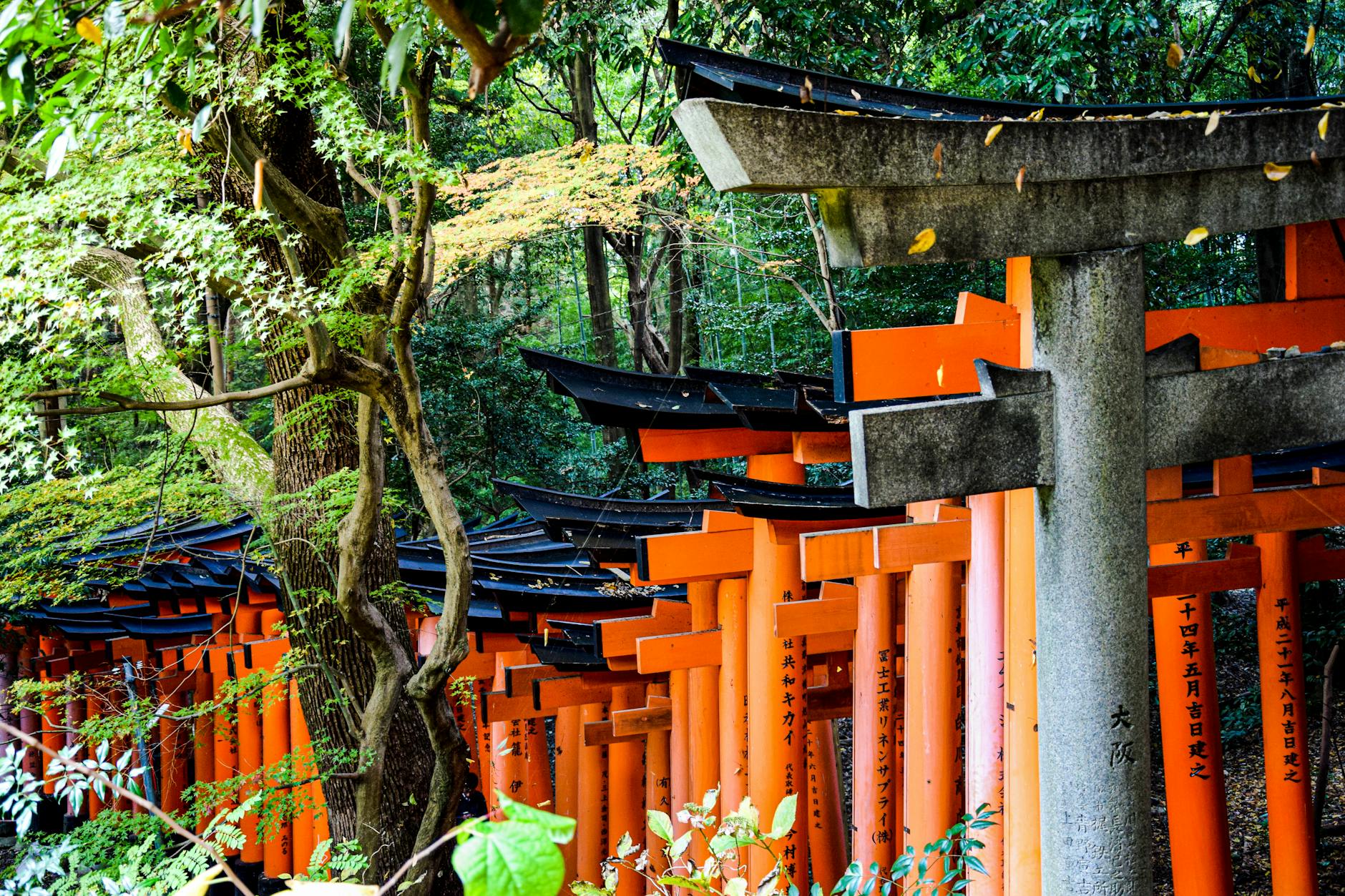
Start with Fushimi Inari Taisha, ideally early. The lower torii gate tunnels get busy, but the crowds thin out as you climb higher. You do not need to complete the whole mountain loop unless you want the exercise; even 60–90 minutes gives you the feeling of the place.
From there, add Tofuku-ji if you want a quieter temple stop, then head back toward central Kyoto for Nishiki Market. It is touristy, but still useful for snacks, small dishes and browsing. In the evening, walk through Gion, Yasaka Shrine and Pontocho Alley for lanterns, restaurants and that classic Kyoto night atmosphere.
Day 2: Arashiyama, bamboo grove, Tenryu-ji and Kinkaku-ji
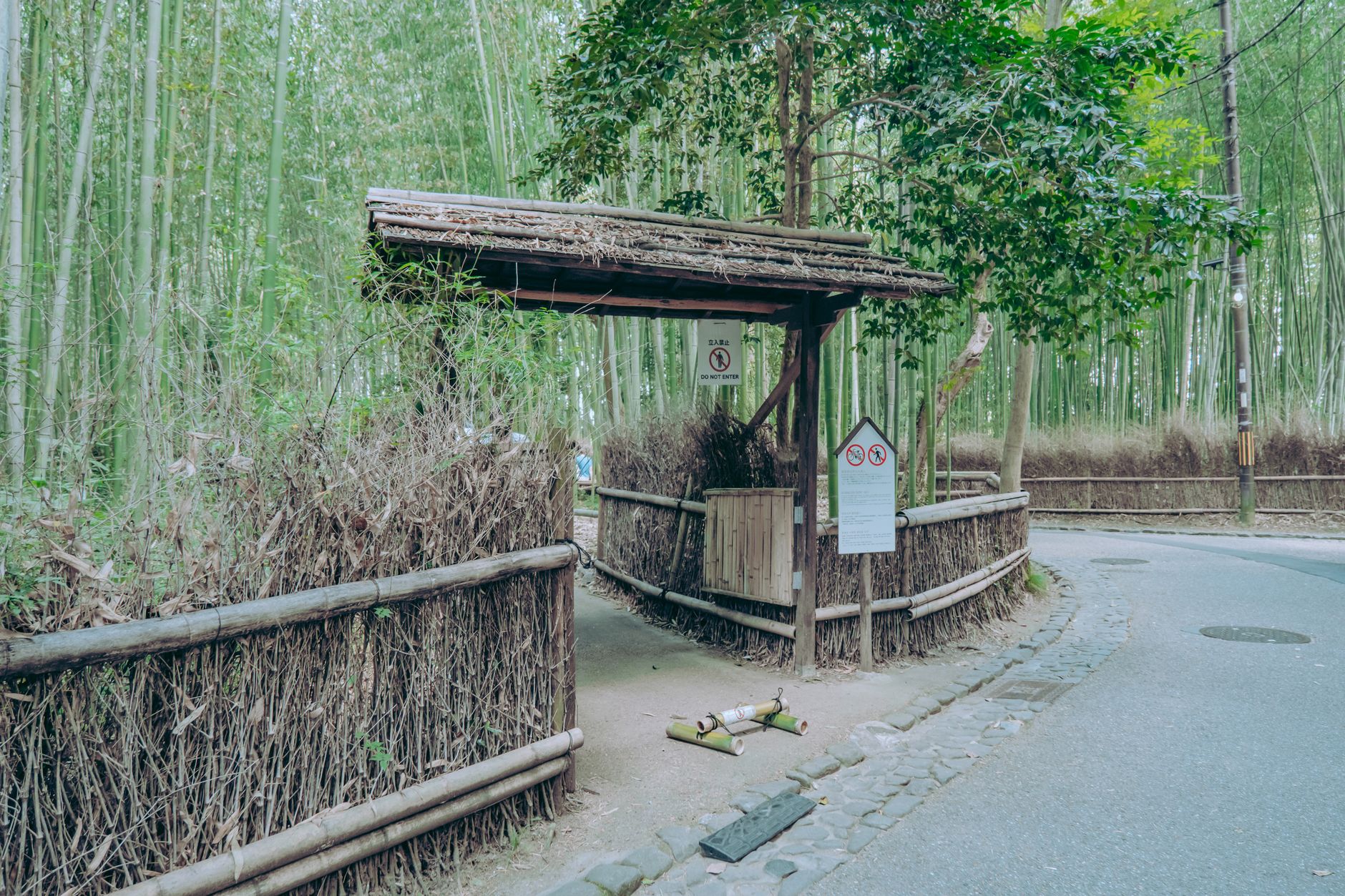
Start early again, this time in Arashiyama. The Bamboo Grove is most peaceful before the tour groups arrive, and it works best as part of a wider Arashiyama morning rather than a standalone photo stop. Pair it with Tenryu-ji, the temple garden, the riverside and Togetsukyo Bridge.
In the afternoon, move north-east to Kinkaku-ji, the Golden Pavilion. It is busy and the visit itself is fairly quick, but the reflection of the pavilion over the pond is one of Kyoto’s signature images. If you still have energy, add Ryoan-ji for its famous rock garden.
Day 3: Kiyomizu-dera, Higashiyama lanes and a slower temple walk
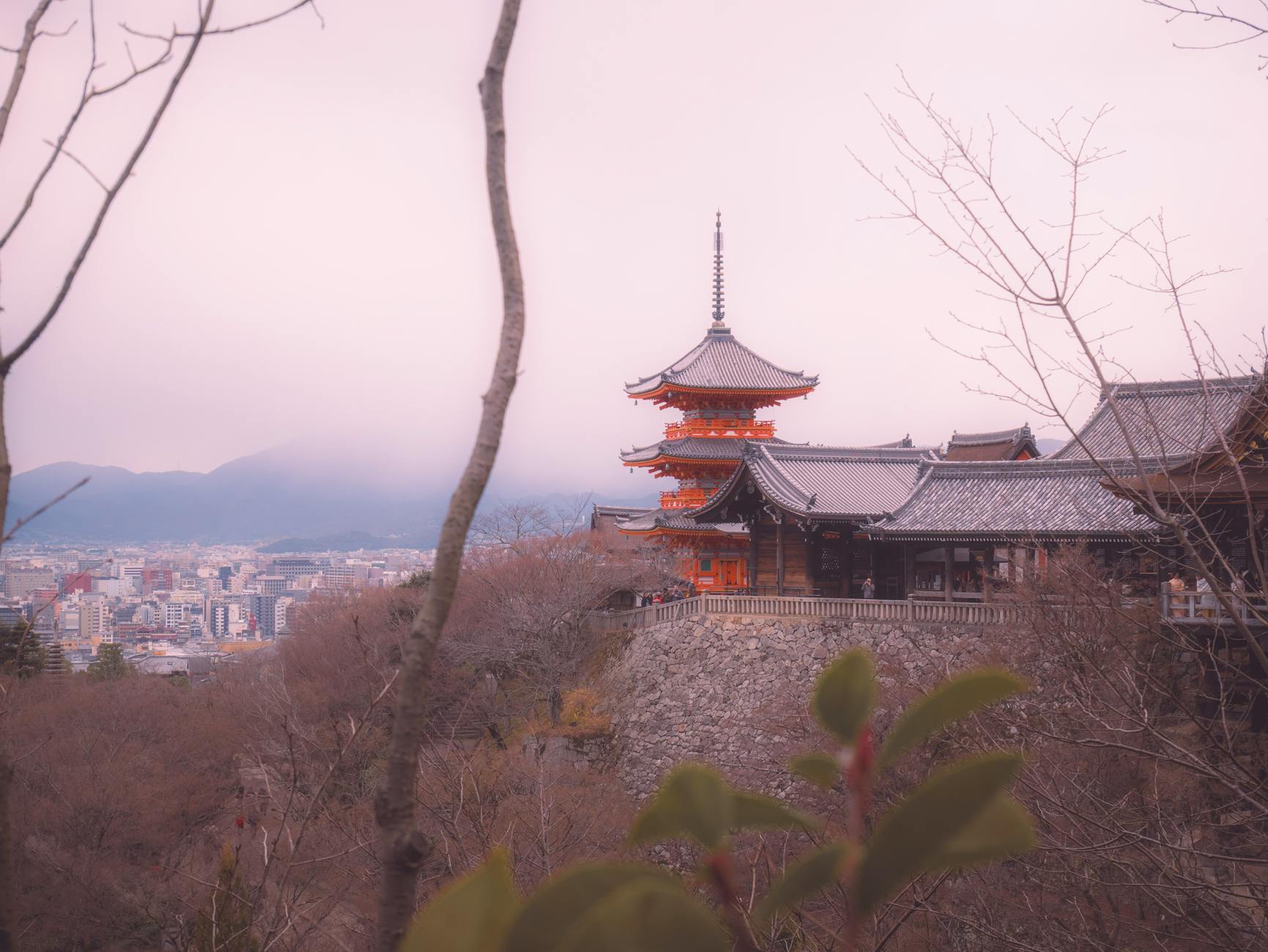
Save one of Kyoto’s most beautiful walking days for last. Start at Kiyomizu-dera, then wander down through Sannenzaka and Ninenzaka, two preserved streets lined with old wooden shopfronts, teahouses and souvenir stores.
From there, choose your pace. You can keep it relaxed around Kodai-ji, Yasaka Pagoda and Maruyama Park, or push north toward Nanzen-ji, Ginkaku-ji and the Philosopher’s Path. If you are temple-fatigued, swap the afternoon for a tea ceremony, cooking class or a low-pressure food walk.
Worth booking ahead: tea ceremonies, kimono/yukata rentals, guided food walks and some cultural workshops can book out during busy periods. Browse Kyoto experiences on Klook before you arrive, especially if you are visiting during cherry blossom or autumn foliage season.
Best temples and shrines in Kyoto
Kyoto has hundreds of temples and shrines, so the goal is not to see them all. The goal is to choose a mix: one iconic photo spot, one powerful shrine walk, one Zen garden, one hillside temple and one quieter place where you can breathe.
Kyoto gardens and quiet corners
Kyoto’s gardens are where the city starts to make sense. Some are built around ponds and borrowed mountain scenery. Some are dry Zen gardens where rocks, gravel and empty space do the talking. Others are small, seasonal and easy to miss if you only chase the biggest attractions.
For a first trip, the easiest garden highlights are Tenryu-ji in Arashiyama, Ryoan-ji near Kinkaku-ji, Kodai-ji near Higashiyama and Nanzen-ji if you are walking north toward the Philosopher’s Path. If you have more time, consider Katsura Imperial Villa, but check the reservation process before building a day around it.
How to avoid temple fatigue
- Do fewer places, better. Three memorable stops beat seven rushed ones.
- Mix the style of sights. Shrine walk, market lunch, garden, old street, night food alley.
- Start early, then slow down. Hit the famous sight first, then wander once the crowds arrive.
- Take breaks seriously. Kyoto has great cafés, tea houses and riverside spots. Use them.
Tea culture, Gion and the way of the geisha
Gion is one of Kyoto’s most atmospheric districts, but it is also a living neighbourhood, not a theme park. Go for the old wooden machiya houses, lantern-lit lanes, teahouses, restaurants and the feeling of stepping into a different pace of city life.
You may see geiko or maiko moving between appointments, especially around dusk, but do not follow, block, touch or photograph them without permission. Stick to public streets, respect signs, and remember that some private lanes in Gion have restrictions. The best way to engage with the culture is through a proper performance, tea ceremony, walking tour or respectful cultural experience rather than chasing people with a camera.
Good Kyoto evening: start around Yasaka Shrine, wander through Gion’s public streets, cross toward the Kamo River, then find dinner around Pontocho or Kawaramachi. It is atmospheric without needing to overplan every minute.
Where to stay in Kyoto
Your Kyoto base matters because the city is spread out and buses can be slow. For a first visit, stay somewhere that makes evenings easy. Being able to walk to dinner, coffee and a river stroll is more valuable than shaving a few minutes off one temple transfer.
| Area | Best for | Why stay there |
|---|---|---|
| Kawaramachi / Shijo / Sanjo | Most first-time travellers | Central, lively, easy food options, good transport, walkable to Gion and the Kamo River. |
| Gion / Higashiyama | Atmosphere and old Kyoto feel | Beautiful streets and easy access to eastern Kyoto, but accommodation can be pricier. |
| Kyoto Station | Day trips and rail connections | Practical for Nara, Osaka, Uji, Hiroshima or early Shinkansen departures. |
| Arashiyama | Slower, scenic stays | Lovely for a quiet night or ryokan-style stay, less convenient for the wider city. |
Getting around Kyoto
Kyoto is best explored with a mix of walking, trains, subway and buses. The mistake is relying on buses for everything. They are useful, but traffic and crowding can make short-looking trips feel much longer than expected. Where possible, use trains and subway for the main jump, then walk the neighbourhood.
An IC card like Suica, PASMO or ICOCA makes Kyoto much easier. Use it for trains, buses, convenience stores, vending machines and small everyday payments. The Kyoto City Official Guide also recommends combining trains and buses, and points travellers toward transport passes and hands-free luggage services to reduce congestion and make sightseeing easier.
Money, eSIM and Kyoto trip setup
Kyoto is not cash-only, but cash still matters. Many temples, shrines, smaller restaurants, markets and older shops are easier with yen. Carry a small cash buffer rather than assuming every entry fee or food stop will accept cards.
Simple setup before Kyoto
- Data: install a Saily Japan eSIM before departure so maps, translation, train routes and bookings work as soon as you land.
- Money: carry a low-fee travel card like Wise, plus a backup like Revolut.
- Australians: Up Bank is a useful extra backup with a $21 sign-up bonus.
- Transport: use an IC card for local trains, buses and convenience-store spending.
Do you need the JR Pass for Kyoto?
Usually, not for Kyoto alone. The Japan Rail Pass can still be useful for train-heavy Japan routes, but it is not a local Kyoto transport pass. If your trip is mainly Tokyo, Kyoto and Osaka with only a couple of Shinkansen rides, price the individual journeys before buying a pass.
Best time to visit Kyoto
The best times to visit Kyoto are spring and autumn, but they are also the busiest and often the most expensive. Spring brings cherry blossoms, usually around late March and early April depending on the year. Autumn brings maple colour, especially around November. Both seasons are beautiful, but you should book accommodation early and expect crowds at the famous sights.
Winter is underrated if you want quieter streets, crisp mornings and fewer crowds. Summer can be hot, humid and tiring, especially from July into September, but it also has festivals, lush green gardens and long evenings. If you visit in summer, start early, plan indoor breaks and take the heat seriously.
| Season | Why go | Watch out for |
|---|---|---|
| Spring | Cherry blossoms, mild weather, beautiful temple gardens. | Peak crowds and higher accommodation prices. |
| Summer | Festivals, lush greenery, long days. | Heat, humidity and heavy rain in early summer. |
| Autumn | Maple leaves, temple illuminations, great walking weather. | Another busy, expensive peak season. |
| Winter | Quieter temples, crisp air, occasional snow-dusted scenery. | Cold mornings and shorter daylight. |
Responsible travel in Kyoto
Kyoto is dealing with overtourism pressure, especially around Gion, Arashiyama, Fushimi Inari and the famous Higashiyama lanes. The easiest way to be a better visitor is also the easiest way to have a better trip: go early, explore beyond the same few streets, avoid blocking narrow roads, keep noise down around residential areas, and never chase or photograph geiko or maiko without permission.
- Respect private streets and signs. Not every pretty lane is open for tourist wandering.
- Travel hands-free where possible. Use station lockers or luggage forwarding instead of dragging bags through buses and temple lanes.
- Do not block paths for photos. Take the photo, then move on.
- Carry small cash. It keeps queues moving at temple entries, small food shops and ticket machines.
- Visit quieter areas. Uji, Ohara, Kurama, Kibune and northern Kyoto can balance out the big-name sights.
Keep planning your Japan trip
Kyoto FAQ
How many days should I spend in Kyoto?
Three days is ideal for a first visit. Two days lets you see the biggest highlights, but four or five days gives you a much better chance to slow down, add a tea ceremony, explore quieter temples and take a day trip.
Is Kyoto better as a day trip from Osaka?
Kyoto can work as a day trip from Osaka, but staying overnight is better. The city is most atmospheric early in the morning and after dark, when day-trippers have not arrived yet or have already left.
What is the best area to stay in Kyoto for first-timers?
Kawaramachi, Shijo, Sanjo and Gion are the easiest bases for most first-time travellers. You will be close to food, shopping, the Kamo River and evening walks, with reasonable access to the main sightseeing areas.
Do you need cash in Kyoto?
Yes. Cards and IC cards are common, but many temple entries, smaller restaurants, older shops, food stalls and local transport situations are easier with cash. Keep some yen on you every day.
Can you visit Fushimi Inari and Arashiyama on the same day?
You can, but it is not ideal because they are on opposite sides of the city. If you only have one or two days, it may be necessary. With three days, separate them so you are not rushing across Kyoto.
Is Kinkaku-ji worth visiting?
Yes for first-timers, especially if you have never been to Kyoto before. It is one of the city’s most iconic sights. Just know that the visit is usually short and crowded, so pair it with Ryoan-ji or another nearby stop.
What should I book in advance for Kyoto?
Book accommodation early for spring and autumn. Also consider booking tea ceremonies, kimono rentals, private guides, food tours and popular workshops ahead of time, especially if your dates are fixed.
Is Kyoto expensive?
Kyoto can be affordable day to day, but accommodation can spike during cherry blossom and autumn foliage season. Temple entries are usually manageable individually, but they add up if you visit many in one day. Food ranges from cheap ramen and convenience-store meals to high-end kaiseki.
The bottom line
Kyoto is best when you stop treating it like a checklist. Wake early for one famous sight, group the rest of your day by neighbourhood, leave space for wandering, and balance temples with food, markets, gardens and evening walks.
For most first-time visitors, the perfect Kyoto plan is simple: three days, a central base, an IC card, some cash, mobile data, and a few carefully chosen cultural experiences. Do that and Kyoto becomes much easier to love.
Disclosure: Some links in this guide are affiliate or referral links. If you book or sign up through them, Backpacking Is Life may earn a small commission at no extra cost to you. Prices, pass rules, card terms, bonuses and attraction details can change, so always confirm current information before booking.
Leave a Reply