
17 Best Things to Do in Kyoto 2026: Temples, Tea, Food and Day Trips
Kyoto is beautiful, famous and easy to overplan. The best trip is not every temple on a map; it is two or three strong areas, early starts, food, tea, slow streets and enough space to avoid temple fatigue.
The best Kyoto itinerary is area-based and crowd-aware. Do Fushimi Inari early or late, give Higashiyama real time, add one Arashiyama day and choose food or tea experiences instead of racing between temples.
Plan your Kyoto trip
Kyoto rooms near Kyoto Station, Shijo and Gion sell out early in cherry blossom and autumn seasons. Book your base first, then any tea ceremony or food tour with fixed start times. Not sure which area? Read where to stay in Kyoto.
The 17 best things to do in Kyoto
Walk Fushimi Inari Taisha

Best for: the red-gate classic
Fushimi Inari is famous because it still feels special when you get past the first crowded section. The higher you walk, the calmer it usually gets.
Good to know: Go early, late or commit to walking further than the first photo stops.
Plan your visit: Use the JR Nara Line to Inari Station, then walk to the shrine approach. Decide whether you want a short gate walk or the longer uphill route before you start; the return still takes time.
Suggested time: 1–2 hours for the lower routes; longer for the mountain
Book ahead: Compare Fushimi Inari guided walks on GetYourGuide
Visit Kiyomizu-dera

Best for: views and temple atmosphere
Kiyomizu-dera anchors one of Kyoto’s best sightseeing areas. The temple, views and surrounding lanes make it a proper half-day, not a quick tick.
Good to know: Pair it with Sannenzaka, Ninenzaka, Yasaka Shrine and Gion.
Plan your visit: Leave time for the uphill approach, the temple grounds and the walk back through Higashiyama. Keep this as one area of the day rather than scheduling a distant temple immediately afterwards.
Suggested time: 1.5–2 hours at the temple and approach
Wander Gion and Higashiyama

Best for: old Kyoto streets
This is where Kyoto looks like the Kyoto in your head: lanes, wooden buildings, lanterns and traditional atmosphere. It is also a working neighbourhood, so behave accordingly.
Good to know: Do not chase or photograph geiko/maiko intrusively.
Plan your visit: Walk the public lanes at an unhurried pace, follow photography signs and leave private streets alone. Never follow or stop geiko or maiko for a photograph; this is a working neighbourhood.
Suggested time: 2–3 hours, longer with a meal
Spend a morning in Arashiyama

Best for: bamboo, river and temples
The bamboo grove is famous, but Arashiyama is better when you add Tenryu-ji, the river, smaller temples or a slower walk.
Good to know: Go early and avoid making the bamboo grove the only reason to visit.
Plan your visit: Choose a rail approach that suits your starting point, then keep the bamboo grove, river and nearby sights in one outing. Add just one major extra stop so the morning does not become a march.
Suggested time: 3–4 hours
Book ahead: Compare Arashiyama tours on GetYourGuide
Eat through Nishiki Market

Best for: snacks and food browsing
Nishiki Market is touristy but useful for tasting, browsing and understanding Kyoto food. Treat it as a grazing stop rather than a full meal plan.
Good to know: Go hungry but patient; it can be shoulder-to-shoulder.
Plan your visit: Arrive with room for small tastings rather than one huge lunch. Eat in the shop’s designated space instead of walking with food, and keep the aisle clear while you decide what to buy.
Suggested time: 1–1.5 hours
See Kinkaku-ji

Best for: the golden pavilion
Kinkaku-ji is one of Kyoto’s most famous sights because the image is powerful and simple. The visit itself is short, so route it with nearby north-west Kyoto stops.
Good to know: Do not cross the city only for this if your day is already full.
Plan your visit: Make the pond view your main stop, then take the garden route at its own pace. Check the official visitor information before setting off and avoid adding a cross-city journey simply to squeeze in one photograph.
Suggested time: 45–75 minutes, plus travel
Add Ryoan-ji or Ninna-ji

Best for: quieter temple pairing
Near Kinkaku-ji, Ryoan-ji and Ninna-ji can make the north-west feel like a real area rather than a single photo stop.
Good to know: Choose one if you are already temple-fatigued.
Plan your visit: Ryoan-ji is about a ten-minute walk from Ryoan-ji Station on the Keifuku Kitano Line. Sit with the rock garden for a while before exploring the grounds; it rewards attention more than a quick circuit.
Suggested time: 1–1.5 hours
Walk the Philosopher’s Path

Best for: a gentler Kyoto day
The Philosopher’s Path works well when you want a slower temple-and-neighbourhood route. It is especially good in blossom season but still pleasant outside it.
Good to know: Pair it with Ginkaku-ji, Honen-in or Nanzen-ji.
Plan your visit: The canal walk links the northern Higashiyama area near Eikando and Ginkaku-ji. Leave room for a cafe or one nearby temple rather than treating the path as another place to rush through.
Suggested time: 1–2 hours; longer with a temple stop
Book a tea ceremony

Best for: cultural context
A tea ceremony can be touristy or excellent depending on the provider, but Kyoto is one of the places where it makes sense to book one thoughtfully.
Good to know: Choose a session that explains the context, not just the costume/photo angle.
Plan your visit: Compare the format, group size and language before booking. Ask whether you will prepare tea yourself and whether chair seating is available if kneeling is uncomfortable; not every experience offers the same setup.
Book ahead: Compare tea ceremonies on GetYourGuide
Suggested time: Around 1 hour; confirm your host’s schedule
Take a Kyoto food tour
Best for: less obvious eating
Kyoto food can feel subtle compared with Osaka or Tokyo. A food tour helps with markets, izakaya areas, sake, sweets and local specialities.
Good to know: Good early in the stay if you are unsure where to eat.
Plan your visit: Choose a tour for the food and explanation it includes. Confirm tasting quantities, dietary accommodation and the meeting place; a market tour and an evening restaurant crawl are very different outings.
Book ahead: Compare Kyoto food tours on GetYourGuide
Suggested time: Around 3 hours; use the operator’s itinerary
Visit Nijo Castle

Best for: history beyond temples
Nijo Castle breaks up shrine-and-temple repetition with palace rooms, gardens and shogunate history. It is also easy to reach from central Kyoto.
Good to know: Check opening times because castle days are not as flexible as wandering streets.
Plan your visit: Check which palace interiors your ticket covers and any closure notices. The castle’s official visitor guide separates the grounds, Ninomaru Palace and Honmaru Palace, so do not assume one admission includes every interior.
Suggested time: 2–3 hours
Day trip to Nara

Best for: temples and deer
Nara is the obvious day trip if you want Todai-ji, parkland and another ancient capital. It is easy by train and pairs naturally with Kyoto or Osaka.
Good to know: Start early and do not overfeed or tease deer.
Plan your visit: Build the day around the park and one or two major temples instead of only looking for deer. The animals are wild: keep your distance and follow the park’s guidance, especially if travelling with children.
Suggested time: A full day from Kyoto
Book ahead: Compare Nara day trips on GetYourGuide
Day trip to Uji

Best for: tea and river town
Uji is a softer alternative to Nara: tea, Byodo-in, river scenery and a calmer pace. It is excellent if you want Kyoto culture without the same crowds.
Good to know: Tea lovers should give it more than a rushed hour.
Plan your visit: Plan Uji around Byodoin, the river and a tea stop. Check the temple’s separate information for visiting inside Phoenix Hall before making that the reason for your trip.
Suggested time: 4–6 hours including travel from Kyoto
Explore Fushimi sake district

Best for: sake and canals
Fushimi is not only the shrine. The sake district adds breweries, canals and a different Kyoto story south of the centre.
Good to know: This is a good second-visit or longer-stay move.
Plan your visit: Give the brewery streets and canals their own outing rather than assuming they are beside Fushimi Inari’s gates. Check your chosen museum or tasting venue before arriving and take public transport if you will drink.
Suggested time: 2–3 hours
Book ahead: Compare sake tastings on GetYourGuide
Stay out after sunset in Pontocho or Kamo River

Best for: evening Kyoto
Kyoto is not only a daytime temple city. Pontocho, the Kamo River and nearby lanes are ideal for a softer evening.
Good to know: Book dinner if you care about a specific restaurant.
Plan your visit: Start with a riverside walk, then decide where to eat. Check the menu and any cover charge before sitting down in a small bar or restaurant, and keep noise down near homes.
Suggested time: 1.5–3 hours
Rent kimono only if you want the experience

Best for: photos and atmosphere
Kimono rental can be fun, but it should not dominate the day. Comfort, weather and walking distance matter.
Good to know: Choose routes with fewer stairs if dressed up.
Plan your visit: Build dressing time and the return deadline into the outing. Choose a short route with fewer stairs, check what accessories are included and ask how the shop handles rain before paying.
Book ahead: Compare kimono rentals on GetYourGuide
Suggested time: 2–4 hours including fitting and return
Build in one temple-free block
Best for: avoiding burnout
Kyoto temple fatigue is real. Use one half-day for cafes, shopping, food, riverside walking or a nap before another early start.
Good to know: You will remember Kyoto better if every stop does not blur together.
Plan your visit: Keep one afternoon free of admission times. A riverside walk, a neighbourhood cafe and browsing shops can give you a better feel for the city while your feet recover from the sightseeing days.
Suggested time: 2–3 hours
Quick picks for Kyoto
| If you want… | Prioritise this | Why |
|---|---|---|
| Best classic | Fushimi Inari | Iconic, free to enter and much better when you walk beyond the first gates. |
| Best temple area | Kiyomizu-dera and Higashiyama | A strong mix of temple, lanes, views and old Kyoto atmosphere. |
| Best food stop | Nishiki Market and nearby lanes | Good for grazing, but best treated as part of a wider central Kyoto day. |
| Best day trip | Nara or Uji | Nara gives major temples and deer; Uji gives tea culture and a quieter rhythm. |
Before you book
Kyoto rewards early starts and careful routing. Many of the most famous sights are crowded, so timing and geography matter more than adding another temple.
| Need | Useful move |
|---|---|
| Stay | Compare neighbourhoods and accommodation on Trip.com. Book the base first, then build days around it. |
| eSIM | Install Saily Japan eSIM before flying so maps, bookings and messages work when you land. |
| Insurance | Price SafetyWing Travel Insurance before the trip. It starts from about $2/day and trips need to be at least 5 days. |
| Tours | Use GetYourGuide Kyoto Tours for timed-entry sights, food tours, day trips and activities where local logistics matter. |
| Money | Carry a backup travel card. Wise is the simple international fallback for card spend, cash withdrawals and transfers. |
Book the practical pieces for Kyoto
Lock in the things that change the trip: where you sleep, how you get online, the tours that are hard to DIY, insurance and any transport legs that need advance planning.
Find Kyoto Stays on Trip.com Get a Japan eSIM Get SafetyWing Cover Open Wise for Travel MoneyTours and bookings worth comparing
You do not need to book every activity in advance. Compare the ones where timed entry, transport, queues, cancellation terms or local context make a real difference.
Kyoto Temple Walking Tours
Useful for Higashiyama, Gion, Fushimi Inari and temple context instead of just photos.
Tea Ceremony Experiences
Worth comparing because explanation quality and group size change the whole experience.
Nara and Uji Day Trips
Good if you want an easy day outside Kyoto without planning every train and stop.
Where to stay in Kyoto
- Downtown/Kawaramachi: best for food, transport and evenings.
- Gion/Higashiyama: atmospheric and beautiful, but often pricier and busier.
- Kyoto Station: practical for trains, day trips and luggage, less romantic.
- Arashiyama: scenic and calm at night, but less convenient for a first short stay.
- Near Karasuma/Oike: good balance of transport, food and quieter streets.
Getting around Kyoto
Kyoto uses a mix of trains, buses, walking and taxis. Buses can be crowded, so build days by area and consider taxis for short hops when heat, rain or luggage makes public transport painful.
For the bigger route, read the 10-day Japan itinerary, JR Pass guide and IC card guide.
A simple first-time itinerary
Kyoto essentials
Fushimi Inari, Higashiyama/Gion, Nishiki and one north-west or Arashiyama block.
Balanced Kyoto
Add Arashiyama properly, a tea ceremony or food tour and a temple-free evening.
Kyoto plus day trip
Add Nara, Uji, Fushimi sake district or deeper temple routes.
If you have three days in Kyoto
This itinerary is built around clusters, not a random list of attractions. Kyoto looks compact on a map, but getting across town can be slow. You will have a much better time if you group nearby sights and avoid crossing the city more than once a day.
Day 1: Fushimi Inari, Nishiki Market and Gion
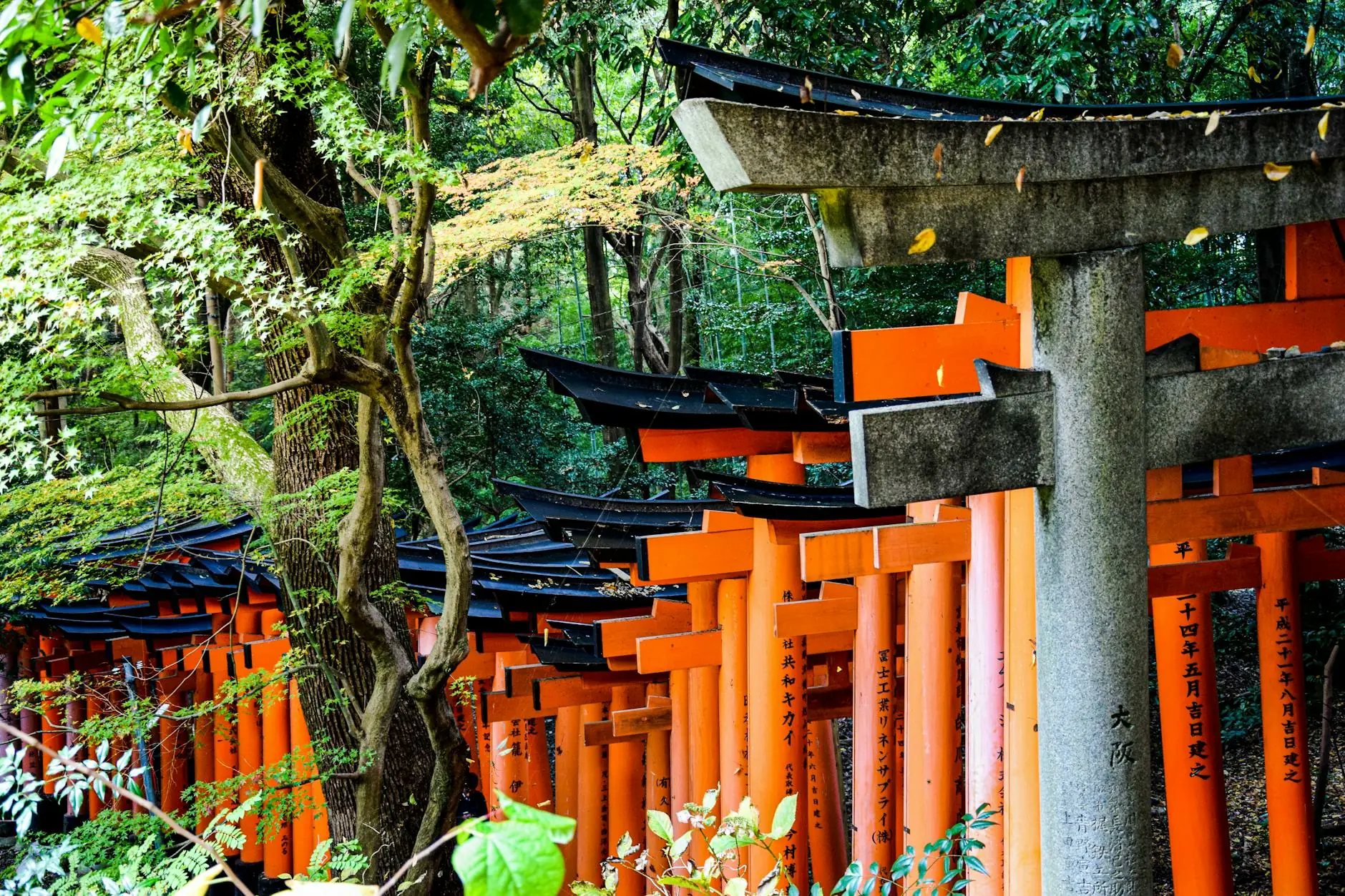
Start with Fushimi Inari Taisha, ideally early. The lower torii gate tunnels get busy, but the crowds thin out as you climb higher. You do not need to complete the whole mountain loop unless you want the exercise; even 60–90 minutes gives you the feeling of the place.
From there, add Tofuku-ji if you want a quieter temple stop, then head back toward central Kyoto for Nishiki Market. It is touristy, but still useful for snacks, small dishes and browsing. In the evening, walk through Gion, Yasaka Shrine and Pontocho Alley for lanterns, restaurants and that classic Kyoto night atmosphere.
Day 2: Arashiyama, bamboo grove, Tenryu-ji and Kinkaku-ji
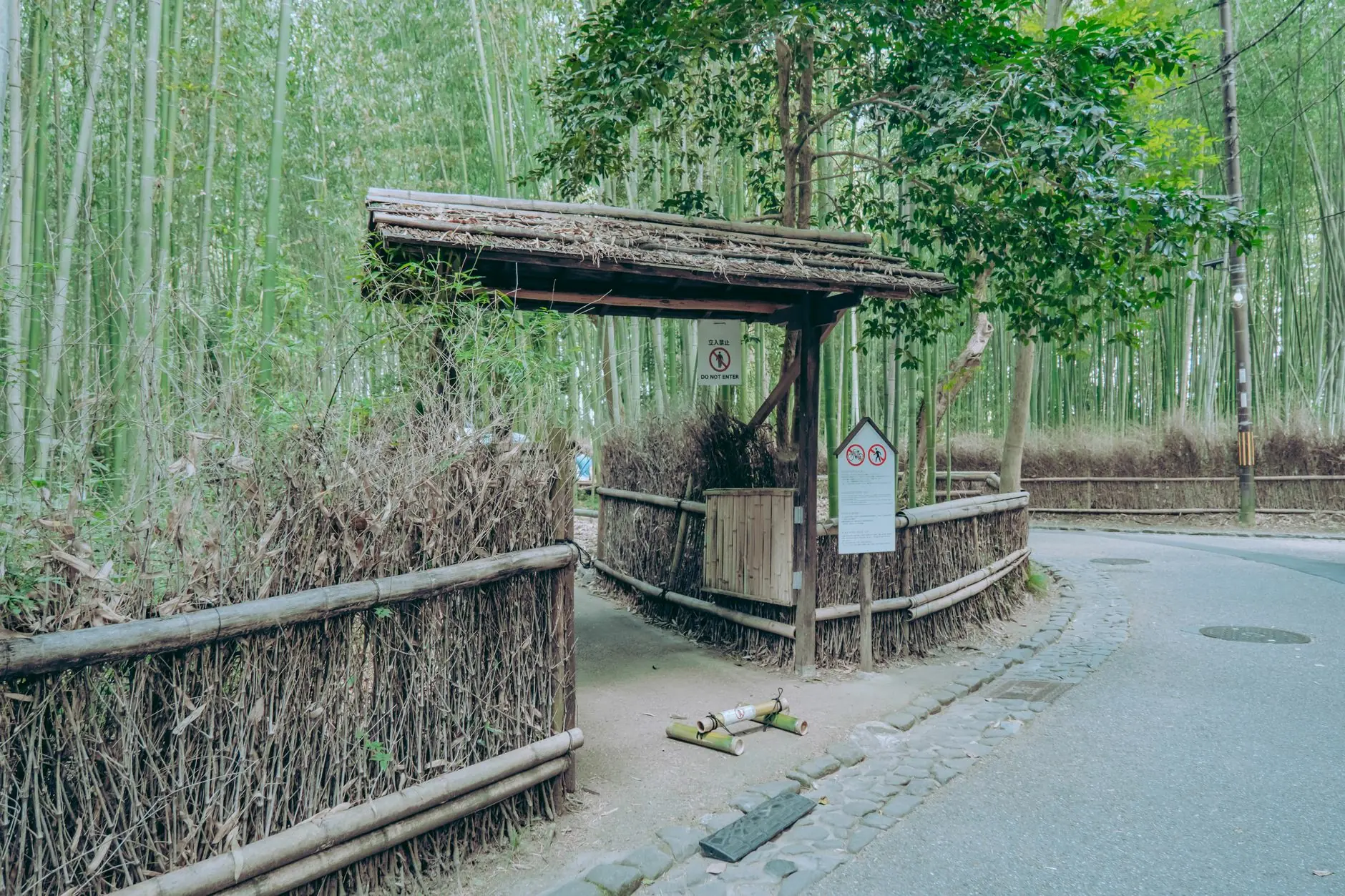
Start early again, this time in Arashiyama. The Bamboo Grove is most peaceful before the tour groups arrive, and it works best as part of a wider Arashiyama morning rather than a standalone photo stop. Pair it with Tenryu-ji, the temple garden, the riverside and Togetsukyo Bridge.
In the afternoon, move north-east to Kinkaku-ji, the Golden Pavilion. It is busy and the visit itself is fairly quick, but the reflection of the pavilion over the pond is one of Kyoto’s signature images. If you still have energy, add Ryoan-ji for its famous rock garden.
Day 3: Kiyomizu-dera, Higashiyama lanes and a slower temple walk
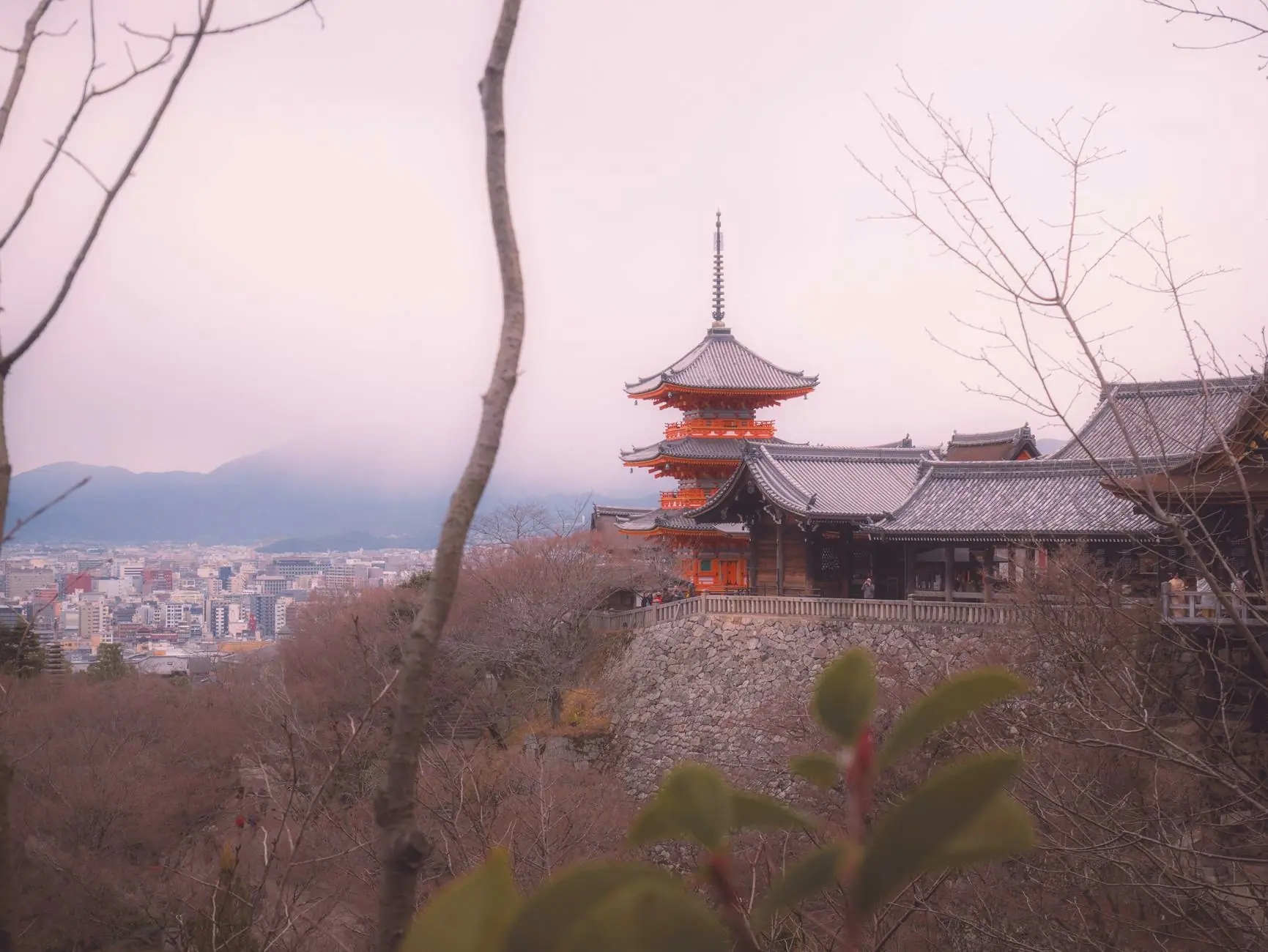
Save one of Kyoto’s most beautiful walking days for last. Start at Kiyomizu-dera, then wander down through Sannenzaka and Ninenzaka, two preserved streets lined with old wooden shopfronts, teahouses and souvenir stores.
From there, choose your pace. You can keep it relaxed around Kodai-ji, Yasaka Pagoda and Maruyama Park, or push north toward Nanzen-ji, Ginkaku-ji and the Philosopher’s Path. If you are temple-fatigued, swap the afternoon for a tea ceremony, cooking class or a low-pressure food walk.
Worth booking ahead: tea ceremonies, kimono/yukata rentals, guided food walks and some cultural workshops can book out during busy periods. Browse Kyoto experiences on Klook before you arrive, especially if you are visiting during cherry blossom or autumn foliage season.
Common mistakes to avoid
- Doing every famous temple: Kyoto becomes repetitive fast if you ignore pacing.
- Starting late: the most famous areas are much better early.
- Underestimating buses: routes are useful but can be crowded and slow.
- Behaving badly in Gion: respect private streets, residents and working geiko/maiko.
Best time, budget and what to skip
Spring and autumn are beautiful but crowded; summer is hot and humid; winter is calmer and still atmospheric. Budget for temple entries, tea/food experiences, taxis when useful and better-located accommodation.
If time is tight, keep Fushimi Inari, Higashiyama/Gion and one Arashiyama or north-west temple day. Cut duplicate temples before cutting food and slow streets.
Final advice
For a first Kyoto trip, build one day around Higashiyama/Gion, one around Fushimi Inari plus central Kyoto, and one around Arashiyama or a day trip. Kyoto is at its best when you stop treating it like a temple checklist.
For Kyoto, I would book in this order: accommodation first, then eSIM/insurance, then the few tours or transport pieces that would be annoying to organise on arrival.
Trip.com Stays | Japan eSIM | Travel Insurance | Tours and Activities | Wise
FAQ
How many days do you need in Kyoto?
Three days is the sweet spot for a first visit. Two days covers the icons, while four lets you add Nara, Uji or slower neighbourhood time.
Should you book tours in advance?
Book anything timed, crowded, capacity-limited, transport-heavy or expensive to miss. Leave ordinary neighbourhood wandering, simple food stops and flexible cafe time open.
Is Kyoto good for backpackers?
Yes. Kyoto has hostels and budget food, but accommodation can get expensive in peak seasons and transport is easier when you choose a good base.
Disclosure: This guide contains affiliate links. Plans, prices and provider terms can change, so treat the checkout page as the final price before buying.