
Backpacking Is Life · Updated September 2026
10-Day Japan Itinerary: Tokyo, Kyoto & Osaka
The clean first-timer route — four days in Tokyo, three in Kyoto, three in Osaka. Two hotel moves, zero backtracking. Fly into Tokyo, fly out of Osaka.
The route at a glance
- Days 1–4: Tokyo — Shinjuku/Shibuya base. Asakusa, Meiji Jingu, Shibuya Crossing, plus one flex day.
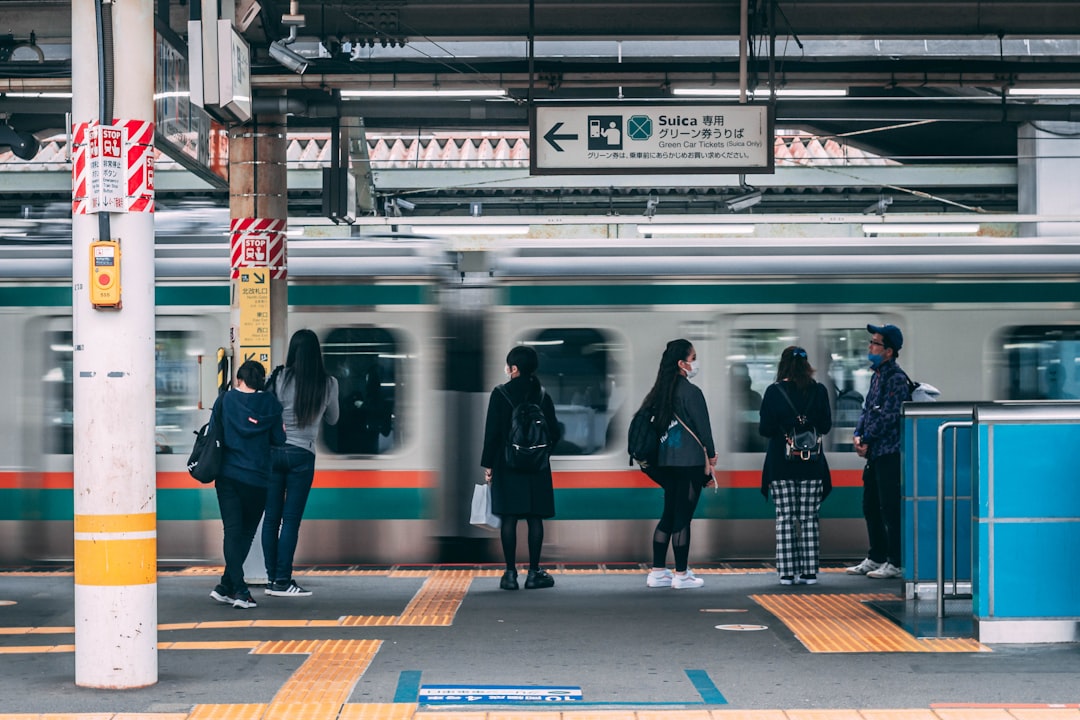
- Day 5: Tokyo → Kyoto via Shinkansen (~2h 40m).
- Days 5–7: Kyoto — Higashiyama, Fushimi Inari, Arashiyama bamboo grove.
- Day 8: Kyoto → Osaka via local train (~45 min), optional Nara stop.
- Days 8–10: Osaka — Dotonbori food, Osaka Castle, depart from Kansai Airport.
Total transport cost (one Shinkansen leg + local trains, no JR Pass): ~¥17,000 / AU$180 per person. The 7-day JR Pass at ¥50,000 makes no sense for this route.
On this page
What to book before you fly
Sort these at home, not at the airport. Three essentials plus a couple of 2026 admin notes.
1Japan eSIM
For maps, train apps, translation, and messaging your accommodation from the moment you land. Saily’s Japan plans start around US$4. Install at home and set it to activate on arrival — your phone has data the second you turn off airplane mode at Haneda or Narita. Full comparison: best eSIM for Japan in 2026.
2Travel card without FX fees
Wise is the universal pick — works for travellers from the UK, EU, US, Canada, Australia, NZ and most other countries. Mid-market exchange rates, no FX markup, free ATM withdrawals up to a monthly cap (then a small fee). Order the card a few weeks before you fly so it arrives in time.
If you’re Australian, Up Bank is the better everyday primary — 0% international transaction fees with no monthly limit, free overseas ATM withdrawals, and a $21 bonus on signup. Most Australians end up using Up for daily card taps and Wise for larger ATM withdrawals or holding yen ahead of time. CommBank/Westpac charge 3% FX + ~$5 per ATM withdrawal — that’s roughly $25 gone for every ¥50,000 you take out. More detail in the Japan ATM guide.
3Shinkansen ticket (skip the JR Pass)
For this exact open-jaw route you take only one bullet-train leg — Tokyo → Kyoto — so the 7-day JR Pass (¥50,000) loses badly to a single ticket (~¥14,170). Book it on Klook in AUD with English support. Full breakdown: is the JR Pass worth it in 2026?
Two minutes of 2026 admin: pre-register Visit Japan Web (free) and you’ll clear immigration and customs at a single self-service kiosk at Haneda, Narita and Kansai — it shaves real time off arrival. Set up a mobile Suica or PASMO in Apple/Google Wallet before you land so you can top up local trains by card, not cash. And ignore the scare headlines: JESTA is not required in 2026 — it doesn’t launch until ~2028–2029, so any site charging a “JESTA fee” for this year’s trip is a scam. A valid passport is all you need.
Days 1–4: Tokyo
The right place to land — easiest airports, densest neighbourhoods, most forgiving for jet lag.
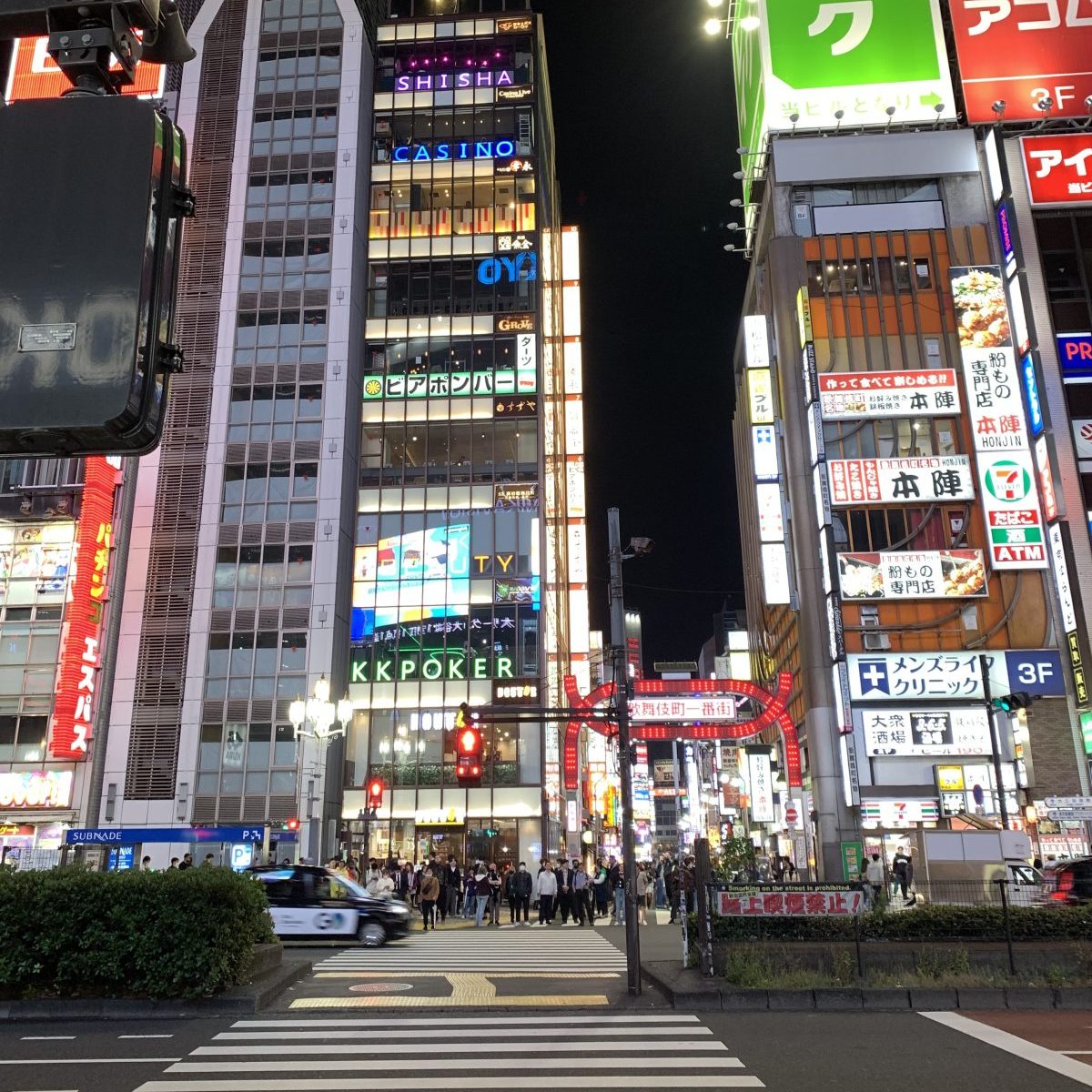
Stay in Shinjuku or Shibuya: both have direct trains to Haneda and Narita, walking-distance dinner, and you’ll pass through them constantly anyway. For a deeper hit-list, see things to do in Tokyo.
Land, orient, sleep
Don’t plan a hero day. You’ll have lost 8 hours and won’t remember it.
- Afternoon: Drop bags, find your nearest 7-Eleven for water and a snack, walk your neighbourhood for 30 minutes to get your bearings.
- Evening: Ramen or izakaya within 10 minutes of your hotel. Ichiran for solo ramen; Omoide Yokocho (“Memory Lane”) near Shinjuku station for the izakaya-alley experience.
- Bed early. You’ll thank yourself.
Asakusa, Ueno & Akihabara
Asakusa → Ueno → Akihabara · north-east loop
- Morning (before 9am): Senso-ji temple in Asakusa — Tokyo’s oldest. Get there early, before the tour buses. Walk down Nakamise shopping street.
- Late morning: Stroll the Sumida River and see the Skytree from across the water.
- Lunch: Tempura around Asakusa (Daikokuya is the institution) or conveyor sushi at Sushiro.
- Afternoon: Short train to Ueno Park — the Tokyo National Museum if it’s hot or raining, otherwise just walk it.
- Evening: Train to Akihabara for the electronics/anime/arcade scene. One walk-through of Don Quijote (chaotic discount store) is worth it if you’ve never seen one.
Meiji Jingu to Shibuya
Meiji Jingu → Harajuku → Omotesando → Shibuya · walkable in one day
- Morning: Meiji Jingu shrine — a forested approach that’s surprisingly peaceful given the location. Allow 90 minutes including the walk in.
- Late morning: Walk south into Harajuku — Takeshita Street for the chaotic teen-fashion energy.
- Lunch: Afuri for yuzu ramen (Harajuku branch), or Maisen for tonkatsu in Omotesando.
- Afternoon: Walk Omotesando — the architectural-flagship version of Tokyo shopping. Coffee at Koffee Mameya if you’re into specialty roasters.
- Late afternoon: Down to Shibuya Crossing. Cross it, then head up to the second-floor Starbucks opposite the station for the view.
- Evening: Dinner in Shibuya. Book Shibuya Sky rooftop for sunset a week ahead — it sells out.
Flex day
Pick the version of Tokyo you actually want.
- Mt Fuji day trip: Lake Kawaguchiko by bus from Shinjuku (~2 hours each way) for the classic reflected-Fuji shots, or join a guided tour to skip the logistics. (This is the lake-and-views option — actually climbing Fuji is a separate July–September thing with a ¥4,000 permit and booked slots.) See best day trips from Tokyo.
- teamLab Planets: immersive digital-art museum in Toyosu — you wade through water and lie under projections. Book a week ahead; it sells out.
- Slow neighbourhoods: Shimokitazawa (vintage + indie cafes), Nakameguro (canal walk + cafes), or Yanaka (old-Tokyo backstreets).
- Tsukiji outer market (mornings only — the inner market moved to Toyosu in 2018) for the eating-while-walking experience.
- Ghibli Museum (Mitaka) if you booked a month ahead. Otherwise Ghibli Park outside Nagoya is a half-day rail trip and worth it for fans.
Days 5–7: Kyoto
The temple-and-neighbourhood heart of the trip. Give it three nights.
Travel day, then a soft landing
Shinkansen ~2h 40m → Higashiyama at dusk
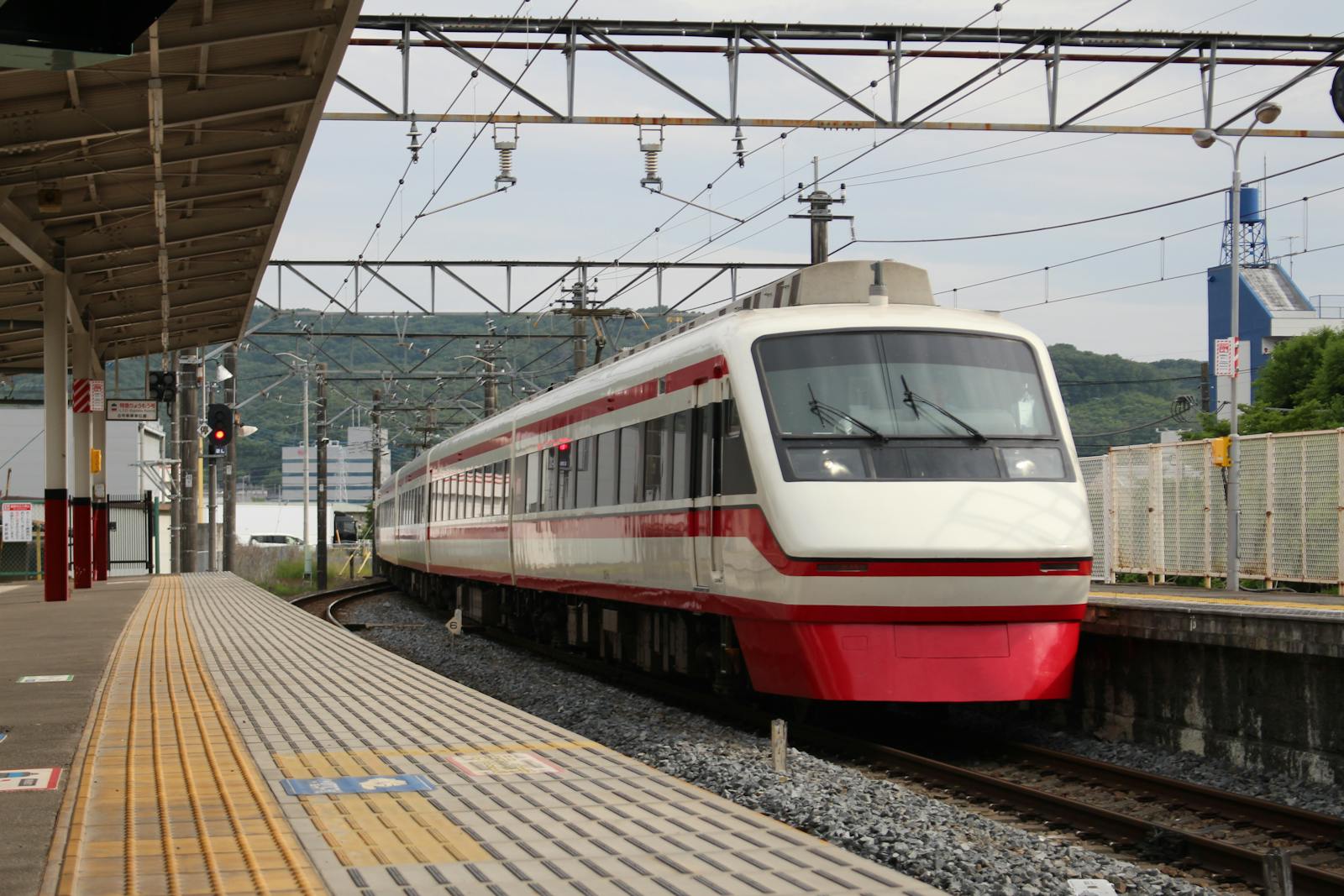
- Morning: Check out and take the Hikari Shinkansen from Tokyo to Kyoto (~2h 40m, ¥13,970 — the pass-eligible Hikari is only ~5 min slower than the Nozomi). Book on Klook in AUD.
- Lunch on board: Grab an ekiben (station bento) at Tokyo Station. Eki Ben-ya Matsuri on the concourse has 200+ varieties.
- Afternoon: Drop bags, walk Higashiyama — Sannenzaka and Ninenzaka, the stone-paved old streets leading up toward Kiyomizu-dera (save the temple itself for tomorrow).
- Evening: Dinner in Gion. Walk Hanamikoji-dori at dusk for its lantern-lit atmosphere.
Gion, 2026 rule: stick to the main Hanamikoji street. Entering the private side-alleys now carries a ¥10,000 fine, brought in to stop tourists cornering and photographing geiko and maiko. If you do spot one heading to a teahouse, give them room and don’t block their path or shove a camera at them — they’re on their way to work.
Fushimi Inari, Kiyomizu-dera & Gion
Fushimi Inari (early) → Kiyomizu-dera → Higashiyama → Gion · start at 7am
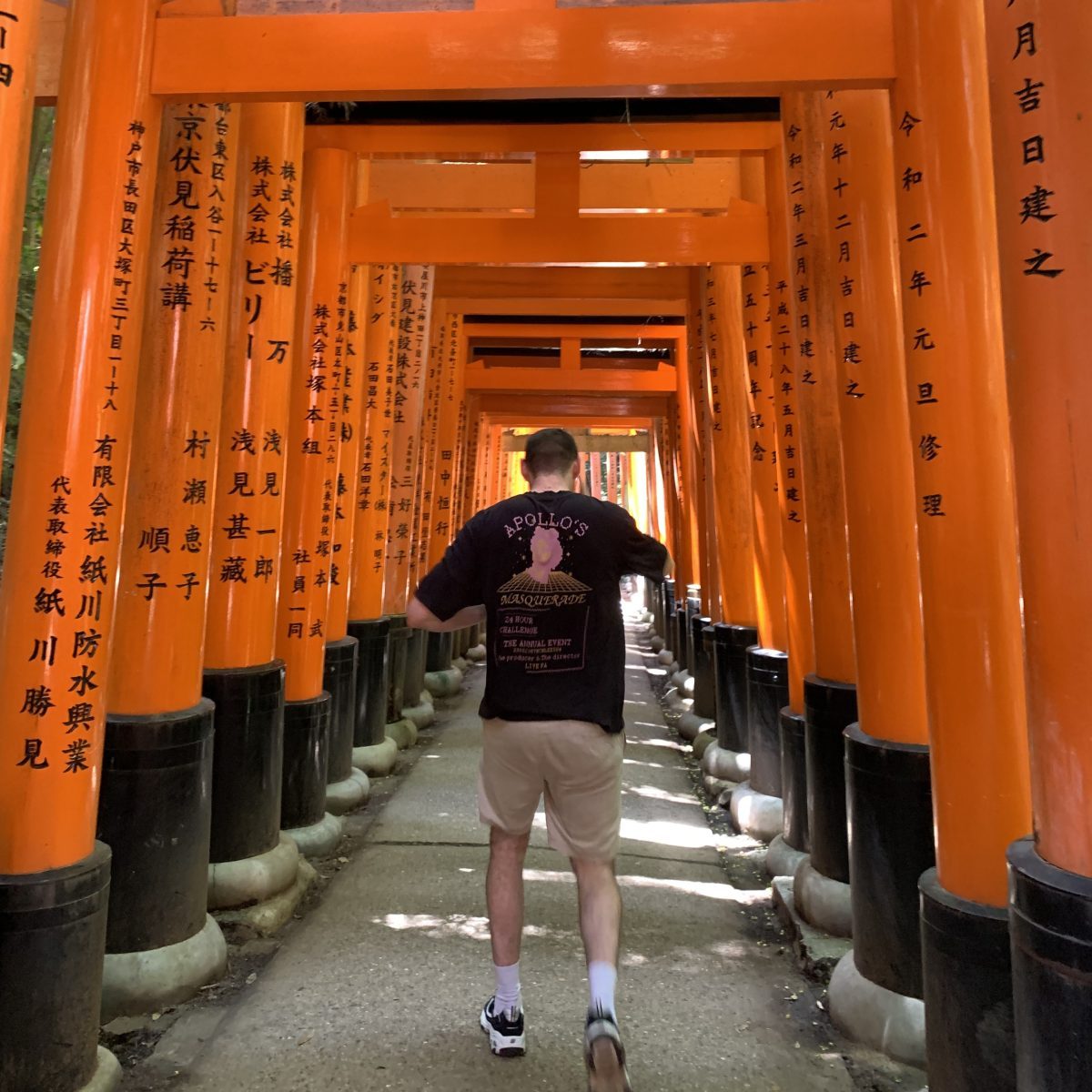
- 7am: Train to Fushimi Inari — the thousand-torii shrine. Get there before 9am or queue for every photo. Hike up to the Yotsutsuji intersection (~30 min uphill) for a real sense of scale.
- Mid-morning: Back to Higashiyama for Kiyomizu-dera — the wooden stage with city views.
- Lunch: Omen for udon, or matcha sweets at one of the Higashiyama cafes.
- Afternoon: Walk Maruyama Park and Yasaka Shrine. With energy to spare, add Nanzen-ji and its brick aqueduct (10 min north).
- Evening: Dinner in Pontocho Alley — a narrow lantern-lit lane along the Kamogawa. Book ahead for a riverside table in summer (May–September).
The western side
Bamboo grove first · less busy before 10am
- Morning: Train to Arashiyama (~15 min from Kyoto Station) and walk the bamboo grove first — it’s a 10-minute walk-through and heaves after 10am.
- Mid-morning: Tenryu-ji garden (right by the grove). Add the Iwatayama monkey park if you’ll climb 20 minutes for the view + macaques.
- Lunch: Yudofu (tofu hot pot) at a riverside restaurant — Shoraian is the famous one.
- Afternoon: Either Kinkaku-ji (Golden Pavilion) in northern Kyoto (the iconic shot, 30 min by bus) or back to central Kyoto for Nishiki Market — yuba, matcha soft serve, sake tasting.
- Evening: Stay central. Issen Yoshoku for okonomiyaki, or a kaiseki place near Pontocho for the multi-course experience.
Days 8–10: Osaka
The food-and-energy finish, with the easiest departure airport of the three cities.
The deer day, then an easy Osaka evening
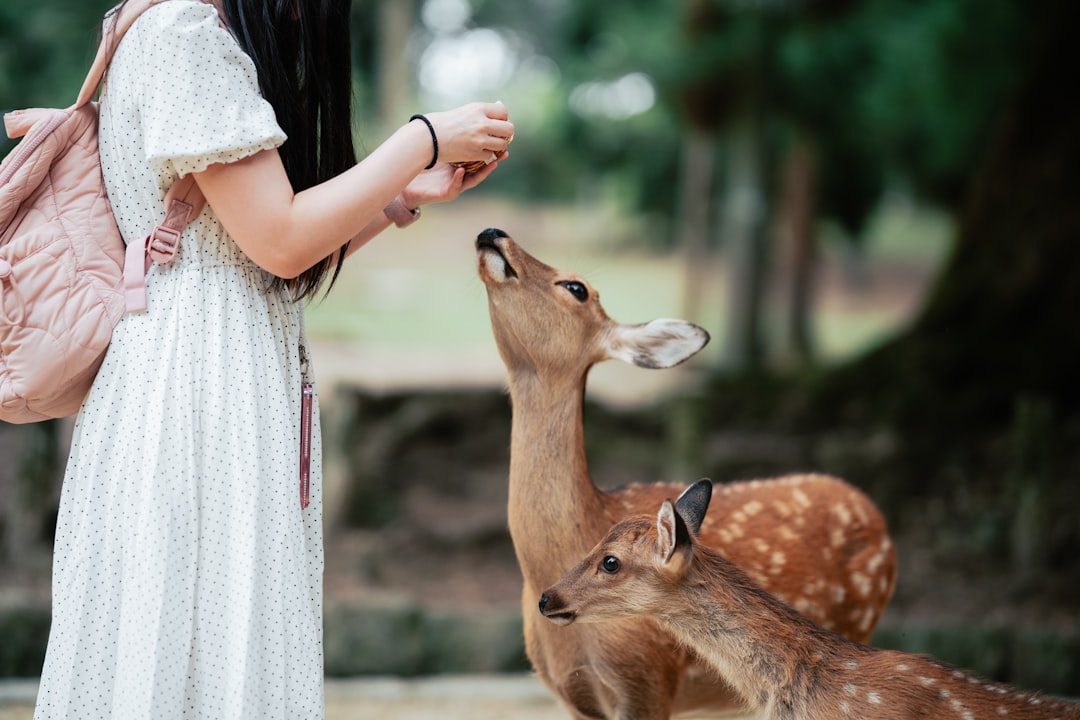
Kyoto → Nara (~45 min) → Osaka (~45 min)
- Morning: Check out, store bags in Kyoto Station coin lockers (or send them ahead with Yamato luggage forwarding for a hands-free day).
- Mid-morning: Train to Nara (~45 min). Walk to Nara Park — the famous bowing deer. Buy “shika senbei” deer crackers from a stall. Todai-ji houses the giant bronze Daibutsu and is worth the entry fee.
- Lunch: Kakinoha-zushi (persimmon-leaf-wrapped sushi, a Nara specialty) near the station.
- Afternoon: Back to Kyoto Station, grab bags, then Osaka (~45 min on the JR Special Rapid, ¥580).
- Evening: Check in around Namba. First dinner in Dotonbori — takoyaki at Kukuru, okonomiyaki at Mizuno, and a photo under the Glico Running Man. Touristy, but it’s the Osaka entry point for a reason.
Skip Nara if you’ve already seen a lot of temples by this point, or it’s a sweltering July/August day. The deer are fun but “do-once” for most people — going straight to Osaka buys you an extra half-day in the city. More options: day trips from Kyoto.
Castle in the morning, food and neon the rest
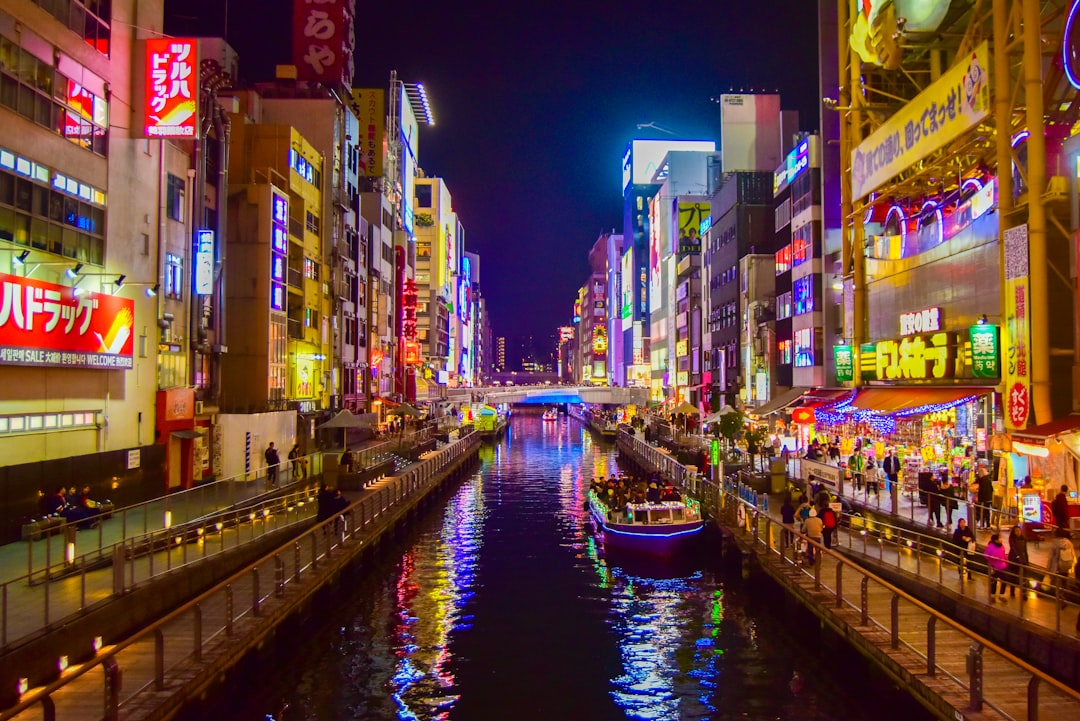
- Morning: Osaka Castle — the grounds are free and worth a walk; pay to go up if you like museums and city views.
- Lunch: Conveyor sushi or kushikatsu (deep-fried skewers) at any busy Namba spot.
- Afternoon — pick one:
- Universal Studios Japan — a full-day commitment; book skip-the-queue ahead.
- Shinsekai + Tsutenkaku Tower — retro old-Osaka, the gritty counter to Dotonbori’s polish.
- Umeda Sky Building floating observatory for sunset over the city.
- Shopping in Shinsaibashi, walkable from Namba.
- Evening: Dinner in Dotonbori, or a backstreet izakaya in Hozenji Yokocho — a single lantern-lit alley with the best atmosphere in the city. More ideas: things to do in Osaka.
Out via Kansai (KIX)
- Morning: Last neighbourhood walk, coffee, and any final omiyage (souvenir snacks) from the convenience store.
- Midday: Nankai Rapi:t express from Namba to KIX (~45 min, ¥1,490). The orange retro-futurist train is half the fun.
- Afternoon: Fly out of KIX.
Book open-jaw flights. The cleanest version of this itinerary flies into Tokyo (Haneda or Narita) and out of Osaka (KIX) — no wasted 3-hour Shinkansen back to Tokyo on your last day. Airlines treat this as a “multi-city” booking and it’s usually the same price or cheaper than a return. (Heads-up: Japan’s departure tax tripled to ¥3,000 per person on 1 July 2026, but it’s baked into your airfare — nothing to pay at the gate.)
Where to stay in each city
Tokyo — Shinjuku or Shibuya
Shinjuku has the best transport hub (Narita Express, Haneda routes, most metro lines) but is grittier at night around Kabukicho. Shibuya is more central for sightseeing and equally good for food. Either works — just avoid basing yourself out east in Asakusa unless you want a longer commute to everything.
Kyoto — near Kyoto Station or Gion
Near Kyoto Station gives the best access for day trips (Fushimi Inari, Nara, Arashiyama) but less atmosphere. Gion / Higashiyama is far more characterful (traditional machiya townhouses, temples on foot) but pricier and more bus-dependent. For three nights the station area is usually the smarter base — unless you spend one night in a traditional ryokan, which is worth doing in Kyoto if anywhere. Compare areas in where to stay in Kyoto.
Osaka — Namba
Namba is the right base — walking distance to Dotonbori, easy to Osaka Castle, and a direct line to KIX on departure day. Umeda/Osaka Station is the calmer alternative, but Namba is more fun for two or three nights. See where to stay in Osaka.
Budget a small lodging tax. Several cities charge an accommodation tax paid in cash at check-in. Kyoto raised its rates in 2026 (up to ¥10,000/night at the luxury end, but only a few hundred yen for typical mid-range rooms). It’s minor — just don’t be surprised by it.
Variations on this route
More Kyoto, less Osaka: 4 nights Tokyo / 4 nights Kyoto / 2 nights Osaka. Use the extra Kyoto night for Hiei-zan temple, more Arashiyama, or just slower mornings.
More food, less culture: drop a Kyoto night and add it to Osaka — 4 / 2 / 4.
Add Hiroshima: drop one Tokyo or Osaka day and take a day trip from Kyoto or Osaka (~1h 40m Shinkansen). Paired with Miyajima island it’s a long but rewarding day — and this is roughly the point where the JR Pass math starts to swing back in its favour. Check the JR Pass guide.
Mt Fuji properly: add a 2-night stop at Lake Kawaguchiko between Tokyo and Kyoto (or as a 2-day side trip from Tokyo). Skipping a Kyoto day or stretching to 12 days both work.
Trip cost estimate
Per person, excluding flights (2026 prices).
| Item | Budget | Mid-range | Comfortable |
|---|---|---|---|
| Accommodation (9 nights) | AU$540 (hostels) | AU$1,350 (3-star) | AU$2,700+ (4-star) |
| Food (10 days) | AU$400 (konbini + cheap ramen) | AU$700 | AU$1,200+ |
| Transport (Shinkansen + local) | AU$200 | AU$200 | AU$200 |
| Activities / attractions | AU$100 | AU$250 | AU$500+ |
| Total (excl. flights) | ~AU$1,240 | ~AU$2,500 | ~AU$4,600+ |
Flights from Australia: AU$800–1,500 return depending on city and season. Cheapest direct: Jetstar Melbourne/Sydney → Narita. Domestic hops can beat the Shinkansen on longer routes — see cheap Japan domestic flights.
Get ready for Japan
Sort these three at home and the rest of the trip is easier: Saily for data, Wise (or Up if you’re Australian) for fee-free spending, and Trip.com for the hotels.
FAQ
Is 10 days enough for Japan?
For a first trip, yes. Ten days covers Tokyo, Kyoto and Osaka properly with one Nara day trip. Trying to bolt on Hiroshima, Kanazawa or Hokkaido stretches it thin — better to come back for those.
Best time of year for this route?
Late March to mid-April for cherry blossom (busy and pricey but stunning). October–November for autumn leaves (same caveats). May and early June are the underrated sweet spots — mild, fewer crowds, before the rainy season. Avoid July–August (hot and humid, especially Osaka and Kyoto) and Golden Week (late April to early May, when prices spike).
Should I get the JR Pass for this trip?
No. Because you fly out of Osaka, you take just one Shinkansen leg (Tokyo → Kyoto), so your rail total is ~¥17,000 against ¥50,000 for the 7-day pass. Even if you did a round trip back to Tokyo (~¥28,000), individual tickets still win. Buy the single ticket on Klook and pocket the difference. One 2026 note: overseas agency prices rise to ¥53,000 from 1 October 2026, though the official JR site is holding the old ¥50,000 for now — either way, not worth it here. Full analysis in the JR Pass guide.
Do I need JESTA or any pre-authorisation for 2026?
No. Visa-free entry is unchanged for eligible nationals (US, UK, EU, Australia, NZ, Canada and most others) in 2026. JESTA — Japan’s planned ESTA-style system — passed into law in May 2026 but doesn’t launch until around 2028–2029, so there’s nothing to apply or pay for. Any website charging a “JESTA fee” for a 2026 trip is a scam. All you need is a valid passport; a free Visit Japan Web registration just speeds up your airport arrival.
How much cash should I bring?
Withdraw ¥30,000–50,000 on arrival from a 7-Eleven ATM (they take foreign Visa/Mastercard reliably, 24/7) and top up as needed. Japan is still more cash-reliant than most developed countries — many small restaurants and shrines are cash-only. Use a no-FX-fee card like Wise or Up to dodge the 3% + ~$5 that the Big Four Australian banks and many US/UK debit cards add. The ATM itself charges a small ¥110-ish fee regardless of card.
Do I need to speak any Japanese?
No. The big cities have enough English signage, and Google Translate’s camera mode handles menus. “Sumimasen” (excuse me) and “arigatou gozaimasu” (thank you) go a long way. The bigger ask is patience when there’s no English at all — bow, point, smile, you’ll be fine.
teamLab Planets or teamLab Borderless — which one?
Both are worth it and both sell out, so book a week or more ahead. Planets (Toyosu) is more immersive — you wade through water and lie under projections — and easier to reach from central Tokyo. Borderless reopened in February 2024 at Azabudai Hills (near Kamiyacho/Roppongi) and is bigger and more maze-like, with no fixed route. Most first-timers slightly prefer Planets, but you can’t go wrong.
Keep reading
Disclosure: Some links are affiliate links — if you book through them, Backpacking Is Life may earn a small commission at no extra cost to you. Prices and rules can change, so double-check anything time-sensitive before you book.