
✓ Updated September 2026 · Facts verified from official operator pages
Croatia Ferry Guide 2026: Routes, Prices, Times & How to Book
Split to Hvar. The Dubrovnik corridor. Car ferries vs catamarans. Which legs sell out. Which ones to leave flexible. Real journey times, real 2026 prices, and the one port mistake that catches people every summer.
Quick verdict
For most backpackers on a Split-based route, the fast catamaran to Hvar Town is the move — about an hour, no car needed, arrives right where you want to be. If you’re driving, the Jadrolinija car ferry to Stari Grad is the only option for vehicles. On the Dubrovnik corridor, both Krilo and TP Line run daily catamarans April to October — book in advance in July and August. The biggest mistake on this coast is booking a car ferry to Stari Grad expecting to walk into Hvar Town (they’re 20km apart on opposite ends of the island).
Book early (sells out)
- Split → Hvar Town catamaran — July/August sailings fill days ahead
- Split → Stari Grad car spaces — faster to sell out than passenger tickets
- Dubrovnik corridor (Krilo/TP Line) — peak season fills fast
Usually fine to leave flexible
- Off-peak sailings (May, June, September, October)
- Short local hops that don’t anchor the whole route
- Routes with 10+ daily sailings in season
On this page
The three main operators — and what they actually do differently
Most confusion on Croatia ferries comes from treating every “boat” as the same product. They’re not. The operator determines whether your car can come, how fast the crossing is, and which port you arrive at.
Jadrolinija
Croatia’s national carrier. Runs both car ferries (vehicles permitted) and high-speed catamaran lines (foot passengers only). The Split→Stari Grad car ferry is Jadrolinija. So are some Split→Hvar Town catamarans.
Krilo (Kapetan Luka)
Foot passengers only. Fast catamarans on Split–Brač–Hvar and the full Dubrovnik–Mljet–Korčula–Hvar–Split corridor. Clear seasonal timetables, well-maintained boats, slightly faster than some Jadrolinija services.
TP Line
Foot passengers only. Competes directly with Krilo on the Dubrovnik–Split corridor (Lines 842 and 654, April 1–October 31, 2026) and Split–Hvar routes. Check both operators — departure times differ on the same corridor.
| If you need | Go to | Note |
|---|---|---|
| Vehicle on the island | Jadrolinija car ferry only | Krilo and TP Line do not take cars. Full stop. |
| Fast foot-passenger hop to Hvar Town | Jadrolinija, Krilo, or TP Line catamaran | ~1hr from Split. Up to 18+ sailings/day in July–August. |
| Dubrovnik → Split with island stops | Krilo or TP Line | Both run daily Apr–Oct. Compare times for your date. |
| “We’ll sort it when we arrive” | Worst option July–August | Sailings sell out. The port queue doesn’t care. |
Split to Hvar Town — the catamaran crossing
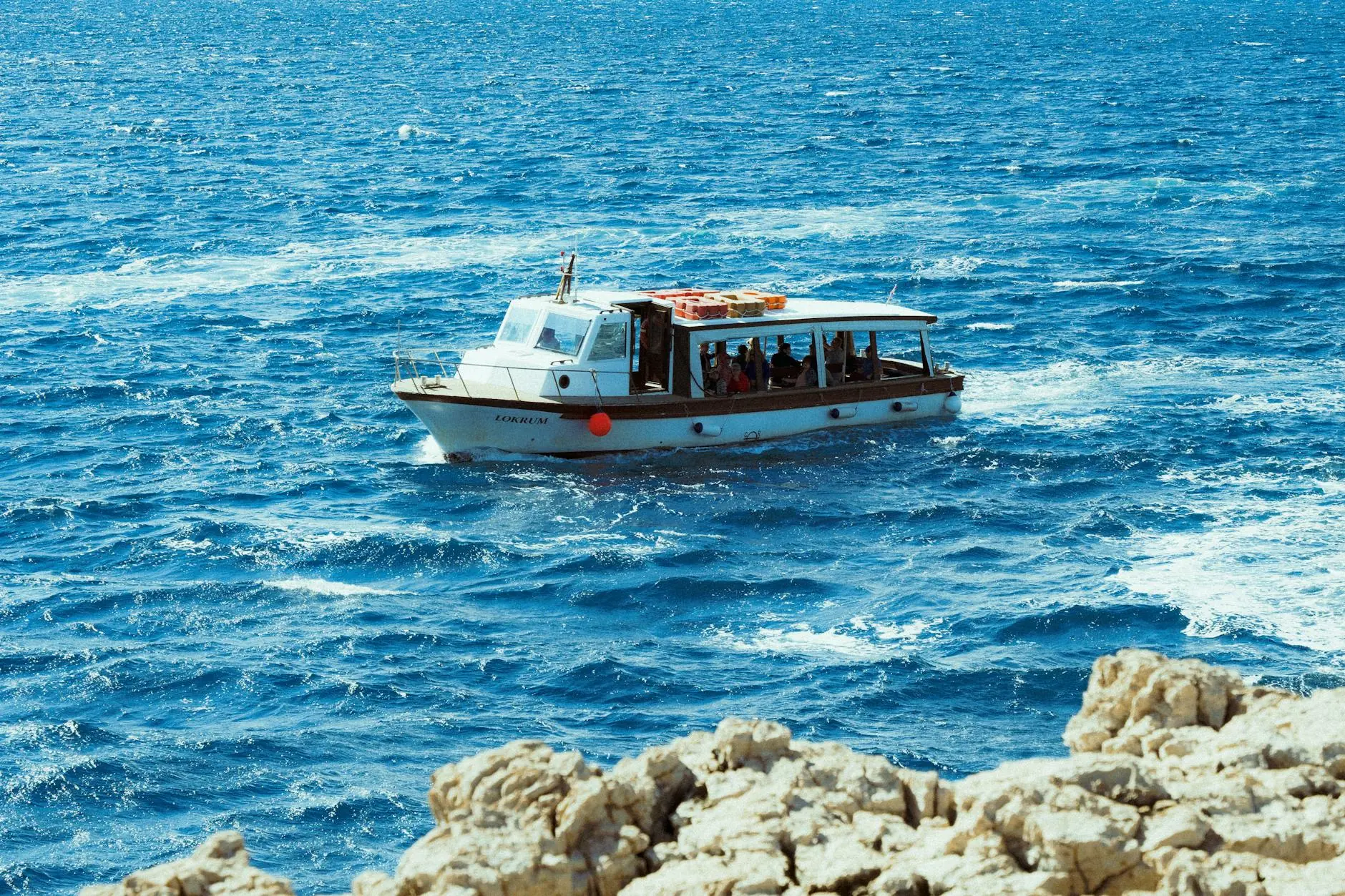
Split → Hvar Town (catamaran)
✓ Recommended for mostThe main way backpackers get to Hvar — air-conditioned fast catamaran, arrives right at Hvar Town’s waterfront. Operators: Jadrolinija, Krilo, TP Line, and Adriatic Fast Ferries. All foot-passenger only.
Split to Stari Grad — the car ferry
Split → Stari Grad (Jadrolinija car ferry)
🚗 Car travellers onlyThe only way to get a car to Hvar island. Operated by Jadrolinija. Arrives at Stari Grad — a quieter town on the north coast of the island.
If you’re on foot and coming from the west of Croatia (or arriving from Italy via ferry), this route can still work — take the car ferry for the crossing, then connect by bus to Hvar Town.
The Dubrovnik corridor — Split to Dubrovnik with island stops
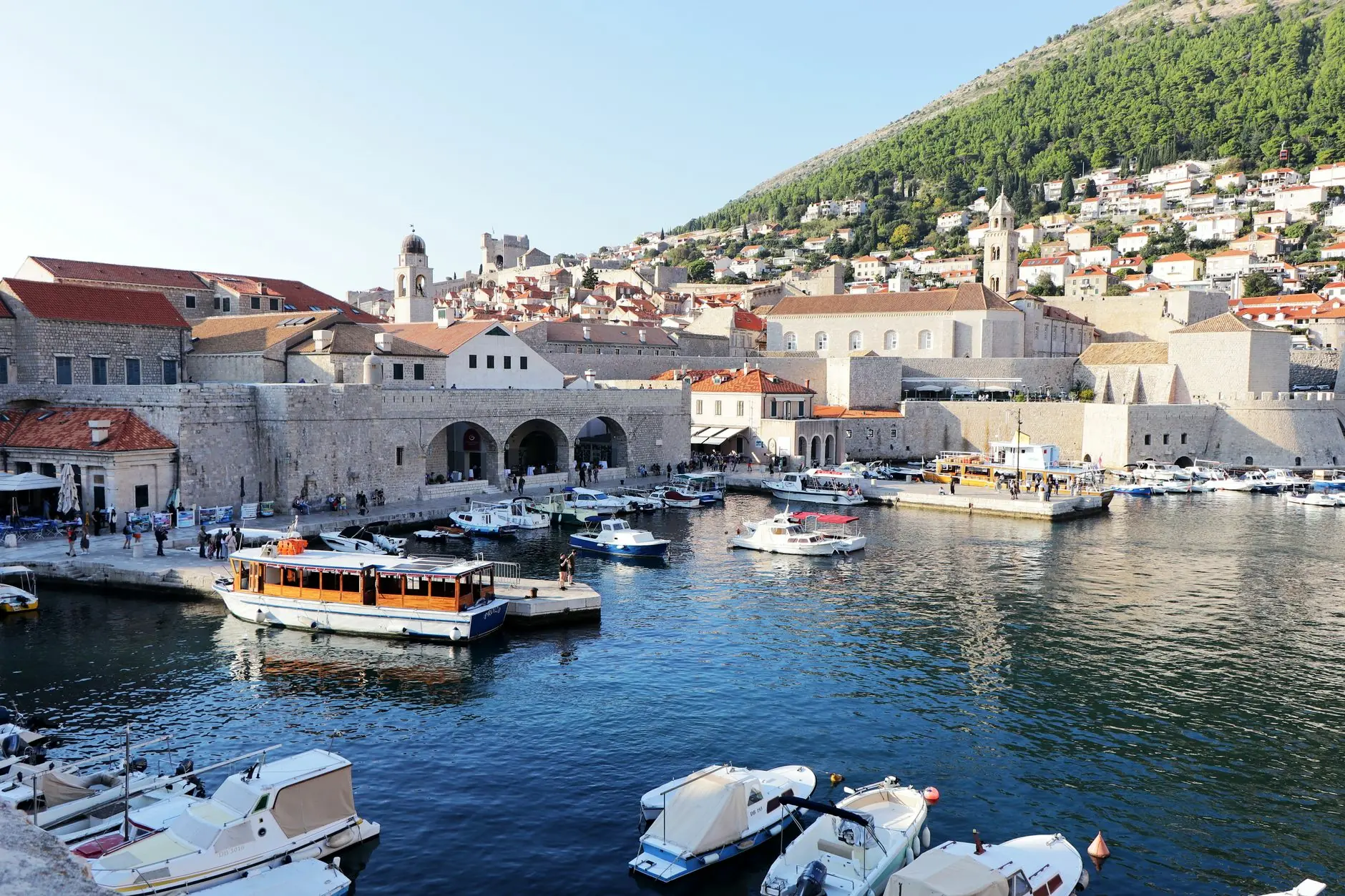
Dubrovnik ↔ Split via Mljet, Korčula, Hvar, Brač
Full corridorKrilo: Departs Split 08:00, arrives Dubrovnik 12:30. Departs Dubrovnik 15:30, arrives Split 20:00. Stops: Milna (Brač), Hvar Town, Korčula, Pomena (Mljet). Daily April 1–October 31, 2026.
TP Line (Lines 842 and 654) runs a competing service on the same corridor, valid April 1–October 31, 2026, with slightly different departure times. Check both when booking — sometimes one has availability when the other is full.
Other useful routes at a glance
| Route | Journey time | Operator | Season | Notes |
|---|---|---|---|---|
| Split → Korčula | ~3hr (via Hvar) | Krilo / TP Line | Apr–Oct | Good island stop between Split and Dubrovnik |
| Split → Bol (Brač) | ~1hr | Krilo | May 15–Sep 30 | For Zlatni Rat beach. Check timing — sailings are seasonal |
| Split → Vis | ~2hr 30min | Jadrolinija / Krilo | Seasonal | Worth booking early — fewer sailings than Hvar |
| Split → Stari Grad (foot pass.) | 1hr 50min | Jadrolinija | Year-round | Cheaper than catamaran to Hvar Town. Need bus/taxi to town. |
| Dubrovnik → Mljet | ~1hr | Krilo | Apr–Oct | From ~€20. Good for the national park |
Which legs to book first
Book in damage order, not island order. If missing a sailing would wreck your accommodation, onward transport, or flight home — that’s the one that needs booking now.
| Priority | What it looks like | Why |
|---|---|---|
| Book now | Any route-defining catamaran in July/August (Hvar, Dubrovnik corridor). Car spaces on the Stari Grad ferry. | These sell out. Missing them reshapes the whole trip. |
| Book next | Return legs tied to fixed accommodation checkout dates | People plan the outbound and forget the return admin. |
| Can wait | Routes with 10+ daily sailings, or shoulder-season travel (May, June, Sep, Oct) | Flexibility is only an asset when there actually is a next sailing soon. |
Compare Croatia transport on Omio →
Route logic for the Dalmatian coast
1. Split is the default route engine
Most island ferry lines originate in Split — Brač, Hvar, Vis, Korčula. If you’re doing Central Dalmatia, anchoring here gives you the most direct connections.
2. Treat Dubrovnik differently
Dubrovnik works well as a start or end point, especially with the direct Mljet–Korčula catamaran. It’s a weaker hub if you’re trying to daisy-chain every island from there — ferry connections going north from Dubrovnik are fast but limited to one daily sailing.
3. One or two islands done well beats four rushed ones
A week with Split and Hvar gives you more than a five-stop sprint where half the time is port queues and check-ins. Croatia rewards slowing down.
4. Solve the last hard transport day first
If your final day is a ferry + bus + flight combination, figure that out before you get emotionally attached to the middle of the route. A catamaran cancelled by rough weather on departure day is not the morning you want to be improvising a flight connection.
Simple planning filter
For each island on your list, ask: does this add real value, or just mileage? If it’s the second one, give the better islands more time instead.
Boarding, reservations, and timing
| Rule | Official guidance | What to do |
|---|---|---|
| Reserved Jadrolinija lines | Bought ticket includes reservation on these lines — departure at the desired time is guaranteed | Only true if you bought the right ticket for the right line type. |
| Non-reservable lines | Boarding by arrival order; peak season can require 1–2+ hours early arrival | Plan the port day around the departure, not the other way round. |
| Vehicle ticketing | Presenting a traffic permit required when buying a vehicle ticket | Sort documents before you’re stressed at the port window. |
| Weather cancellations | Fast catamarans more sensitive to conditions than car ferries — cancellations happen | Don’t book same-day catamaran-to-flight connections without a buffer. |
Mistakes that make Croatia ferry trips messy
- Booking the car ferry to Stari Grad when you want Hvar Town. They’re on opposite ends of the island. This is the single most common mistake tourists make every summer.
- Assuming the catamaran to Hvar Town takes cars. It doesn’t. None of the fast catamarans do.
- Booking the fun outbound legs and leaving the exit loose. That’s how smooth coast trips turn into salvage mode.
- Arriving at the port 15 minutes before a peak-season sailing. The official guidance says 60 minutes. Trust it.
- Stacking too many islands into a short trip. Four islands in a week means four check-in days, four sets of luggage-dragging, and not much actual time anywhere.
- Booking a same-day catamaran-to-flight connection without a weather buffer. Catamarans cancel in rough seas. Planes don’t wait.
The port mistake, in detail
You search “Split to Hvar ferry,” book the cheaper option, and arrive at Stari Grad — a pleasant quiet town 20km from the fortress, the Riva, and every restaurant you planned on. Now you need a taxi in 35°C heat with your luggage. This happens to a significant percentage of first-time visitors every summer, entirely because two ports on the same island have similar-sounding booking listings. Before you click buy: which port is it arriving at, and how far is that from where you’re sleeping?
What to sort before ferry day
Ferry days are smoother when travel admin is already handled — data, money, and transport out of the islands sorted before you’re standing in a port queue.
- Best eSIM for Europe — have data working the moment you land
- Wise travel card — for ticket windows, taxis, and port cafés without the 3% markup
- Europe trains guide — if Croatia is the end of a longer Europe route
- Greece ferries guide — same planning logic, different island system
Book Croatia ferry tickets
Use Ferryscanner to compare operators, times, and prices on each route. For Croatia in summer, checking both operators on the same corridor (e.g. Krilo and TP Line on the Dubrovnik route) is worth doing — availability differs.
Ready to lock in the route?
Book the route-defining legs first — car ferry spaces and peak-season catamaran seats fill fast. Keep the low-stakes hops flexible.
Frequently asked questions
How long is the Split to Hvar ferry?
The fast catamaran to Hvar Town takes about 50 minutes to 1 hour and costs from around €20. The car ferry to Stari Grad takes 1 hour 50 minutes. Important: Hvar Town and Stari Grad are on opposite ends of the island — check which port your accommodation is near before booking.
What’s the difference between Hvar Town and Stari Grad ports?
Hvar Town is where the fortress, restaurants, and nightlife are — on the island’s western tip. Stari Grad is a quieter town on the north coast, about 20km away, connected by bus (~€2–4, 20 min) or taxi (~€15–20). The car ferry arrives at Stari Grad. The catamaran from Split arrives at Hvar Town. They are not interchangeable.
How much does the Dubrovnik to Split catamaran cost?
2026 high-season Krilo fares: Dubrovnik to Mljet ~€20, to Korčula ~€25, to Hvar or Split ~€50 one-way adult. TP Line runs the same corridor at similar prices. Journey time for the full Dubrovnik–Split run is around 4.5 hours.
Can Croatia fast catamarans take my car?
No. Krilo, TP Line, and Jadrolinija’s catamaran lines are foot passengers only. The only way to take a car to Hvar is the Jadrolinija car ferry from Split to Stari Grad. Car spaces sell out faster than passenger tickets in peak season — book well in advance.
When do Croatia ferries sell out?
Popular catamarans to Hvar Town can sell out days in advance in July and August. Car spaces on the Split–Stari Grad ferry go even faster. The Dubrovnik corridor (1 sailing per direction per day) fills up quickly in peak season. The summer 2026 timetables are already live — if your dates are set, book now.
Can catamarans be cancelled in bad weather?
Yes. Fast catamarans are more sensitive to sea conditions than Jadrolinija’s heavier car ferries. Cancellations and delays happen when conditions are rough. Don’t book a same-day catamaran-to-flight connection without a buffer, and check the forecast the evening before any crossing you can’t miss.
Sources: Jadrolinija official English FAQ and 2026 route pages; Krilo Shipping Company official 2026 timetable (ksc.hr); TP Line 2026 schedule pages; absolute-croatia.com and absolute-dubrovnik.com 2026 timetable compilations; croatiaferries.com route data; ferryhopper.com 2026 schedules.
Disclosure: Some links are affiliate links. If you book through them, Backpacking Is Life earns a small commission at no extra cost to you.