
Backpacking Is Life · Updated September 2026
The Best 1-Month Europe Backpacking Route for Australians
For an Australian everyday account, compare Ubank’s Spend account and check its current eligibility and fees before opening it.
Join Ubank — $30 signup bonus · code AFWLLL7
For eligible new Australian customers, enter referral code AFWLLL7 during signup and check the current offer terms. A reward is not guaranteed.
We may receive a commission or referral benefit through our links. This does not make an account suitable for everyone.
London → Paris → Amsterdam → Berlin → Prague → Vienna → Budapest → Adriatic coast. Updated for 2026 EES rules, current pricing, and the Australian travel money setup that actually works.
The 30-second answer
- Route (30 days): London (4) → Paris (4) → Amsterdam (3) → Berlin (4) → Prague (3) → Vienna (3) → Budapest (4) → Croatia or Albania coast (5)
- Budget: AU$5,500-7,500 hostel-based, AU$8,500-12,000 mid-range. Excluding return flights (AU$1,800-3,000).
- Entry admin 2026: UK ETA (£16, before flying) · EES biometrics at first Schengen entry (no advance signup needed) · ETIAS launches Q4 2026 (€20 once live)
- Australian travel money: Ubank is our recommendation for eligible Australians. We recommend Wise for international readers where its card is available. Savings depend on existing fees, exchange rates and ATM-operator charges.
One month for Europe sounds like a lot. It isn’t. The Australia-to-Europe flight alone burns a day each way, and most travellers end up cramming too many cities in the middle, then crash-landing at the end exhausted instead of finishing strong.
This route does the opposite. Seven main stops, clean train corridors, no airport days until necessary, and a coast finish that’s a reward rather than another logistics test. It’s built for Australians, accounts for the 2026 entry admin (UK ETA, EES biometrics, the looming ETIAS launch), and includes the travel money setup that actually saves you money rather than the generic “get a Wise card” advice you’ll read everywhere else.
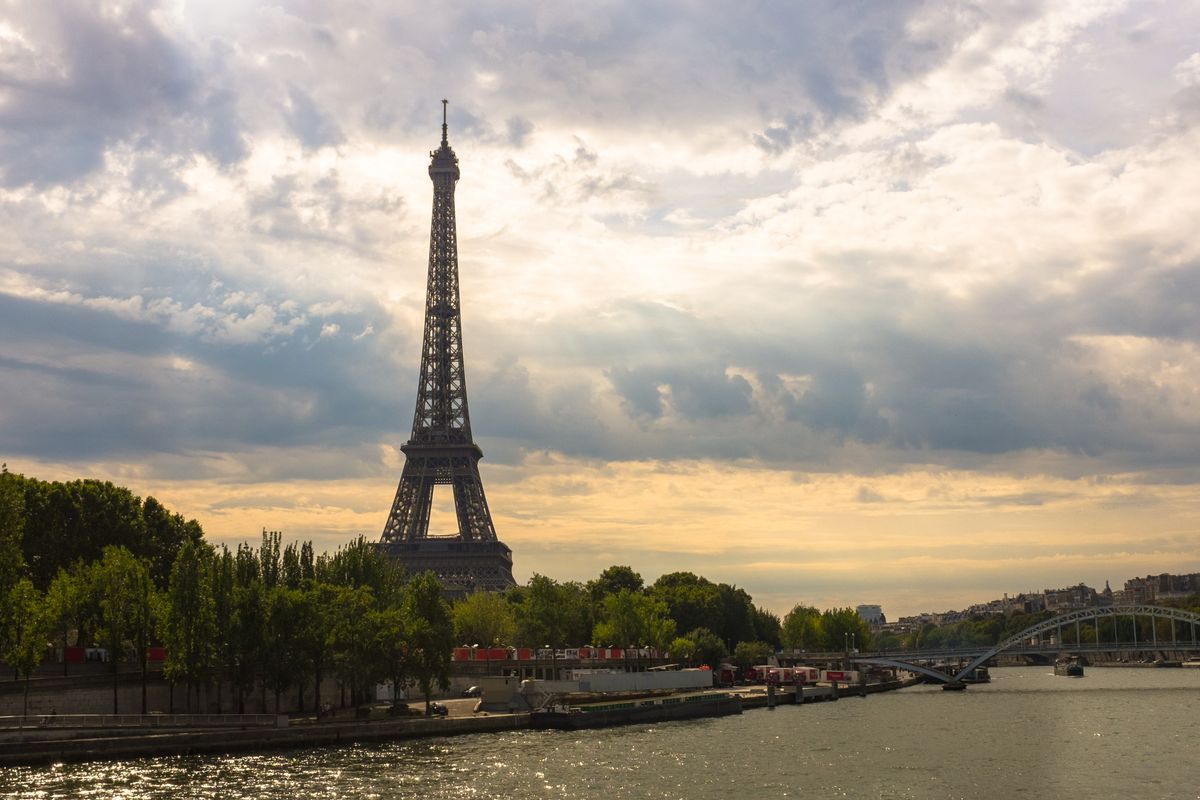
The best Europe route is the one that flows. Easy arrivals, simple train legs, a final week that feels like a reward.
The route, and why
Days 1-4: London (UK)
Days 5-8: Paris
Days 9-11: Amsterdam
Days 12-15: Berlin
Days 16-18: Prague
Days 19-21: Vienna
Days 22-25: Budapest
Days 26-30: Split, Croatia or Sarandë/Ksamil, Albania
Why this order: London first gives you an English-speaking soft landing for jet lag, and crucially UK days don’t count toward your Schengen 90/180 allowance — so you bank those 4 days. From Paris onwards, the route follows Europe’s strongest rail corridors (Eurostar, Thalys, ICE, Railjet). Coast finish keeps the trip feeling like summer instead of museum fatigue.
Schengen day count for this route: ~26 days. That leaves 64 days of Schengen allowance for the rest of your 180-day window — important if you’ve been to mainland Europe in the last 6 months.
2026 entry rules: what Australians actually need
⚠️ UK ETA: required since January 2025
Australian passport holders need a UK ETA before flying to London. £16, valid 2 years, multiple entries. Apply via the official GOV.UK page or the UK ETA app. Most applications are approved within minutes; allow 3 working days to be safe. Beware of third-party sites charging £40-80 — they’re a markup scam.
⚠️ EES: fully operational since April 10, 2026
The EU’s biometric Entry/Exit System replaces passport stamps. On your first Schengen entry (Paris, in this route), you’ll provide fingerprints + a facial scan at the border. Subsequent entries during your trip = quick scan. No advance signup required, but expect 5-15 minute queues on first entry while EU border systems still bed in. The optional free “Travel to Europe” mobile app lets you pre-register passport data 72 hours before arrival to speed up the kiosk.
📋 ETIAS: launches Q4 2026 — check before you book
ETIAS (the EU’s pre-travel authorisation) is scheduled for last quarter of 2026 with a transition period into 2027. €20, valid 3 years. If your trip is in late 2026 or 2027, check travel-europe.europa.eu/etias a month before departure. There’s only one official site — beware imitation sites charging €60-100. Australians under 18 and over 70 are free.
The bigger picture: London first is structurally clever for Australians because it stacks two wins. You get jet-lag recovery in an English-speaking city, and you don’t burn Schengen days during your most useless travel days. That alone justifies starting in the UK over Paris.
Tools to sort before flying
Most Europe budget blow-outs happen before the trip starts — bad banking setup, expensive roaming, leaving Eurostar bookings too late. Sort these in advance:
💳 Travel money (the Australian-specific version)
The “just get Wise” advice you’ll read everywhere is incomplete for Australians. The smarter setup is two cards on different networks:
- Ubank uses Visa conversion from AUD and does not add its own overseas purchase or ATM-withdrawal fee. Local operator fees and account limits still apply. The $30 referral offer with code AFWLLL7 is conditional; see the terms below.
- Wise (Visa): mid-market rates, hold 40+ currencies. Pre-convert AUD to EUR/GBP when the rate looks good. AU$10 one-time card fee. Best backup card on a different network.
Ubank is our main Australian recommendation, with a separate physical backup stored safely. International readers can consider Wise where available. Compare conversion costs and ATM charges, and check the $30 Ubank referral eligibility before applying.
📱 Europe eSIM
One eSIM that works across all 30+ countries you’ll cross. Saily Europe covers 35 countries, ~$10 USD for 3GB or ~$36 for 10GB across 30 days. Install before flying, activate on arrival at Heathrow. Faster than queuing at SIM kiosks. Alternatives: Airalo Eurolink (42 countries, widest coverage) or Yesim Europe (includes a built-in VPN).
🏥 Travel insurance
SafetyWing Nomad Insurance — about US$2/day, covers most of what backpackers actually need. 1 month = $45, 2 months = $90, can extend while travelling. For a one-month trip with no special activities, this is the simplest option. If you’re planning skiing, motorbike riding (Greek islands), or have pre-existing conditions, compare with World Nomads or your own provider.
🚆 Transport booking
Omio aggregates trains, buses, and budget flights across Europe. Easier than bouncing between SNCF, Deutsche Bahn, ČD, ÖBB, MÁV websites. Eurostar (London→Paris) bookings open 6 months ahead — earliest = cheapest.
🔒 VPN for hostel WiFi
A month of shared hostel/café WiFi means you should run a VPN for banking and booking sessions. Also useful for accessing your Australian streaming services on the road. NordVPN runs ~$3/month on the 2-year plan.
Book in this order
| When | What to lock in | Why it matters |
|---|---|---|
| 4-6 months out | Return flights to London / from Croatia or Albania | Direct Australia-Europe flights run AU$1,800-3,000 return. Multi-stop fares (into London, out of Split) are often only AU$100-200 more than a return. |
| 3 months out | UK ETA, London accommodation, first Paris stay | London hostels in peak summer (June-Aug) hit AU$70-100/night for dorms. Book early or pay double. ETA gets approved fast but apply early in case of issues. |
| 6-10 weeks out | Eurostar, key train legs, Amsterdam stay | Eurostar London-Paris fares: AU$120 booked 3 months out, AU$300+ in the last 2 weeks. Same pattern on Thalys (Paris-Amsterdam) and ICE (Amsterdam-Berlin). |
| 3-6 weeks out | Berlin, Prague, Vienna, Budapest stays | Central Europe is less time-sensitive on accommodation. Weekend dates and Oktoberfest weeks (late September) still fill up. |
| 1-3 weeks out | Coast finish, eSIM activation, insurance start date | Don’t leave eSIM and insurance until the airport — you’re trying to set them up while jetlagged. |
Week 1: London + Paris
4 nights · the soft landing
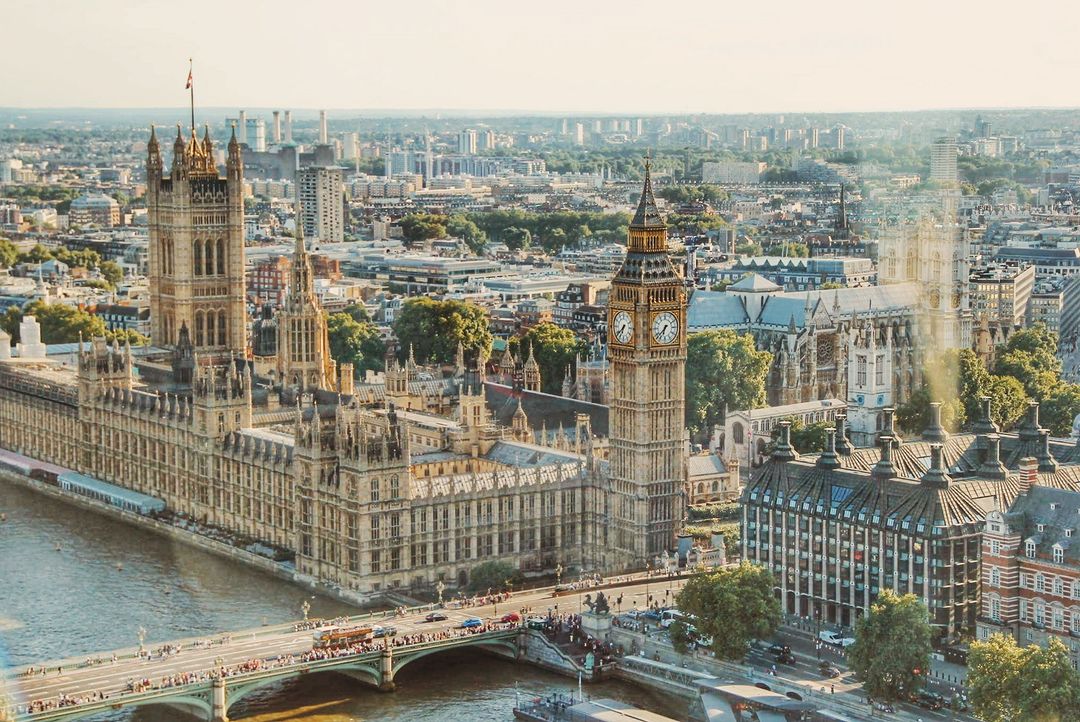
London is expensive (dorm beds AU$60-90, mid-range hotels AU$200-400) but it’s the right first stop. You can recover from the flight, sort SIM/banking setup, and get your booking momentum without language friction. Don’t try to “do all of London” — accept it as a four-night base.
Essentials (mostly free):
- British Museum (free): Rosetta Stone, Parthenon marbles. Half-day visit.
- Tate Modern (free): contemporary art on the South Bank.
- Walk: Westminster → St Paul’s via the river, ~2 hours. Hits Parliament, Big Ben, London Eye area, Tate Modern, Borough Market for lunch.
- Borough Market (Mon-Sat): food market that locals actually use. Lunch around £10-15.
- Pubs in Soho or Shoreditch: The Lamb & Flag, The French House, or anywhere in Spitalfields.
Worth paying for:
- Westminster Abbey (£29): if you do one paid attraction, this one. Coronation site, all the famous tombs.
- Tower of London (£35): Crown Jewels, Beefeater tours.
Skip: The London Eye (£40, queue 60+ min, view is decent but Tate Modern’s free viewing platform delivers similar height). Buckingham Palace tour (£32, only summer access, underwhelming). Madame Tussauds (£40, never).
Getting to Paris: Eurostar from St Pancras International, 2h 15min. AU$120-180 if booked 6-10 weeks out. Departs every 30-60 minutes. Arrive Gare du Nord in central Paris.
4 nights · iconic, but pace yourself
Paris is dense, expensive, and easier to overpack with sightseeing than any other city on this route. Four nights gives you time without the manic “I have to see everything today” energy. This is also your first Schengen entry — expect 5-15 min EES biometric queue at the border control as you exit the Eurostar terminal.
The big-ticket items worth doing:
- Louvre (€22, book online): half-day, focus on a few rooms rather than trying to see everything.
- Musée d’Orsay (€16): smaller than the Louvre, all the famous Impressionists, more enjoyable.
- Sacré-Cœur + Montmartre: free entry to the basilica, sunset from the steps is genuinely good.
- Marais walking: the old Jewish quarter, vintage shops, falafel at L’As du Fallafel (€8-10).
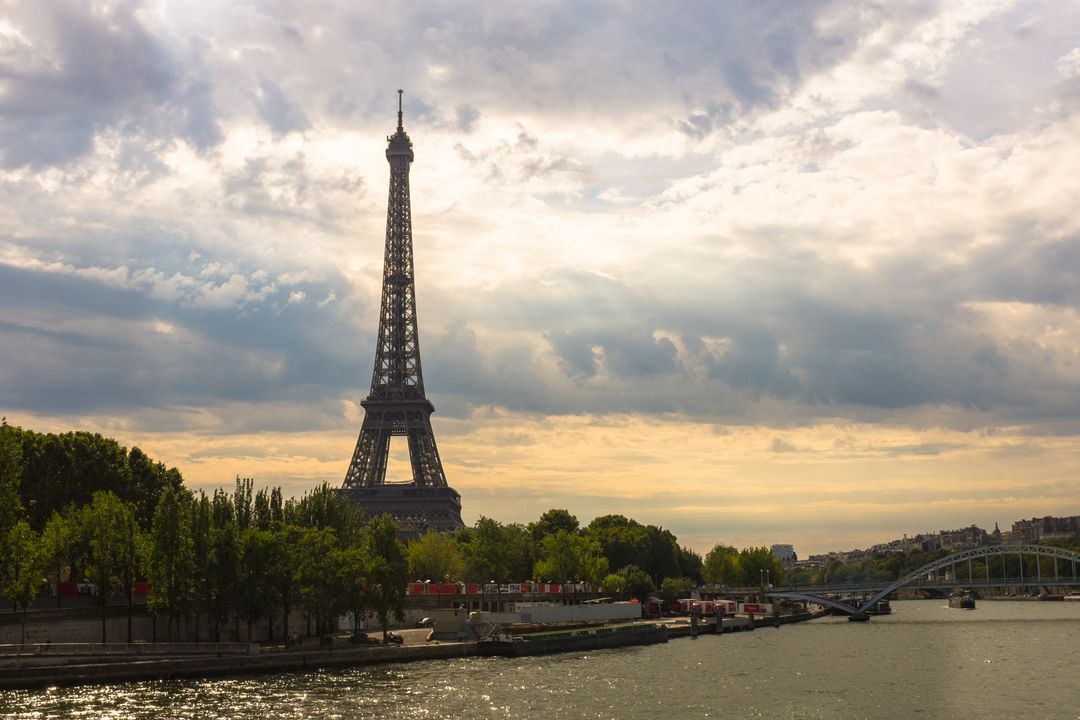
- Eiffel Tower: see from Trocadéro or Champ de Mars (free), skip the climb (€26+ for second floor, 90 min queue).
Pace advice: Do one major museum per day, not two. Walk between sights when distances are reasonable — Paris rewards walking more than the metro does.
Getting to Amsterdam: Thalys high-speed train from Gare du Nord, 3h 20min. AU$100-180 if booked 6-8 weeks ahead.
Week 2: Amsterdam, Berlin, Prague
3 nights · charming but pricey
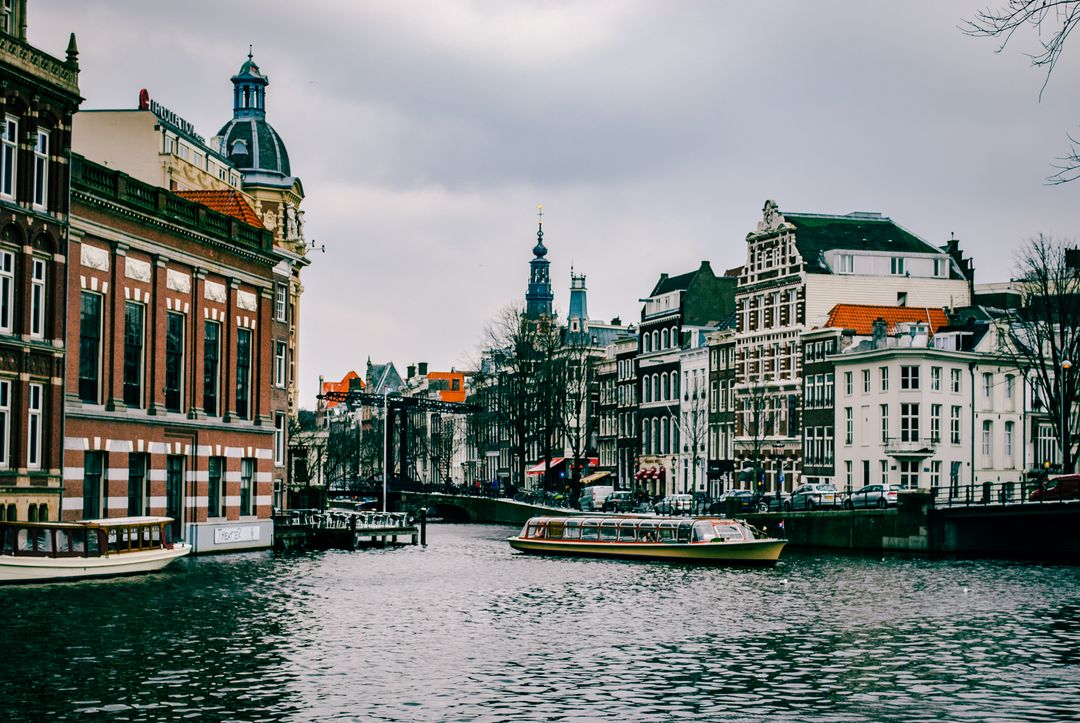
Three nights is right. Amsterdam is one of Europe’s most expensive cities (dorms AU$50-80, sit-down meals AU$30-50), but the canal-side walking and museum quality justify three days. Don’t extend unless you really love it.
Worth doing:
- Rijksmuseum (€22.50): Vermeer’s Milkmaid, Rembrandt’s Night Watch. Book ahead.
- Anne Frank House (€16): book online weeks in advance — tickets release 6 weeks ahead and sell out within hours.
- Canal walking: Jordaan neighbourhood, the Nine Streets shopping area, sunset along Prinsengracht.
- Rent bikes: €10-15/day, the way Amsterdam is meant to be navigated.
- Vondelpark for a chill afternoon.
Skip: The Heineken Experience (€23, just go to any bar). Red Light District tours after the city restricted them in 2023.
Getting to Berlin: ICE direct train ~6h 30min, AU$80-150. Or FlixBus ~8h, AU$40-60. The train is significantly more comfortable.
4 nights · the deepest stop on the route
Berlin earns more time than any other capital here. The city has layers — Cold War history, current creative culture, nightlife unlike anywhere else, neighbourhood diversity (Mitte vs Kreuzberg vs Neukölln vs Prenzlauer Berg are genuinely different). Four nights lets you find your own rhythm here.
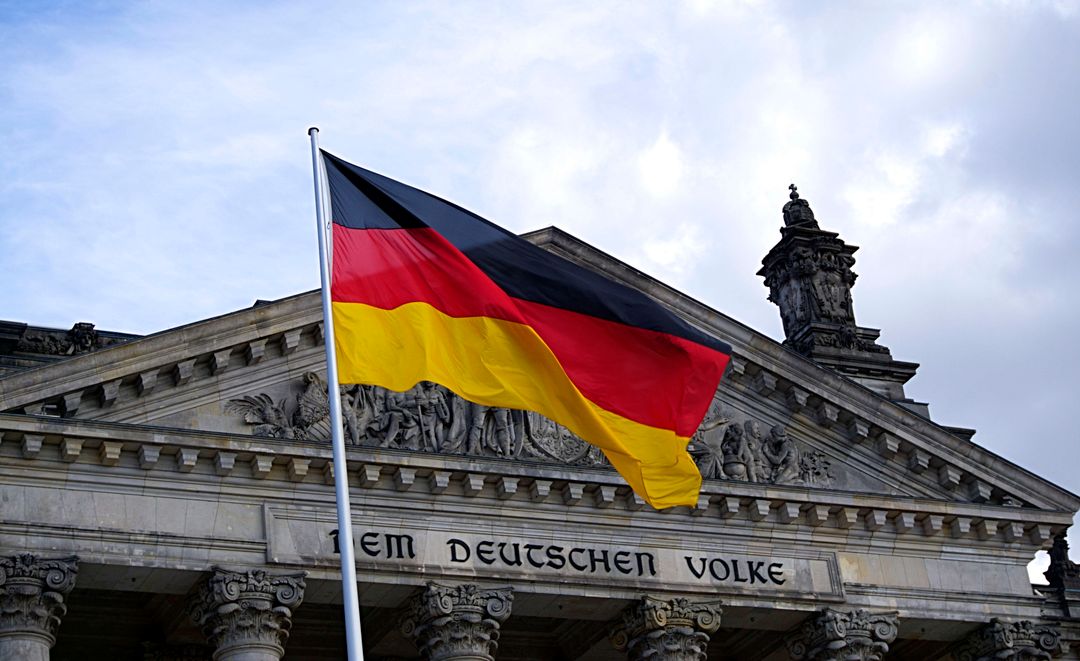
The history layer:
- East Side Gallery (free): longest remaining stretch of the Berlin Wall, painted by international artists.
- Memorial to the Murdered Jews of Europe (free): Peter Eisenman’s 2,711 concrete slabs. Information centre underneath.
- Topography of Terror (free): on the site of former Gestapo HQ. Excellent documentary museum.
- Checkpoint Charlie: free to see, the museum (€17.50) is hit-or-miss.
- Reichstag dome (free, book online weeks ahead): one of the best free views in Berlin.
The current culture:
- Markthalle Neun in Kreuzberg: street food Thursdays.
- Mauerpark Sunday flea market + outdoor karaoke (May-September).
- Berghain: world-famous club, no phones inside, notorious door policy. Or skip and try Sisyphos, About Blank, Tresor.
- Tempelhofer Feld: a decommissioned airport turned into a public park. Cycle or skate down the runways.
Getting to Prague: Direct train (EC) 4h 30min, AU$50-90. Reliable, comfortable, scenic through the Elbe valley.
3 nights · cheap and beautiful
After Berlin, Prague is a budget pivot. Dorm beds AU$25-40, beer cheaper than water (~AU$2-3 per pint), restaurants reasonable. The city’s beautiful but compact — three nights is enough to see the main sights without rushing.

The classics:
- Old Town Square + Astronomical Clock: free. Cross the Charles Bridge at sunrise (6-7am) before it gets packed.
- Prague Castle (250 CZK / ~AU$17): the world’s largest ancient castle complex. Half-day visit.
- Jewish Quarter (Josefov): 350 CZK combo ticket. Old Jewish cemetery is haunting.
- Letná Park / Beer Garden: sunset views over the city, beers ~AU$2.50.
Avoid: tourist traps around Wenceslas Square and exchange booths that advertise “0% commission” while offering an unattractive rate. Compare the actual amount you will receive. At an ATM, check its fee and decline unwanted home-currency conversion.
Getting to Vienna: RegioJet or ČD train 4h, AU$25-45. One of the cheapest train legs on the whole route.
Week 3: Vienna, Budapest
3 nights · elegant reset city
Vienna is the route’s reset stop — efficient, clean, walkable, with the best classical music venues in Europe and a coffeehouse culture that rewards slowing down. Three nights is the right dose; longer and you risk it feeling stiff.
Worth doing:
- Schönbrunn Palace + gardens (€26 Imperial Tour): the Habsburg summer palace. Don’t miss the Gloriette viewpoint at the top of the gardens.
- Belvedere Palace (€16): Klimt’s “The Kiss” lives here.
- St. Stephen’s Cathedral (free entry, €6 for towers).
- Naschmarkt: open-air food market, lunch around €10-15.
- Coffeehouse culture: Café Sperl, Café Central, Demel. Order a Melange (Viennese cappuccino), Sachertorte, and sit for an hour — it’s the local custom.
- Standing-room opera tickets at the Wiener Staatsoper (€10-15): queue 80 min before performance for one of the world’s great opera experiences at the cost of a beer.
Getting to Budapest: Railjet 2h 40min, AU$25-40. One of the easiest train legs in Europe.
4 nights · the value city
Budapest is the budget reset of the entire route. Dorms AU$20-35, restaurant meals AU$10-20, ruin bars cheaper than Prague. Four nights lets you actually slow down — and the thermal baths reward a half-day commitment.
Don’t miss:
- Széchenyi Thermal Baths (~6,500 HUF / AU$25 weekday): Europe’s largest medicinal bath complex. Spend 3-4 hours. Bring flip-flops.
- Buda Castle Hill: free walking, paid museums. Fisherman’s Bastion gives the best Pest skyline shots.
- Hungarian Parliament tour (~6,000 HUF / AU$24): book online, only English tours sell out fastest.
- Ruin bar crawl in District VII: Szimpla Kert is the original, Mazel Tov for food + atmosphere, Instant-Fogas for late nights.
- Sunset cruise on the Danube (~5,000-8,000 HUF): the Parliament lit at night is genuinely worth a photo.
- Goulash + chimney cake: try at Belvárosi Lugas, not the touristy Castle Hill restaurants.
Getting to the coast: Budapest → Split is a long day (10-12h by train via Zagreb) or a 1h 20m flight (AU$80-150 on Wizz Air or Ryanair). Budapest → Tirana for Albania involves connections — flying via Vienna or Belgrade is usually fastest.
Week 4: Coast finish — Croatia or Albania
The final 5 days don’t end in another capital. After three weeks of cities and trains, the coast is what makes the trip feel complete. Two strong options depending on budget and preference:
🇭🇷 Option A: Croatia (easier)
Split (3 nights) + Hvar (2 nights):
- Split: Diocletian’s Palace (free to wander), Riva promenade, day trip to Krka or Plitvice waterfalls (~AU$80-120 tour)
- Hvar: ferry from Split (1h, AU$15-25), beach days, Pakleni Islands boat trip
- Cost: dorms AU$45-70, mid-range hotels AU$120-200 in peak season
- Fly out of Split (SPU) — direct to most European hubs
Best for: first-time travellers, easy logistics, English widely spoken.
🇦🇱 Option B: Albania (better value)
Sarandë (2 nights) + Ksamil (3 nights):
- Sarandë: Albanian Riviera base, walkable promenade, day trip to Butrint UNESCO ruins (~AU$15)
- Ksamil: arguably Europe’s clearest water, “Albanian Maldives” beaches, ferry to Corfu day trip option
- Cost: dorms AU$20-35, private rooms AU$50-90 in peak season
- Fly out of Tirana (TIA) — most flights connect via Vienna or Rome
Best for: tighter budgets, slower pace, travellers wanting somewhere less mainstream than Croatia.

A coast finish isn’t filler. It’s what stops the trip ending in city fatigue and makes the whole month feel balanced.
Do you need a Eurail Pass?
For this exact route, almost certainly no. Let’s run the numbers:
| Train leg | Point-to-point (booked 6-10 weeks ahead) | Last-minute |
|---|---|---|
| London → Paris (Eurostar) | AU$120-180 | AU$250-350 |
| Paris → Amsterdam (Thalys) | AU$100-150 | AU$200-280 |
| Amsterdam → Berlin (ICE) | AU$80-130 | AU$180-240 |
| Berlin → Prague (EC) | AU$50-90 | AU$80-120 |
| Prague → Vienna (RegioJet) | AU$25-45 | AU$45-70 |
| Vienna → Budapest (Railjet) | AU$25-40 | AU$45-65 |
| Total train costs | AU$400-635 | AU$800-1,125 |
A Eurail Global Pass (7 days flexible within one month) runs ~AU$540 for adults. Add reservation fees for the high-speed trains (Eurostar, Thalys, Railjet — about AU$25-40 each) and you’re at AU$700+. Plus Eurostar requires a separate reservation and isn’t included on all Eurail Global passes.
Buy point-to-point if you can book 6-10 weeks ahead. Consider a pass only if:
- You’re booking late and standard fares are already at peak prices
- You want flexibility to change cities on the fly
- You’re adding side trips (Brussels, Munich, Salzburg, Bratislava) beyond the core route
Compare current prices: Omio for point-to-point vs Eurail Global Pass on Klook.
Real budget breakdown
Costs based on peak summer (June-August) 2026 prices, mid-range Australian backpacker doing this exact route.
| Category | Budget (hostels) | Mid-range (mix) | Comfortable (privates) |
|---|---|---|---|
| Accommodation (29 nights) | AU$1,500 | AU$2,800 | AU$5,500 |
| Trains + 1 budget flight | AU$550 | AU$700 | AU$900 |
| Food (avg AU$40-90/day) | AU$1,200 | AU$1,800 | AU$2,700 |
| Activities + entry fees | AU$600 | AU$900 | AU$1,200 |
| Local transport + taxis | AU$200 | AU$300 | AU$400 |
| eSIM, insurance, ETA, contingency | AU$450 | AU$500 | AU$600 |
| Total in-Europe | AU$4,500 | AU$7,000 | AU$11,300 |
| Return flights from Australia | AU$1,800 | AU$2,400 | AU$3,000 |
| Grand total | AU$6,300 | AU$9,400 | AU$14,300 |
Where people accidentally blow budget:
- Eurostar booked in the last 2 weeks (AU$300 vs AU$150 if booked early)
- Private rooms in London/Paris/Amsterdam instead of hostels (doubles accommodation costs)
- Bad bank card setup — using a CommBank/Westpac card overseas costs ~AU$30-60 extra per week in fees
- Taxis instead of trams (Lyft/Uber/Bolt at AU$15-30 a ride adds up)
- Tourist-trap restaurants near major sights instead of 100m off the main streets
Sort the essentials before you fly
Before departure, check entry requirements, travel-money access, mobile data and suitable insurance. The time and money saved depend on your trip and existing services.
Australians: Ubank · $30 offer · AFWLLL7
Explore Wise
Saily Europe eSIM →
SafetyWing →
Up and Ubank: offer and account conditions
FAQ
Is one month enough for Europe?
Yes — for a strong first trip with 7-8 stops. The route here keeps train legs short and gives each stop enough time to breathe. If you try to squeeze in Rome, Florence, and Barcelona on top, you’ll burn out by week 3.
Should I start in London or fly direct to Europe?
London for Australians, almost always. Three reasons: (1) jet lag in an English-speaking city is easier, (2) UK days don’t count toward your Schengen 90/180 allowance, (3) direct flights from Sydney/Melbourne/Perth to London are competitive with flights to Paris/Amsterdam/Frankfurt. The £16 ETA is a minor cost vs the structural benefit.
Do I need to apply for ETIAS in 2026?
Not unless you’re travelling in Q4 2026 or later. ETIAS launches in late 2026 with a transition period. EES (the biometric system) is already operational since April 10, 2026 — you’ll register fingerprints + face on your first Schengen entry. No advance app needed for EES, though you can pre-load your data via the free “Travel to Europe” mobile app.
How much cash should I carry?
Carry a modest euro buffer for tips, markets and cash-only businesses. Our recommendation is Ubank for eligible Australians or Wise for international readers where available. When you need cash, use an established bank ATM, check its fee and choose local-currency conversion. Card limits and Wise’s country-specific withdrawal allowance still apply.
Trains or budget flights?
Trains for the core route. They’re faster city-centre to city-centre once you account for airport transfers (90 min on each side for budget airlines). Use budget flights only for the longest legs where trains exceed 8-10 hours — for this route, the only flight worth taking is Budapest → Split or Budapest → Tirana for the coast finish.
Is travel insurance really necessary?
Yes. An overnight hospital stay in Germany or France runs €1,000-3,000. Lost luggage on Eurostar can hit AU$1,000+. SafetyWing at about US$2/day is cheap insurance against the catastrophic case. Australian Medicare doesn’t cover overseas treatment except in countries with reciprocal agreements (UK, Italy, Ireland, etc.) — and even then, it’s limited.
Will I get robbed?
Statistically, no — but pickpocketing is real on metros in Paris, Rome, Barcelona, and at major tourist sights. Standard precautions: front pocket or money belt, phone in zipped pocket, don’t display valuables on metro platforms, avoid putting your phone on café tables in tourist areas. Violent crime against tourists is rare in the cities on this route.
Best time to do this route?
Late May to early July, or September: mild weather, lower prices than peak August, fewer queues at major attractions. August: peak heat in Paris/Rome/Madrid (35-40°C), peak crowds, peak prices — but the coast finish is at its best. October: shoulder pricing, beautiful autumn light, but coast finish gets chilly. Avoid: Christmas/New Year (prices spike, daylight is 8 hours), February-March (cold and miserable in northern cities).
Related Backpacking Is Life guides
Helpful next reads for planning the same trip, money setup, or travel tech.
Entry requirements checked against UK GOV.UK, EU Entry/Exit System portal, and Smartraveller. EES became fully operational April 10, 2026. ETIAS expected Q4 2026 — check before booking late-year trips. Disclosure: Some links are affiliate — book through them and Backpacking Is Life earns a small commission at no extra cost to you. Not financial advice.
Ubank $30 signup offer · code AFWLLL7
Eligible new customers must join by 24 October 2026, enter AFWLLL7 on the About you screen and make five eligible card purchases that settle in the first 30 days. Both participants must be 18+; customers who closed all their Ubank Spend and Save accounts in the preceding 12 months are excluded. Allow up to 45 days after meeting the criteria for payment. Full offer terms. We may receive a referral benefit. International readers should check Wise card availability and local fees.