
Best Travel Card for Sri Lanka for Australians (2026)
The simplest card and cash setup for Australians travelling Sri Lanka: what to use for ATMs, hotels, tuk-tuks, trains and beach towns.
Ubank first. Wise for international money.
Our first Australian banking recommendation for Sri Lanka is Ubank. Use its Spend account for everyday banking and overseas card spending; compare Wise when you need international transfers, foreign-currency balances or a separate backup.
Our recommendation is Ubank for eligible Australian readers spending from AUD, and Wise for international readers where its card is available. Ubank does not charge its own overseas purchase or ATM-withdrawal fee. Wise conversion and withdrawal fees depend on where your card was issued; local ATM charges and card limits can still apply.
$30 Ubank signup bonus: enter AFWLLL7 on the About you signup screen and make five eligible card purchases that settle within your first 30 days. Participants must be 18+. Payment can take up to 45 days after requirements are met; returning-customer restrictions apply. Full offer terms.
We may earn a commission or referral reward through these links. Check the account terms and fees before opening an account.
Start with Ubank for Australian banking and overseas spending in Sri Lanka. Add Wise for international money and a second card, then plan local cash and transport payments separately.
Sri Lanka is not a place where you should rely on card everywhere. You can use cards in many hotels, cafes and larger businesses, but cash still matters for everyday travel.
That makes the best setup boring: one strong no-international-fee Australian card, one backup card, and a plan for ATM withdrawals that does not involve panic-withdrawing from the first machine you see.

Ubank: our first Australian account for Sri Lanka
Ubank’s Spend account and Visa debit card let an Australian traveller keep home banking and travel spending together. Ubank charges no international card-payment fee or overseas ATM-withdrawal fee. Visa converts a foreign-currency transaction into AUD; an ATM owner can still add its own charge.
That makes it useful for a trip involving both merchant payments and cash withdrawals. It does not mean every transaction is free or that every ATM will accept your card. Review the machine’s fee screen, withdraw within your account limits and keep a second card separate.
Where Wise adds value
Ubank is an AUD account, so it does not replace a multi-currency wallet or an international-transfer service. Compare Wise when you want to hold a currency, send money abroad or receive supported overseas payments. Its Australian physical card costs A$10; ATM withdrawals are free from Wise up to A$400 per month, then 2.69% on the amount above that allowance. Conversion fees and ATM-owner charges are separate.
Up account comparison
Up is included for readers comparing its budgeting tools and Mastercard spending. Ubank remains our main recommendation for eligible Australians.
Ubank Spend account · Ubank fees and limits · Wise Australian card pricing
The best simple setup
Ubank — first Australian choice
Use Ubank for your Australian banking and card spending overseas. Add Wise for international transfers or currency balances, and carry a separate backup card.
2. Wise
Use it as a backup and for international transfers, especially if you want transparent currency conversion.
3. YouTrip or Revolut
Useful as extra redundancy if you want another card in a separate wallet or phone.
Card comparison
| Card | Useful fees and limits | Best use |
|---|---|---|
| Ubank$30 signup bonus Code AFWLLL7 | No Ubank international card-payment or overseas ATM fee; operator fees and account limits apply | First Australian account for everyday banking and overseas spending |
| Up Bank | 0% Up international transaction fee. Up does not charge its own international ATM withdrawal fee at most major bank ATMs, but the ATM owner can still charge. Up debit card is free. | Main Australian travel debit card for spending and ATM withdrawals. |
| Wise | Physical card costs 10 AUD, digital card is free, express delivery from 16 AUD, replacement card 6 AUD. ATM withdrawals are free up to and including A$400/month, then 2.69% on the amount over A$400. | Backup card, multi-currency balances and international transfers. |
| YouTrip | No overseas transaction fee, no currency exchange fee, no card issuance/setup fee, no annual fee and free Visa/Mastercard top-ups. Overseas ATM withdrawals are free up to AUD 1,500/month, then 2%; local ATM withdrawals are free up to AUD 400/month, then 2%. Replacement card: AUD 5. | Extra travel wallet if you want a second prepaid-style card. |
| Revolut | No monthly fee. ATM allowance is A$350 or 5 withdrawals per rolling month, then 2% with a minimum A$1.50. Fiat exchange is A$0 during market hours up to A$2,000/month; weekend/over-limit fees apply. | Feature-heavy backup card if you understand the limits. |
Set your cards up before you fly
The best travel card is the one you test while still in Australia, not the one you panic-order at the airport.
Cash, ATMs and payment habits in Sri Lanka
Carry Sri Lankan rupees for tuk-tuks, small guesthouses, markets, local restaurants, buses and tips. Use bank ATMs where possible, decline dynamic currency conversion if offered, and withdraw enough to reduce repeated ATM fees without carrying silly amounts of cash.
Hotels and nicer restaurants may accept cards, but a cash backup will save you from awkward moments in smaller towns.

The cardstack I would carry
For Australians travelling to Sri Lanka, I would not rely on one card. Take one main debit card, one backup debit card, and ideally one credit card or spare card that can handle deposits or emergencies. Store them separately. If your wallet disappears, your second cardshould not disappear with it.
Ubank — first Australian choice
Use Ubank for your Australian banking and card spending overseas. Add Wise for international transfers or currency balances, and carry a separate backup card.
Backup: Wise
Useful for transparent conversion and international transfers. Watch the A$400 monthly ATM threshold.
Extra wallet: YouTrip
Strong if you value the bigger overseas ATM allowance and want another separate travel wallet.
Feature backup: Revolut
Useful only if the A$350/5-withdrawal Standard allowance and exchange rules fit your trip.
The mistake is opening five cards and testing none of them. Before leaving Australia, make a purchase, withdraw a small amount if needed, confirm your PIN, add the card to your phone wallet and make sure app notifications work. Travel is not the time to discover that your card never arrived or your app login needs a phone number you no longer use.
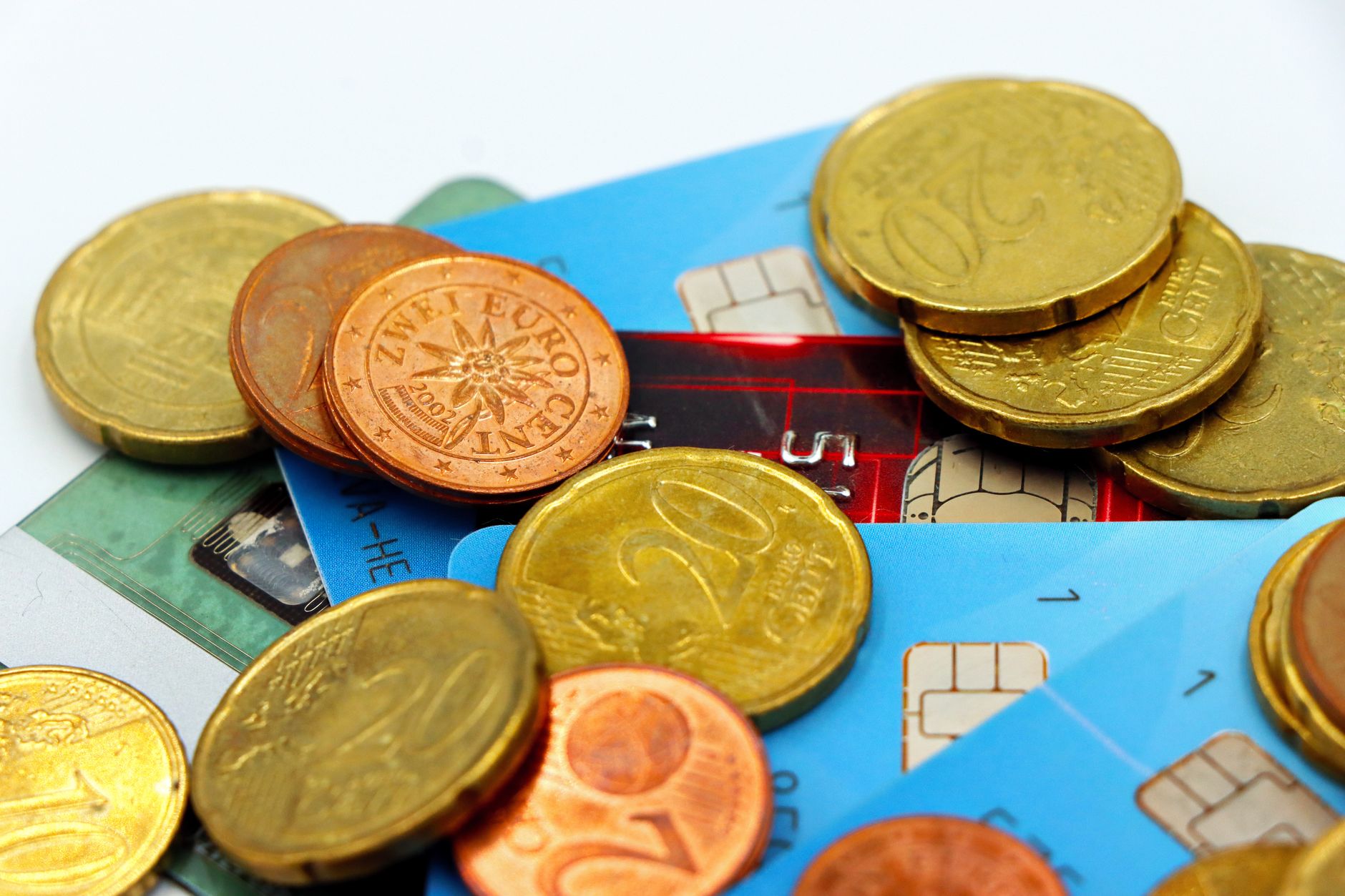
ATM strategy
Use bank ATMs where possible and avoid random standalone machines in nightlife or tourist strips. The safest pattern is to withdraw during the day, inside or beside a bank branch, then store most of the cash somewhere separate from your daily wallet.
Always choose to be charged in the local currency if the ATM offers a choice. Dynamic currency conversion sounds helpful because it shows AUD, but the exchange rate is usually worse. Let your own card provider do the conversion instead.
Withdraw enough to reduce repeated ATM fees, but not so much that losing your wallet ruins the trip. The right amount depends on how cash-heavy Sri Lanka is, how remote your route gets, and whether your accommodation accepts card.
Dynamic currency conversion: the quiet fee
Dynamic currency conversion is one of the easiest travel-money mistakes to avoid. When a terminal or ATM asks whether you want to pay in AUD or local currency, choose the local currency. The AUD option lets the merchant or ATM provider choose the exchange rate. It feels transparent, but it is usually expensive.
This applies even if your card has no international transaction fee. A good card can still be undermined by accepting a bad conversion at the terminal. Train yourself to look for the currency prompt every time you pay.
Deposits, hotels and rental cars
Debit cards are excellent for daily travel spending, but deposits can be messier. Hotels, rental cars and some activity providers may place holds that reduce your available balance. Some rental companies prefer credit cards for bonds. Others accept debit cards but apply stricter conditions.
If your Sri Lanka trip includes a rental car, read the deposit rules before booking. Do not assume the same card that works perfectly at cafes will be accepted for a vehicle bond. Keep enough spare balance for holds, and avoid using your only travel card for a large deposit if it will leave you short on daily cash.
If your cardstops working
- Main Australian account: Ubank for everyday banking and overseas card spending.
- Try the same card through mobile wallet and physical card; sometimes one works when the other fails.
- Try a different ATM or merchant network before assuming the card is blocked.
- Check the bank app for security alerts and unlock controls.
- Switch to your backup card and solve the problem somewhere calm.
- If you are travelling with someone, split cards and cash between bags so one lost wallet does not become a full emergency.
This is why backup cards matter. The cost of carrying one extra card is tiny compared with the stress of being overseas with no working payment method.
A simple travel-money routine
Keep the daily spending balance modest, then top it up from a separate savings account as you travel. That limits the damage from card loss and helps you see whether the trip is running hot or cold against your budget.
I also like reviewing transactions every few days. Look for duplicate hotel charges, ATM fees, refunds that have not arrived, or subscriptions that renewed while you were away. Travel spending gets messy quickly; small checks prevent end-of-trip surprises.
How each card earns its place
Wise earns its place as the international-money backup. It is useful if you want transparent conversion, currency balances, international transfers or a card that sits slightly outside your normal bank setup.
YouTrip can work well as an extra travel wallet, especially if you value the AUD 1,500/month overseas ATM allowance before the 2% fee kicks in. I would not make it the only card, but it is useful redundancy.
Revolut is good for people who like app controls and extra features. Standard has no monthly fee, but the A$350/5-withdrawal ATM allowance, A$2,000 exchange fair-usage limit and weekend exchange fee matter before you rely on it heavily.
Pre-trip card checklist
- Confirm your card expiry dates and order replacements early if needed.
- Test each card with one purchase before leaving Australia.
- Set or confirm PINs for physical cards.
- Add cards to Apple Pay or Google Wallet and test contactless payment.
- Download banking apps, enable notifications and make sure login recovery works overseas.
- Store emergency numbers and card-lock instructions somewhere offline.
How much cash should you carry?
Carry enough cash to solve normal travel problems, not enough to create a new one. I like having a small daily wallet amount and a separate backup stash. The backup is not for shopping; it is for transport, food, accommodation issues or a card outage.
Split cash and cards between bags when moving between cities. Do not keep every payment method in the same phone case or wallet. Convenience is lovely until it becomes a single point of failure.
Emergency money plan
Before you go, decide who could send you emergency money and how. Wise can be useful here, but so can a normal bank transfer to a backup account. The point is to have a path that does not depend on the one card that just failed.
If you are travelling with someone, do not mirror each other’s setup exactly. Different banks and card networks reduce the chance that one outage, freeze or lost wallet affects both people the same way.
Example setups by trip style
Short holiday
Backpacker route
Ubank for eligible Australian readers, or Wise for international readers where available, plus a physical backup and cash. Withdraw cash in larger towns and split cards between secure locations.
Comfort trip
Use card for hotels and restaurants, keep cash for local transport and small shops, and review transactions every few days.
Exchange-rate habits that matter
You do not need to obsess over tiny exchange-rate movements on a normal trip. The bigger wins are avoiding foreign transaction fees, avoiding dynamic currency conversion, avoiding bad airport exchange counters, and not withdrawing tiny cash amounts repeatedly from fee-heavy ATMs.
If you want to monitor rates, do it before moving larger amounts, not before every coffee. Wise is helpful for understanding the real mid-market rate. For daily spending, a good no-international-fee card is usually enough.
Airport money traps
Airports are convenient and often poor value. Avoid changing large amounts of cash at airport exchange desks unless you have no alternative. If you need cash on arrival, use a bank ATM where possible, decline AUD conversion and withdraw a practical amount.
Also be careful with airport SIM-card counters, transport desks and hotel transfer desks that push card payments in AUD. The same rule applies everywhere: pay in local currency when given the choice.
After the trip
Keep the card active if it is useful, but tidy the setup when you get home. Withdraw or move leftover balances, cancel cards you opened only for a specific promo if you will not maintain them, and check refunds from hotels, rental cars or deposits.
After the trip, review which cards worked and what you paid in fees. Resolve any recurring declines or unexpected charges before your next journey.
Mistakes that cost Australians money
- Assuming Sri Lanka is card-first. It is not.
- Accepting AUD conversion at an ATM or card terminal. Pay in local currency.
- Travelling with one card only. Bring at least two cards stored separately.
- Leaving ATM withdrawals until tiny towns. Withdraw in larger centres when practical.
FAQ
Can Australians use Up Bank in Sri Lanka?
Yes, anywhere Mastercard is accepted, but local ATM and merchant acceptance still vary.
Is cash or card better in Sri Lanka?
Both. Use card for larger formal payments and cash for everyday travel.
Should I bring Wise to Sri Lanka?
Yes as a backup card and for transparent currency conversion, but remember the A$400 monthly ATM threshold.
Sri Lanka money setup
For the broader card stack behind this guide, compare MoneyHackHQ’s best travel cards for Australians.
Disclosure: This guide contains affiliate links and referral links. Product terms, ATM fees and exchange rates change, so confirm the final card terms before you travel.
Up: offer and account conditions
Up: ordinary Savers earn 5.35% p.a. Grow when untouched, up to the combined $250,000 individual Grow cap, or 2.00% p.a. Flow when accessed. First make five qualifying debit-card purchases in the calendar month; otherwise ordinary Savers earn 0.00%. The 2Up Grow cap is separate. Essentials earns 2.00% Flow without the purchase requirement until 28 February 2027. Up rates and conditions.
Up travel: no Up international transaction or ATM-withdrawal fee; ATM operators can charge separately. The card uses Mastercard’s exchange rate. Daily withdrawal limits still apply: the standard ATM cash-out limit is $1,000, subject to approved variations. Up currently advises allowing 15–20 business days for a physical card. Up travel information.
Deposit protection: eligible Up deposits share Bendigo and Adelaide Bank’s $250,000-per-person FCS limit; Ubank deposits share NAB’s limit. These are limits per person per institution, not per account. Rates are variable. Account eligibility and identity checks apply.
Ubank $30 signup offer · code AFWLLL7
Eligible new customers must join by 24 October 2026, enter AFWLLL7 on the About you screen and make five eligible card purchases that settle in the first 30 days. Both participants must be 18+; customers who closed all their Ubank Spend and Save accounts in the preceding 12 months are excluded. Allow up to 45 days after meeting the criteria for payment. Full offer terms. We may receive a referral benefit. International readers should check Wise card availability and local fees.