
Backpacking Is Life · Updated September 2026
The Perfect 2-Week Sri Lanka Itinerary (2026)
For international money, compare Wise for holding and converting currencies. Conversion, card and ATM fees apply; card availability depends on where you live.
Check Wise card availability for your home country before ordering a card.
We may receive a commission or referral benefit through our links. This does not make an account suitable for everyone.
Cultural Triangle → tea-country trains → wildlife safari → southern beaches. The classic island loop, with current visa rules, the post-cyclone rail situation, and real budgets.
The 30-second answer
- The route: Negombo → Sigiriya/Dambulla → Kandy → Ella → Yala safari → Mirissa/Unawatuna → Galle → Colombo
- Visa: Tourist ETA ~US$50 (US$20 SAARC) via official eta.gov.lk only. Visa-free scheme for 40 countries announced for 2026 but repeatedly delayed — check before you go.
- Budget: US$25-40/day backpacker, US$60-100 mid-range, excluding flights.
- Best time: December-March for this west/south route.
- Travel money: Our recommendation is Ubank for eligible Australian readers, and Wise for international readers where its card is available. Ubank charges no fee of its own for overseas purchases or ATM withdrawals; Wise conversion and withdrawal fees depend on where your card was issued. Local ATM charges and card limits can still apply.
- Book early: Kandy-Ella train reserved seats (30 days ahead via 12Go), Yala safari, eSIM, insurance.
Ubank $30 signup offer · referral code AFWLLL7
Eligible new customers must join by 24 October 2026, enter AFWLLL7 on the About you screen and make five eligible card purchases that settle in the first 30 days. Both participants must be 18+; customers who closed all their Ubank Spend and Save accounts in the preceding 12 months are excluded. Allow up to 45 days after meeting the criteria for payment. Full offer terms. We may receive a referral benefit. International readers should check Wise card availability and local fees.
Sri Lanka is the rare destination that delivers four completely different trips in one compact island: ancient rock fortresses and Buddhist temples in the Cultural Triangle, misty tea highlands threaded by the world’s most beautiful train ride, leopards and elephants in the national parks, and a southern coastline of palm-backed beaches and a perfectly preserved Dutch fort. You can experience all of it in two weeks — and at prices that make most of Asia look expensive.
This itinerary covers the classic anticlockwise loop that works best for a first trip, with honest advice on what to prioritise, what’s overhyped, and the logistics that genuinely matter in 2026 (including the rail disruption most older guides don’t mention).
The route at a glance
| Days | Where | Why |
|---|---|---|
| 1-3 | Negombo → Sigiriya / Dambulla | Ease off the flight, then the Cultural Triangle — Sigiriya rock fortress, Dambulla caves |
| 4-5 | Kandy | Temple of the Tooth, Royal Botanical Gardens, lake, cultural heart of the island |
| 6-8 | Ella + hill country | The famous tea-country train, Nine Arch Bridge, Little Adam’s Peak, waterfalls |
| 9-10 | Yala (or Udawalawe) safari | Leopards, elephants, the wildlife leg of the trip |
| 11-13 | Mirissa / Unawatuna / Weligama | South coast beaches, whale watching, surfing, slow days |
| 14 | Galle → Colombo airport | Dutch fort old town, final stroll, easy coastal road/train to the airport |
Why anticlockwise? It builds naturally from culture → mountains → wildlife → beach, ending on the relaxing south coast near the airport. You’re never backtracking, and the beach finish means you fly home rested rather than templed-out. The whole loop is roughly 700-800km but feels longer because Sri Lankan roads and railways are scenic-slow, not fast.
Before you go: the 2026 essentials
🛂 Visa (ETA): Most nationalities need a tourist ETA — around US$50 (US$20 for SAARC nations like India), granting a 30-day double-entry stay. Sri Lanka announced visa-free entry for 40 countries from January 2026, but this has been repeatedly delayed pending parliamentary approval and may or may not be live when you travel. Apply only through the official eta.gov.lk — countless third-party sites charge US$80-100 for the same thing. Approval usually arrives within 24-72 hours; apply at least a week ahead.
🚆 Important — the hill country railway: The Colombo-Kandy-Ella line suffered cyclone damage in late 2025, and full service had not been restored on all sections as of early 2026. The famous Kandy-Ella train may be partially replaced by bus on some segments, or running on an altered schedule. Check current status before finalising your dates — the excellent Seat61 Sri Lanka page and Sri Lanka Railways are the most reliable sources. This itinerary assumes the train is running; if it isn’t, the same route works by private driver or bus.
🚖 Getting around: Three options. Trains for the scenic hill-country legs (cheap, beautiful, book reserved seats 30 days ahead). Private driver for the whole trip (~US$50-70/day including fuel — surprisingly affordable split between 2-4 people, and the most common way tourists do this loop). Buses for the budget option (dirt cheap, crowded, an adventure). Most travellers mix trains for the pretty bits and a driver or tuk-tuk for the rest.
Book these before you fly
A bit of pre-trip setup saves money and stress — particularly the data plan, insurance, and the train seats that sell out a month ahead.
📱 Sri Lanka eSIM
Skip the airport SIM queue. Saily Sri Lanka installs before you land and activates on arrival — essential for maps, PickMe (the local ride app), and booking. Alternatives: Airalo or Yesim. A local Dialog/Mobitel SIM at the airport is also cheap if you prefer physical.
🚆 Train tickets
The Kandy-Ella reserved seats sell out ~30 days ahead. 12Go Asia is the easiest booking platform for foreigners (accepts international cards, email confirmation). Book as early as possible during high season.
🏥 Travel insurance
Tuk-tuks, scooters, safari jeeps, and rural roads make insurance a genuine must. SafetyWing covers Sri Lanka from ~about US$2/day, can be bought after you’ve already left home, and is built for long trips.
🎟️ Tours & safari
Yala safari, Sigiriya tickets, whale watching, and cooking classes book well through Klook or GetYourGuide — handy for locking in the safari before peak-season jeeps fill up.
🏨 Accommodation
Sri Lankan guesthouses are superb value (US$15-40 for great rooms). Compare on Trip.com for hotels, or Hostelworld for social hostels and dorms.
Days 1-3: Arrival & the Cultural Triangle
Land in Colombo, overnight in Negombo
Bandaranaike International Airport (CMB) is actually closer to Negombo than to Colombo, so unless you have a reason to be in the capital, head straight to Negombo (15 minutes away) for your first night. It’s a relaxed beach town that lets you recover from the flight without the chaos of Colombo. Grab a seafood dinner, sleep off the jet lag.
Stay: Negombo guesthouses run US$15-35. Tip: arrange your onward transport to Sigiriya for the morning — a driver (~US$45-55) or the bus via Kurunegala.
Transfer to Sigiriya / Dambulla
The drive north (~3-4 hours) takes you into the Cultural Triangle, Sri Lanka’s ancient heartland. Base yourself near Sigiriya or Dambulla. In the afternoon, visit the Dambulla Cave Temple (entry ~US$10) — five caves of golden Buddha statues and ceiling murals dating back over 2,000 years. Save Sigiriya itself for tomorrow’s sunrise.
Optional: if you’d rather have wildlife than ruins, Minneriya National Park nearby is famous for “The Gathering” — hundreds of wild elephants congregating (best July-September).
Climb Sigiriya Rock at sunrise
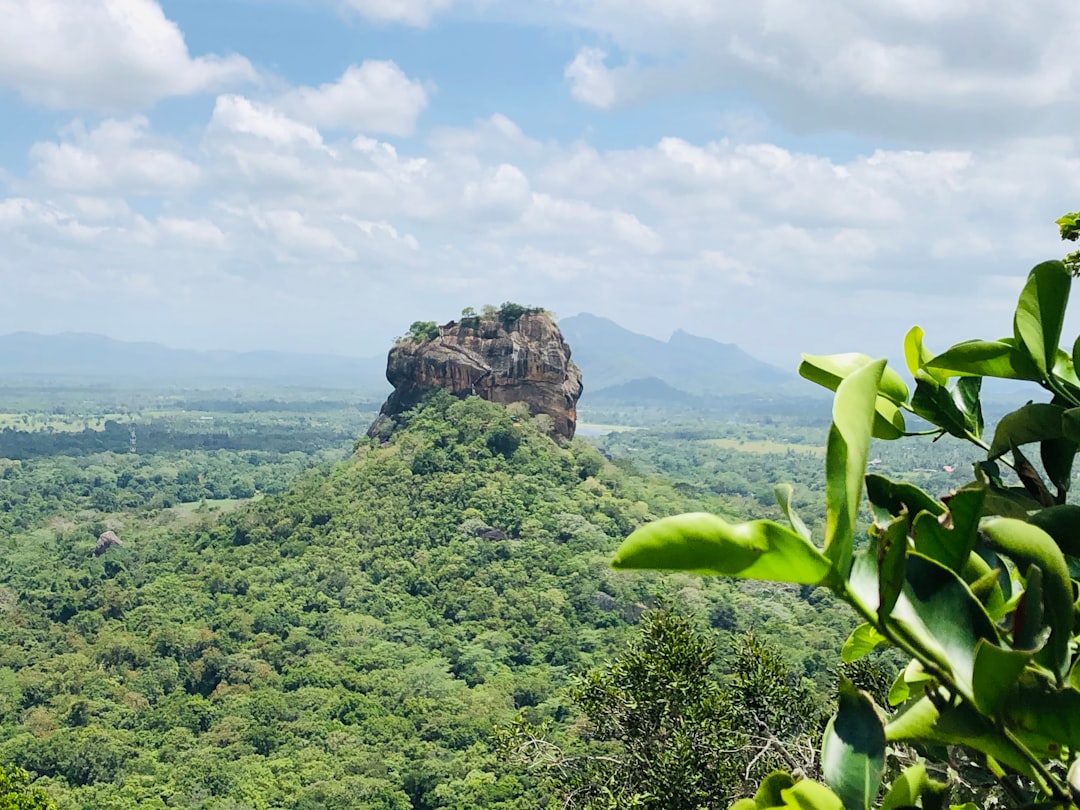
Sigiriya (Lion Rock) is the icon of the Cultural Triangle — a 200m volcanic rock plug topped by the ruins of a 5th-century royal palace, with ancient frescoes and the famous lion-paw gateway halfway up. Entry is steep (~US$30 for foreigners) but it’s genuinely worth it. Go at opening (7am) to beat both the heat and the crowds.
Budget alternative: Climb Pidurangala Rock opposite instead (~US$3) — less famous, a scrambly hike, and you get the iconic view of Sigiriya rather than from it. Many travellers do Pidurangala for sunrise and skip the pricey Sigiriya climb entirely.
Afternoon: transfer to Kandy (~2.5-3 hours by car), or take the scenic route via a spice garden.
Days 4-5: Kandy
The cultural capital
Kandy, the last royal capital of Sri Lanka, sits in a misty bowl of hills around a serene central lake. It’s the spiritual heart of the country and a gentle place to spend two nights before the hill country.
Don’t miss:
- Temple of the Sacred Tooth Relic (Sri Dalada Maligawa) — houses a tooth of the Buddha, the island’s holiest site. Go for the evening puja ceremony. Entry ~US$5, dress modestly (knees and shoulders covered).
- Royal Botanical Gardens, Peradeniya — 60 hectares of orchids, giant bamboo, and an avenue of palms. A relaxed half-day.
- Kandy Lake walk at sunset, and the viewpoint above the city for the classic photo.
- Kandy Cultural Show — traditional dance and fire-walking, touristy but fun (~US$8).
Skip: the “tourist” gem museums that funnel you into high-pressure sales. If you want gems, buy from a reputable dealer, not a tour stop.
Book your train now: If the hill-country line is running, the Kandy → Ella train (or Kandy → Nanu Oya for Nuwara Eliya) is the trip’s scenic highlight. Reserve 2nd class seats via 12Go. For the best views, sit on the right side Kandy→Nanu Oya, then the left side Nanu Oya→Ella.
Days 6-8: Ella & the tea country
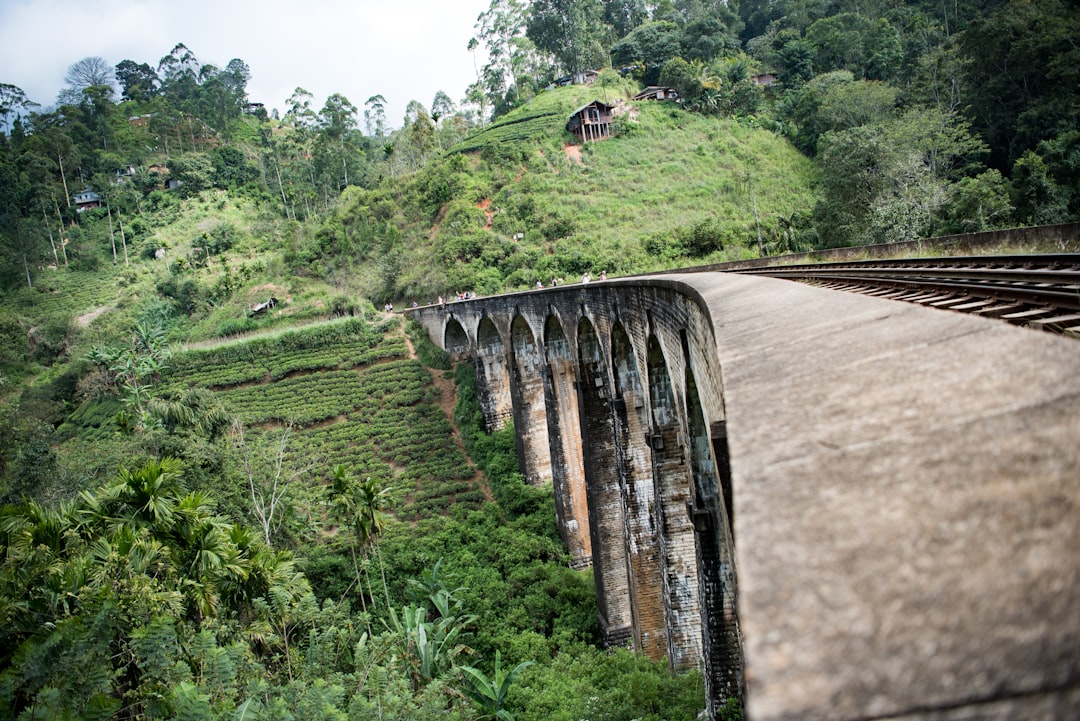
Kandy → Ella by rail
When it’s running, this is widely called one of the world’s most beautiful train journeys — 6-7 hours climbing through emerald tea plantations, past waterfalls, with the doors open and the highland air rushing in. It’s slow travel at its absolute best. Pack snacks, claim a doorway spot for photos, and just take it in.
Many travellers break the journey at Nanu Oya (for Nuwara Eliya, the colonial-era “Little England” tea town) or ride straight through to Ella. For a 2-week trip, riding straight to Ella keeps the pace right.
Hill country base
Ella is a small, laid-back mountain town that’s become backpacker central — cafés, easy hikes, and big views. Two full days lets you do the highlights without rushing.
- Nine Arch Bridge — the iconic colonial-era railway viaduct curving through the jungle. Go early (7-8am) before crowds, and time it for a train crossing.
- Little Adam’s Peak — an easy 45-minute hike to a stunning ridge viewpoint. Best at sunrise or sunset.
- Ella Rock — a tougher 4-hour return hike for the more ambitious, with sweeping valley views.
- Ravana Falls and the Ravana Cave — a short tuk-tuk ride away.
- Tea factory tour — learn how Ceylon tea is made, taste fresh brews. Halpewatte or a local estate.
Stay: Ella has everything from US$10 hostels to boutique eco-lodges with infinity pools over the valley (US$60-120).
Days 9-10: Safari at Yala (or Udawalawe)
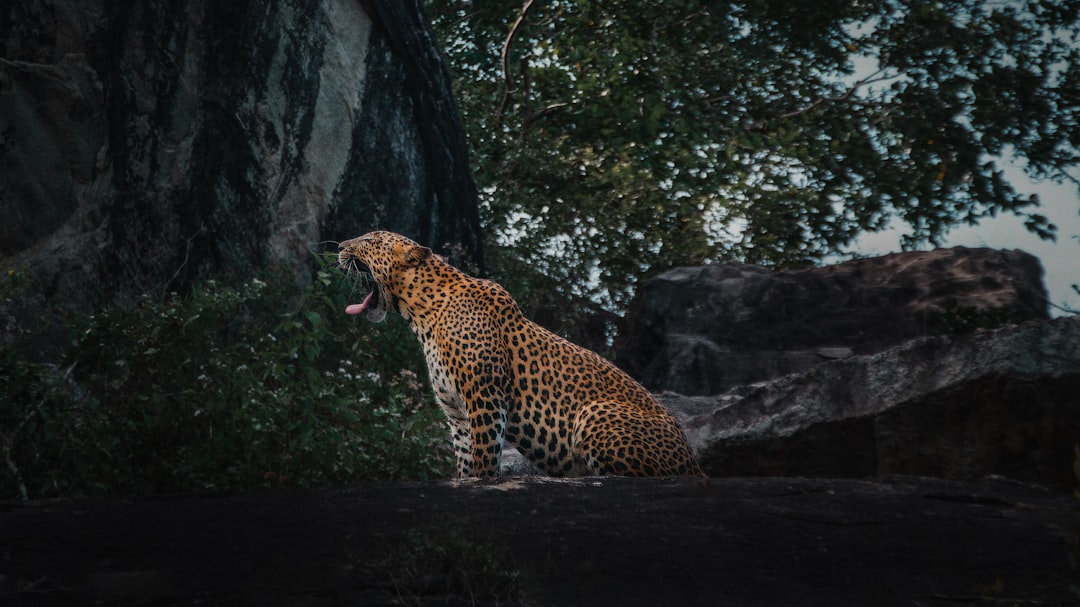
The safari leg
From Ella, it’s roughly 3-4 hours down to the dry southeast and Sri Lanka’s premier wildlife parks. Two main choices:
- Yala National Park — the famous one, with the highest leopard density in the world, plus elephants, crocodiles, and sloth bears. It can get jeep-crowded in peak season, but the leopard odds are unmatched. (Note: Yala has seasonal closures, usually September-October.)
- Udawalawe National Park — less crowded, almost guaranteed elephant sightings (herds of 50+), and the excellent Elephant Transit Home nearby. Better if elephants are your priority over leopards.
Book a morning game drive (5:30am start gives the best wildlife activity). A half-day shared jeep runs ~US$25-40 per person including park fees; private jeeps cost more but give flexibility. Lock it in ahead via Klook or GetYourGuide, or arrange through your guesthouse.
Stay: Tissamaharama (“Tissa”) is the usual safari base town. After the morning drive on day 10, head to the south coast (~2 hours).
Days 11-13: South coast beaches
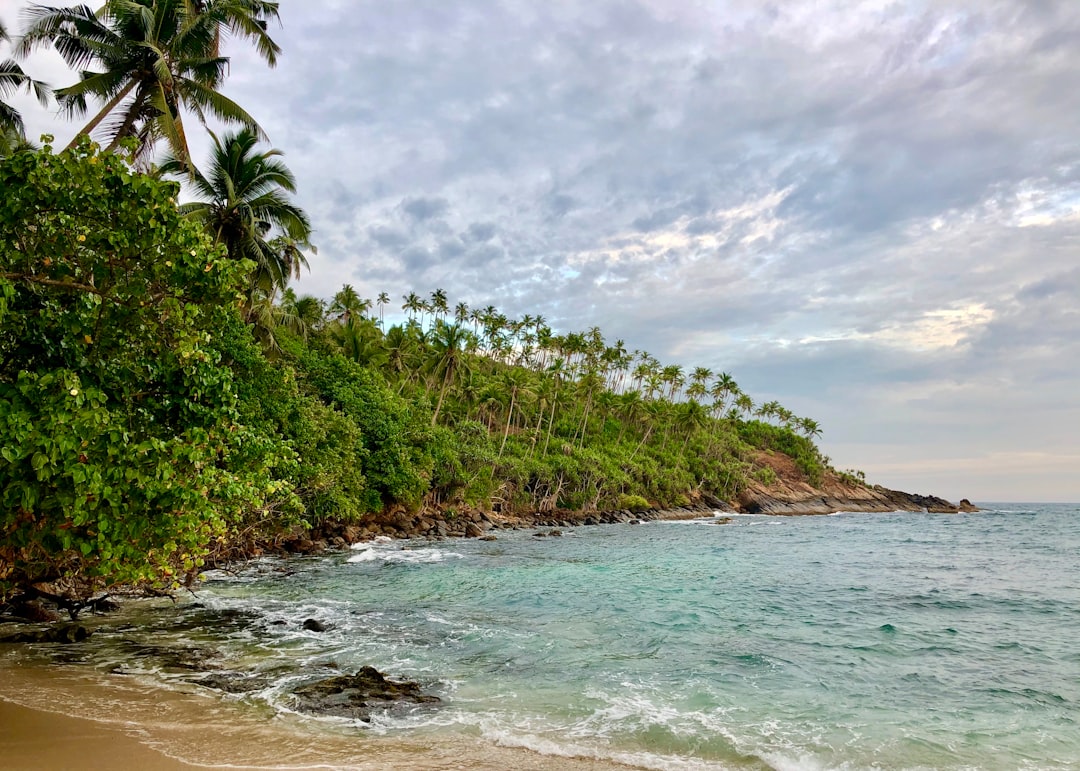
Mirissa, Weligama & Unawatuna
The south coast is where the trip slows down and rewards you for all the early starts. Three days of beach time, with options to keep it active or fully horizontal:
- Mirissa — the most famous south-coast beach town. Palm-fringed crescent beach, sunset cocktails, and Sri Lanka’s whale watching capital (blue whales and sperm whales, best November-April, ~US$45-55 for a morning boat trip).
- Weligama — the beginner surf town. Gentle beach break, board hire and lessons cheap, and the famous stilt fishermen nearby.
- Unawatuna — calm swimming bay, closer to Galle, good for a relaxed base with restaurants and nightlife.
- Hiriketiya (“Hiri”) — further east, a horseshoe bay that’s become the boutique-cool surf-and-yoga spot if you want somewhere trendier.
This stretch is also the best for food — fresh seafood, rice and curry feasts, and beachfront cafés. Don’t leave without a proper Sri Lankan rice and curry (often 8-12 little dishes) and kottu roti (chopped flatbread stir-fry, the national street food).
Day 14: Galle & departure
The Dutch fort finale
End the trip in Galle Fort, a remarkably preserved 17th-century Dutch colonial walled town and UNESCO World Heritage Site. Cobbled streets, boutique cafés, art galleries, the iconic white lighthouse, and ramparts perfect for a final sunset walk. It’s the most photogenic town in Sri Lanka and a fitting last stop.
From Galle, the airport is ~2.5-3 hours via the coastal expressway (E01) — a private transfer is easiest for catching a flight, or the coastal train to Colombo is scenic if your timing allows. Build in buffer time; Sri Lankan transport runs on its own clock.
If you have an extra day: add a night in Galle rather than rushing it, or fit in the coastal towns between Galle and Colombo (Bentota, Hikkaduwa) on the way to the airport.
What 2 weeks in Sri Lanka costs
Sri Lanka is one of Asia’s best-value destinations. Here’s a realistic per-person breakdown for the 14-day route (excluding international flights):
| Category | Backpacker | Mid-range | Comfortable |
|---|---|---|---|
| Accommodation (13 nights) | US$130-260 | US$390-650 | US$1,000+ |
| Food & drink | US$70-140 | US$200-350 | US$500+ |
| Transport (trains/driver/tuk-tuks) | US$80-130 | US$300-500 (private driver) | US$700+ |
| Activities (Sigiriya, safari, whales) | US$80-120 | US$120-200 | US$250+ |
| Visa (ETA) | ~US$50 | ~US$50 | ~US$50 |
| eSIM + insurance | US$30-50 | US$50-70 | US$70+ |
| Total (excl. flights) | ~US$450-700 | ~US$1,100-1,800 | US$2,500+ |
The single biggest variable is transport: a private driver for the whole loop (~US$50-70/day) is the comfortable mid-range choice and very reasonable split between travel companions, while trains and buses keep backpacker costs rock-bottom. Flights from Europe, Australia, or North America will typically exceed the entire on-the-ground budget.
How money works in Sri Lanka: It’s largely a cash economy outside hotels and bigger restaurants. ATMs are widely available in towns — withdraw Sri Lankan rupees (LKR) using a low-fee debit card, and always choose to be charged in LKR, not your home currency, to dodge the bad “dynamic currency conversion” rate. Carry small notes for tuk-tuks and rural stalls, where change for big notes can be scarce.
The best travel card setup
A travel card with no foreign-transaction fees saves you real money on a cash-heavy trip like this — bank cards from traditional providers typically charge 2.5-3.5% on every withdrawal plus a flat ATM fee. Two cards cover almost everyone:
🌍 For everyone: Wise
Wise is the global pick — a multi-currency account and Visa debit card that uses the real mid-market exchange rate with a small transparent fee. Works in 150+ countries, lets you hold 40+ currencies, and is the cheapest way to spend abroad for travellers from most countries (UK, EU, US, Canada, NZ and beyond). Order the card before you fly so it arrives in time.
🇦🇺 For eligible Australians: Ubank
Spend directly from AUD, with no Ubank overseas purchase or ATM fee. Operator charges and limits still apply. Eligible new customers can use code AFWLLL7 for the $30 signup offer under the conditions below.
Whichever card you use, the rules are the same in Sri Lanka: withdraw larger amounts less often to minimise per-withdrawal ATM operator fees, decline “conversion to your home currency” at the ATM, and carry a backup card stored separately in case one is lost or swallowed by a machine.
Sri Lanka FAQ
Is 2 weeks enough for Sri Lanka?
Yes — it’s the ideal length for a first trip. Two weeks covers the four signature experiences (Cultural Triangle, hill country, safari, beaches) at a comfortable pace. If you only have 10 days, drop either the Cultural Triangle or trim the beach time. With 3+ weeks, add the east coast (Trincomalee, Arugam Bay surf) or the far north (Jaffna).
Is Sri Lanka safe to travel in 2026?
Yes. Sri Lanka is one of Asia’s safer destinations for travellers — friendly, low violent crime, and well-trodden on the tourist trail. The 2022 economic crisis has largely stabilised and tourism has rebounded strongly. Standard precautions apply: watch for tuk-tuk overcharging, be careful on scooters (rural roads are rough), and respect religious sites (cover shoulders and knees at temples, remove shoes and hats). Always check your government’s current travel advisory before booking.
Do I need a visa for Sri Lanka?
Most nationalities need a tourist ETA — around US$50 (US$20 for SAARC nations), for a 30-day double-entry stay. A visa-free scheme for 40 countries was announced for January 2026 but has been repeatedly delayed. Apply only via the official eta.gov.lk and check the current fee status before travel — never use third-party agents who add markups.
Is the Kandy to Ella train running?
The hill-country line was damaged by a cyclone in late 2025 and full service hadn’t been restored on all sections as of early 2026. Check current status at Seat61 or Sri Lanka Railways before planning. When running, book reserved seats ~30 days ahead via 12Go. If sections are bus-replaced, the same scenic route still works by private driver.
When is the best time to visit?
For this west/south route: December to March (dry, sunny on the relevant coasts). The east coast (Trincomalee, Arugam Bay) is better May-September. The hill country is cool and can be misty year-round — pack a light layer for Ella and Nuwara Eliya evenings even in the dry season.
Should I hire a driver or do it independently?
Both work. A private driver-guide (~US$50-70/day all-in) is the most popular way tourists do this loop — comfortable, flexible, and affordable split between 2-4 people. Independent travel by train, bus, and tuk-tuk is cheaper and more adventurous, and the trains are an experience in themselves. Many travellers mix the two: trains for the scenic hill-country legs, a driver or tuk-tuks elsewhere.
Is Sri Lanka good for vegetarians and vegans?
Excellent. Rice and curry is often largely plant-based (dhal, jackfruit curry, coconut sambol, vegetable curries), and Buddhist and Hindu influences mean meat-free food is everywhere and delicious. Say “no fish” / “no Maldive fish” (a dried fish flake used in some sambols) to be safe as a strict vegetarian or vegan.
Related Backpacking Is Life guides
Helpful next reads for planning the same trip, money setup, or travel tech.
Visa rules, the visa-free scheme status, and the hill-country rail situation are all in flux for 2026 — verify current status via official sources (eta.gov.lk, Sri Lanka Railways, and your government travel advisory) before booking. Disclosure: Some links are affiliate links — book through them and Backpacking Is Life earns a small commission at no extra cost to you. Recommendations are based on independent research.