
T-money Card Guide for Tourists in South Korea (2026): How to Buy, Top Up & Use It
The short answer: yes, most tourists should still get a T-money card in South Korea. It’s cheap, easy to buy, quick to top up, and the cleanest way to handle subways and buses without thinking about single fares all day. But 2026 added two options worth knowing before you decide — so here’s the full picture.
Buy a T-money card for the easiest, lowest-friction setup on subways, buses and many taxis across Korea. Best for first-time visitors, backpackers, and anyone moving between Seoul, Busan and day trips. Buy it at a convenience store, top up with cash, and tap on and off. Two 2026 twists: if you’re mostly in Seoul for 3+ days, price up the Climate Card day pass instead, and if you carry a Mastercard, you can now tap straight through Seoul Metro gates with Apple Pay.
A T-money handles transport — cover money, data and rail too
The card does tap-and-go transit. You still want a clean setup for spending, mobile data, and the intercity trains T-money doesn’t cover.
Get Wise for travel money Set up your eSIM Browse Korea rail passes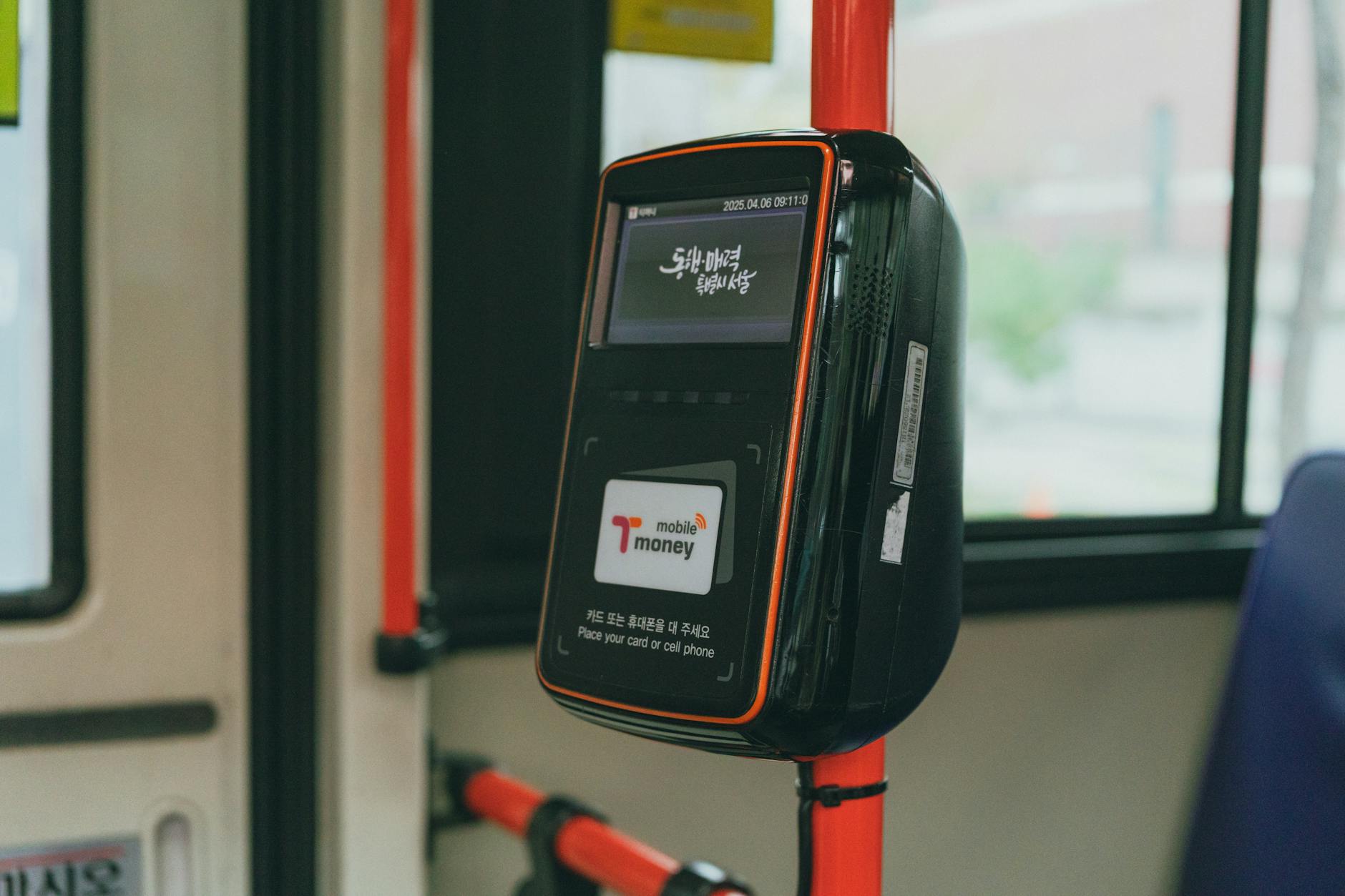
What a T-money card actually does
T-money is South Korea’s classic stored-value transport card: you load won onto it, tap in and out on public transport, and spend the balance as you go. For most travellers the value isn’t saving huge money — it’s removing friction. No buying single tickets each ride, no translating vending-machine menus, no holding up a bus queue while you work out the system.
There’s a real fare perk too. Tapping with a transit card gives you free or discounted transfers between buses and subways within about 30 minutes (up to four transfers a day), which single-journey tickets don’t. Per VISITKOREA, T-money can be bought and charged at convenience stores nationwide, used across public transport, and used at affiliated stores showing the T-money logo — and it has the largest affiliated-store network in Korea, which is why it’s still the easiest default.
Google Maps can’t give full transit or driving directions inside South Korea because of local mapping-data rules. Download Naver Map or KakaoMap before you go — they’re what everyone actually uses to plan subway and bus routes, and they pair perfectly with a T-money card.
What changed in 2026 (read this before you buy)
The old blanket advice — “just buy a T-money” — no longer fits everyone. Two developments are worth a moment:
Apple Pay on Seoul Metro
Since April 2026, travellers with a Mastercard added to Apple Pay can tap their iPhone or Apple Watch straight on Seoul Metro gates — the first real “bring your own phone and tap to ride” option for visitors. Caveats: it’s Mastercard for now (Visa expected to follow), and it’s Seoul Metro gates specifically — buses, taxis and other cities still work best with a physical card.
Seoul’s Climate Card day passes
Seoul’s Climate Card is an unlimited subway-and-bus pass, and 2026 finally added short tourist passes (roughly ₩5,000 for 1 day up to about ₩15,000 for 5 days — check current). If you’ll take more than about four rides a day for 3+ days inside Seoul, it beats pay-per-ride. It doesn’t cover KTX, intercity buses, taxis or the airport bus, so it’s a Seoul-only tool.
For a multi-city trip, a short Seoul stay, or anyone who just doesn’t want to think about zones, a plain T-money is still the right call. The rest of this guide assumes that’s you.
Where to buy a T-money card
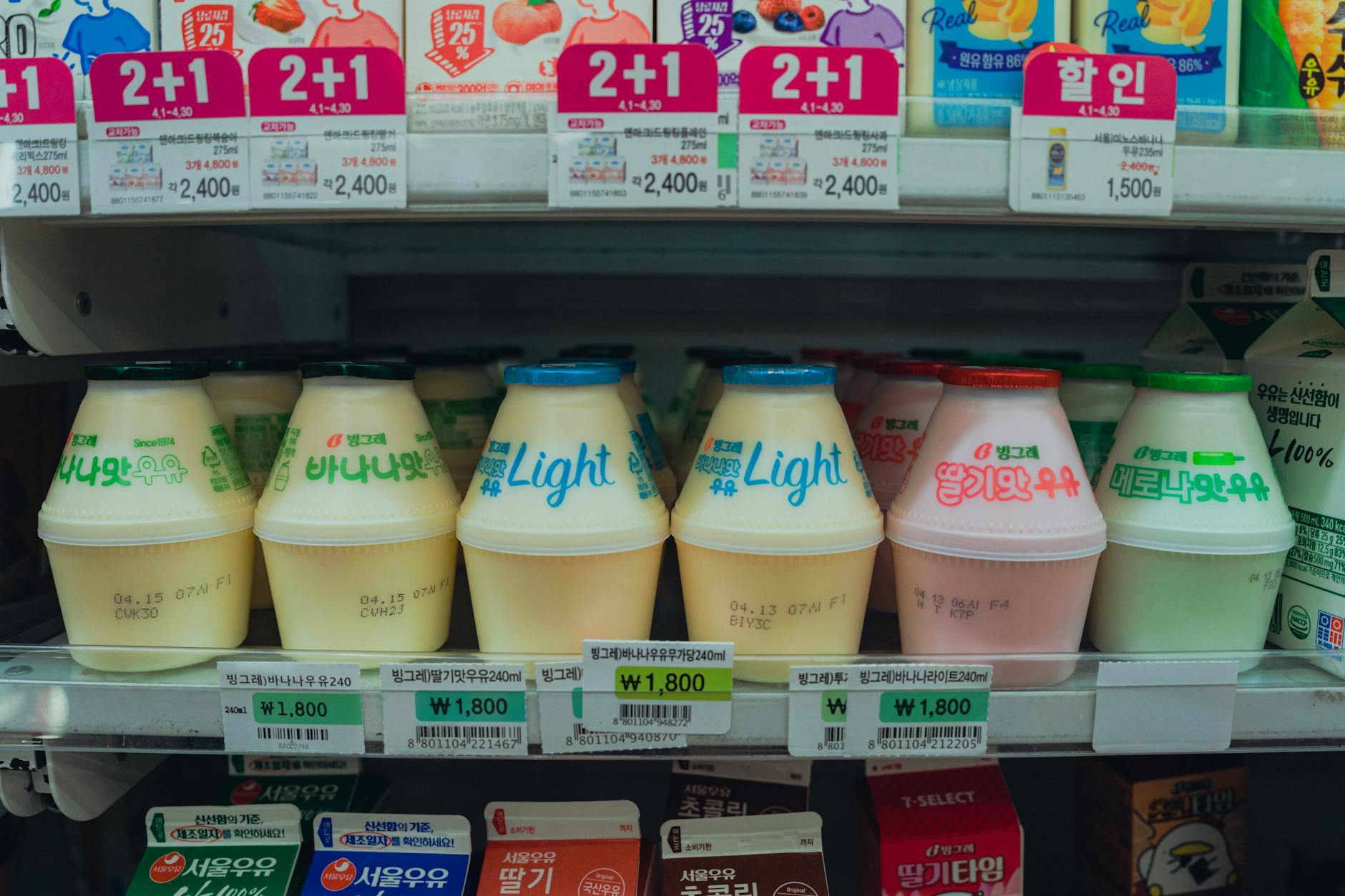
The easy answer: buy one at a convenience store — usually the lowest-stress move after you land, especially in Seoul or Busan. VISITKOREA notes T-money is sold at convenience stores nationwide including GS25, 7-Eleven and Ministop, plus subway ticket machines in the Seoul metro area. One quirk worth knowing: the CU chain carries the EZL/Cashbee card rather than T-money, so if the store only has CU-branded cards, grab an EZL — it does the same job — or find a GS25 nearby.
Best buy point
A convenience store near the airport rail line, your accommodation, or your first station stop.
Card price
Roughly ₩3,000–5,000 for the blank card (VISITKOREA), before you add transport credit. The card cost and a small service fee aren’t refundable.
Top-up method
Keep some cash — top-ups at stores and machines are cash-only unless you have a Korean-issued card.
How much should you top up?
Start with a modest balance rather than overloading it — enough for a day or two of transport is the sweet spot, and you can always add more. There’s a practical reason to keep it small: refunding a large leftover balance at the end of your trip (over ₩50,000) can be a slow, fiddly process, whereas small balances are easy to zero out at a convenience store, minus a small fee.
On a two-week route through Seoul, Gyeongju, Busan and Jeju, T-money earns its keep in the city sections, not the intercity legs — so there’s no need to dump a big balance on day one. For the wider route, see our 2-week South Korea itinerary and South Korea transport guide.
Where T-money works — and where it doesn’t
Coverage is genuinely wide, but there’s one line that trips people up.
Works: city subways and buses in Seoul, Busan, Daegu, Gwangju, Daejeon, Incheon and Jeju; the AREX all-stop airport train into Seoul; most taxis; and small purchases at convenience stores and affiliated shops. Doesn’t cover: KTX and SRT high-speed intercity trains, the AREX express, and long-distance intercity buses — book those separately with a rail pass or ticket.
That KTX gap is exactly why a transit card and a Korea rail pass or KTX ticket do different jobs: T-money for the everyday city hops, a separate ticket for the fast trains between cities.
T-money vs EZL, WOWPASS & the Climate Card
If you’re comparing cards in the airport queue and just want the least annoying choice, pick T-money. Here’s how the realistic options stack up in 2026.
| Card | Best for | Why you’d pick it |
|---|---|---|
| T-money | Most first-time visitors, multi-city trips | Easy to buy and top up, widest acceptance and largest affiliated-store network — it does the tourist job very well |
| EZL (Cashbee) | Shoppers at Lotte stores | The rebranded Lotte-group card; works almost everywhere T-money does and adds perks at Lotte Mart, Cinema and Duty Free. Sold at CU stores |
| WOWPASS | One card for transit + money | Combines a T-money at heart with a prepaid currency-exchange card and tourist discounts — load foreign cash at airport kiosks |
| Climate Card | Heavy Seoul-only sightseeing | Unlimited Seoul subway and bus for 1–5 days; best value if you’ll ride a lot inside Seoul, but no use outside the city |
None of these is a bad choice — the point is that T-money is the simplest recommendation when you want the trip to work with minimal fuss, WOWPASS is the neat all-in-one, and the Climate Card is the money-saver for a Seoul-heavy stay.
Do you still need T-money if you have a strong debit card?
Usually yes — your travel card and your transit card do different jobs.
Your travel card
Hotels, cafés, shopping, online bookings and ATM withdrawals. A low-fee card like Wise keeps the exchange rate honest.
Your transit card
Everyday buses, subways and quick small taps — the tap-and-go side your bank card doesn’t cover cleanly (outside the new Apple Pay-on-Seoul-Metro option).
That’s why a Wise card plus a T-money card is the clean international-traveller setup: Wise handles the money, T-money handles the tapping. If you’d rather carry one card, WOWPASS merges both — a prepaid currency card with T-money built in — which many first-time visitors now prefer.
The simplest setup for most tourists
- Bring a main travel card that’s easy and low-fee to use abroad.
- Install your Korea eSIM before you fly, and download Naver Map or KakaoMap.
- Buy a T-money card after you land or near your first station (or a WOWPASS at Incheon if you want one card for money and transit).
- Keep a small cash buffer for top-ups and the odd machine that wants it.
If you haven’t sorted the data side yet, our best eSIM for South Korea guide is the next useful read.
FAQ
Can I use T-money outside Seoul?
Yes — it’s not just a Seoul card. It works across Busan, Daegu, Gwangju, Daejeon, Incheon and Jeju’s buses, plus most taxis and many shops. The main thing it won’t do is the KTX and SRT high-speed intercity trains.
Can I top up T-money with a credit or debit card?
Generally no — top-ups are cash unless you have a Korean-issued card or use a mobile setup. Keep some cash ready, especially for station machines.
Do I tap on and off?
Yes — tap when you board and again when you leave (buses and subway). It’s how the fare and any transfer discount are calculated. In a taxi you tap once at the end.
Is T-money enough on its own for a Korea trip?
No — it’s a transport and small-purchase tool, not your full money setup. Pair it with a proper debit card and working mobile data.
Should I get the Climate Card instead?
Only if you’re staying in Seoul and riding heavily — roughly four-plus rides a day for three or more days. For multi-city trips or shorter stays, T-money is more flexible.
Useful official references before you travel: VISITKOREA’s transportation-card guide and the T-money foreigner (Mpass) pages. Retail points, prices, top-up methods and tourist-pass options do change, so give the live pages a quick check before you fly.
Disclosure: Some links in this guide are affiliate links. If you buy through them, Backpacking Is Life may earn a small commission at no extra cost to you. Card prices, pass options, coverage and top-up rules change often, so confirm the current details before you travel.