
Travel insurance – 2026
Best Travel Insurance for Mexico 2026: Medical Cover, SafetyWing, Rental Cars, Food Poisoning and Trip Risks
Mexico insurance is about medical treatment, regional safety, food poisoning, rental cars, hurricanes, stolen phones – and the one thing most guides skip: Mexican hospitals usually make you pay upfront.
For Mexico, buy insurance around medical cover, emergency assistance, theft/luggage, food poisoning and region-specific safety risk – and pay attention to how a policy pays, because private hospitals here often expect money upfront. SafetyWing can be a strong flexible medical-first option for backpackers and longer travellers, but if your trip has expensive prepaid hotels, rental cars or specialist activities, compare broader comprehensive cover too.
Mexico is not one simple risk profile. A Cancun/Yucatan loop, Mexico City food trip, Baja road trip and Oaxaca coast stay all create different insurance questions.
The goal is not to scare yourself out of going. It is to buy cover that matches the real trip: medical help if you get sick or injured, documents for theft claims, and enough flexibility – and the right kind of payment support – for the way Mexico travel actually unfolds.

What travel insurance needs to cover in Mexico
- Medical care: private hospitals and clinics usually require payment or an insurer guarantee before or during treatment (more on this below).
- Medical evacuation: the US State Department notes evacuations can exceed US$250,000, and a helicopter lift from a remote area can run US$15,000+. High evacuation cover matters.
- Food poisoning and illness: stomach bugs, dehydration and infections are common enough to plan for; dengue, Zika and chikungunya are also present in some regions.
- Rental cars: travel insurance is separate from car-hire excess/liability – and Mexico legally requires third-party liability cover to drive. After an accident you can be held (even stopped from leaving the country) until costs are settled.
- Theft and phone loss: check baggage/electronics limits and police-report requirements.
- Weather and disruption: both coasts sit in the hurricane belt from June to November. If your trip is coastal, read the “named storm” wording and buy before a storm is named, or it counts as a known event.
- Regional safety: travel-advice levels vary by state, and many policies limit or exclude claims from areas your government advises against – so route choice affects your cover.
The Mexico catch most guides skip: you usually pay first
This is the single most important thing to understand about insurance in Mexico, and it changes what “good cover” means. Private hospitals – which is where tourists are taken in places like Cancun, Tulum, Playa del Carmen and Los Cabos – generally expect payment upfront, in cash or on a card, and mostly do not bill foreign insurers directly. Some won’t discharge you until the bill is settled, and a few will check your card limit and bill up to it.
That means two things matter more in Mexico than the headline price:
- How the policy pays. A reimbursement-only policy leaves you fronting a big bill and claiming it back weeks later. A policy whose 24/7 assistance team can arrange a guarantee of payment directly to the hospital – or that uses a hospital in its direct-billing network – turns a crisis into a phone call.
- How much medical and evacuation cover you carry. A serious admission or an evacuation can run into six figures, so a low medical cap is a real risk, not a technicality.
Whatever you choose – SafetyWing included – check before you buy whether it reimburses you later or can coordinate payment directly, and save the insurer’s 24/7 emergency line offline. In an emergency, that difference is everything.
Practical heads-up for the Riviera Maya: Quintana Roo (Cancun, Tulum, Playa del Carmen) charges a small tourist tax, Visitax (around US$11 per person), payable online. It is nothing to do with insurance, but it is easy to forget and separate from any resort fees.
Where SafetyWing fits
SafetyWing is strongest when you want flexible, medical-first cover that works for short trips from 5 days as well as longer open-ended travel. It currently lists Nomad Insurance Essential from US$62.72 per 4 weeks for ages 18-39 – about US$2.24 a day. Check the live quote for your age, destination and dates before buying, and confirm how it handles hospital payment in Mexico given the upfront issue above.
| Decision point | What to know |
|---|---|
| SafetyWing fit | Good for flexible medical-first cover, including backpacking, remote work and multi-country trips from 5 days. |
| Payment method | Confirm whether claims are reimbursement-based or whether assistance can guarantee payment to a Mexican hospital directly. |
| Mexico warning | Check current travel advice by state and don’t assume one policy or one safety rule fits the whole country. |
| Rental car gap | Rental-car excess, liability and roadside incidents need separate rental-car cover checks. |
| Claim prep | Keep medical reports, itemised invoices, police reports for theft and proof of travel disruption. |
Check your quote before you fly
Put in your exact dates, destinations and age, then read the policy wording for your activities and how it pays hospitals.
When I would choose another policy
I would compare a more traditional comprehensive policy if your Mexico trip is short, expensive and heavily prepaid, or if you want stronger cancellation, baggage and electronics benefits – or a provider with a known direct-billing network in Mexican tourist hubs. SafetyWing is attractive because it is flexible and medical-first, not because it is automatically the best policy for every Mexico trip.
Policy comparison points
| Thing to compare | Why it matters |
|---|---|
| Emergency medical & evacuation limit | The most important benefit if you need a clinic, hospital or evacuation – and evacuations here can top US$250,000. |
| Direct billing vs reimbursement | Decides whether you front a big Mexican hospital bill yourself or the insurer pays the hospital directly. |
| Cancellation and interruption | Matters more if Cancun resorts, flights, tours or hotels are prepaid. |
| Baggage and electronics | Check item limits if you carry a laptop, camera or expensive phone. |
| Activity wording | Surf, diving, scooters, tours and adventure activities can have conditions. |
| Known-event exclusions | Buying after a named storm, strike or warning appears may not help. |
Activities and exclusions
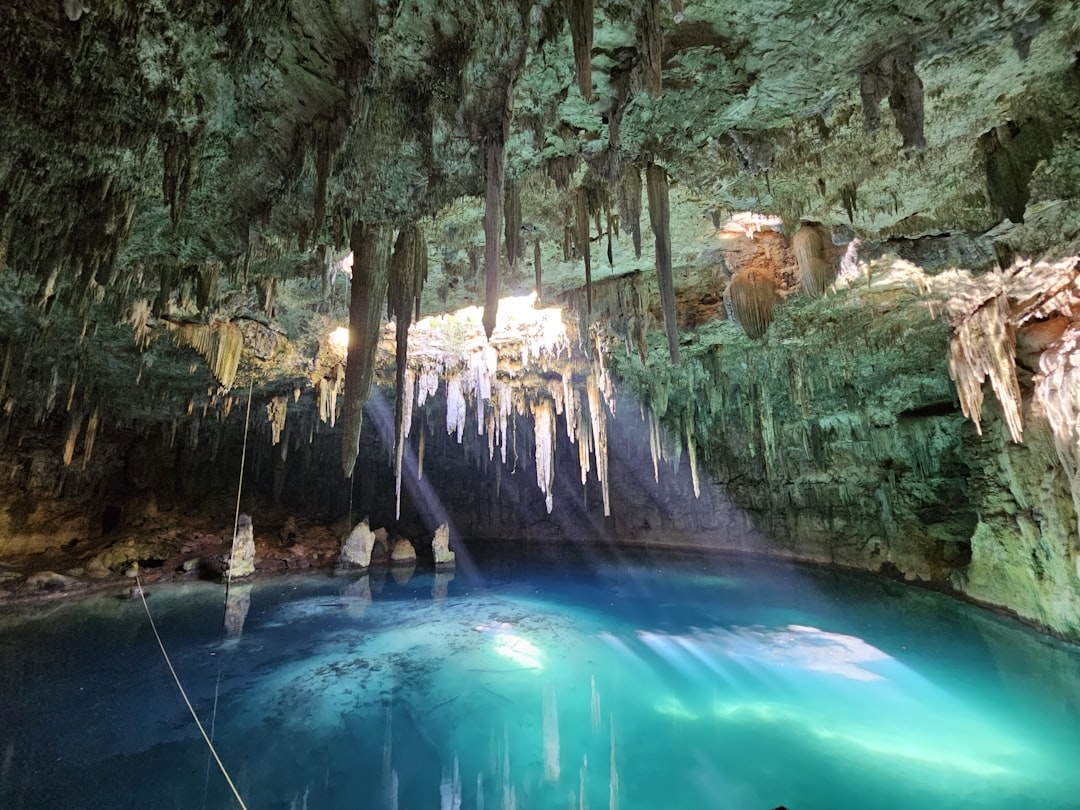
This is where travellers get caught. A policy can cover emergency medical treatment in general and still exclude the exact thing you were doing. Scooters, rental cars, hiking, surfing, diving, cenote and reef activities, organised sport, alcohol-related incidents, unpaid work and adventure activities can all have specific wording.
Do not rely on what other travellers say is normal in Mexico. Search the policy wording for the activity you actually plan to do. If the wording is vague, ask the insurer before buying or choose a policy with clearer cover.
Why medical cover comes first
Lost luggage is annoying. A serious medical event is the problem that can overwhelm your trip and your bank account – especially where you may have to pay before you’re treated. Start with emergency medical, hospital, evacuation and assistance benefits before caring about smaller extras.
For Mexico, think through how you would handle a late-night clinic visit, a hospital admission, a transport accident, a dental emergency or an evacuation – and who fronts the cost. Save the insurer’s emergency contact details offline and share your policy number with someone you trust.
How to make claims less painful
- Contact the insurer’s 24/7 line early for serious medical events – in Mexico this is also how you request a guarantee of payment to the hospital.
- Keep itemised invoices, medical notes, receipts, police reports and transport-disruption proof.
- Photograph damaged gear before repairing or replacing it.
- Do not throw away boarding passes, booking confirmations or payment receipts until the trip is over.
- Write a short timeline while the details are fresh.
What travel insurance usually will not fix
- Changing your mind: cancellation benefits usually need a covered reason.
- Illegal riding or driving: licence, helmet and mandatory Mexican liability rules matter.
- Known events: buying after a storm, strike, illness or warning appears may not help.
- Unattended belongings: leaving gear exposed can void a claim.
- Pre-existing conditions: these need careful wording and sometimes extra assessment.
When to buy travel insurance
Buy earlier if cancellation cover matters. Buying after you have already left home is also weaker: post-departure policies typically carry a waiting period (commonly 24-72 hours) before cover starts, and stricter underwriting. If you wait until just before departure you may still get medical cover, but you have carried cancellation risk yourself for weeks. For expensive holidays, buy soon after locking in flights, hotels or tours.
Which policy type by trip style?
Short holiday
Compare medical, evacuation, cancellation, baggage and activity cover. If flights and hotels are prepaid, trip-cost benefits matter more.
Backpacking trip
Prioritise flexible medical cover, emergency assistance, extensions and multi-country rules. SafetyWing often fits this style well.
Activity trip
Check the exact activity wording first. Scooters, diving, cenotes, hiking and adventure sports can change the policy choice.
Documents to save offline
- Policy certificate and policy wording.
- Emergency assistance phone number and email (the number you’ll call for a guarantee of payment).
- Passport photo page and entry documents.
- Flight, hotel and tour invoices.
- Medical prescriptions and relevant health notes.
- Receipts for expensive gear you may need to claim.
What about credit card travel insurance?
Credit card travel insurance can be useful, but do not assume it applies automatically. Many cards require you to pay for flights or a minimum trip cost with the card, activate cover, meet age/residency rules, and follow strict trip-length limits.
Read the booklet before relying on it. Check medical limits, excess, pre-existing conditions, activity rules, whether it pays hospitals directly, and whether travelling companions are covered.
My final insurance rule
Buy enough cover that a bad day stays a bad day rather than becoming a financial disaster – and in Mexico, make sure you know how the policy pays a hospital, not just how much it covers. For many backpackers and flexible travellers, SafetyWing is a practical medical-first option, especially now that short trips from 5 days are possible. For expensive holidays or specialist activities, compare broader comprehensive policies before choosing.
Before you buy: checklist
- Check whether your activities are covered, especially scooters, rental cars, hiking, surfing, diving and cenote/adventure activities.
- Check the emergency medical and evacuation limits are high enough for Mexican private-hospital and evacuation costs.
- Check whether the insurer reimburses you or can guarantee payment directly to a Mexican hospital.
- Check pre-existing condition wording if that matters to you.
- Check whether cancellation, baggage and gear benefits are enough for your trip.
- Save emergency numbers, policy documents and claim instructions offline.
FAQ
Do I need travel insurance for Mexico?
Yes. Medical treatment, food poisoning, theft, hurricanes, rental-car issues and regional safety concerns make insurance sensible – and because private hospitals often want payment upfront, cover that can pay the hospital directly is especially valuable.
Is SafetyWing good for Mexico?
It can be a good medical-first option for flexible travellers, but check activity, theft, cancellation and rental-car needs – and how it handles Mexican hospital payment – before relying on it.
Does travel insurance cover Mexico rental cars?
Usually not in the way travellers assume. Rental-car excess and liability cover is separate, and Mexico legally requires third-party liability insurance to drive – check both at booking.
Should Mexico insurance cover medical evacuation?
Yes. Government travel advice for Mexico specifically recommends medical evacuation and hospital-stay cover, and evacuations alone can exceed US$250,000.
Can I buy insurance after arriving in Mexico?
SafetyWing can often be bought while already abroad, but post-departure purchases usually carry a waiting period (commonly 24-72 hours) before cover starts, and buying after a known event appears won’t cover that event. Buy before you fly where you can.
Ready to compare cover?
Start with medical cover, evacuation limits and how it pays hospitals, then compare the activity and cancellation wording for your exact trip.
Sources checked
Insurance wording and travel advice change. I checked these while preparing this guide, but you should still confirm live policy terms before buying.
Disclosure: This guide contains affiliate links. Insurance is personal; always read the live policy wording and exclusions before buying.