
17 Best Things to Do in Rome 2026: Colosseum, Vatican, Food and Neighbourhoods
Rome is dense, hot, historic and extremely rewarding when you book the hard pieces early. Do the Colosseum/Forum, Vatican, piazzas, food, one neighbourhood evening and enough slow time to avoid turning the city into a queue.
The best Rome trip is built around two anchor bookings: Ancient Rome and the Vatican. Once those are locked in, use the rest of the city for walking, food, neighbourhoods and short, realistic days.
The 17 best things to do in Rome
Book the Colosseum
Suggested time: 1–2 hours, plus entry procedures.

Best for: Ancient Rome
The Colosseum is Rome’s most obvious paid sight and one of the bookings worth sorting early. The experience is much better when you understand the ticket type and timing.
Look at the ticket’s actual access before choosing: the arena, underground and upper levels are different experiences, and a standard ticket does not promise all of them. The outer arches are impressive, but the interior makes the amphitheatre’s scale easier to understand.
Colosseum entry requires a reserved time slot. Use the official ticket information to check the release window, identification requirements and the visit limits attached to your ticket. Leave room around that slot rather than booking a meal or another museum immediately afterward.
Good to know: Do not leave tickets until the night before peak dates.
Walk the Roman Forum and Palatine Hill
Suggested time: 2–3 hours.


Best for: history in context
The Forum and Palatine give the Colosseum context and deserve energy, not just leftover time after photos.
Give yourself a route through the ruins instead of treating this as a quick shortcut between famous viewpoints. A map or audio guide helps turn scattered columns and foundations into streets, temples and public spaces; the higher ground on the Palatine also helps you make sense of the layout below.
Pair this with the Colosseum, but decide which visit comes first using the actual ticket conditions and the weather. Carry a refillable bottle, sun protection and shoes that can handle uneven stone. A shaded lunch break between the two is often a better idea than one uninterrupted march.
Good to know: Bring water and shade; it can be brutally exposed.
Visit the Vatican Museums and Sistine Chapel
Suggested time: 3–4 hours.

.JPG)
Best for: major art and crowds
The Vatican Museums are extraordinary and exhausting. A timed entry or good guided tour can be worth it if you want context and less confusion.
The Sistine Chapel is the finale many people come for, but rushing every gallery on the way makes the visit feel like a queue. Pick a few priorities, such as the Gallery of Maps, and leave time to stop rather than trying to absorb the entire collection.
Navigate to the museum entrance on Viale Vaticano, rather than assuming the entrance is in St Peter’s Square. Read the clothing and bag rules before leaving your accommodation. Photography is prohibited inside the Sistine Chapel, so put the phone away there and take in the ceiling.
Good to know: Book early and expect crowds.
See St Peter’s Basilica
Suggested time: 1–2 hours, longer with queues or the dome.


Best for: scale and architecture
St Peter’s is free to enter but not free of queues. It pairs naturally with the Vatican, though doing both deeply in one day can be tiring.
Start with the square and colonnades before entering: the approach is part of the experience. Inside, choose a handful of details to look for rather than simply walking the central aisle and leaving. This is an active place of worship, so keep your pace and voice considerate.
Treat the basilica, dome and Vatican Museums as separate plans when checking access and booking options. If your day already includes the museums, a proper break between visits makes the second stop much more enjoyable. Religious events can affect access, so check close to your visit.
Good to know: Dress appropriately and check security rules.
Walk the historic centre
Suggested time: Half a day with stops.


Best for: piazzas and fountains
The Pantheon, Piazza Navona, Trevi Fountain and Spanish Steps make Rome’s classic walking route.
A satisfying route links Piazza Navona, the Pantheon, Trevi and the Spanish Steps, with coffee or lunch somewhere between them. Leave space for smaller lanes and side streets: much of Rome’s appeal happens in the stretches between the big names.
Walking past a monument and visiting its interior are different commitments. If the Pantheon is a priority, check its current entry arrangements separately, then plan the rest of the walk around that stop. Wear comfortable shoes and resist adding every nearby museum to the same afternoon.
Good to know: Go early or late for the famous spots.
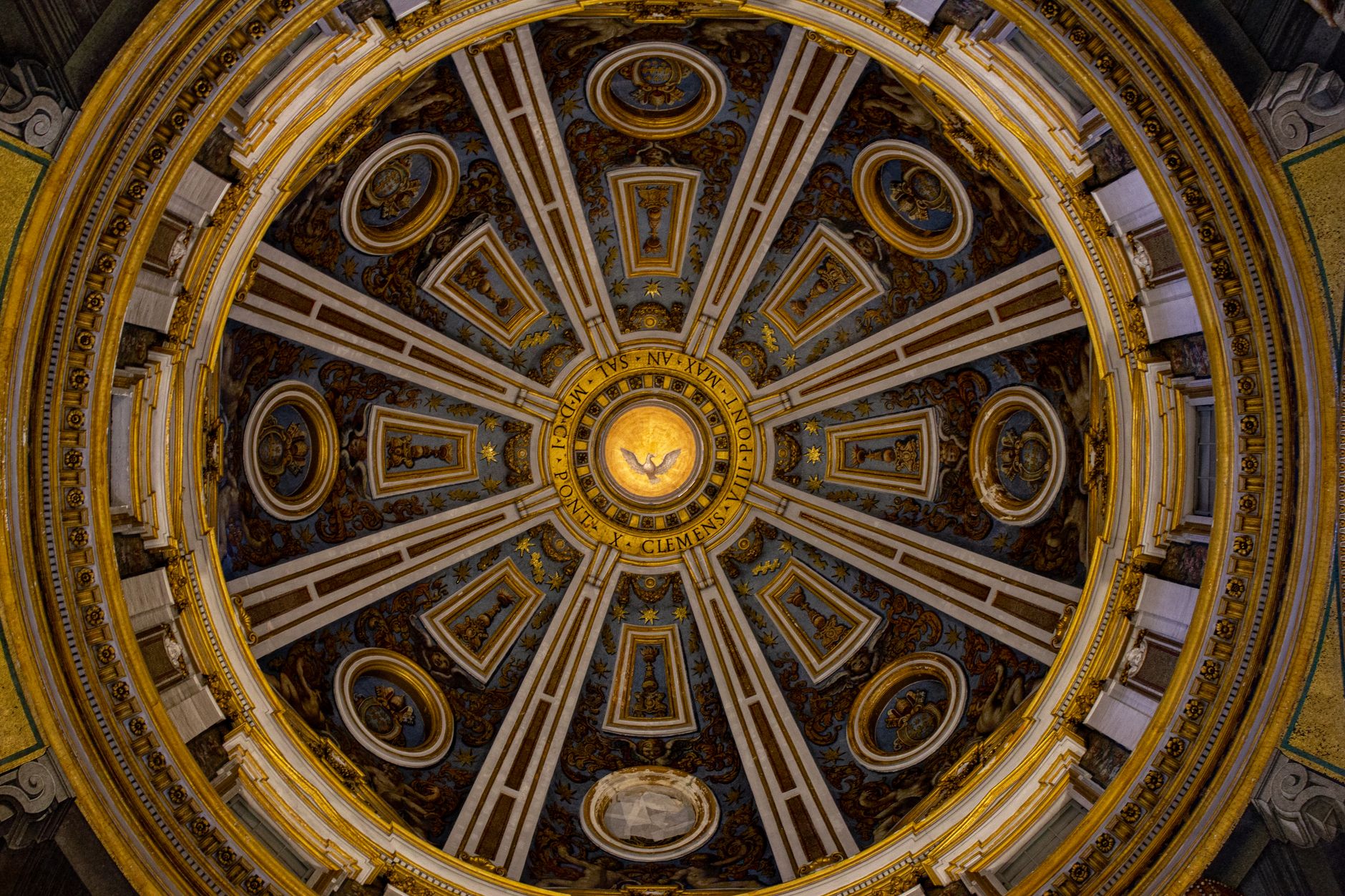
Eat in Trastevere
Suggested time: An evening.


Best for: evening atmosphere
Trastevere is popular because it works: lanes, restaurants, bars and a village-like feel across the river.
Begin around Piazza Santa Maria in Trastevere, then explore a few quieter lanes before choosing where to eat. The neighbourhood is best when you have time to linger; arriving only at the hungriest, busiest moment makes it easier to settle for the first available table.
Read the menu and prices before sitting down, and book ahead if there is one restaurant you really want. Keep the evening flexible enough for a riverside walk afterward. If you are staying across town, check your route home before the last drink.
Good to know: Book dinner or eat slightly off the busiest lanes.
Take a Rome food tour
Suggested time: 3–4 hours, depending on the tour.
Best for: better eating
Food tours are a strong Rome booking because they can move you beyond tourist menus and explain pasta, markets, pizza, supplì and neighbourhoods.
Compare the tasting stops and neighbourhood rather than simply counting how many foods are included. A smaller walk with a guide who explains the ingredients, family businesses and local routines can be more memorable than a rushed series of snacks.
Ask whether tastings replace a full meal, whether drinks are included and how dietary restrictions are handled. Book it early in your stay if you want ideas for later meals. Leave some appetite and avoid scheduling a big restaurant lunch immediately beforehand.
Good to know: Testaccio and Trastevere are strong areas.
Explore Monti
Suggested time: 1–2 hours, or a relaxed evening.


Best for: central but calmer
Monti is useful for restaurants, bars, small shops and staying near Ancient Rome without feeling trapped in tourist crowds.
Use Piazza della Madonna dei Monti as a starting point, then wander the surrounding streets for small shops and a place to sit. Monti works particularly well after the Colosseum and Forum, when another ticketed attraction may be less appealing than a neighbourhood stroll.
This is still central Rome, so quieter is relative. Walk a little beyond the busiest tables before deciding where to stop, and check restaurant menus rather than choosing solely by the view. Keep the route loose enough to enjoy an unexpected shop or café.
Good to know: A good base if you want walkability.
Visit the Borghese Gallery
Suggested time: About 2 hours inside, plus a park walk.


Best for: art with timed entry
The Borghese is one of Rome’s best art experiences, but timed entry matters. It is a good choice if you want a more controlled museum visit.
This is a good choice when you want a focused art visit rather than another enormous museum. The setting matters as much as the collection: give yourself time to look at the rooms and sculpture from different angles instead of ticking off names.
The gallery requires reservations for all ticket categories. Most visiting slots last two hours, while the final slot is shorter, so check the one you book. Leave larger bags at the cloakroom as directed and build in extra arrival time before walking into the surrounding Villa Borghese gardens.
Good to know: Book ahead and pair it with Villa Borghese.
See sunrise or late night at Trevi
Suggested time: 20–40 minutes, plus any access queue.


Best for: crowd management
Trevi Fountain is beautiful and absurdly crowded. Early or late visits are the only way it feels close to magical.
Seeing the sculpted façade and water in softer light can feel very different from squeezing through a midday crowd. An early or late visit is worth trying, but do not expect to have one of Rome’s best-known landmarks to yourself.
Access changed on 2 February 2026: tourists and non-residents pay €2 to enter the basin area closest to the monument during ticketed hours. Check the official arrangements before you go, and distinguish that closer access from simply viewing the fountain from the piazza.
Good to know: Do not plan it at midday if crowds annoy you.
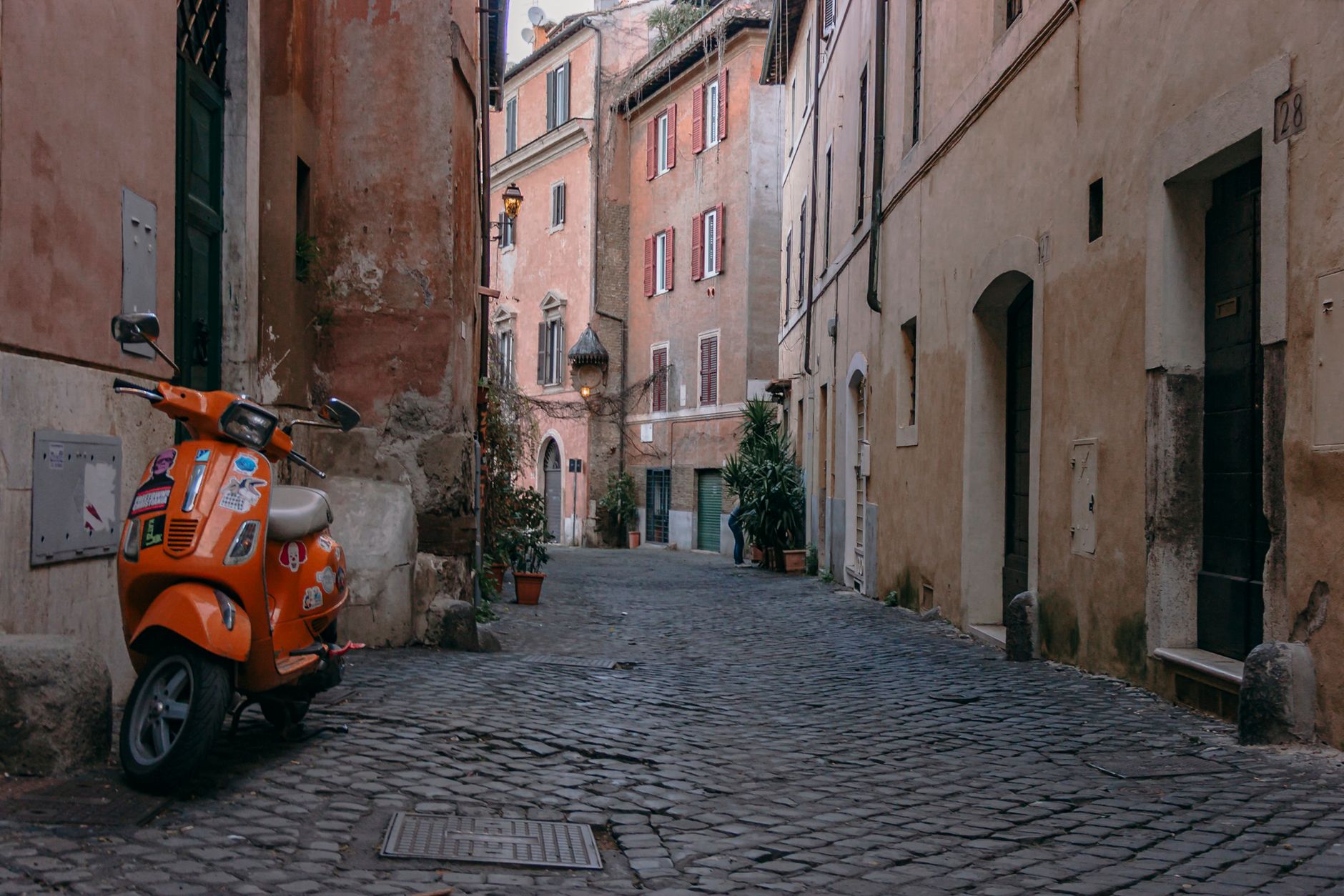
Use Testaccio for food
Suggested time: 2–3 hours around a meal.


Best for: less obvious Rome
Testaccio is one of Rome’s best food neighbourhoods and a strong alternative to only eating near the famous sights.
Make this a neighbourhood food outing rather than a detour for one viral dish. The market and surrounding streets give you a useful change of pace from the monument circuit, with room to compare a few options before choosing lunch.
Check that the market and any specific stall you want are operating on your chosen day. Arrive with an appetite, keep a little time for browsing and do not assume every stall follows identical hours. If you choose a food tour here, avoid booking a separate big meal alongside it.
Good to know: Great for markets and food tours.
Visit the Jewish Ghetto
Suggested time: 1–2 hours, longer with a museum visit.


Best for: food and history
The Jewish Ghetto is compact, meaningful and excellent for food, especially if you want a different layer of Roman history.
Begin around the Portico of Octavia and take time to understand the area’s Jewish history as well as its food. A guided walk or a visit to the Jewish Museum can add context that a quick restaurant stop misses.
Combine the neighbourhood with a walk toward the Tiber or nearby Teatro di Marcello rather than rushing across the city afterward. Check museum and synagogue visiting arrangements separately. For food, ask what is seasonal and distinguish Jewish-Roman specialities from an ordinary tourist menu.
Good to know: Try artichokes in season if that interests you.
Day trip to Tivoli or Ostia Antica
Suggested time: Most of a day including travel.


Best for: outside the centre
Tivoli gives villas and gardens; Ostia Antica gives ancient ruins without the same city-centre crush.
Choose Ostia Antica if you want to walk through an ancient town and imagine daily life beyond Rome’s imperial monuments. Choose Tivoli if villas, fountains and gardens appeal more. They are different days, and trying to combine both loses the slower pace that makes either worthwhile.
Check the exact site entrance, transport connections and return journey before leaving Rome. Tivoli’s major villas are not all next to one another, so name the one you want when planning. For either destination, take water and comfortable shoes, then keep the evening back in Rome light.
Good to know: Only add one after the big Rome sights are covered.
Use Rome as a train hub
Suggested time: Allow a generous station buffer.


Best for: Italy routing
Rome links easily to Florence, Naples, Venice and beyond by train, which is usually the right move for city-to-city Italy.
Check whether your train uses Roma Termini or Roma Tiburtina before choosing accommodation or arranging a transfer. The departure station, arrival station and service type matter more than a headline travel time when you are travelling with luggage.
Compare the complete journey and ticket conditions before paying, especially if a cheap fare ties you to a particular train. Leave enough time to find the platform and do not plan an essential same-day connection around a perfect run. Save your booking where you can access it offline.
Good to know: Read the Italy train guide before booking summer routes.
Skip the rental car inside Rome
Suggested time: Plan this before booking transport.
Best for: less stress
Rome is not the place to pick up a car for city sightseeing. If you need a car, collect it after the city for Tuscany, countryside or road-trip sections.
A car adds little to a central Rome stay when the places you want are reached on foot or by public transport. It also leaves you solving parking and luggage questions at exactly the point you should be enjoying the city.
If your next stop genuinely needs a car, compare pickup locations and their routes out of town before reserving. Ask the rental company and your accommodation about access restrictions for the exact address. Do not assume that having a hotel reservation permits you to drive through every nearby street.
Good to know: ZTLs and parking can be expensive mistakes.
Build real rest breaks
Suggested time: 30–60 minutes between major visits.
Best for: better pacing
Rome can destroy your feet with cobbles, heat and queues. Rest breaks are not weakness; they make the trip better.
Put breaks on the map, not just in the back of your mind. A proper lunch near your next stop, a quiet courtyard or time back at your room can save an afternoon that would otherwise become a hot, tired blur.
Keep one major booking as the anchor for each half-day and treat the rest as optional. If you have spent the morning on exposed ruins, an indoor afternoon or a slower evening walk is often more appealing than another long queue.
Good to know: Plan one major anchor per half-day.
Eat gelato and coffee intentionally
Suggested time: 20–40 minutes whenever it fits.
Best for: small pleasures
Rome’s small food rituals matter: espresso at the bar, gelato away from neon piles, simple pasta done well.
Let a coffee or gelato stop give your day a rhythm instead of turning every snack into another mission. Pick somewhere convenient to a walk you already want to do, check the displayed prices and enjoy a small pause before continuing.
For coffee, clarify whether you are ordering at the counter or sitting at a table, since the experience and prices can differ. With gelato, choose flavours you actually like rather than trusting a display alone. Save a little room for spontaneous finds instead of pre-booking every bite.
Good to know: Do not save every meal for a viral restaurant.
Quick picks for Rome
| If you want… | Prioritise this | Why |
|---|---|---|
| Best first booking | Colosseum and Roman Forum | The ancient-city anchor and the ticket most likely to create stress if ignored. |
| Best second booking | Vatican Museums / St Peter’s | Huge, crowded and worth planning properly. |
| Best evening | Trastevere or Monti | Good food, lanes and a softer night after big sights. |
| Best transport move | Trains over cars | Do not drive in Rome; use trains for Italy city-to-city travel. |
Before you book
Rome is not a city where I would leave the major sights to chance. Book timed-entry attractions early, then keep the rest of the itinerary walkable and food-led.
| Need | Useful move |
|---|---|
| Stay | Compare neighbourhoods and accommodation on Trip.com. Book the base first, then build days around it. |
| eSIM | Install Saily Italy eSIM before flying so maps, bookings and messages work when you land. |
| Insurance | Price SafetyWing Travel Insurance before the trip. It starts from about $2/day and trips need to be at least 5 days. |
| Tours | Use GetYourGuide Rome Tours for timed-entry sights, food tours, day trips and activities where local logistics matter. |
| Money | Carry a backup travel card. Wise is the simple international fallback for card spend, cash withdrawals and transfers. |
| Transport | Use Omio to compare trains and buses from Rome to Florence, Naples, Venice and other Italy stops. Omio. |
| Car | Do not rent for the city centre, but compare DiscoverCars if you are leaving the city or building a road-trip section. |
Book the practical pieces for Rome
Lock in the things that change the trip: where you sleep, how you get online, the tours that are hard to DIY, insurance and any transport legs that need advance planning.
Find Rome Stays on Trip.com Get a Italy eSIM Get SafetyWing Cover Open Wise for Travel Money Check Omio Compare Rome CarsTours and bookings worth comparing
You do not need to book every activity in advance. Compare the ones where timed entry, transport, queues, cancellation terms or local context make a real difference.
Colosseum and Forum Tours
Worth comparing because ticket type, arena access and guide quality matter.
Rome Food Tours
One of the best ways to avoid tourist menus and learn neighbourhoods.
Where to stay in Rome
- Centro Storico: best for walking to major sights, usually expensive.
- Monti: excellent balance for Ancient Rome, food and transport.
- Trastevere: best for evenings, restaurants and atmosphere.
- Prati: useful for the Vatican and a calmer stay.
- Termini: practical for trains and cheaper stays, but choose streets carefully.
Getting around Rome
Walk as much as possible, use metro/buses selectively and take trains between Italian cities. Do not rent a car for Rome itself.
Read how to book Italy trains, renting a car in Italy and best eSIM for Italy before the trip.
A simple first-time itinerary
Rome essentials
Colosseum/Forum, historic centre, Vatican/St Peter’s and one food evening.
Balanced Rome
Add Trastevere/Testaccio, Borghese or a food tour.
Rome plus day trip
Add Tivoli, Ostia Antica or a slower neighbourhood day.
Common mistakes to avoid
- Leaving tickets late: Rome is a timed-entry city now.
- Driving in the centre: just do not.
- Overloading each day: one major sight per half-day is enough.
- Eating beside major sights by default: walk a little further.
Best time, budget and what to skip
Spring and autumn are easiest; summer is hot, crowded and still popular. Budget for timed tickets, tours, good food, transport and occasional taxis.
If time is short, keep Colosseum/Forum, Vatican, historic centre and one food neighbourhood. Cut the far day trip first.
Final advice
For a first Rome trip, book the Colosseum/Forum and Vatican early, then protect time for walking, food and Trastevere or Monti evenings.
For Rome, I would book in this order: accommodation first, then eSIM/insurance, then the few tours or transport pieces that would be annoying to organise on arrival.
Trip.com Stays | Italy eSIM | Travel Insurance | Tours and Activities | Wise | Omio | DiscoverCars
FAQ
How many days do you need in Rome?
Three days is the best first-visit minimum. Two days works if you accept a rushed pace; four is much better.
Should you book tours in advance?
Book anything timed, crowded, capacity-limited, transport-heavy or expensive to miss. Leave ordinary neighbourhood wandering, simple food stops and flexible cafe time open.
Is Rome good for backpackers?
Yes, but Rome is not cheap. Stay near transport, book tickets early and balance paid sights with walking routes and simple food.
Disclosure: This guide contains affiliate links. Plans, prices and provider terms can change, so treat the checkout page as the final price before buying.