
7-Day Croatia Backpacking Itinerary: Zagreb, Split and Dubrovnik
Only have one week in Croatia? This route gives you the best first-timer mix: Zagreb for a quick capital-city intro, Split for Roman history and island day trips, then Dubrovnik for the Old Town, city walls and southern coast.
Quick route: spend 1 night in Zagreb, 3 nights in Split and 3 nights in Dubrovnik. Use buses or trains where they make sense, check ferry times before planning island days, and install a Saily Croatia eSIM before you fly so you can manage maps, ferries, bookings and tickets from day one.
Croatia is one of the easiest countries in Europe to love quickly. You get old stone towns, clear Adriatic water, coastal ferries, Roman ruins, island beaches, fresh seafood, bakeries on every corner and enough history to make even a short trip feel rich.
The trap is trying to do too much. With only seven days, it is tempting to squeeze in Zagreb, Plitvice, Zadar, Split, Hvar, Brač, Dubrovnik, Lokrum and maybe even Bosnia or Montenegro. You can technically do some of that, but you will spend half the trip in transit.
This itinerary keeps it tighter. It is still fast-paced, but it gives you enough time to actually enjoy each place instead of turning the week into a luggage-moving exercise.
7-day Croatia route summary
| Day | Base | What to do | Backpacker note |
|---|---|---|---|
| Day 1 | Zagreb | Upper Town, St Mark’s Church, Dolac Market, Tkalčićeva Street, Museum of Broken Relationships | Good first night if you fly into Zagreb or arrive from Central Europe. |
| Day 2 | Split | Travel to Split, wander Diocletian’s Palace, Riva promenade and Old Town lanes | Stay near the Old Town or ferry port if you are using public transport. |
| Day 3 | Split | Cathedral of Saint Domnius, palace cellars, Marjan Hill, Bačvice or Kašjuni Beach | Use this as your slow day before the island option. |
| Day 4 | Split | Day trip to Hvar, Brač, Trogir or Krka National Park | Check ferry and bus times the night before, especially outside summer. |
| Day 5 | Dubrovnik | Travel south, sunset walk around Pile Gate, Stradun and the Old Town | The Split–Dubrovnik leg can take a chunk of the day, so avoid over-planning. |
| Day 6 | Dubrovnik | City Walls, Lovrjenac Fortress, Buža Bar viewpoints, Old Town backstreets | Walk the walls early or late to avoid peak heat and crowds. |
| Day 7 | Dubrovnik | Lokrum Island, Elaphiti Islands, Mount Srđ or beach time | Choose one proper day trip instead of trying to tick off everything. |
Before you go: the simple Croatia setup
A one-week Croatia trip moves quickly, so it helps to sort the boring travel admin before you arrive. You will be checking bus times, ferry timetables, hostel directions, weather, restaurant reviews and ticket bookings more often than you think.
Install your Croatia eSIM before departure
A Saily Croatia eSIM is an easy add-on for this route. Install it before you fly, then activate it when you land so you can use maps, translation, ferry schedules, booking confirmations and ride apps without relying on airport or hostel Wi-Fi.
This matters most on travel days: Zagreb to Split, Split to the islands, and Split to Dubrovnik. Having data ready makes it easier to check platforms, find the right port, message your accommodation and avoid standing around with your backpack trying to load Google Maps on public Wi-Fi.
Bring two good travel cards
Croatia uses the euro, and cards are widely accepted in cities, supermarkets, hostels and many restaurants. Still, keep some cash for bakeries, buses, markets, smaller apartments, luggage storage and island stops.
For most travellers, a clean setup is Wise for everyday spending and withdrawals, plus Revolut as a backup. Australians can also add Up Bank as a third fee-friendly option.
Up: offer and account conditions
Up invitation: The SCONS referral offer is up to $21, subject to the amount shown when you join. Complete signup and identity verification within the invitation’s terms; amounts and availability can change. Read the referral conditions before relying on a bonus.
Day 1: Zagreb, the easy capital intro
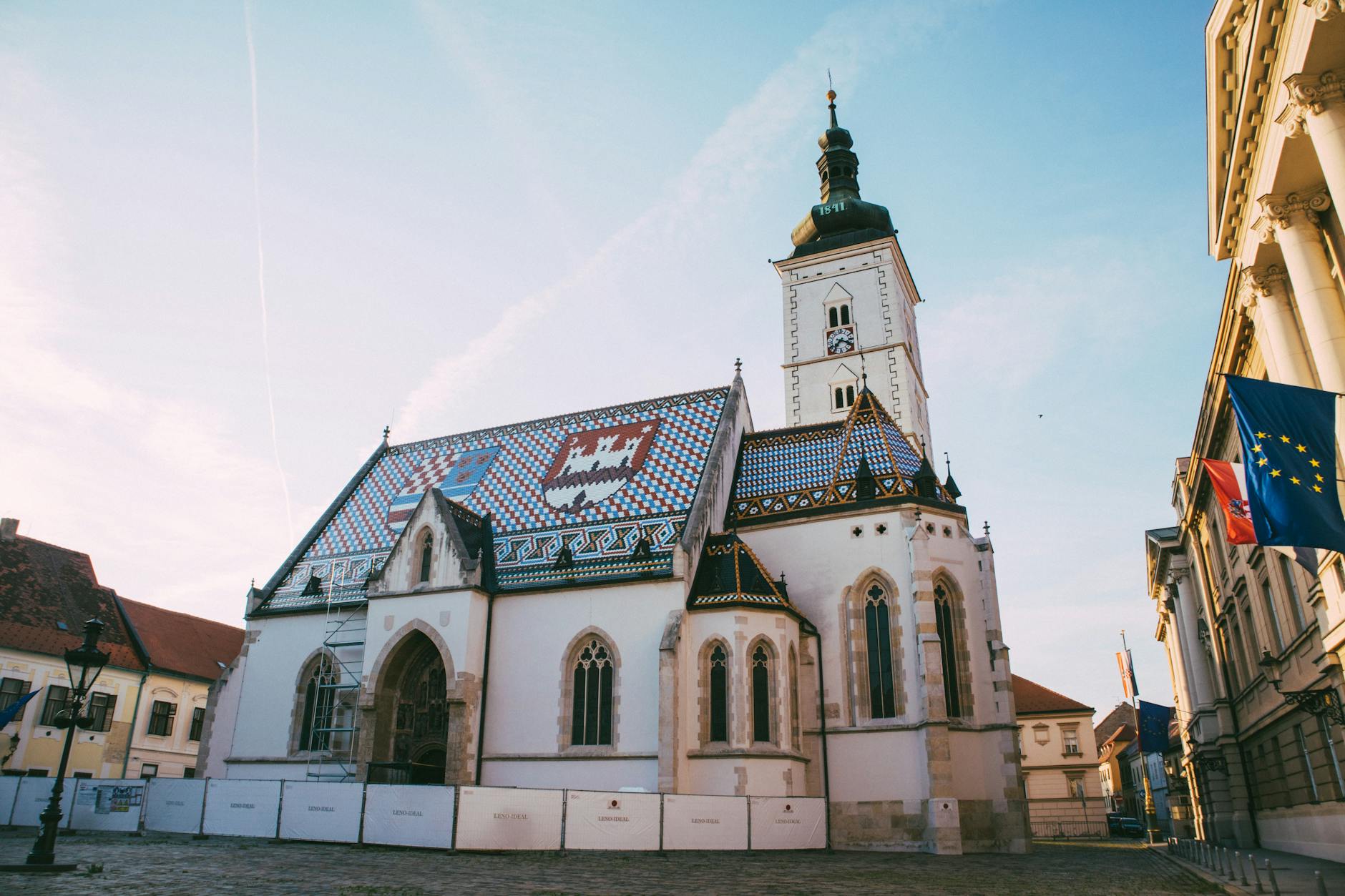
Day 1
Zagreb is often skipped by travellers racing to the coast, but it is a useful and enjoyable first stop. It is cheaper and calmer than Dubrovnik, easy to walk around, and a good place to get your bearings before moving south.
What to do in Zagreb
- Start in Upper Town. Walk through Gornji Grad, St Mark’s Church, Stone Gate and the old cobbled streets around the historic centre.
- Visit Dolac Market. It is central, colourful and perfect for fruit, snacks, pastries and a low-cost first taste of Croatia.
- See the Museum of Broken Relationships. It is unusual, memorable and one of Zagreb’s best-known museums.
- Spend the evening on Tkalčićeva Street. This is the easy backpacker-friendly cafe and bar strip for your first night.
What to eat in Zagreb
Try štrukli, burek, grilled meats, Zagreb-style schnitzel or a casual market lunch. For backpackers, bakeries are your friend: cheap, filling and everywhere. You do not need to chase a fancy restaurant on day one.
Where to stay in Zagreb
Stay close to the centre or main transport links so you can leave easily the next morning. Hostel Bureau and Swanky Mint are typical backpacker picks, but Zagreb has plenty of hostels, apartments and guesthouses depending on your budget.
Backpacker tip: if your flight lands late, do not try to force a massive sightseeing day. Check in, get food, walk the centre, then start fresh for Split the next morning.
Days 2–4: Split and the Dalmatian Coast
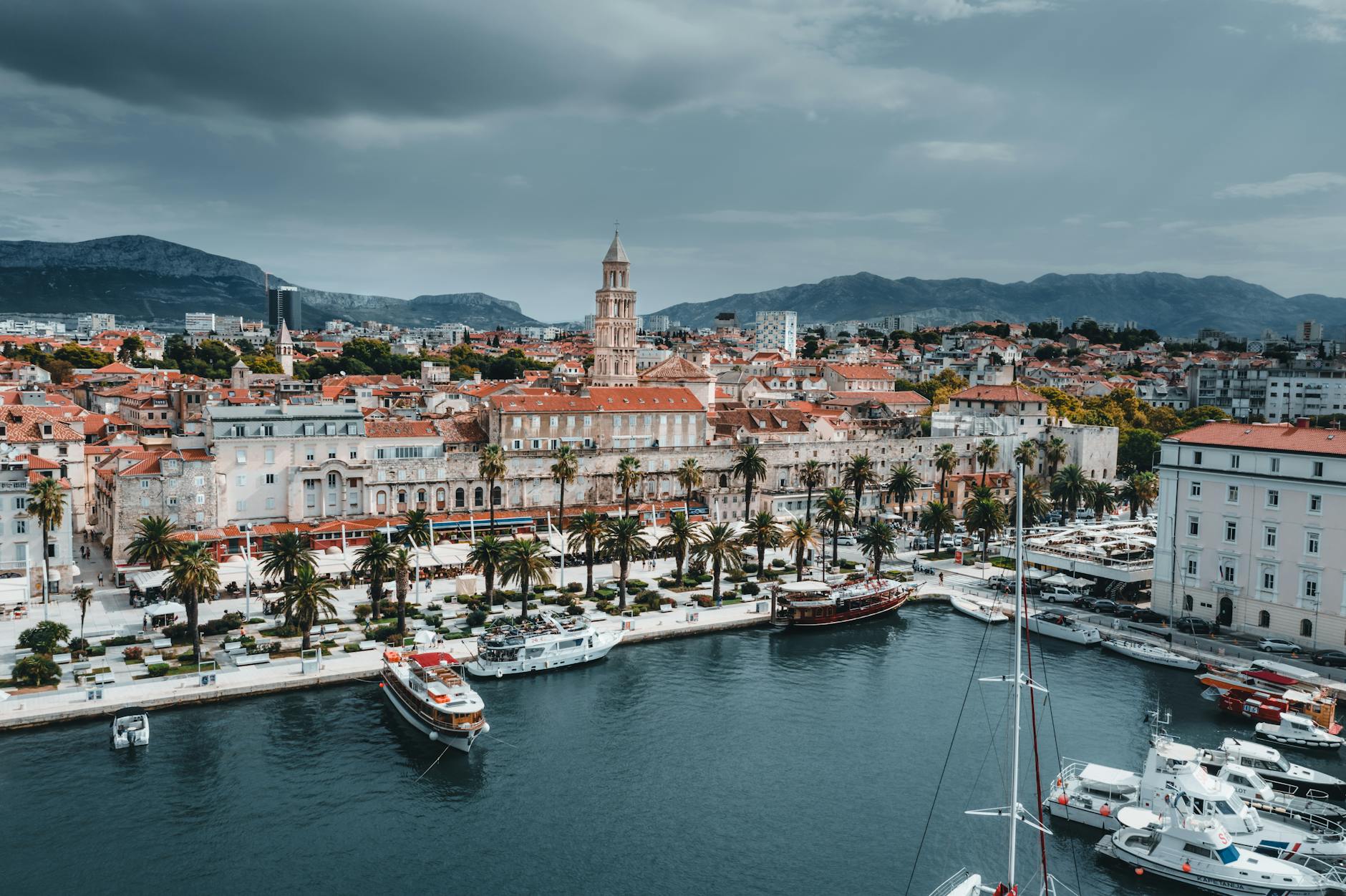
Days 2–4
Split is the best base for the middle of a one-week Croatia route. It gives you history, beaches, nightlife, ferries, day trips and better value than using Hvar or Dubrovnik as your main base.
Day 2: Travel to Split and explore Diocletian’s Palace
Travel from Zagreb to Split by bus, train or domestic flight depending on your budget and timing. Once you arrive, keep the first day simple: check in, drop your bag and walk straight into the Old Town.
Diocletian’s Palace is not a single museum-style attraction. It is the living centre of Split, with lanes, courtyards, bars, restaurants, apartments and ancient Roman remains all mixed together. Wander without trying too hard, then loop out to the Riva promenade for sunset.
Day 3: Old Town, bell tower, Marjan Hill and beaches
Use your full Split day to go deeper. Visit the Cathedral of Saint Domnius, climb the bell tower if you want the classic view, explore the palace cellars and then walk up Marjan Hill for a cheaper, less crowded viewpoint over the city and coast.
In the afternoon, choose your beach. Bačvice is close and social, while Kašjuni feels more scenic if you are happy to travel a little further. Neither requires a complicated plan.
Day 4: Choose your day trip
This is where you personalise the route. Pick one, not three:
- Hvar: best for pretty harbour views, nightlife, fortress views and a more polished island day.
- Brač: best if you want beaches, especially Bol and Zlatni Rat, though timings can be awkward as a day trip.
- Trogir: easiest short culture trip from Split if you want less ferry stress.
- Krka National Park: good waterfall option if you want nature but cannot fit Plitvice.
Ferry warning: Croatian island ferries are seasonal and timings change. Check the official sailing schedule before locking in an island day, especially in shoulder season.
What to eat in Split
Split can be touristy around the waterfront, so look a few streets back from the Riva for better-value meals. Try grilled fish, black risotto, peka if you see it, burek for breakfast, and casual konoba-style meals when you want something more local. Fife is a classic budget mention, but expect it to be busy.
Where to stay in Split
Stay near the Old Town, bus station or ferry port if you are moving around by public transport. It makes island trips and the Dubrovnik transfer much easier. Split Backpackers and Tchaikovsky Hostel are the kind of budget options to compare, but book early in summer because prices jump.
Days 5–7: Dubrovnik, the Pearl of the Adriatic
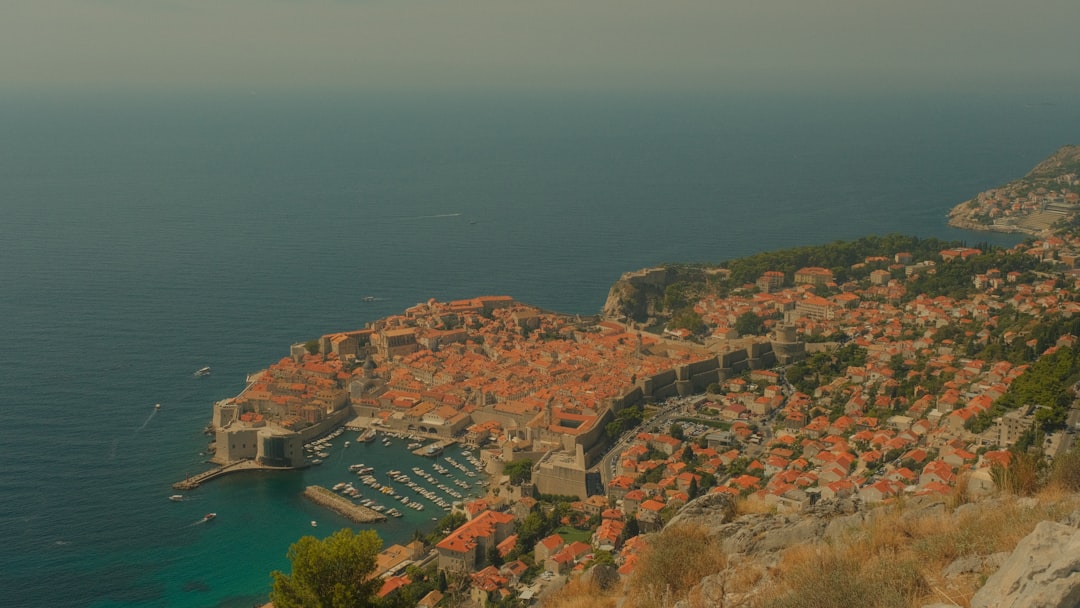
Days 5–7
Dubrovnik is the most expensive stop on this itinerary, but it is also the place most people picture when they imagine Croatia: stone walls, orange roofs, cliffside swimming spots, island views and one of Europe’s most dramatic Old Towns.
Day 5: Travel to Dubrovnik and take it slow
The journey from Split to Dubrovnik can take several hours, so treat this as a travel day with a soft landing. Once you arrive, walk through Pile Gate, wander Stradun, get lost in the side streets and save the paid attractions for tomorrow.
If you are staying outside the Old Town, check the local bus situation before you arrive. Dubrovnik accommodation is often better value further out, but walking with a backpack in summer heat is not fun.
Day 6: City Walls, Lovrjenac Fortress and Old Town viewpoints
Walk the Dubrovnik City Walls early in the morning or late in the day. Midday can be brutally hot and crowded, especially in July and August. The ticket is not cheap, but if you only pay for one major attraction in Dubrovnik, this is the one.
After the walls, visit Lovrjenac Fortress, explore the quieter Old Town lanes, find a cliffside swimming spot or viewpoint, and consider Mount Srđ for sunset if the weather is clear.
Day 7: Lokrum, Elaphiti Islands or a beach day
For your last full day, choose based on your energy:
- Lokrum Island: easy half-day escape from the Old Town with swimming spots, pine trees and views back to Dubrovnik.
- Elaphiti Islands: better if you want a longer island-hopping day with beaches and small villages.
- Mount Srđ: best for the postcard view over the Old Town and Adriatic.
- Beach day: the right call if you are tired and have an early flight or bus the next morning.
What to eat in Dubrovnik
Dubrovnik is the easiest place on this route to overspend. For cheaper food, use bakeries, supermarkets, casual takeaway spots and restaurants outside the most obvious Old Town streets. If you do eat a proper sit-down meal, try black risotto, grilled fish, seafood pasta or a simple Dalmatian plate.
Where to stay in Dubrovnik
Old Town accommodation is atmospheric but expensive and awkward with luggage. Backpackers often get better value in Lapad, Gruž or areas connected by bus. Hostel Angelina Old Town is a popular central option, while guesthouses outside the walls can be better value if you are comfortable using local transport.
Should you add Plitvice Lakes to a 7-day Croatia itinerary?
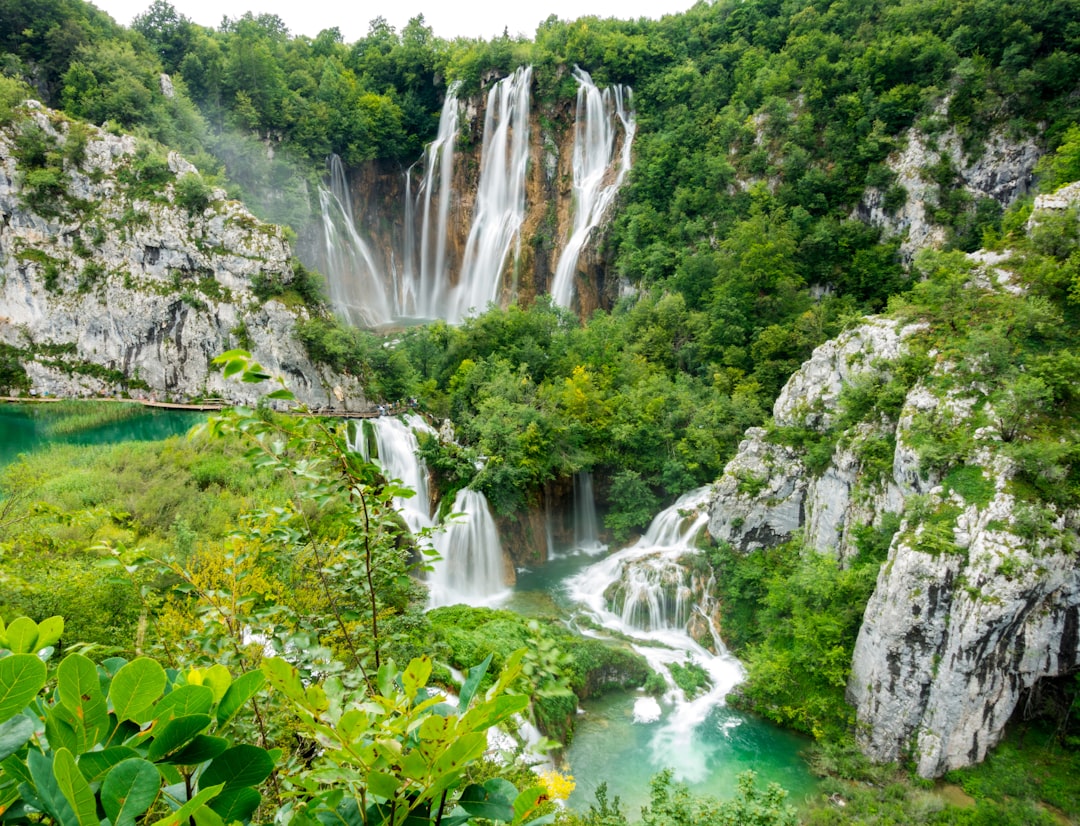
Plitvice Lakes is one of Croatia’s most famous natural sights, and it absolutely can be worth visiting. The issue is time. On a seven-day Zagreb–Split–Dubrovnik route, adding Plitvice usually means either rushing the coast or creating an awkward travel day.
If Plitvice is a must for you, there are three cleaner ways to do it:
- Swap Day 1: arrive in Zagreb, sleep there, then visit Plitvice on the way south instead of spending a relaxed day in the capital.
- Swap the island day: keep Zagreb, Split and Dubrovnik, but use your Split day-trip slot for nature rather than Hvar or Brač.
- Add one extra day: the best option if your dates are flexible. An eight-day version makes Plitvice much easier.
My take: for a first one-week Croatia trip, I would prioritise Split, one island/coastal day and Dubrovnik. Add Plitvice if waterfalls matter more to you than island time.
Croatia backpacking budget tips
Croatia is not the ultra-cheap backpacker destination some people still imagine, especially in summer. Dubrovnik, Hvar and peak-season Split can get expensive fast. But with a few smart choices, the route is still manageable.
- Travel in shoulder season. May, June, September and early October are usually much better value than July and August.
- Book hostels early. Last-minute summer dorm beds can get painfully expensive.
- Use bakeries and markets. Burek, pastries, fruit and supermarket lunches save a lot over a week.
- Stay near transport. A cheaper room can become annoying if you are constantly paying for taxis.
- Limit paid attractions. Pick the City Walls in Dubrovnik, then balance the rest with free viewpoints, beaches and wandering.
- Choose one island day. Ferries, food and beach extras add up when you try to island-hop too aggressively.
| Expense | Budget approach | Where costs jump |
|---|---|---|
| Accommodation | Dorms, guesthouses, rooms outside Old Towns | Dubrovnik Old Town, Hvar, July/August |
| Food | Bakeries, markets, supermarkets, casual konobas | Waterfront restaurants and Old Town main streets |
| Transport | Buses, ferries, walking, local buses | Taxis, last-minute private transfers, peak-season ferries |
| Activities | Free viewpoints, beaches, Old Town wandering | Dubrovnik walls, guided tours, boat trips |
Transport tips for this 7-day route
Public transport works well enough for this itinerary, but you need to check times rather than assuming everything runs constantly. Croatia is long and coastal, so journeys can look short on a map but take longer than expected.
Zagreb to Split
Bus is usually the simplest backpacker option, while train can be scenic but slower depending on the service. A domestic flight may make sense if the timing and price line up, but it is not essential.
Split island day trips
For Hvar, Brač and other islands, ferry schedules vary by route and season. Always check the latest timetable before choosing your day trip. The smartest move is to pick an island based on the actual ferry times available during your dates, not just what looks best on Instagram.
Split to Dubrovnik
Bus is the classic budget route. Ferries and catamarans can also be useful in season, but schedules depend on the month. Keep Day 5 flexible so delays or awkward arrival times do not ruin your Dubrovnik plans.
Data makes this route easier
The difference between a smooth Croatia trip and a stressful one is often boring logistics: finding the correct bus station, checking if the ferry is delayed, loading your hostel address, translating a sign, or messaging your host when you arrive late.
That is why I would install a Croatia eSIM from Saily before departure rather than waiting until you land.
Common mistakes on a one-week Croatia trip
- Trying to include too many stops. One week is not enough for every island, national park and neighbouring country.
- Leaving accommodation too late. Croatia’s best-value summer beds disappear quickly.
- Underestimating Dubrovnik prices. Budget extra for this part or stay outside the Old Town.
- Planning island days without checking ferries. Routes and times are seasonal.
- Doing the Dubrovnik walls at midday. Go early or late, especially in summer.
- Relying only on Wi-Fi. An eSIM helps with maps, tickets, ferries and check-ins.
7-day Croatia itinerary FAQ
Is 7 days enough for Croatia?
Yes, if you keep the route focused. Zagreb, Split and Dubrovnik is a strong one-week introduction. If you want Plitvice, Zadar, Hvar, Brač, Korčula, Istria and Montenegro, you need more time.
Should I start in Zagreb or Dubrovnik?
Either works. Zagreb to Dubrovnik feels natural if you are arriving from Central Europe or flying into Zagreb. Dubrovnik to Zagreb can be better if your cheapest flight lands in Dubrovnik. Choose based on flights, not tradition.
Is Split or Dubrovnik better for backpackers?
Split is usually better value and more practical as a backpacker base because it has ferries, beaches, nightlife and day trips. Dubrovnik is more dramatic and iconic, but it is also more expensive and crowded.
Should I visit Hvar or Brač from Split?
Choose Hvar for harbour views, nightlife and a polished island feel. Choose Brač if you care more about beaches, especially Bol and Zlatni Rat. For a one-week trip, pick whichever has better ferry times for your dates.
Do I need cash in Croatia?
Cards are widely accepted, but keep some euros for bakeries, markets, buses, small apartments, luggage storage and smaller island stops. A card like Wise plus a backup card is a sensible setup.
Do I need an eSIM for Croatia?
You can survive on Wi-Fi, but I would not recommend it for a fast backpacking route. A Saily Croatia eSIM makes it easier to check ferry times, use maps, message hosts and manage bookings on travel days.
What is the best month to backpack Croatia?
June and September are the sweet spots for many travellers: warm enough for the coast, but usually less intense than July and August. May and early October can also be excellent if you are comfortable with slightly less predictable beach weather.
The bottom line
A one-week Croatia backpacking trip works best when you resist the urge to see everything. Use Zagreb as your easy starting point, spend three nights in Split so you can enjoy the coast properly, then finish with three nights in Dubrovnik for the classic Old Town and Adriatic views.
For the smoothest setup, book your first few nights early, keep your island day flexible, use official ferry schedules, walk the Dubrovnik walls outside peak heat, carry a sensible travel card like Wise, and install your Saily Croatia eSIM before you fly.
Disclosure: Some links in this guide are affiliate or referral links. If you sign up or book through them, Backpacking Is Life may earn a small commission at no extra cost to you. Prices, ferry schedules, ticket rules, eSIM plans and card terms can change, so always check current details before booking.
Croatia trip setup links
Useful official references
Ferry checks for a 7-day Croatia route
With only a week, do not waste a day on bad ferry timing. Check the main coastal route and one island option before deciding how much to squeeze in.