
Japan Itinerary
If this is your first trip to Japan, the easiest 10-day route is still Tokyo, Kyoto, and Osaka. It gives you the biggest contrast between modern city energy, temple-heavy sightseeing, and food-led nights out, without turning the whole trip into a series of stressful hotel changes.
This version keeps the route practical. You get enough time in Tokyo to actually enjoy it, enough time in Kyoto to cover the obvious highlights properly, and just enough Osaka to make the food, nightlife, and easy day-trip options worth it. It is built for first-timers who want a trip that works in real life, not a checklist that looks good on paper.
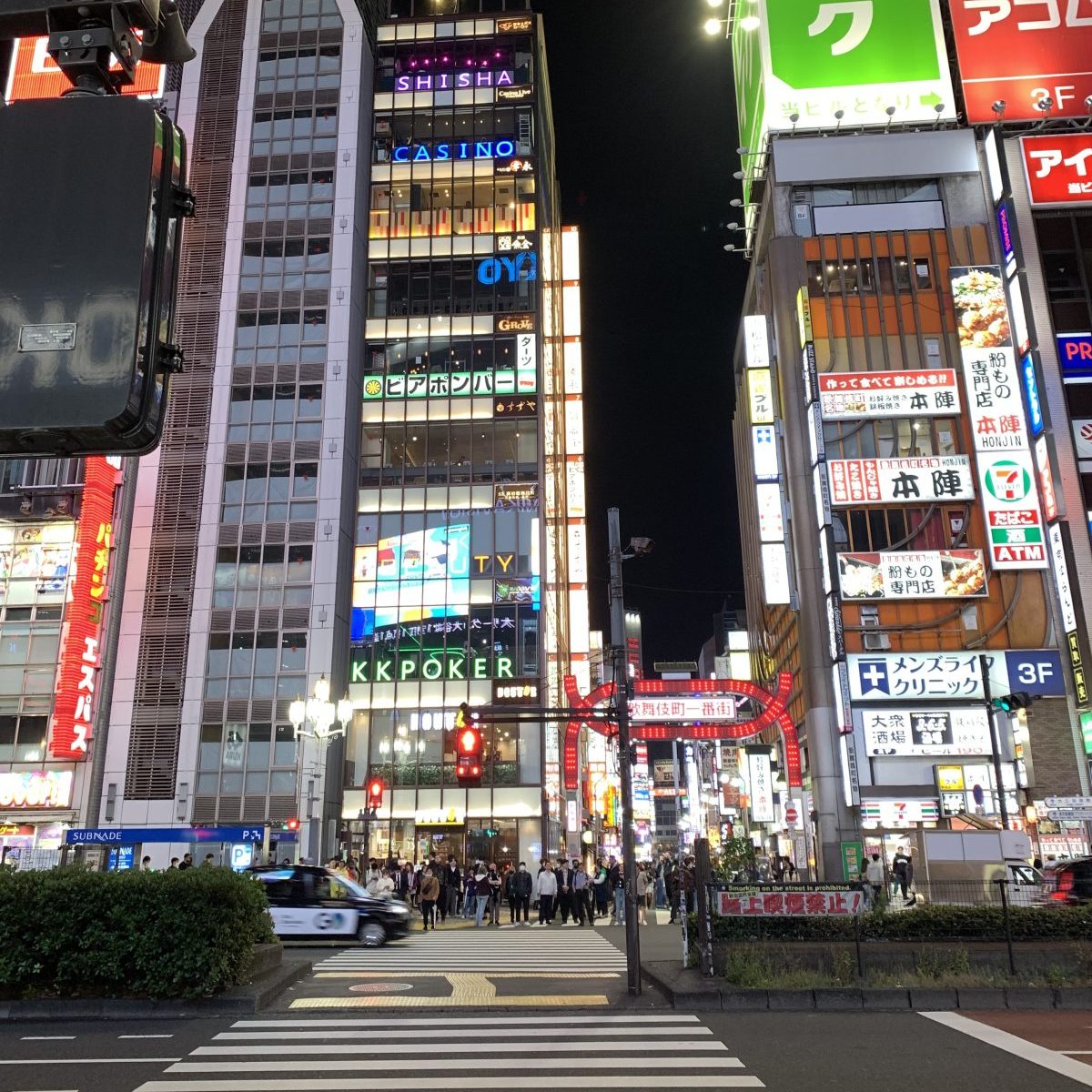
At a glance: the best 10-day split
Days 1 to 4: Tokyo
Days 5 to 7: Kyoto
Days 8 to 10: Osaka
This route works because it keeps the long-haul arrival in the easiest city, puts the cultural heavy lifting in the middle, and leaves you with Osaka for food, nightlife, and a simpler finish.
2 hotel moves only
No wasted backtracking
Sort these before you fly
Install your Japan eSIM before you land
Saily’s Japan eSIM is the simplest day-one fix. It means you can translate signs, pull up station exits, sort maps, and message your accommodation as soon as you arrive.
Get your money setup right
Japan still uses more cash than a lot of travellers expect. Before you go, sort your best travel card for Japan and read the Japan ATM guide so you are not figuring it out at the airport.
JR Pass note: for a straight Tokyo-Kyoto-Osaka trip, a nationwide JR Pass is usually not the slam-dunk it used to be. It becomes much more worth pricing if you are also adding Hiroshima or more long-distance train days. If you want to check it anyway, Klook’s JR Pass page is the quickest place to do that.
Days 1 to 4
Tokyo: land, recover, and do the heavy city stuff first
Tokyo deserves more than a rushed stop. Four days gives you time to recover from the flight, see both older and newer sides of the city, and avoid making every day feel like a sprint between neighbourhoods.
Day 1
Arrival day: keep it light
Do not build a hero sightseeing day on top of your arrival. Drop your bags, get your bearings, eat something easy, and keep the first afternoon local.
- Best move: stay in Shinjuku, Shibuya, or near Tokyo Station for the easiest start.
- If you land tired, make day one a neighbourhood walk, dinner, and early sleep.
Day 2
Classic Tokyo day
This is the easiest day to do on foot plus short train hops. You get the more traditional Tokyo feel in the morning, then bigger city energy later in the day.
- Start in Asakusa before it gets too busy.
- Use Ueno as your slower midday section if you need a break.
- Finish in Akihabara or around Tokyo Station depending on energy.
Day 3
West Tokyo day
This is one of the strongest combinations for first-timers because it moves naturally from shrine and greenery into fashion streets, cafés, and skyline views.
- Start at Meiji Jingu before the midday crowds.
- Walk out into Harajuku and Omotesando rather than bouncing back on trains.
- Finish with Shibuya in the late afternoon or at night.
Day 4
Buffer day for the Tokyo version you actually want
This is where the itinerary becomes realistic. Keep one Tokyo day flexible so you can fit in museums, shopping, a café-heavy day, or just a slower start if the first few days were bigger than expected.
- Good options: Nakameguro, Daikanyama, Ginza, Shimokitazawa, or teamLab if that is your thing.
- If you prefer a shorter Tokyo stay, this is the day you can cut first.
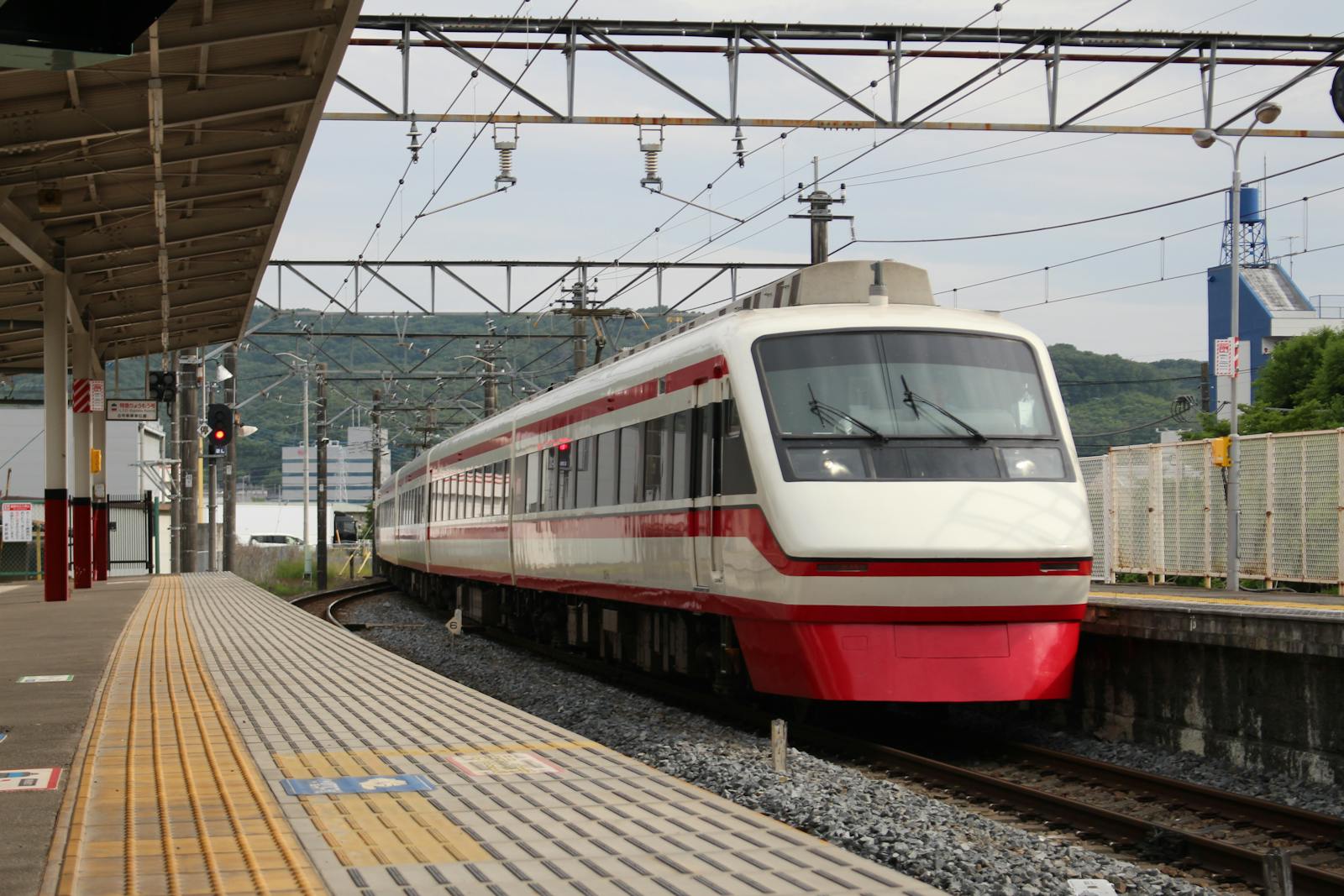
Days 5 to 7
Kyoto: temples, old streets, and the slower middle of the trip
Kyoto is where the trip shifts. The rhythm is slower, the walking is heavier, and it makes more sense to group sights by area rather than pinballing across the city.
Day 5
Travel from Tokyo to Kyoto, then keep the first Kyoto day compact
Take the train in the morning, drop bags, and make the first Kyoto half-day a gentle one. Gion, Yasaka Shrine, and the older streets around Higashiyama work well because they feel atmospheric without demanding a huge route.
Day 6
The big Kyoto day
This is the day most people imagine when they think of Kyoto. Start early, keep the route geographically tight, and do not try to squeeze in the whole city at once.
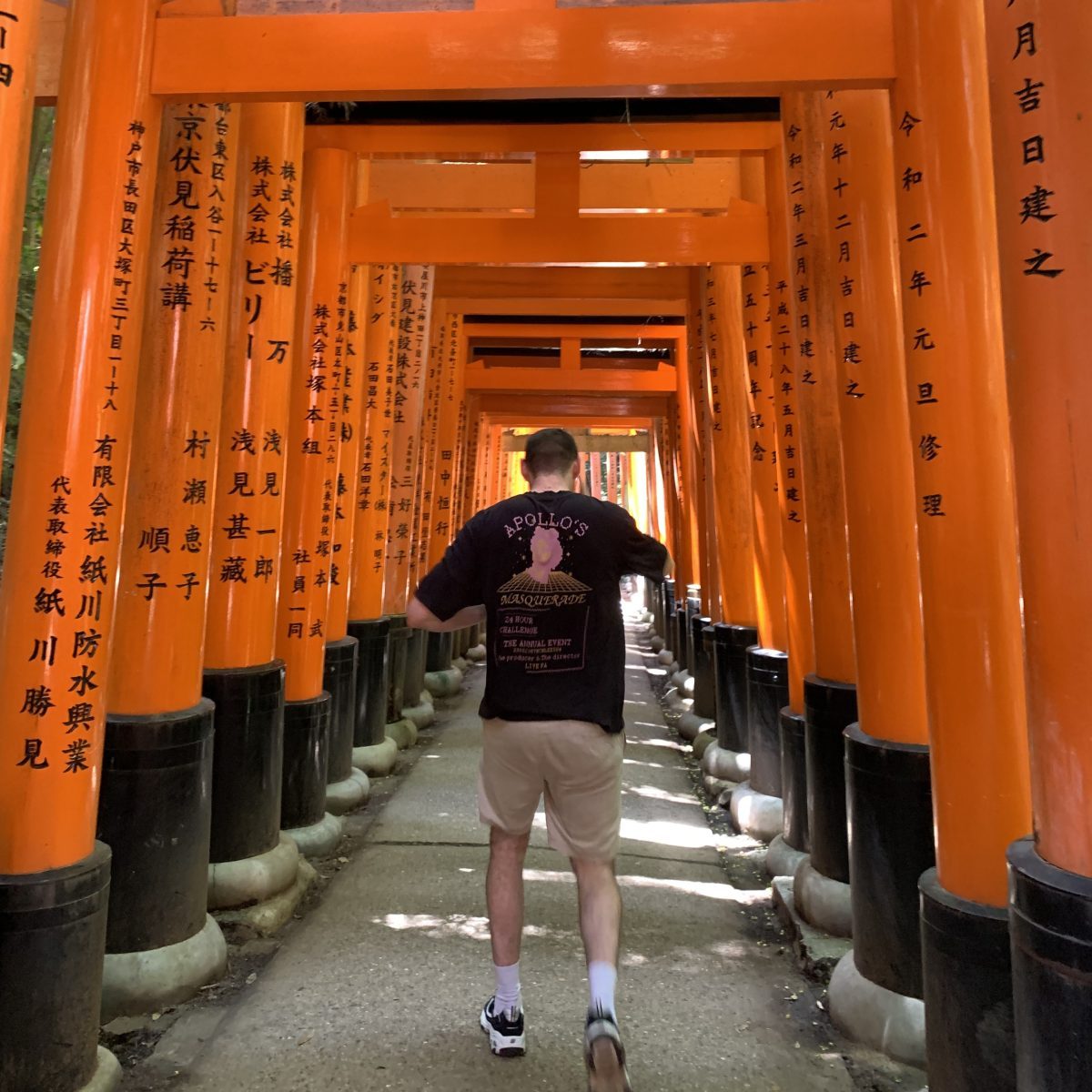
- Fushimi Inari works best early.
- Kiyomizu-dera and Higashiyama fit naturally in the same day.
- Finish in Gion rather than bouncing elsewhere at night.
Day 7
Arashiyama or a second slower Kyoto day
Arashiyama is still worth doing, but it is better as its own day or half-day. If you are already templed out, use this as a recovery day for shopping, cafés, or a lighter neighbourhood plan instead.
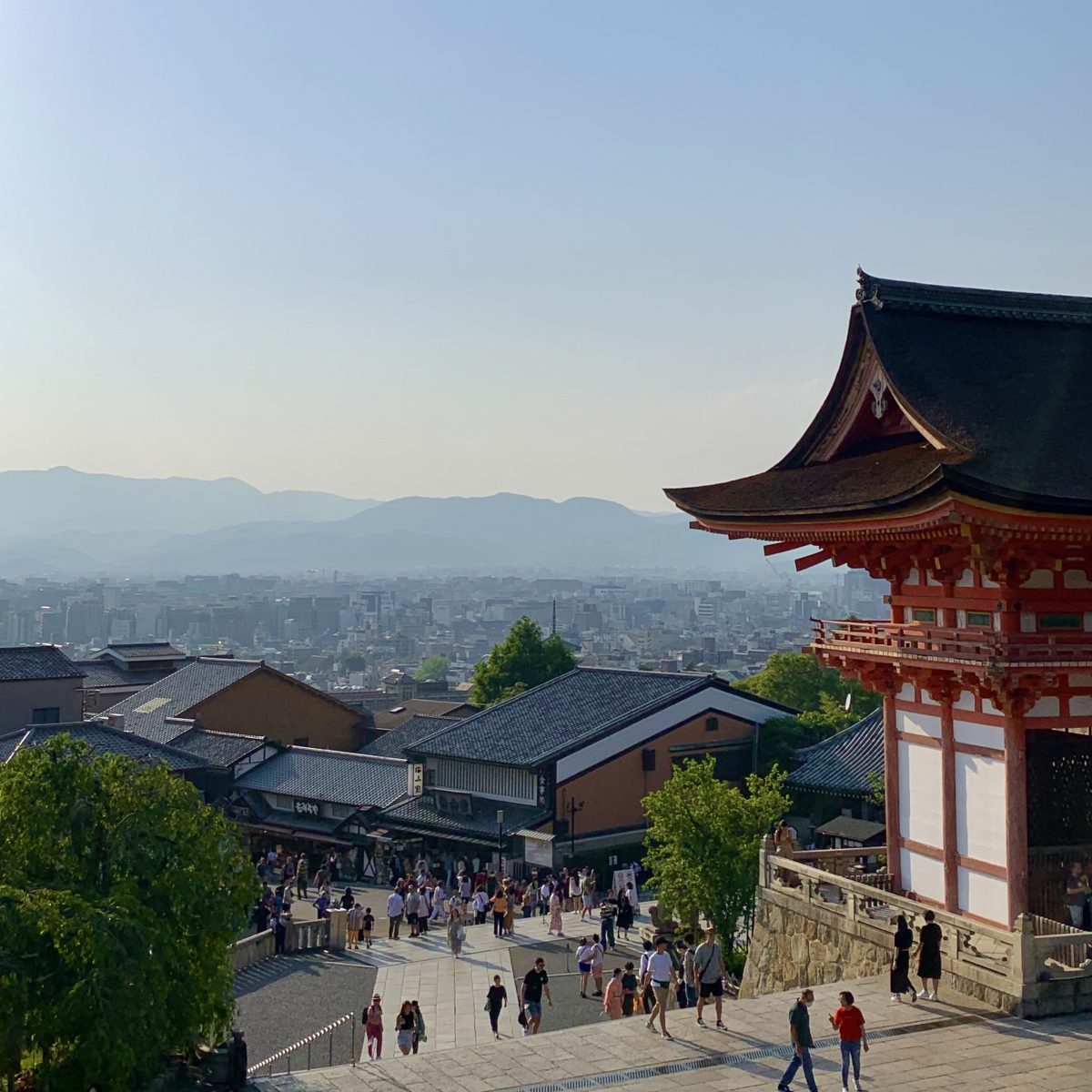
Days 8 to 10
Osaka: easier days, better nights, and a practical finish
Osaka is a much easier finish than it is a start. By the time you get here, you have already done the heavier cultural sightseeing, so Osaka can be more about food, city energy, and keeping the last few days flexible.
Day 8
Move from Kyoto to Osaka, optionally via Nara
This is the cleanest place to fit Nara if you want it. If not, just head straight to Osaka, check in, and keep the day light around Namba, Dotonbori, or Umeda.
Day 9
Core Osaka day
Do not overcomplicate Osaka. One solid city day is usually enough for first-timers if you are already coming from Tokyo and Kyoto.
- Keep the day split between one daytime area and one night area.
- Osaka is better for food and atmosphere than for cramming in endless sights.
Day 10
Departure day
The cleanest version of this itinerary is an open-jaw trip: arrive in Tokyo, leave from Osaka. If your return flight is out of Tokyo, account for that properly rather than pretending it is a small detail.
If you are choosing between more Kyoto or more Osaka: most first-timers should give the extra night to Kyoto unless they care much more about nightlife, shopping, and food districts than temples and older neighbourhoods.
Planning
Where to stay on this route
Tokyo
Best first-timer areas: Shinjuku, Shibuya, or near Tokyo Station. Those areas make arrival easier and reduce the amount of time you spend learning the train system while jet-lagged.
Kyoto
Good practical bases: around Kyoto Station for easier transport, or Gion / Higashiyama if atmosphere matters more and you are happy to trade some convenience for it.
Osaka
Namba is the easiest fun base. Umeda / Osaka Station is the more practical transport base if you want cleaner airport or onward connections.
10-day Japan itinerary FAQ
Is 10 days enough for Japan?
Yes, if you keep it tight. Tokyo, Kyoto, and Osaka is the strongest first 10-day route because it gives you three very different city experiences without eating too much time in transit.
Should I stay longer in Kyoto or Osaka?
Most first-timers should give the extra night to Kyoto. Osaka is easier to do quickly, while Kyoto is the city people most often rush.
Is the JR Pass worth it for Tokyo, Kyoto, and Osaka?
Usually not for just those three cities. It becomes more worth checking if you are adding Hiroshima or doing more expensive long-distance train days in a short window.
What should I book before I fly?
Sort your eSIM, your travel card and ATM plan, and any major train pricing you want to compare. If you want a smoother arrival, the prep work matters more than squeezing in one extra sight.
Last checked and refreshed: March 2026. Train pricing, opening hours, and neighbourhood preferences shift over time, but the route logic here stays solid for a first Japan trip.
Leave a Reply