
Backpacking Is Life · Updated September 2026
Korean Vegan Street Food Guide 2026
15+ Street Snacks · Seoul, Busan, Gyeongju · Prices ₩2,000–5,000 (~$1.50–4 USD) · What’s safe, what to ask, what to avoid
South Korea’s street food scene is legendary — sizzling hotteok on winter streets, spicy tteokbokki from pojangmacha carts, fish-shaped bungeoppang filled with red bean paste. But here’s the challenge most vegan travellers hit immediately: traditional Korean street food hides fish sauce, anchovy broth, and dairy in places you’d never expect. This guide cuts through the guesswork — here’s exactly what’s safe, what needs a question, and what to avoid, with phrases to help you ask.
⚠️ What Looks Vegan But Isn’t
- Regular Tteokbokki: Red sauce = fish/anchovy broth + fish cakes (odeng). NOT vegan unless you specifically find “gireum tteokbokki” (oil-fried version) — covered below.
- Hotteok: Dough often contains milk powder depending on the vendor’s recipe. Always ask before buying.
- Gimbap: “Vegetable gimbap” may still contain crab sticks, fish cake, or egg. You need to specify exactly what to leave out.
- Most broths and sauces: Fish sauce, oyster sauce, and anchovy stock are baseline seasonings across Korean cooking — present in many things that appear vegetable-based.
Quick Facts
- Most street snacks: ₩2,000–5,000 (~$1.50–4 USD)
- Night markets are harder — dominated by meat and seafood
- Winter (Oct–March) = the best season for vegan-friendly snacks (hotteok, sweet potato, chestnuts)
- Learn: “채식주의자예요” (Chaesik juui-ja-ye-yo) = “I’m vegan”
- Use Naver Map — not Google Maps (Google Maps navigation doesn’t work reliably in Korea)
- Papago > Google Translate for Korean language accuracy
Skip the guesswork entirely
The Seoul Vegan & Vegetarian Market Food Tour at Gwangjang Market includes 12 plant-based tastings + 4 drinks with a guide who handles all ordering and translation. Rated 5/5 across 55 verified reviews on GetYourGuide. Maximum 9 guests per tour — it books out.
🎒 Essential Tools for Your Korea Trip
🌐 Saily eSIM — Data From the Moment You Land
You need Naver Map (the only reliable navigation in Korea), Papago translator for reading ingredient labels, and KakaoMap for vendor locations. Saily Korea eSIM starts from ~$11 for 5 GB / 30 days — install at home, activate on arrival. Made by Nord Security.
🏥 SafetyWing Travel Insurance
Covers medical emergencies, trip issues, and travel incidents across Korea and 180+ countries. Month-to-month — no fixed end date, cancel anytime. From about US$2/day.
🍃 Seoul Vegan Food Tour — Gwangjang Market
12 plant-based tastings + 4 drinks, fully guided. The guide handles all ordering and translation. Rated 5/5 on GetYourGuide. Max 9 guests — books out fast.
✅ Safe: Accidentally Vegan Street Food
These are typically vegan by default — but always confirm with the vendor, as recipes vary by stall.
1. Roasted Sweet Potato (고구마)
The quintessential Korean winter street snack. Vendors roast sweet potatoes in drum ovens on the pavement — you’ll smell the caramelised skin from half a block away. Sweet, warm, and genuinely filling for the price. Nothing added.
Price: ₩2,000–4,000 (~$1.50–3 USD) · Season: October–March · Safety: 100% vegan
2. Roasted Chestnuts (군밤)
Warm, nutty, served in a paper cone. A classic fall/winter pavement snack. Some carts also sell roasted ginkgo nuts alongside — worth trying if you see them.
Price: ₩3,000–5,000 (~$2–4 USD) · Where: Street carts near subway exits and market entrances · Season: September–February
3. Tanghulu (탕후루) & Fresh Fruit
Tanghulu is fruit — strawberries, grapes, tangerines, cherry tomatoes — coated in a crackly sugar glaze on a bamboo skewer. Extremely trendy in Korea right now, photogenic, and delicious. Plain fruit cups and skewers are also widely available.
Price: ₩3,000–6,000 (~$2–5 USD) · Where: Night markets, Myeongdong, Hongdae · Best pick: Strawberry or grape
4. Tornado Potato (회오리 감자)
Spiral-cut potato on a stick, deep-fried until golden and crispy. Get it plain with salt or paprika seasoning and it’s completely vegan. Avoid the cheese or bacon topping options.
Price: ₩3,000–5,000 (~$2–4 USD) · Where: Tourist areas, night markets · Order: Plain, salt, or paprika — skip cheese/bacon
5. Fresh Fruit Juice (생과일 주스)
Watermelon, strawberry, and orange freshly pressed to order. Extremely refreshing in summer. No additives at the better stalls — pure fruit.
Price: ₩3,000–5,000 (~$2–4 USD) · Where: Markets, beach areas · Season: Spring–Summer
⚠️ Ask First: Can Be Vegan With Modifications
These are popular, worth eating, but require a quick question before you buy.
Hotteok (호떡) — Sweet Pancakes
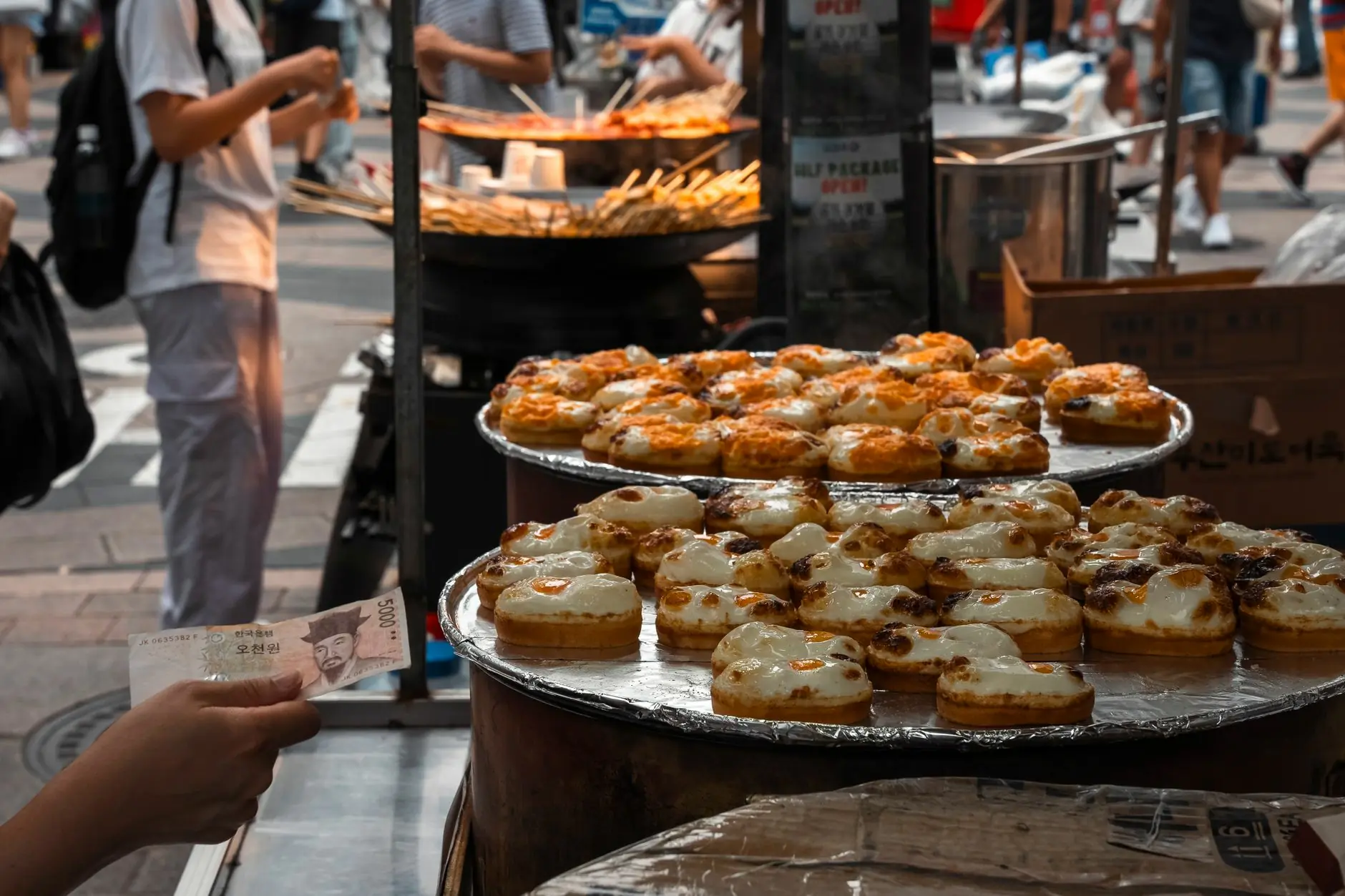
Hotteok is the street food most visitors become obsessed with — a thick pancake filled with brown sugar, cinnamon, and peanuts or seeds, pressed flat on a griddle until the outside is crisp and the inside is a molten pool of sweetness. Served in a paper cup (it’s very hot — don’t rush it). Winter only, roughly October–March.
The dough often contains milk or milk powder — it varies by vendor and recipe. Plain seed-filled versions (씨앗 hotteok) are more likely to be dairy-free than specialty flavours like green tea, corn, or black rice, which almost always contain dairy.
“우유 들어가요?” (U-yu deul-eo-ga-yo?) = “Does this contain milk?”
Price: ₩2,000–3,000 (~$1.50–2.50 USD) · Where: Everywhere in winter — Myeongdong, all major markets, subway exits · Season: October–March
Gimbap (김밥) — Seaweed Rice Rolls
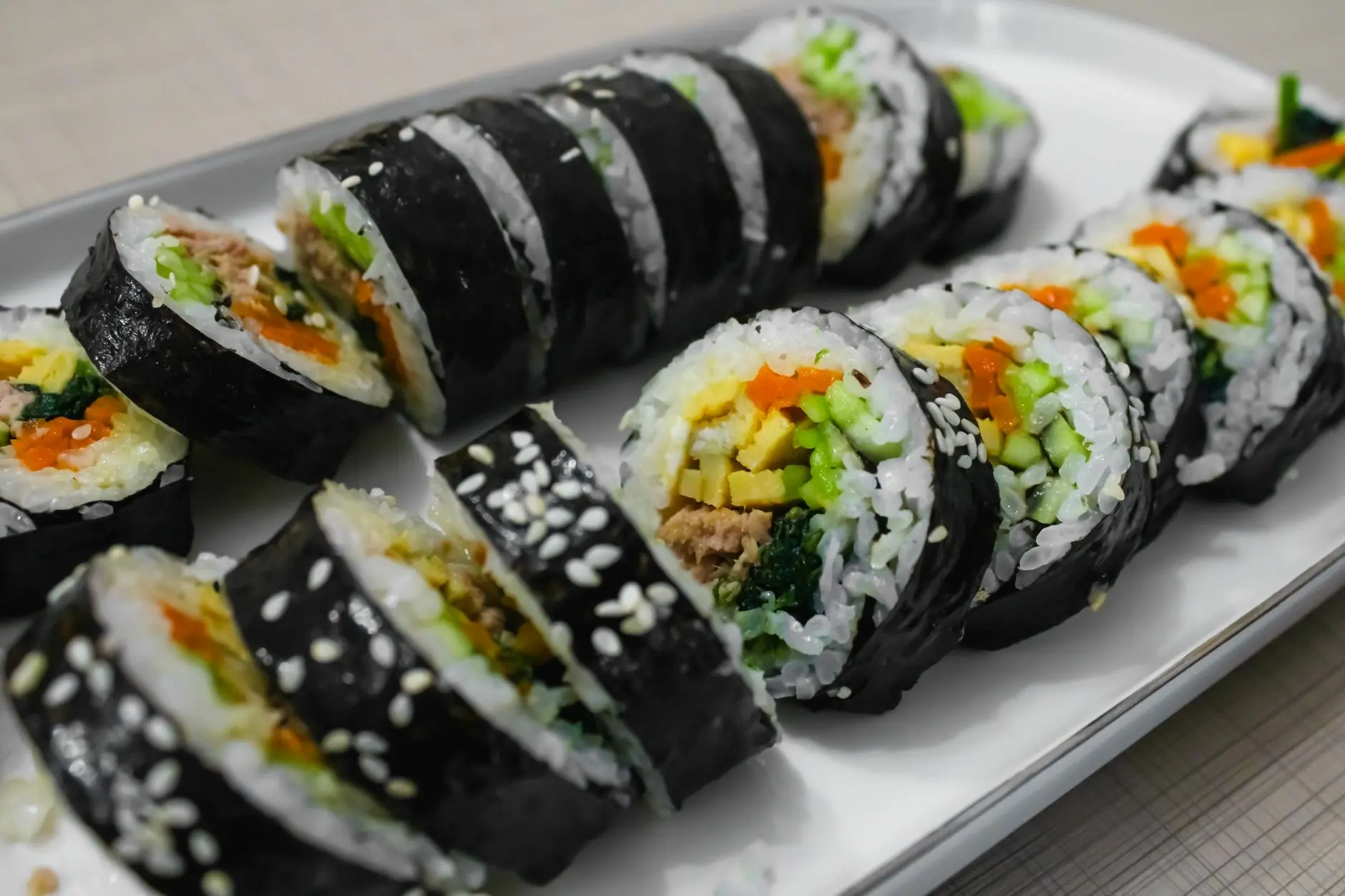
Korea’s equivalent of a sushi roll — rice and fillings wrapped in dried seaweed (gim), sliced into rounds, and eaten cold. Great portable food, widely available, and affordable. The issue is the default fillings.
Standard gimbap contains crab sticks, fish cake, spam, ham, and/or egg. Even ordering “vegetable gimbap” (야채 김밥) doesn’t guarantee this — some vendors still add egg by default.
- Ask for “yache gimbap” (야채 김밥) — vegetable gimbap
- Specify: “No egg, no crab, no fish cake”
- Standard vegan fillings: pickled radish (danmuji), carrot, cucumber, spinach, burdock root
Price: ₩2,500–4,000 (~$2–3 USD) per roll · Where: Markets, gimbap stalls everywhere · Also try: Mayak gimbap (bite-sized mini rolls)
Gireum Tteokbokki (기름떡볶이) — Oil-Fried Rice Cakes
This is the vegan-friendly tteokbokki. Rice cakes fried in oil rather than simmered in red sauce — no fish broth, no fish cakes. Seasoned with soy sauce or chili. Can be quite spicy. Worth going out of your way for.
The standard red-sauce tteokbokki you see everywhere contains fish/anchovy broth and fish cakes. It is not vegan. Only the oil-fried gireum version is safe — don’t assume, always confirm.
Tongin Market (통인시장), Seoul — this market is famous for gireum tteokbokki and has multiple stalls offering it. Uses a unique “dosirak” coin system: buy tokens at the entrance, exchange them for food from stalls. One of the best market experiences in Seoul regardless of dietary preference.
Price: ₩3,000–5,000 (~$2–4 USD) · Metro: Line 3, Gyeongbokgung Station, Exit 2 · Flavours: Mild (soy sauce) or spicy (chili)
Bindaetteok (빈대떡) — Mung Bean Pancakes
Savory pancakes made from ground mung beans and vegetables, pan-fried until crispy. Substantial, savoury, and very Korean. Dip in soy sauce. Often vegan by default — one of the more reliable options at traditional markets.
Price: ₩3,000–5,000 (~$2–4 USD) · Where: Gwangjang Market (Seoul), traditional markets in Gyeongju · Best with: Soy sauce for dipping
Bungeoppang (붕어빵) — Fish-Shaped Bread
Adorable fish-shaped pastries (similar to Japanese taiyaki) filled with red bean paste, custard, cheese, or Nutella. A beloved Korean winter treat. The filling matters more than the shape for veganness — red bean paste is the safest choice.
Traditional batter contains dairy and eggs. Some vendors now offer vegan batter — worth asking. Red bean (팥) filling is more likely to be vegan than custard or cheese fillings.
Price: ₩1,500–3,000 (~$1–2.50 USD) · Where: Winter street carts across all cities · Also try: Croissant-bungeoppang (newer crispy pastry version)
🍡 Traditional Korean Sweets (Usually Vegan)
Plain Tteok (떡) — Sweet Rice Cakes
Mochi-like sweet rice cakes in various colours and fillings. Usually vegan — different from tteokbokki rice cakes. Look for colourful varieties in traditional sweet shops and markets.
Price: ₩2,000–4,000 (~$1.50–3 USD)
Dalgona (달고나) — Toffee Candy
Yes, from Squid Game. Melted sugar and baking soda pressed flat with a stamped shape to trace. Fun, nostalgic, and vegan — pure sugar and bicarb.
Price: ₩1,000–2,000 (~$0.75–1.50 USD) · Where: Tourist areas, markets
Mattang (맛탕) — Caramelised Sweet Potato
Deep-fried sweet potato chunks with a crunchy caramel shell. Very sweet, very good. Get the properly caramelised version — not the syrup-drizzled shortcut.
Usually vegan — confirm no butter in the caramel
Songpyeon (송편) — Seasonal Rice Cakes
Small filled rice cakes made for Chuseok (Korean Thanksgiving, usually September). Usually vegan but check for honey in the filling.
Season: Chuseok only (September–October)
📍 Where to Find Vegan Street Food by City
🏙️ Seoul
Tongin Market (통인시장) — Best for Gireum Tteokbokki
The go-to for oil-fried rice cakes. Several stalls serve gireum tteokbokki here. The market uses a “dosirak” token system — buy tokens at the entrance, exchange them for food portions from different stalls. One of the more interesting food experiences in Seoul.
Metro: Line 3, Gyeongbokgung Station, Exit 2 · Also good for: Bindaetteok, sweet potato
Myeongdong (명동) — Tanghulu, Hotteok, Fruit
Tourist central — lots of tanghulu stalls, hotteok carts, and fruit vendors. Vibrant and easy to navigate. Check ingredients on hotteok and ask about milk. Good for tanghulu and tornado potatoes.
Metro: Line 4, Myeongdong Station
Hongdae (홍대) — Trendy Snacks, More Vegan Awareness
University neighbourhood — younger crowd, more modern street food stalls, and generally better awareness of dietary preferences. Good for fresh juice, sweet potato vendors, and newer snack formats.
Metro: Line 2 / Airport Railroad, Hongik University Station
Gwangjang Market (광장시장) — Bindaetteok Only
Famous traditional market, strong atmosphere, worth visiting — but mostly non-vegan. The bindaetteok (mung bean pancakes) stalls are the main target. Don’t expect many other options. This is also the location of the GetYourGuide vegan food tour, which maps a vegan route through the stalls you wouldn’t find solo.
Metro: Line 1, Jongno 5-ga Station
Staying in Seoul? Myeongdong puts you within walking distance of the night market stalls and is well-connected by subway to Tongin, Hongdae, and Gwangjang. Hongdae is the better pick for a lively neighbourhood base.
🌊 Busan
Gukje Market (국제시장)
Ask for yache gimbap (야채 김밥) and specify no egg, no fish cake. Bindaetteok vendors also present. Sweet potato carts near the entrance on cooler days.
Gamcheon Culture Village
The colourful hillside village has a takeaway stall with rainbow mochi and a posted “Vegan Food” sign — a genuinely rare find at a Korean tourist site. Strawberry and mango flavours.
Beach Areas (Haeundae, Gwangalli)
Fresh fruit vendors and juice stalls year-round. Roasted sweet potato carts in autumn and winter. Tanghulu vendors near both beaches in warmer months.
Staying in Busan? Haeundae Beach or Seomyeon both put you well-positioned for Gukje Market and the beach food stalls.
🏛️ Gyeongju
Historic city with a more traditional street food scene. Bindaetteok is common near the markets. Some vendors offer Hwangnam-ppang (황남빵) — small red bean-filled buns that are Gyeongju’s signature snack — worth asking about dairy in the pastry. Roasted chestnuts and sweet potatoes are reliable options in autumn and winter.
Best for: Bindaetteok, Hwangnam-ppang (ask first), roasted chestnuts (fall/winter), traditional sweets
🗣️ Essential Korean Phrases
I’m vegan:
채식주의자예요
(Chaesik juui-ja-ye-yo)
Does this have milk?:
우유 들어가요?
(U-yu deul-eo-ga-yo?)
No meat:
고기 없어요
(Gogi eob-seo-yo)
No egg:
계란 없어요
(Gye-ran eob-seo-yo)
No fish sauce:
액젓 없어요
(Aek-jeot eob-seo-yo)
Only vegetables:
야채만 주세요
(Ya-chae-man ju-se-yo)
No anchovy/fish broth:
멸치육수 없이요
(Myeolchi yuksu eobs-i-yo)
💡 Tip: Screenshot these phrases before going out so you can show them directly to vendors even without data. Papago’s camera translation mode also works well for reading packaged ingredient lists.
💡 Survival Tips
1. Night Markets Are Hard Going
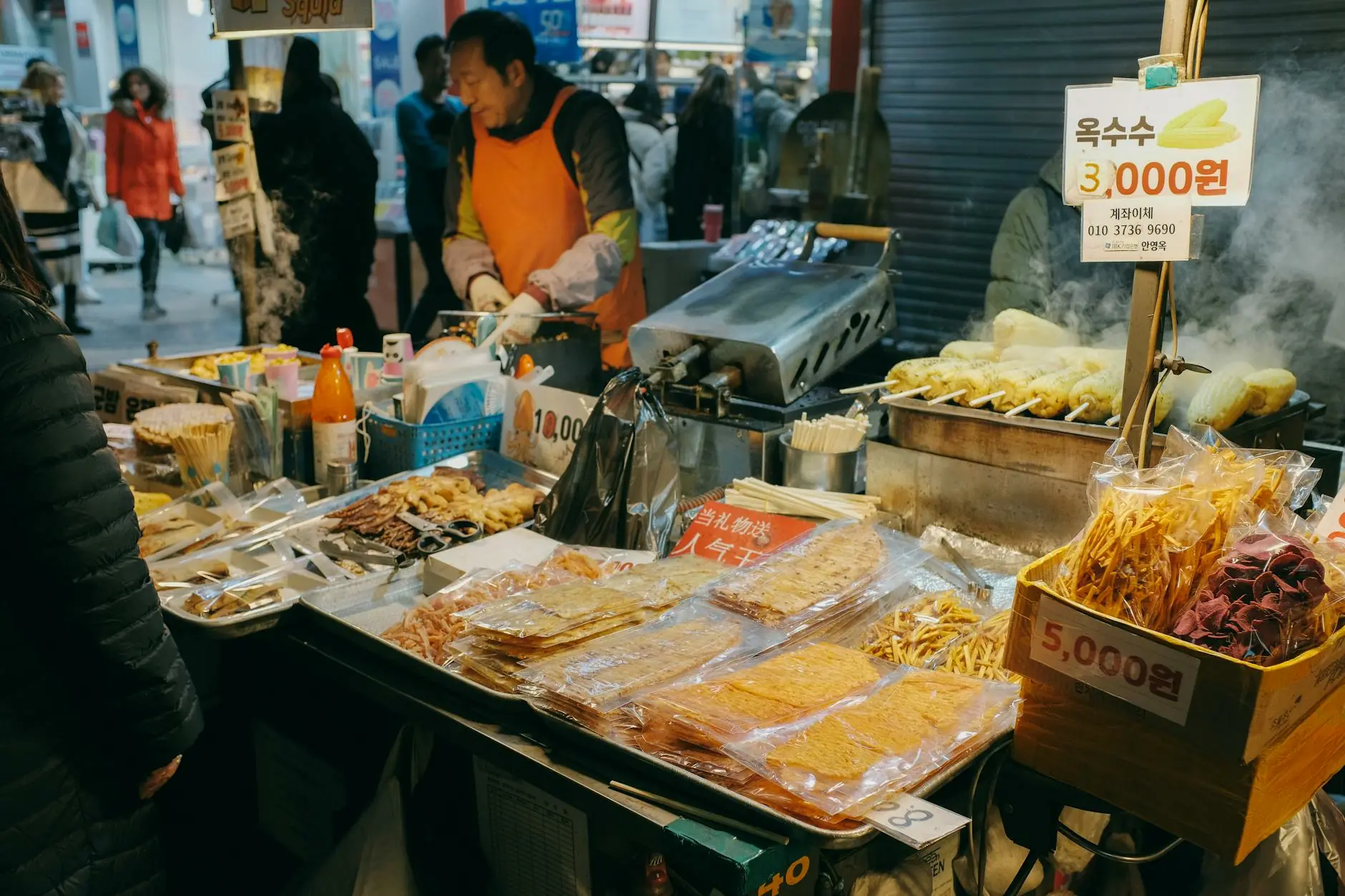
Dominated by meat, seafood, and egg. Don’t go in expecting options — go in knowing where to look: fruit vendors, tanghulu stalls, roasted sweet potato carts, and tornado potatoes (plain seasoning).
2. Naver Map, Not Google
Google Maps navigation doesn’t work reliably in South Korea due to government map data restrictions. Naver Map and KakaoMap both work properly and include vendor listings, reviews, and opening hours. You need mobile data — get your eSIM before arrival.
3. Papago Over Google Translate
Papago (Naver’s translator) is consistently more accurate for Korean. Use the camera scan mode on ingredient labels in convenience stores — it’s genuinely reliable for reading packaged food.
4. Winter Is Your Best Season
Hotteok, roasted sweet potato, chestnuts, bungeoppang, and mattang are all October–March specialties. Winter street food leans more plant-based than summer, which is dominated by seafood-heavy grills and markets.
5. Carry Backup Snacks
Don’t rely entirely on street food for meals. Convenience stores (7-Eleven, CU, GS25) have nuts, dried fruit, roasted seaweed, plain rice crackers, and soy milk (두유). Stock up before exploring markets where options may be limited.
6. HappyCow + Naver Together
HappyCow shows vegan and vegetarian restaurants and some street food vendor updates. Cross-reference with Naver Map for accurate locations and current hours — HappyCow listings can lag on openings and closures.
🏪 Convenience Store Backup Options
When street food comes up short, Korea’s convenience stores (7-Eleven, CU, GS25, Emart24) are open 24/7 and stock:
- Nuts (plain or lightly salted)
- Dried fruit and trail mixes
- Roasted seaweed snack packs (김)
- Plain rice crackers
- Fresh fruit cups
- Soy milk — 두유 (look for Samlip or Maeil brands)
- Some chips — check ingredients carefully as many contain milk powder
Final Thoughts
Korean street food as a vegan requires a bit of detective work — fish sauce hides in places you wouldn’t expect, “vegetable” dishes often still contain seafood, and night markets are heavily meat and seafood-dominated. But once you know what to look for, there’s real food to be found: roasted sweet potatoes, chestnuts, tanghulu, and tornado potatoes are reliably safe. Gimbap and hotteok are worth the extra question. And gireum tteokbokki at Tongin Market is worth a specific trip.
If you want to get a proper vegan introduction to the market food scene without having to investigate each stall yourself, the Gwangjang Market vegan food tour is the most efficient option — 12 tastings, all plant-based, with a guide who handles translation and ordering.
Get data with a Saily Korea eSIM for Naver Map and Papago. Screenshot the Korean phrases. And bite into a piping hot hotteok on a cold Seoul night (after confirming it’s dairy-free) — it’s worth the effort.
Ready for Korea?
Sort these before you fly:
Disclosure: Some links are affiliate links — Backpacking Is Life may earn a small commission if you book through them, at no extra cost to you. This doesn’t affect which products are recommended. · · Research: First-hand vendor surveys, 2025–2026 traveller reports, Happy Cow community