
First Time Backpacking? The Complete Beginner’s Guide for 2026
Everything I wish I’d known before my first trip — from someone who’s made all the mistakes so you don’t have to.
Countries Visited
AUD Daily Budget Range
Ideal Backpack Size
Updated For
Disclosure: This post contains affiliate links. If you purchase through them, I earn a small commission at no extra cost to you. I only recommend services I personally use.
I remember the feeling before my first backpacking trip — a weird cocktail of excitement and absolute terror. I’d read about fifty blog posts, watched YouTube videos until 2am, and still felt like I had no idea what I was doing.
Turns out, that’s completely normal. You figure most of it out on the road. But there are some things genuinely worth knowing before you leave — things that’ll save you money, stress, and the kind of rookie mistakes that make for funny stories later but are painful at the time.
After visiting 40+ countries across every continent except Antarctica, I’ve put together the guide I wish I’d had before that first trip. Let’s get into it.
What’s in This Guide
- Choosing Your First Destination
- How Much Does Backpacking Actually Cost?
- What to Pack (And What to Leave Behind)
- Managing Money Abroad
- Travel Insurance — Don’t Skip This
- Getting Around
- Where to Sleep
- Staying Connected
- Safety & Security
- Essential Services Compared
- Your First Week on the Road
- Pre-Departure Checklist
- FAQs
Choosing Your First Destination
This is the first big decision, and it’s where a lot of people get stuck. Here’s my honest take on the best regions for first-time backpackers in 2026:
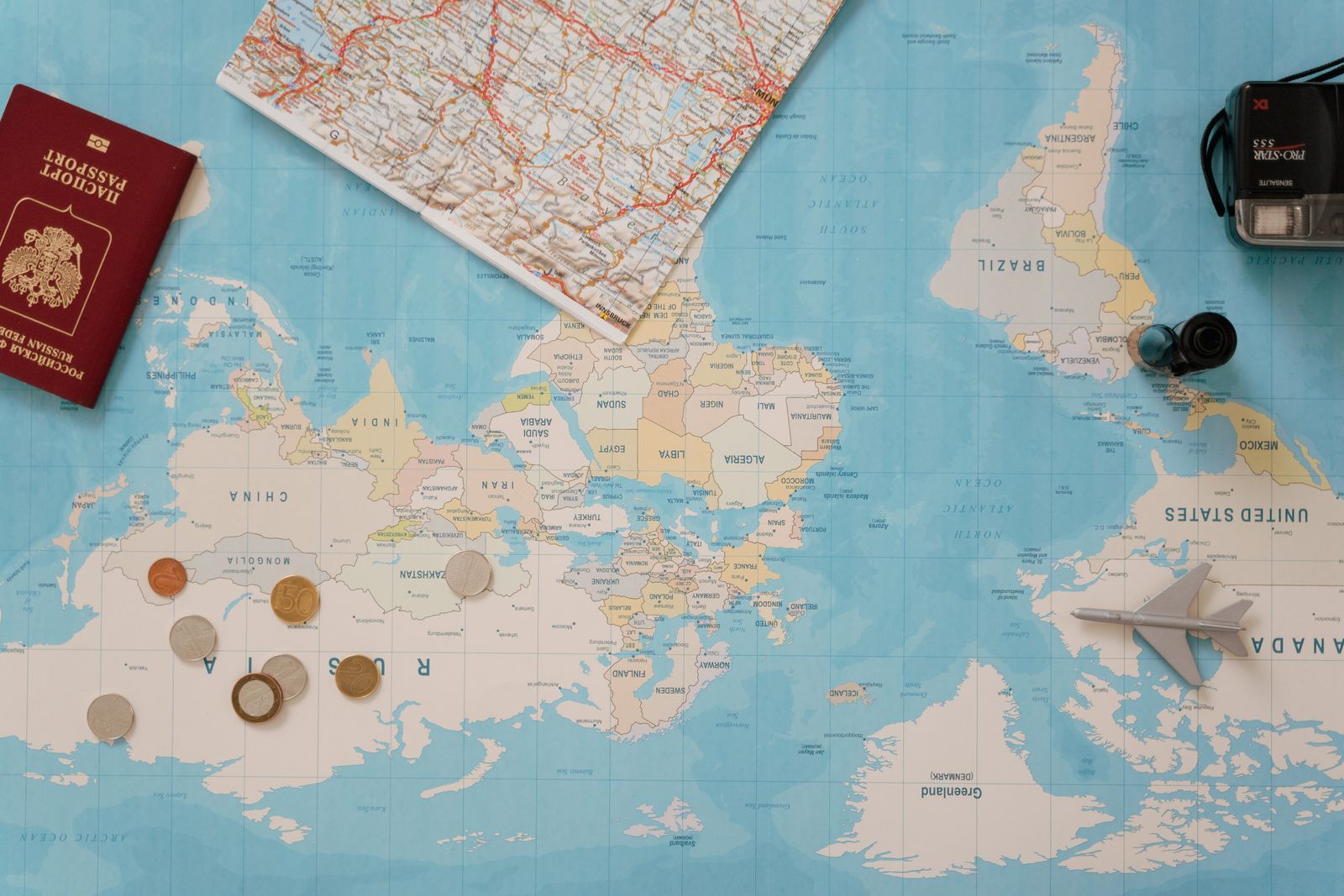
Southeast Asia — The Classic First Trip
There’s a reason Southeast Asia is the most popular backpacking region on the planet. It’s cheap, it’s beautiful, the food is world-class, and the backpacker infrastructure is incredibly well-developed. Thailand, Vietnam, Cambodia, Laos, Indonesia, and the Philippines all have well-worn backpacker trails with plenty of hostels, cheap transport, and fellow travellers to meet.
A typical first-timer route: Bangkok → Chiang Mai → Pai → down to the islands → Cambodia → Vietnam. You could spend 2–3 months on that alone and barely scratch the surface.
Daily budget: $40–60 AUD ($25–40 USD) covers a dorm bed, three meals, local transport, and the occasional activity.
Europe — More Expensive, But Incredible
If you’ve got a bigger budget or a working holiday visa for somewhere like Ireland or the UK, Europe is brilliant. The Interrail/Eurail system makes train travel straightforward, hostels are everywhere, and the diversity of cultures packed into a relatively small continent is hard to beat.
Eastern Europe (Poland, Czech Republic, Hungary, the Balkans) is significantly cheaper than Western Europe and just as rewarding — arguably more so if you want to avoid tourist crowds.
Daily budget: $50–80 AUD for Eastern Europe, $80–130 AUD for Western Europe.
Central America — The Underrated Option
Mexico and Guatemala are fantastic for first-timers. Affordable, incredible food, and a growing backpacker scene. The Gringo Trail through Mexico, Guatemala, and Belize is well-established and easy to navigate.
Daily budget: $45–70 AUD depending on the country.
How Much Does Backpacking Actually Cost?
This is the question everyone asks, and the answer is always “it depends” — which is annoying but true. Here’s a realistic breakdown based on my actual spending across different regions.
These are realistic mid-range backpacker budgets — not the absolute cheapest, but not splurging either. They assume hostel dorms, mostly local food, public transport, and a mix of free and paid activities.
The Costs People Forget
Your daily budget is only part of the picture. Factor in:
- Flights: Return flights from Australia to Southeast Asia typically run $400–800 AUD. To Europe, $900–1,500 AUD. I compare prices on Trip.com and Google Flights.
- Travel insurance: ~$45–70 USD per month — non-negotiable, more on this below.
- Visas: Southeast Asia is mostly free or visa-on-arrival ($30–50 USD). Some countries like Myanmar require advance e-visas.
- Gear: Your initial outlay for a backpack and essentials might be $300–600 AUD starting from scratch.
- Emergency fund: Always keep at least $1,000 AUD accessible. Don’t touch it unless you genuinely need to.
What to Pack (And What to Leave Behind)
Here’s the golden rule of packing: lay out everything you think you need, then remove half of it. Every experienced backpacker will tell you the same thing — you will pack too much on your first trip.
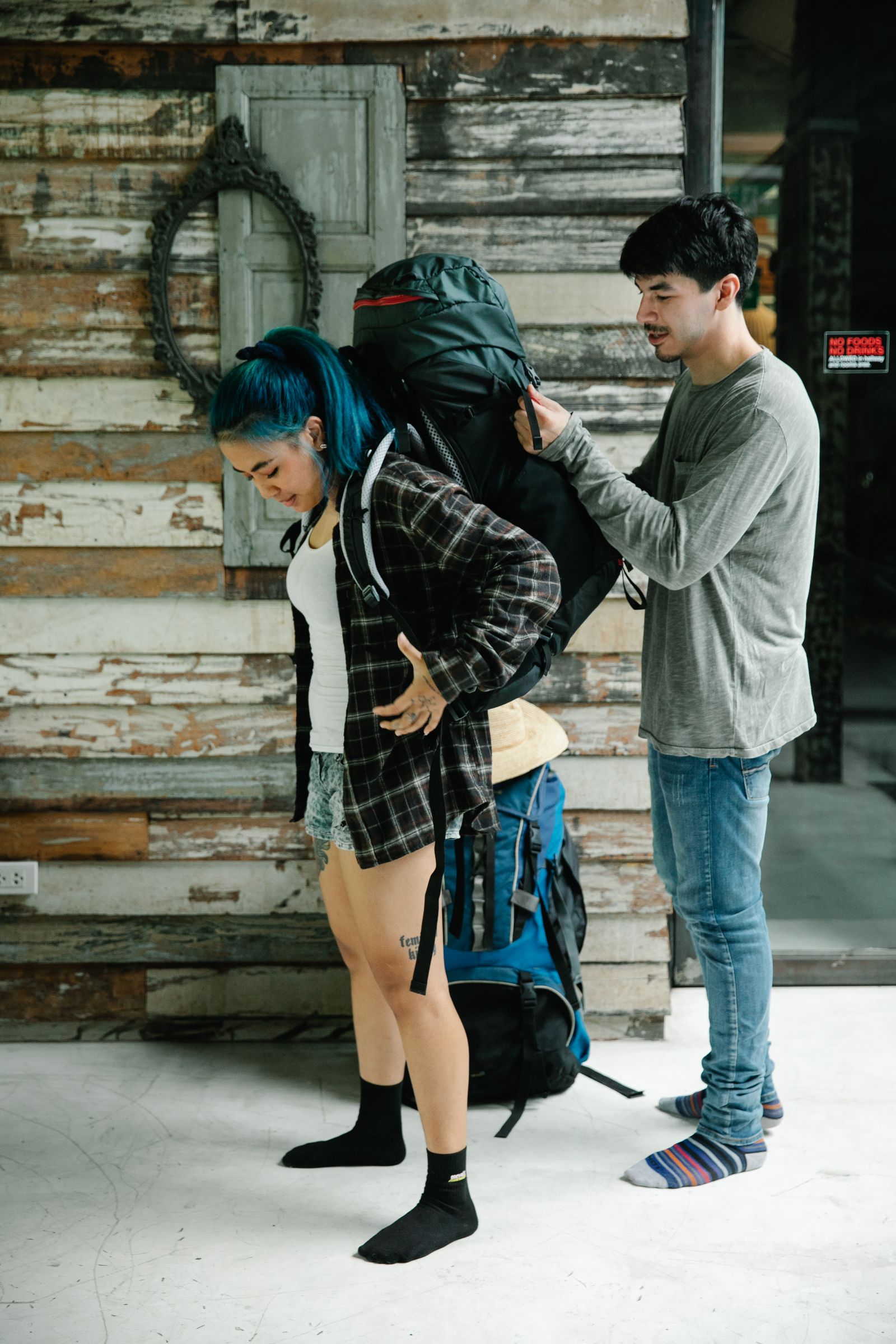
The Backpack
Get a 40–55 litre pack. Not 65L, not 75L. A 44L pack has taken me through year-long trips across multiple climates without ever feeling short on space. Key features to look for: hip belt (transfers weight off your shoulders), multiple access points, and a rain cover. Osprey, Deuter, and Gregory all make solid options — try them on in-store if you can, fit matters more than brand.
The Essentials List
- Clothing: 4–5 t-shirts, 2 pairs of shorts/pants, 1 long sleeve layer, 1 rain jacket, a week’s worth of underwear, 3 pairs of socks. You’ll do laundry every few days — it costs $2–4 AUD in most of Asia.
- Footwear: One pair of comfortable walking shoes and one pair of sandals. Don’t bring three pairs of shoes.
- Tech: Phone, charger, universal power adapter, portable battery bank (10,000mAh minimum), headphones.
- Toiletries: Travel-size everything. You can buy toiletries anywhere — don’t pack full bottles.
- Documents: Passport, digital copies of everything, travel insurance details, bank cards.
- Extras: Packing cubes (genuinely life-improving), a quick-dry towel, a padlock for hostel lockers, earplugs, and an eye mask.
What NOT to Pack
- A laptop (unless you’re working remotely — a phone does everything else)
- Books (use a Kindle or swap at hostels)
- Jeans (heavy, slow to dry, uncomfortable in heat)
- “Just in case” items — if you haven’t used something in a week on the road, it goes
- Expensive jewellery or watches
Managing Money Abroad
Getting this right will save you hundreds of dollars over a long trip. Getting it wrong means bleeding money on fees every time you use an ATM or pay for something.
The Best Travel Cards in 2026
Wise is my primary travel card. It holds multiple currencies, gives you the real mid-market exchange rate, and the fees are transparent and low. You can convert money in advance when rates are good, and I’ve used it in over 30 countries without issues.
If you’re Australian, Up Bank is arguably the best travel card available — zero international transaction fees, a great app, government-guaranteed deposits, and a $15 sign-up bonus for new accounts. It functions as a proper Australian bank so your salary can go straight in. I use it as my primary card and reach for Wise when I want to pre-lock exchange rates.
YouTrip is worth having as a third backup card — multi-currency, competitive rates, no annual fees.
Cash vs Card
In Southeast Asia, cash is still king for street food, markets, and small businesses. Always have local currency on you. In Europe you can get away with card-only in most places, though smaller towns and Eastern European countries still lean towards cash.
Withdraw larger amounts less frequently to minimise ATM fees. In Thailand, ATMs charge 220 THB (~$10 AUD) per withdrawal regardless of amount — pulling out 10,000–20,000 THB at once makes far more sense than multiple small withdrawals.
Travel Insurance — Don’t Skip This
Insurance is boring and feels like wasted money when nothing goes wrong. But when something does — and over a long enough trip, something will — you’ll be incredibly glad you have it.
I’ve seen travellers hit with $15,000 USD hospital bills for a motorbike accident in Bali. I’ve seen people eat the cost of a last-minute flight home for a family emergency. Insurance isn’t optional — it’s the price of travelling responsibly.
What to Look For
- Medical coverage: At least $100,000 USD, ideally more.
- Emergency evacuation: Getting airlifted from a remote area can cost $50,000+ USD without coverage.
- Trip interruption: Covers you if you need to cut your trip short.
- Adventure activities: Check whether scuba diving, motorbike riding, or high-altitude trekking are covered. Many basic policies exclude these — read the fine print.
My Recommendation: SafetyWing
For long-term backpackers, SafetyWing is what I use and recommend. Around $45 USD per month, monthly subscription model (start and stop anytime), covers you in 185+ countries, and $250,000 USD medical coverage. It’s designed specifically for people travelling long-term rather than on a two-week holiday — which makes a real difference in how the policy is structured.
It also covers you in your home country for short visits (up to 30 days per 90-day period), and — crucially — you can sign up while already abroad. Most traditional insurers require purchase before you leave home.
Getting Around
Southeast Asia
Buses, trains, minivans, and ferries are the main options. In Thailand, the train network is solid and cheap — a sleeper train from Bangkok to Chiang Mai costs around 800–1,200 THB ($35–55 AUD) and saves you a night’s accommodation cost. In Vietnam, the Reunification Express runs the length of the country.
I book most of my Southeast Asian transport through 12Go Asia. It lets you compare bus, train, and ferry options with real prices and user reviews, and you can book online in advance — worth doing for popular routes during peak season (December–February).
Europe
Trains are the backbone of European travel. Omio is great for comparing trains, buses, and flights across European routes in one search. Book trains in advance for France, Spain, and Italy where prices increase significantly closer to the date.
FlixBus connects most European cities for as little as €5–15 for shorter routes. Budget airlines (Ryanair, easyJet, Wizz Air) are useful for longer distances — just factor in baggage fees. A €20 flight can easily become €60 once you add a checked bag.
Flights
I compare prices on Trip.com and Google Flights. General rules: book international flights 6–8 weeks in advance, be flexible with dates (mid-week is usually cheaper), and consider flying into one city and out of another to avoid backtracking.
Where to Sleep
Hostels are the default for backpackers, and for good reason — they’re cheap, social, and the easiest way to meet other travellers. If you’ve never stayed in one, don’t stress. Modern hostels are nothing like the grimy dorm rooms you might be imagining.
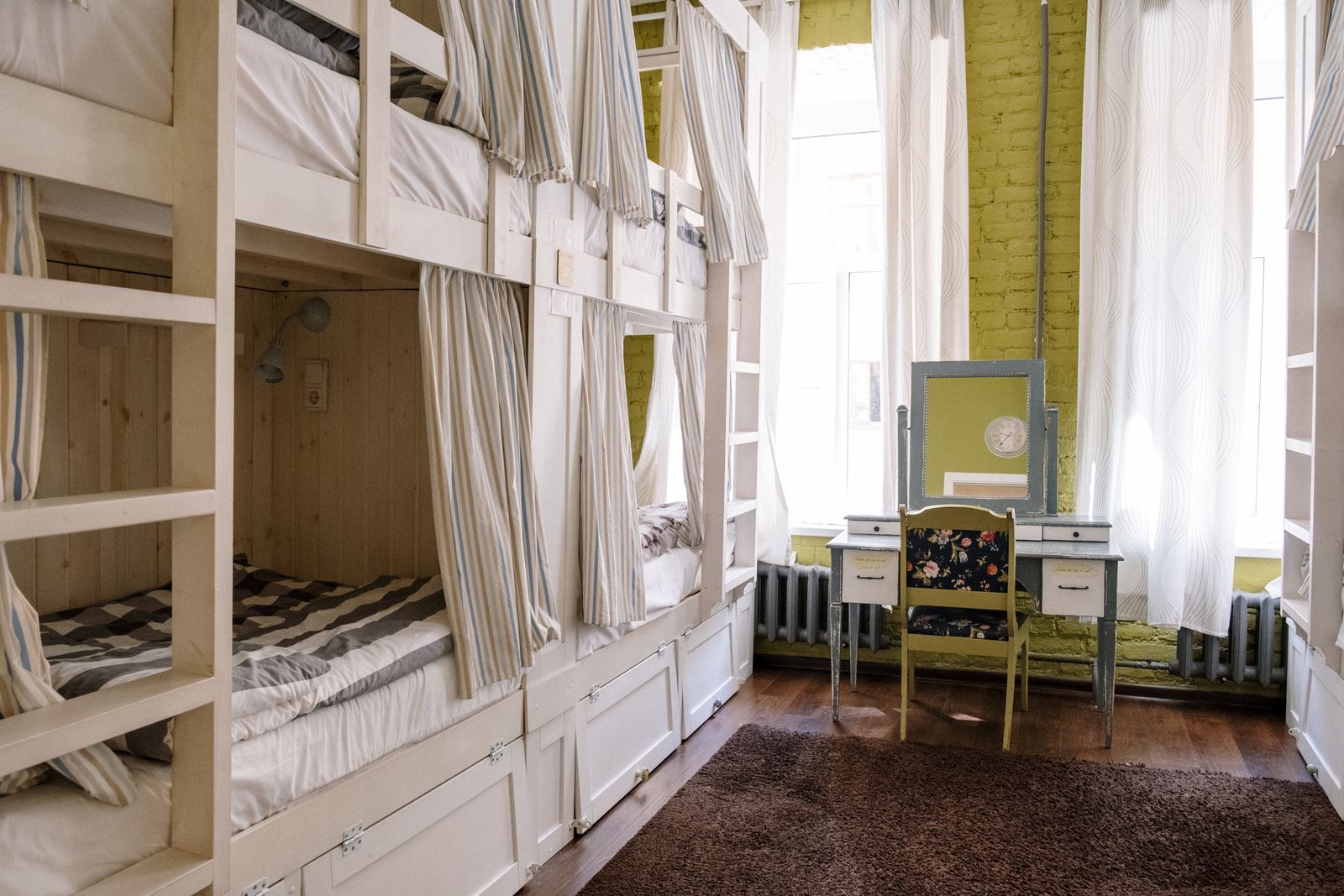
Hostel Tips for First-Timers
- Dorm sizes matter: A 4–6 bed dorm is the sweet spot — social without the chaos of a 20-bed room. Expect $8–18 AUD per night in Southeast Asia, $15–35 AUD in Europe.
- Read recent reviews: Focus on reviews from the last 3–6 months. Look for comments on cleanliness, wifi quality, and atmosphere.
- Bring a padlock: Most hostels have lockers but don’t provide locks. A combination padlock costs a couple of dollars and you’ll use it every single day.
- Earplugs and an eye mask: Non-negotiable. Someone in your dorm will snore. Someone will come in at 3am. These two items will save your sleep.
- Use the kitchen: Cooking your own meals a few times a week saves serious money, especially in Europe where eating out is expensive.
I book most of my hostels through Hostelworld. The review system is solid, and you can filter by atmosphere (party, social, chill). For your first couple of nights in a new city, book in advance. After that you can be more spontaneous.
Beyond Hostels
- Guesthouses: Common in Southeast Asia — a private room with bathroom for $15–30 AUD per night. Great when you need a break from dorm life.
- Couchsurfing: Free accommodation with locals. Verify profiles carefully and trust your gut — the experience and local insight are the real value.
- Workaway/WWOOF: Work a few hours a day in exchange for free accommodation and sometimes meals. Great for extending a trip on a tight budget.
Staying Connected
Having reliable internet access isn’t a luxury when you’re travelling — it’s how you navigate, translate, book transport, and stay in touch with home.
eSIMs — The Modern Solution
If your phone supports eSIMs (most phones from 2020 onwards do), this is the easiest option. Buy a data plan online, scan a QR code, and you’re connected before you even land — no hunting for a SIM card shop at the airport.
Saily offers eSIM plans for most countries and regions. For Southeast Asia, regional plans covering multiple countries are the best value — you’re typically looking at $5–15 USD for several GB of data. I’ve written a full eSIM comparison guide if you want to dig into the details.
Local SIM Cards
Still a great option, especially where data is incredibly cheap. In Thailand, a Tourist SIM from AIS or DTAC costs around 299–599 THB ($13–27 AUD) for 15–30 days of data. In Vietnam, a Viettel SIM with 30 days of data runs around 100,000–200,000 VND ($6–12 AUD). Buy these at the airport or any phone shop.
Protect Yourself on Public Wifi
Hostel wifi, café wifi, airport wifi — it’s everywhere and convenient, but it’s also a security risk. Public networks are where your data is most vulnerable. I always use NordVPN on any shared network. It encrypts your connection so nobody can intercept your banking details, passwords, or personal data.
A VPN is also useful for accessing content from home while abroad and for getting around internet restrictions in countries like China or Vietnam where certain apps and sites are blocked.
Safety & Security
Backpacking is overwhelmingly safe. The world is far less dangerous than the news makes it seem. That said, common sense goes a long way.
Practical Safety Tips
- Keep copies of everything: Photograph your passport, visa, insurance policy, and bank cards. Store them in your email and a cloud drive. If your passport gets stolen, a copy makes the embassy replacement process much faster.
- Don’t carry everything in one place: Split cash and cards between your daypack and main bag. If one gets stolen, you’re not completely stranded.
- Use hostel lockers: Always lock up your valuables — passport, cards, electronics. Even in the friendliest hostels, opportunistic theft happens.
- Trust your instincts: If a situation feels off, leave. You don’t owe anyone politeness at the expense of your safety.
- Share your itinerary: Let someone at home know your rough plans. A quick message every few days is enough.
- Watch your drinks: This applies everywhere in the world. Don’t leave drinks unattended.
Common Scams to Know About
- The “closed today” scam (Bangkok): Someone tells you a temple is closed and offers to take you somewhere else — usually a gem shop or tailor where they get commission. The temple is never actually closed.
- Overcharging taxis: Always use the meter or agree a price before getting in. In most Southeast Asian cities, Grab is cheaper and more reliable than street taxis.
- Fake tour operators: Book through your hostel or a reputable platform like Klook rather than random guys on the street.
- The friendship bracelet (Europe): Someone ties a bracelet on your wrist as a “gift” then demands payment. Keep your hands in your pockets in touristy areas.
After 40+ countries, I can count the genuinely dodgy situations I’ve been in on one hand. Most people you meet while travelling are good people. Don’t let fear stop you from going — just be aware and use common sense.
Essential Backpacking Services Compared
Your First Week on the Road
The first few days of your first backpacking trip are a weird mix of exhilaration and mild panic. Here’s what to expect.
Day 1–2: The Adjustment Period
You’ll probably feel overwhelmed. Everything is new — the smells, the sounds, the heat, the language. You might question why you decided to do this. That’s completely normal. Give yourself permission to take it slow. You don’t need to see everything on day one.
Practical priorities for day one: get to your hostel and settle in · get local currency · activate your eSIM or grab a local SIM · walk around the immediate neighbourhood · eat something local.
Day 3–5: Finding Your Rhythm
By day three, things start clicking. You’ve figured out local transport, found a good cheap eating spot, and probably met a few people at the hostel. Join a hostel walking tour or activity — they’re the easiest way to meet people and learn about the city. Most hostels run free or cheap tours, pub crawls, or cooking classes.
Day 5–7: You’ve Got This
By the end of your first week, you’ll wonder what you were so worried about. You’ll have a routine, a few travel mates, and the confidence to figure things out as they come. This is the point where backpacking stops being scary and starts being the best thing you’ve ever done.
Pre-Departure Checklist
✅ Before You Go
- Passport valid for at least 6 months beyond your travel dates
- Travel insurance sorted (SafetyWing is my pick)
- Travel bank card set up (Wise + a backup card)
- VPN installed on phone and laptop (NordVPN)
- eSIM purchased or know where to get a local SIM on arrival
- First 2–3 nights of accommodation booked
- Digital copies of all important documents (passport, insurance, cards)
- Someone at home knows your rough itinerary
- Bank notified you’re travelling (to avoid card blocks)
- Vaccinations up to date — check with your GP at least 6–8 weeks before departure
- Backpack packed and you can carry it comfortably for 15 minutes
The Honest Truth About Backpacking
Backpacking isn’t always Instagram-perfect sunsets and beach hammocks. You’ll have bad days. You’ll get food poisoning at least once. You’ll miss a bus, lose something important, or have a moment where you just want your own bed and a proper shower.
But those moments are part of the experience. The problem-solving, the adaptability, the resilience you build — that’s what makes backpacking genuinely transformative. You come back a more capable, confident, and open-minded person.
And the good days far outnumber the bad ones. Watching the sunrise over Angkor Wat, making lifelong friends over a $2 beer in a Hanoi alley, taking a sleeper train through the Vietnamese countryside — these are the moments that stay with you forever.
So if you’re on the fence: just go. Nobody ever feels 100% ready, and that’s fine. The preparation matters, but at some point you just have to book the flight and figure out the rest as you go.
The best time to start backpacking was yesterday. The second best time is now. Book the flight, pack the bag, and trust that you’ll figure it out — because you will.
Frequently Asked Questions
How much money do I need for a first backpacking trip?
It depends heavily on the region. In Southeast Asia, $40–60 AUD per day covers accommodation, food, transport, and activities comfortably. In Western Europe, budget $80–130 AUD per day. A 3-month Southeast Asia trip typically costs $5,000–7,000 AUD including flights; 3 months in Europe might cost $9,000–14,000 AUD. Always have an emergency buffer of at least $1,000 AUD on top of your planned budget.
What size backpack should I get for my first trip?
40–55 litres is the sweet spot. A 40L pack keeps you disciplined and often qualifies as carry-on for budget airlines. A 55L gives you more room for varied climates. Avoid anything over 65L — you’ll fill it with things you don’t need and hate carrying it. I’ve used a 44L pack on trips lasting over a year and never needed more space.
Is backpacking safe for solo travellers?
Yes — millions of people backpack solo every year and the vast majority have incredible experiences. Hostels make it extremely easy to meet people; you’re rarely actually alone unless you want to be. Basic precautions apply: keep copies of documents, don’t flash expensive items, trust your instincts, let someone at home know your rough itinerary, and get travel insurance.
Do I need travel insurance for backpacking?
Absolutely. A medical emergency abroad without insurance can cost tens of thousands of dollars. SafetyWing offers travel medical insurance from around $45 USD per month — affordable for long-term travellers and specifically designed for them. Some countries also require proof of insurance for visa applications.
Should I book everything in advance or wing it?
A mix of both. Book your first 2–3 nights so you have somewhere to land, and book flights or transport where prices increase closer to the date. Beyond that, keep things flexible. In Southeast Asia, you can almost always find a hostel bed on the day. In Europe during peak summer, booking a few days ahead for popular cities like Barcelona or Amsterdam is wise.
What’s the best region for a first-time backpacker?
Southeast Asia, and specifically Thailand as a starting point. It’s affordable, easy to navigate in English, the backpacker infrastructure is excellent, and you’ll meet other travellers everywhere. Central America and Eastern Europe are also great choices for first-timers with a slightly bigger budget.
How do I stay connected to the internet while backpacking?
The easiest option in 2026 is an eSIM — Saily offers affordable plans for most countries, and you’re connected before you even land. Alternatively, buy local SIM cards at airports for $5–10 AUD in most of Southeast Asia. Always use a VPN like NordVPN on hostel and café wifi to protect your banking details.
How do I meet people while backpacking solo?
Stay in hostel dorms rather than private rooms, join hostel-organised activities (walking tours, pub crawls, cooking classes), and hang out in common areas. Striking up a conversation at the dorm, over breakfast, or on a day trip is genuinely easy in the backpacker environment. Most solo travellers find they’re rarely alone unless they want to be.
What vaccinations do I need for backpacking?
It depends on your destination. For Southeast Asia, commonly recommended vaccines include Hepatitis A and B, Typhoid, Tetanus, and Japanese Encephalitis for longer stays or rural travel. Book a travel clinic appointment at least 6–8 weeks before departure — some vaccines require multiple doses. Check your government’s travel health advice for your specific destinations.
Leave a Reply