
Best Travel Debit Card for Vietnam for Australians
The right setup for Vietnam is not just about exchange rates. It is about cash access, low-fee ATM withdrawals, and having a backup when you are moving between cities.
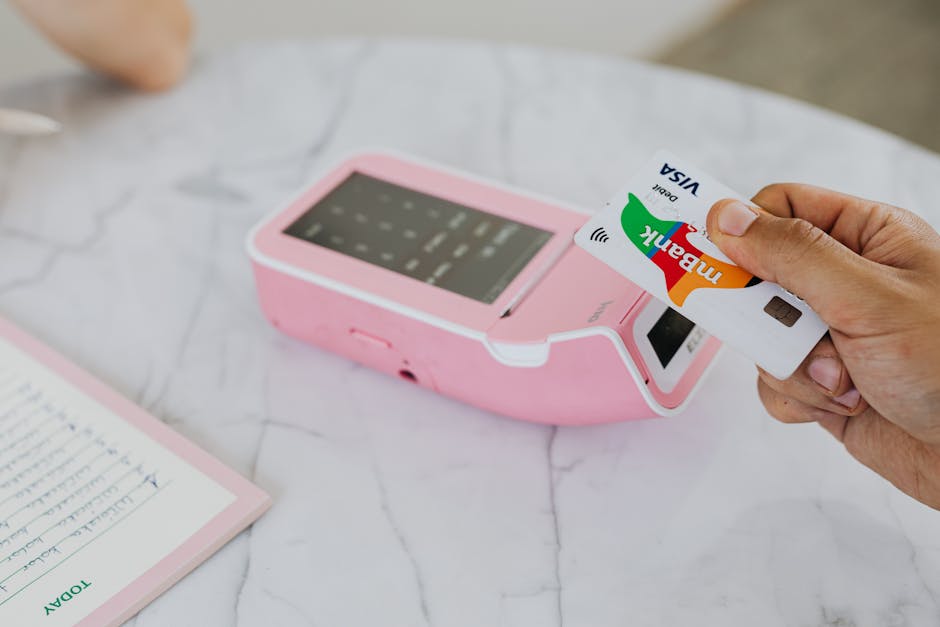
Photo by www.kaboompics.com on Pexels
Quick Verdict
For most Australians heading to Vietnam, Up Bank is the best primary travel debit card. It has 0% Up international transaction fees, no Up fee for international ATM withdrawals, and it is simple to use without worrying about monthly fee-free ATM caps from Up’s side. YouTrip is the strongest alternative if you want fee-free spending plus a generous overseas ATM allowance, while Wise is the best companion card for transparent exchange rates and transfers. Revolut works, but its free-tier limits make it less appealing for a cash-heavier destination like Vietnam.
- Backpackers and short-term travellers who will use ATMs regularly
- Australians who want low-friction setup before leaving
- Travellers moving through Hanoi, Da Nang, Hoi An, and Ho Chi Minh City
- You want to rely on just one card for the whole trip
- You need a full Vietnam-specific bank solution for a long stay
- You are using a locked phone and have not sorted your backup money setup
Table of Contents
Why Vietnam Is a Different Card Test
Vietnam is not the hardest country in the world for card use, but it is not the kind of place where you should assume tap-and-go will cover everything. In Hanoi, Ho Chi Minh City, and Da Nang, you will find hotels, co-working spaces, chains, and larger cafes that take cards. But plenty of everyday spending still moves better with cash, especially once you get into smaller eateries, local transport, older guesthouses, and market-style spending.
That changes what matters. In Japan or Europe, you can often focus mainly on card acceptance and exchange rates. In Vietnam, cheap and reliable cash withdrawals matter more. The best card is not simply the one with the prettiest rate sheet. It is the one that keeps ATM costs low, handles foreign currency transactions cleanly, and gives you a realistic backup if something gets blocked.
For most Australians, that means building around a simple setup instead of a complicated one. One primary no-fee card, one strong backup, and a clear habit of withdrawing in local currency without accepting Dynamic Currency Conversion is enough to save real money over a Vietnam trip.
- Cash access matters more in Vietnam than in many card-heavy destinations
- ATM operator fees may still apply even when your card provider does not charge its own fee
- Backup cards matter because network outages and ATM rejections happen everywhere
- Declining DCC matters just as much as choosing the right card in the first place
The Winner: Up Bank Is the Best Overall Card for Vietnam
If you only want one clear answer, it is Up Bank. For Vietnam specifically, Up’s mix of 0% international transaction fees, no Up fee for international ATM withdrawals, and straightforward Australian-bank simplicity is hard to beat. It gives you the best blend of everyday usability and ATM friendliness without making you think about monthly free withdrawal caps from Up’s side.
That matters because Vietnam rewards cards that make cash access painless. You might spend half your day on card, then need cash for a family-run restaurant, a smaller homestay, a local bus ticket, or a low-key cafe that simply prefers cash. Up is strong in exactly that environment.
Best Simple Vietnam Setup
Primary: Up Bank for spending and ATM access. Backup: Wise for a second provider and better transfer utility. Optional third card: YouTrip if you want more overseas ATM headroom or another fee-free spend option.
Full Comparison Table
| Card | What It Does Best | ATM Position | Main Catch |
|---|---|---|---|
| Up Bank | Best primary travel card for Vietnam | No Up fee for international ATM withdrawals | AUD-only account, not multi-currency |
| YouTrip | Best alternative for fee-free spending and large overseas ATM allowance | Free up to A$1,500 overseas per calendar month, then 2% | Not as useful as Wise for transfers or broader money management |
| Wise | Best backup and transfer card | Limited free ATM allowance, then Wise fees apply | Weaker than Up if you expect a lot of cash withdrawals |
| Revolut Standard | Good for travellers already in the Revolut ecosystem | Free up to A$350 or 5 withdrawals per rolling month, then 2% | Free-tier limits are tighter than Up or YouTrip |
| Big 4 Bank Card | Nothing, really | Usually poor value for frequent ATM use | Foreign transaction fees and worse travel economics |
1. Up Bank: Best Overall for Vietnam
Up Bank is the easiest recommendation because it is built like a normal Australian bank account but behaves like a strong travel card. The official Up pricing page currently lists 0% international transaction fees and free international ATM withdrawals at most major bank ATMs from Up’s side. For Vietnam, that is exactly what you want to see.
The trade-off is that Up is not a full multi-currency account. You are not using it to build a sophisticated currency strategy. You are using it because it is low-friction, low-fee, and extremely practical. That makes it ideal for everyday taps and frequent cash access in Vietnam.
- Best for travellers who want one simple primary card
- Strong fit for regular ATM use in a cash-heavier country
- Excellent companion to a second card like Wise
2. YouTrip: Best ATM Allowance Alternative
YouTrip is especially interesting for Vietnam because the official Australian fee pages are strong on the exact things that matter here. YouTrip currently says overseas transaction fees are free, currency exchange fees are free, and overseas ATM withdrawals are free up to A$1,500 per calendar month, after which a 2% fee applies.
That makes YouTrip a very real contender for Vietnam rather than just a nice secondary card. It is also useful because YouTrip supports spending in 150+ currencies and lets Australians exchange into 10 wallet currencies in advance. Even though Vietnam is a country where you will still care about cash, YouTrip gives you good room before its overseas ATM fee kicks in.
I still rank it behind Up for the average Australian simply because Up feels cleaner as a primary base-account card. But if your Vietnam trip is short, cash-heavy, and you like a travel-wallet style product, YouTrip is one of the best fits on the market.
3. Wise: Best Backup and Transfer Card
Wise is still one of the best travel-money products Australians can carry, but for Vietnam it works better as a companion card than the main one. Wise shines because of its transparency: low conversion fees, mid-market exchange rates, and a much stronger international-transfer toolkit than a normal bank-style travel card.
The reason it ranks behind Up and YouTrip for Vietnam is ATM economics. As of March 17, 2026, Wise’s Australian travel-money card pages still show a limited free ATM allowance before extra Wise ATM charges apply. Wise has also published an announced ATM fee structure update for May 1, 2026, so this is one card where checking the live pricing page right before you fly is especially important.
That does not make Wise a bad option. It makes Wise a smarter second card. If Up is your simple everyday Vietnam card, Wise is your backup provider, your transfer tool, and your cleaner option for broader international money management.
4. Revolut: Fine, But Not the Best Vietnam Fit
Revolut is a workable travel card, especially if you already use it. But Vietnam exposes the weaknesses of the Standard plan more quickly than some other destinations. Revolut’s current Australian Standard plan pages say you can withdraw up to A$350 or 5 ATM withdrawals per rolling month with no Revolut fee, after which a 2% fee applies.
That is not terrible, but it is not competitive enough to beat Up or YouTrip in a place where ATM use matters. Revolut also keeps weekday exchange limits and weekend exchange fees in the free plan, which makes it more fiddly than the best options here.
If you already have Revolut, bring it as a backup. If you are setting up specifically for Vietnam, it would not be my first move.
The Best Vietnam Card Setup
If I were setting up for Vietnam today, this is the cleanest approach for an Australian traveller:
Recommended Setup
- Primary card: Up Bank for daily spending and cash withdrawals.
- Backup card: Wise, stored separately from your main wallet.
- Optional third card: YouTrip if you want a strong Asia-friendly extra card with a large overseas ATM allowance.
- Emergency cash: Keep a small amount of AUD or USD equivalent tucked away separately from your main cash.
That setup covers the main risks without making your trip more complicated than it needs to be. It also fits neatly with the rest of a Vietnam travel stack. If you are still planning the route, the site’s Vietnam travel guide, 2-week Vietnam itinerary, and Vietnam digital nomad cities guide all work well alongside this card setup.
Vietnam ATM Tips That Actually Matter
The wrong ATM habit can erase the savings from choosing the right card. These are the rules that matter most in Vietnam:
- Always choose to be charged in VND. If the ATM offers to convert to AUD for you, decline it.
- Withdraw larger amounts less often. Flat ATM operator fees hurt much more when you keep taking out small amounts.
- Expect local ATM operator fees. Your card issuer can be fee-free while the ATM itself still charges.
- Keep a second card in a different bag. This matters more than most people think.
This is also where a good eSIM and secure connection help. If you need mobile data for banking apps, maps, and ride-hailing, pair your card setup with the site’s best eSIMs for Southeast Asia guide. If you will be using public Wi-Fi in hostels and cafes, it is worth reading the VPN guide too.
Best Vietnam Money Setup
For most Australians, the best simple combo is Up Bank as the main card and Wise as the backup.
Frequently Asked Questions
Disclosure: Some links in this article are affiliate or referral links. If you sign up through them, we may earn a small commission at no extra cost to you. Travel card pricing and limits change, so always confirm the live fee page before you fly.
Leave a Reply