
17 Best Things to Do in Lisbon 2026: Alfama, Belém, Food, Views and Sintra
Lisbon is hills, tiles, trams, viewpoints, food, river light and day trips. The best first visit balances Alfama, Baixa/Chiado, Belém, food, one sunset viewpoint and a properly planned Sintra day.
The best Lisbon trip is neighbourhood-led with one big Sintra decision. Stay central, build days around hills and transport, and do not turn every viewpoint into a separate mission.
The 17 best things to do in Lisbon
Get lost in Alfama
Suggested time: 2–3 hours.


Best for: classic Lisbon
Alfama is the Lisbon postcard: steep lanes, tiles, laundry, viewpoints and fado energy. It is also residential, so wander respectfully.
Alfama works best when you leave room to wander. Follow a few public lanes, pause for a view and notice the tiled facades and small squares instead of trying to tick off every photogenic staircase.
Start higher up if you want more downhill walking, but leave time for the return journey. This is a residential neighbourhood: keep doorways clear, lower your voice near homes and take particular care on smooth paving after rain.
Good to know: Go early or late and wear shoes with grip.
Walk Baixa, Chiado and Rossio
Suggested time: 2–3 hours.

Best for: central orientation
This central grid is the easiest way to understand Lisbon’s downtown, with squares, shopping streets, cafes and transport links.
This is a useful first walk for getting your bearings. Link Rossio with the downtown streets and the river, then climb towards Chiado if you still have energy. It gives the rest of the trip a clearer shape.
Avoid turning orientation into a shopping marathon on arrival day. Save a café stop for when you need it, and check the route back to your accommodation before adding another hill.
Good to know: Good for arrival day.
Spend a half-day in Belém
Suggested time: Half a day, longer with museums.

Best for: monuments and river
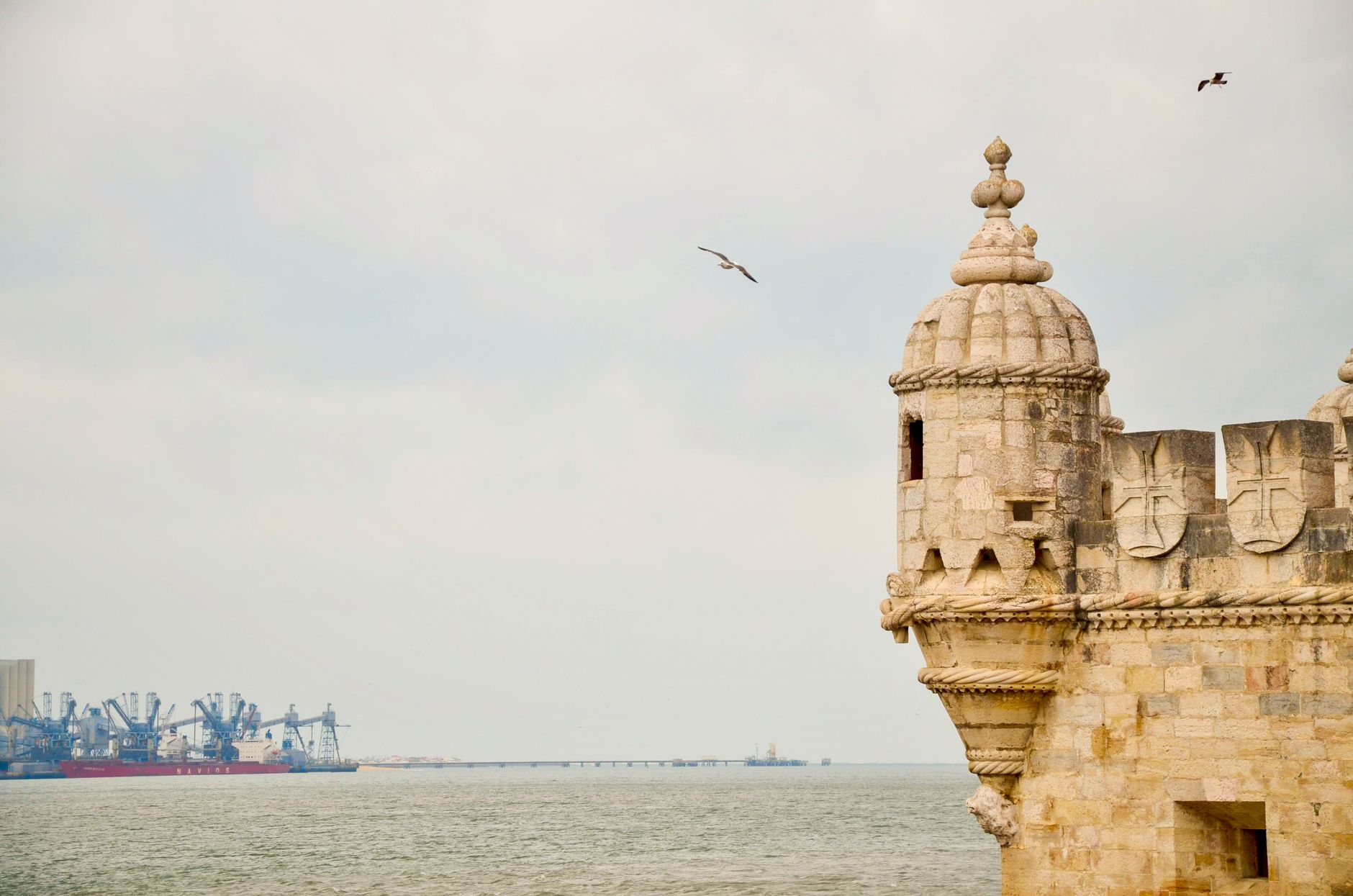
Belém gives you Jerónimos Monastery, Belém Tower, the riverfront, museums and pastéis de nata.
Treat Belém as one outing. Choose the monument or museum that matters most, then leave space for a riverside walk and a pastry rather than trying to enter every attraction in the area.
Check the current opening and ticket arrangements for each monument before travelling. Leave a buffer around any booked entry and plan your journey back; a crowded tram or queue can take longer than the map suggests.
Good to know: Do it as one area, not as a quick tram detour.
Book a Lisbon food tour
Suggested time: 3–4 hours, depending on the tour.
Best for: eating better
A food tour is a strong Lisbon booking because it can introduce petiscos, seafood, pastries, wine and neighbourhood context.
A food tour is useful early in your stay because the dishes and neighbourhood stories can improve every meal afterwards. Compare the actual stops and what you will learn, not only the number of samples promised.
Tell the operator about allergies or dietary restrictions before booking, and check how far the route walks. Arrive hungry but comfortable, and ask which drinks, extras or substitutions are included.
Good to know: Good early in the stay.
Watch sunset from a miradouro
Suggested time: 45–90 minutes.


Best for: views
Lisbon viewpoints are famous for a reason, but the hills add up. Choose one or two instead of chasing every lookout.
Pick a viewpoint for the neighbourhood you already plan to explore. Portas do Sol pairs naturally with Alfama; other miradouros show different parts of the city, so one good stop is more rewarding than a rushed circuit of hills.
The best light depends on which way the view faces. Check the weather, bring a layer for the breeze and keep access paths clear when the terrace gets busy. Stay for the view even if the sky does not deliver a dramatic sunset.
Good to know: Sunset is busy; arrive early or pick a quieter viewpoint.
Ride a tram only if it makes sense
Suggested time: One useful ride rather than a whole morning in a queue.
Best for: classic but crowded
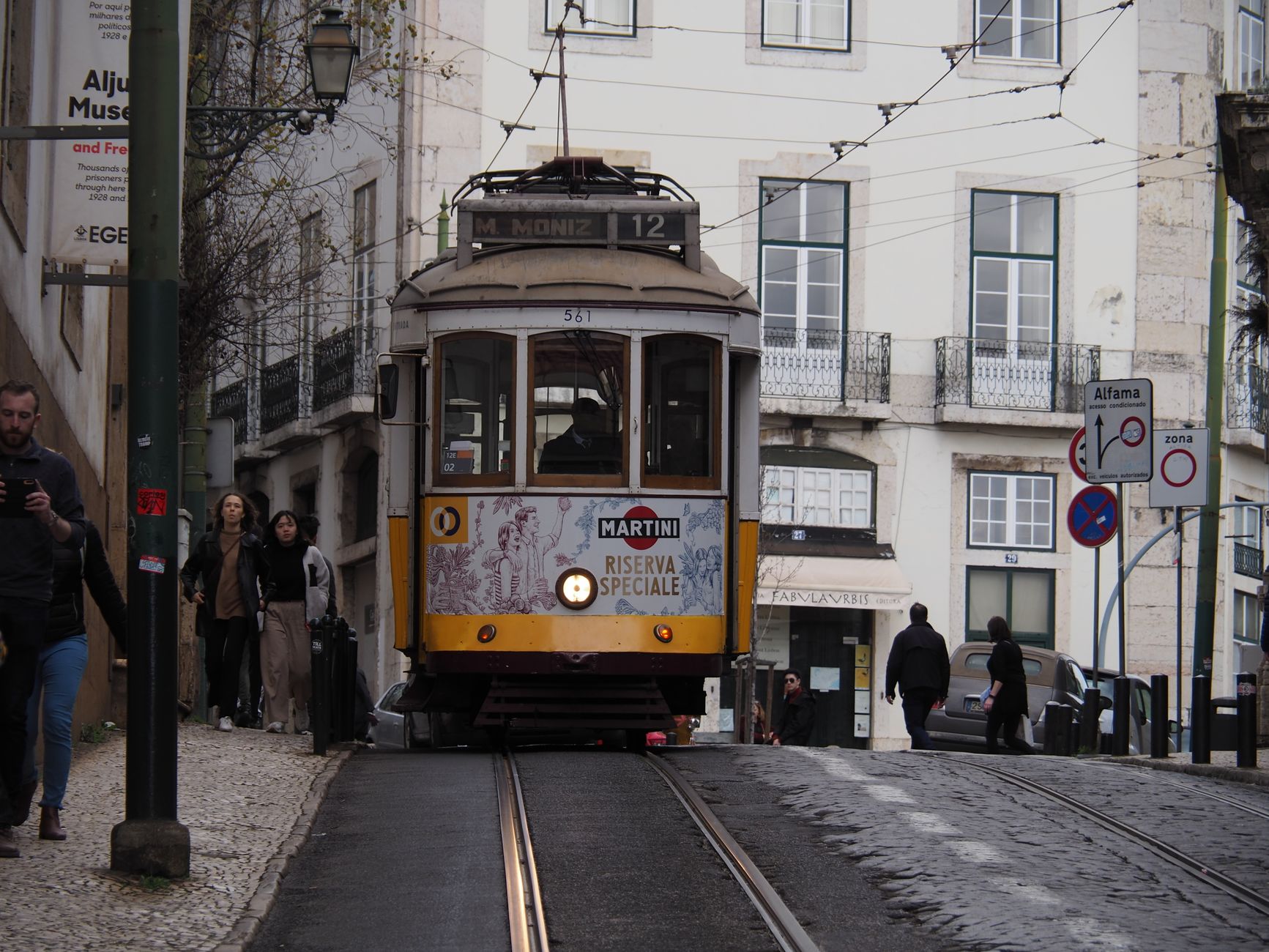
Tram 28 is iconic, but it can be crowded enough to become more ordeal than joy. Consider other tram routes or early rides.
Use a tram when the route helps your day. A short ride can give you the classic Lisbon experience without turning transport into the trip’s main event, especially when there are streets you would rather explore on foot.
Check the current CARRIS route and service notices, including any bus substitutions, before heading to a stop. Keep bags close in crowds and leave space for residents who are using the tram for an ordinary journey.
Good to know: Watch pockets and bags on crowded trams.
Visit Castelo de São Jorge
Suggested time: 1–2 hours.


Best for: views and history
The castle gives strong city views and a clear hilltop anchor, though it is not the only way to get a panorama.
The hilltop setting is the main reason to come: take time with the ramparts, grounds and changing views over Lisbon. It fits well into an Alfama day, provided you do not underestimate the climb or the time on your feet.
Use the castle’s official visitor information for ticket options and current access notices. Wear shoes with grip, respect any closed wall-walks and check which indoor areas are available if the weather turns.
Good to know: Go when visibility is good.
Explore Bairro Alto and Cais do Sodré at night
Suggested time: An evening.


Best for: nightlife
Lisbon nightlife ranges from casual street drinks to bars and clubs. Bairro Alto starts earlier; Cais do Sodré gets later.
Choose the kind of night you want before choosing the neighbourhood. A relaxed meal, a quiet drink and a late club are different plans; you do not need to cover Bairro Alto and Cais do Sodré in the same evening to enjoy either.
Look at menus and any door or music charges before settling in. Keep enough phone battery for the journey home, and choose accommodation with noise in mind if you plan to stay near the nightlife streets.
Good to know: Stay nearby only if you can handle noise.
Take a day trip to Sintra
Suggested time: A full day.

Best for: palaces and forest
Sintra is the obvious Lisbon day trip, but it can be crowded and logistically fiddly. Pena Palace, Quinta da Regaleira and town all need timing.
Choose a main palace and build the day around it, rather than trying to collect every famous gate in Sintra. Leave time for the town, gardens and the journeys between sites; distances on the map hide hills and winding roads.
For Pena Palace, the booked time applies to the palace interior, not the park entrance. Parques de Sintra advises allowing around 30 minutes from the park gate to the palace entrance, so plan transport and arrival accordingly.
Good to know: Start early or compare tours.
Visit LX Factory or Alcântara
Suggested time: 1–2 hours.


Best for: shops and food
LX Factory is touristy but useful for shops, restaurants and a different industrial feel.
LX Factory offers a change of texture from the historic centre: old industrial buildings, small businesses and places to eat. Go when you have time to browse rather than expecting a single must-see monument at the end of the lane.
Check individual shop or restaurant hours if there is somewhere specific you want to visit. Combine Alcântara with a western riverfront outing, but leave enough time for the transport between stops instead of assuming everything is next door.
Good to know: Pair it with Belém or a riverfront day.
Eat pastéis de nata properly
Suggested time: 20–40 minutes.


Best for: small joy
You do not need to make pastries into a pilgrimage, but trying fresh pastéis in Belém or good bakeries is a Lisbon must.
A warm pastry and a coffee deserve an actual pause. Try one fresh from a bakery you like, enjoy the flaky shell and custard, then decide whether you need a second rather than turning the stop into a comparison contest.
At a busy bakery, check whether the queue is for takeaway or a table before joining it. Ask about ingredients if you have dietary restrictions and let a very hot pastry cool a little before the first bite.
Good to know: Eat them warm if possible.
Use the riverfront
Suggested time: 1–2 hours.


Best for: flat walking
Lisbon’s riverfront gives you flatter walking, sunset light and a break from hills.
The riverfront gives your legs a break from Lisbon’s hills. Start around Praça do Comércio for a central outing, then choose a manageable stretch with room to stop, sit and look across the Tagus.
Bring sun protection or a windproof layer depending on the day. Use marked crossings and pedestrian routes, keep back from the water’s edge and turn around before a pleasant stroll becomes an inconvenient journey home.
Good to know: Good after a steep Alfama morning.
Visit museums if the weather turns
Suggested time: 2–3 hours for one museum.


Best for: rainy-day plan
The Tile Museum, MAAT, Gulbenkian and Belém museums are useful when weather or heat changes the day.
Choose the collection before choosing the nearest museum. MAAT makes sense for art, architecture and the Belém waterfront, while other museums offer very different subjects. A focused visit is more satisfying than racing through three collections.
Check the museum’s own website for current exhibitions, renovation closures and the areas included in the ticket. An impressive building does not guarantee that the gallery you want is open, and opening days vary between museums.
Good to know: Choose one based on interest, not obligation.
Consider Cascais
Suggested time: Half a day or a full day.


Best for: beach/coast day
Cascais is an easy train day if you want coast, beaches and a softer contrast to Lisbon’s hills.
Cascais is a good change of pace when you want the coast rather than another steep city walk. Give yourself time for the bay, a wander through town and lunch, with a beach stop only if the conditions suit it.
Check the current train timetable and allow for the journey both ways. Bring a layer for the coast, follow beach flags and local warnings, and do not try to combine a relaxed Cascais day with an overpacked Sintra schedule.
Good to know: Better in good weather.
Use Lisbon as a Portugal base carefully
Suggested time: Plan this before booking the full trip.
Best for: route planning
Lisbon links well to Porto, Algarve, Évora and more, but Portugal rewards a route rather than endless day trips.
Use Lisbon for nearby trips that still leave you enough time at the destination. For longer moves, compare an overnight stay with the cost and effort of repeating the journey back to the same base.
Check actual door-to-door travel rather than only the headline train time. Book accommodation in a sensible order, leave buffers around major connections and avoid hiring a car for days when you only need city transport.
Good to know: Use trains/buses or rent a car only for sections that need it.
Work from Lisbon if staying longer
Suggested time: Try the neighbourhood before a long commitment.
Best for: digital nomads
Lisbon is a strong remote-work city, but costs and neighbourhood choice matter more than they used to.
A good longer stay depends on ordinary working days as much as sightseeing. Think about daylight, a proper desk, noise, reliable internet and where you can buy food or exercise without crossing the city every time.
Ask the accommodation about the workspace and connection before committing. Test a short stay if possible, check the rules for working from cafés or coworking spaces and keep sightseeing ambitions realistic on workdays.
Good to know: Read the Lisbon digital nomad guide before a longer stay.
Keep one slow morning
Suggested time: A whole morning with no fixed booking.
Best for: better pacing
Lisbon is not only sights. A slow morning for coffee, tiles, viewpoints and wandering often beats another museum.
Pick a nearby area and let breakfast, a short walk and one good view be enough. Returning to a street you liked can be more enjoyable than crossing town for another item on a list.
Keep this morning genuinely flexible. Choose a café within an easy journey of where you are staying, leave the steepest detour optional and use the pause to decide what you still want from the rest of the trip.
Good to know: Protect downtime; the hills are sneaky.
Quick picks for Lisbon
| If you want… | Prioritise this | Why |
|---|---|---|
| Best first area | Alfama and Baixa | Classic streets, viewpoints and orientation. |
| Best half-day | Belém | Monuments, river, museums and pastéis de nata in one area. |
| Best paid activity | Food tour | Lisbon food is better when someone helps you find the right neighbourhood spots. |
| Best day trip | Sintra | Worth it, but only with an early start or a good tour plan. |
Before you book
Lisbon is easy to enjoy but hard on tired legs. Book accommodation carefully, use public transport intelligently and decide early whether Sintra is a tour, train day or overnight extension.
| Need | Useful move |
|---|---|
| Stay | Compare neighbourhoods and accommodation on Trip.com. Book the base first, then build days around it. |
| eSIM | Install Saily Portugal eSIM before flying so maps, bookings and messages work when you land. |
| Insurance | Price SafetyWing Travel Insurance before the trip. It starts from about $2/day and trips need to be at least 5 days. |
| Tours | Use GetYourGuide Lisbon Tours for timed-entry sights, food tours, day trips and activities where local logistics matter. |
| Money | Carry a backup travel card. Wise is the simple international fallback for card spend, cash withdrawals and transfers. |
| Transport | Use Omio to compare Portugal trains and buses for Porto, Algarve and wider Europe routes. Omio. |
| Car | Do not rent for the city centre, but compare DiscoverCars if you are leaving the city or building a road-trip section. |
Book the practical pieces for Lisbon
Lock in the things that change the trip: where you sleep, how you get online, the tours that are hard to DIY, insurance and any transport legs that need advance planning.
Find Lisbon Stays on Trip.com Get a Portugal eSIM Get SafetyWing Cover Open Wise for Travel Money Check Omio Compare Lisbon CarsTours and bookings worth comparing
You do not need to book every activity in advance. Compare the ones where timed entry, transport, queues, cancellation terms or local context make a real difference.
Lisbon Food Tours
Great for petiscos, wine, pastries and neighbourhood context.
Sintra Day Trips
Worth comparing because transport, palace timing and crowds can be annoying.
Belém and Walking Tours
Useful if you want maritime history and old-neighbourhood context.
Where to stay in Lisbon
- Baixa/Chiado: best first-timer base for transport and walking.
- Alfama: atmospheric, hilly and better if you pack light.
- Avenida/Marquês: practical and often calmer.
- Cais do Sodré/Bairro Alto: nightlife-heavy and potentially noisy.
- Príncipe Real/Santos: good for longer stays, food and a slightly calmer feel.
Getting around Lisbon
Use metro, trams, buses, trains, ferries and your feet, but plan around hills. Taxis/ride-hailing can be worth it for steep short hops.
Read the Lisbon digital nomad guide, Portugal car rental guide and Portugal eSIM guide.
A simple first-time itinerary
Lisbon basics
Alfama/Baixa, Belém, one viewpoint and one food night.
Balanced Lisbon
Add Sintra, food tour and a slower river/coast block.
Lisbon plus coast
Add Cascais, Évora or a longer Sintra plan.
Common mistakes to avoid
- Underestimating hills: map distance is not the full story.
- Doing Sintra too late: crowds and logistics punish late starts.
- Staying in nightlife streets accidentally: Lisbon can be loud.
- Renting a car for the city: use public transport inside Lisbon.
Best time, budget and what to skip
Spring and autumn are easiest; summer is bright and busy; winter can still be pleasant but wetter. Budget for food, viewpoints, transport, Sintra and maybe a tour.
If time is short, keep Alfama, Belém, one food experience and one viewpoint. Cut the second day trip first.
Final advice
For a first Lisbon trip, stay central, group sights by hill/area, book Sintra properly and leave time for food and viewpoints.
For Lisbon, I would book in this order: accommodation first, then eSIM/insurance, then the few tours or transport pieces that would be annoying to organise on arrival.
Trip.com Stays | Portugal eSIM | Travel Insurance | Tours and Activities | Wise | Omio | DiscoverCars
FAQ
How many days do you need in Lisbon?
Three days is ideal for Lisbon plus Sintra. Two days works for the city only; four gives you coast or a slower pace.
Should you book tours in advance?
Book anything timed, crowded, capacity-limited, transport-heavy or expensive to miss. Leave ordinary neighbourhood wandering, simple food stops and flexible cafe time open.
Is Lisbon good for backpackers?
Yes, though Lisbon is no longer ultra-cheap. Hostels are strong, food can still be good value and transport is easy with the right base.
Disclosure: This guide contains affiliate links. Plans, prices and provider terms can change, so treat the checkout page as the final price before buying.