
10-Day Croatia Backpacking Itinerary: Zagreb, Plitvice, Zadar, Split, Hvar and Dubrovnik
For international money, compare Wise for holding and converting currencies. Conversion, card and ATM fees apply; card availability depends on where you live.
Compare WiseCheck Wise card availability for your home country before ordering a card.
We may receive a commission or referral benefit through our links. This does not make an account suitable for everyone.
Croatia is one of Europe’s easiest countries to love: old towns, island ferries, clear water, national parks, cheap bakery breakfasts and some of the best coastline on the Adriatic. This 10-day route keeps the highlights without turning the whole trip into a transport marathon.
Quick route: spend 2 days in Zagreb, visit Plitvice Lakes, continue to Zadar, base yourself in Split for island time, then finish with Dubrovnik and the southern coast. Before you fly, install a Saily Croatia eSIM so you have maps, ferry updates and hostel messages working as soon as you land.
This itinerary is built for first-time backpackers who want a mix of cities, national parks, beaches, islands and history without moving so fast that every day becomes a bus station. It follows a simple north-to-south route: start inland in Zagreb, cut through Plitvice Lakes, move down the Dalmatian coast through Zadar and Split, then finish in Dubrovnik.
You can do the route in reverse if flights are cheaper into Dubrovnik and out of Zagreb. The best version depends on your flight prices, ferry dates and how much you care about islands versus cities.
10-day Croatia itinerary overview
| Days | Base | What to do | Backpacker note |
|---|---|---|---|
| 1–2 | Zagreb | Upper Town, Dolac Market, cafés, museums, street food and nightlife. | Cheaper than the coast and a good place to ease into Croatia. |
| 3 | Plitvice or Zadar | Plitvice Lakes National Park boardwalks, waterfalls and lake trails. | Book your ticket online and arrive early if travelling in summer. |
| 4 | Zadar | Old Town, Sea Organ, Sun Salutation and sunset by the waterfront. | A relaxed coastal stop before Split. |
| 5–7 | Split | Diocletian’s Palace, Marjan Hill, beaches, Trogir, Brač or Hvar. | Use Split as your easiest island-hopping base. |
| 8–10 | Dubrovnik | City walls, Old Town, Lokrum, beaches, sunset viewpoints and Elaphiti Islands. | Beautiful but expensive — book early or stay outside the Old Town. |
Before you go: money, data and booking setup
Croatia uses the euro, card payments are common in cities and tourist areas, and buses/ferries can often be booked online. But you’ll still want some cash for bakeries, local buses, small guesthouses, beach bars, luggage storage, public toilets and places that quietly prefer cash.
Simple Croatia travel setup
- Mobile data: install a Saily Croatia eSIM before departure so you can check maps, ferry schedules and accommodation messages immediately.
- Main travel card: use Wise for spending and ATM withdrawals in euros.
- Backup card: carry Revolut as a second low-fee card in case one is declined, lost or temporarily blocked.
Ubank $30 signup offer · referral code AFWLLL7
Eligible new customers must join by 24 October 2026, enter AFWLLL7 on the About you screen and make five eligible card purchases that settle in the first 30 days. Both participants must be 18+; customers who closed all their Ubank Spend and Save accounts in the preceding 12 months are excluded. Allow up to 45 days after meeting the criteria for payment. Full offer terms. We may receive a referral benefit. International readers should check Wise card availability and local fees.
For peak summer, book accommodation earlier than you think, especially in Dubrovnik, Split and Hvar. Croatia can feel budget-friendly in May or October, then surprisingly expensive in July and August when cruise ships, beach holidays and island parties all collide.
Days 1–2: Zagreb, Croatia’s underrated capital
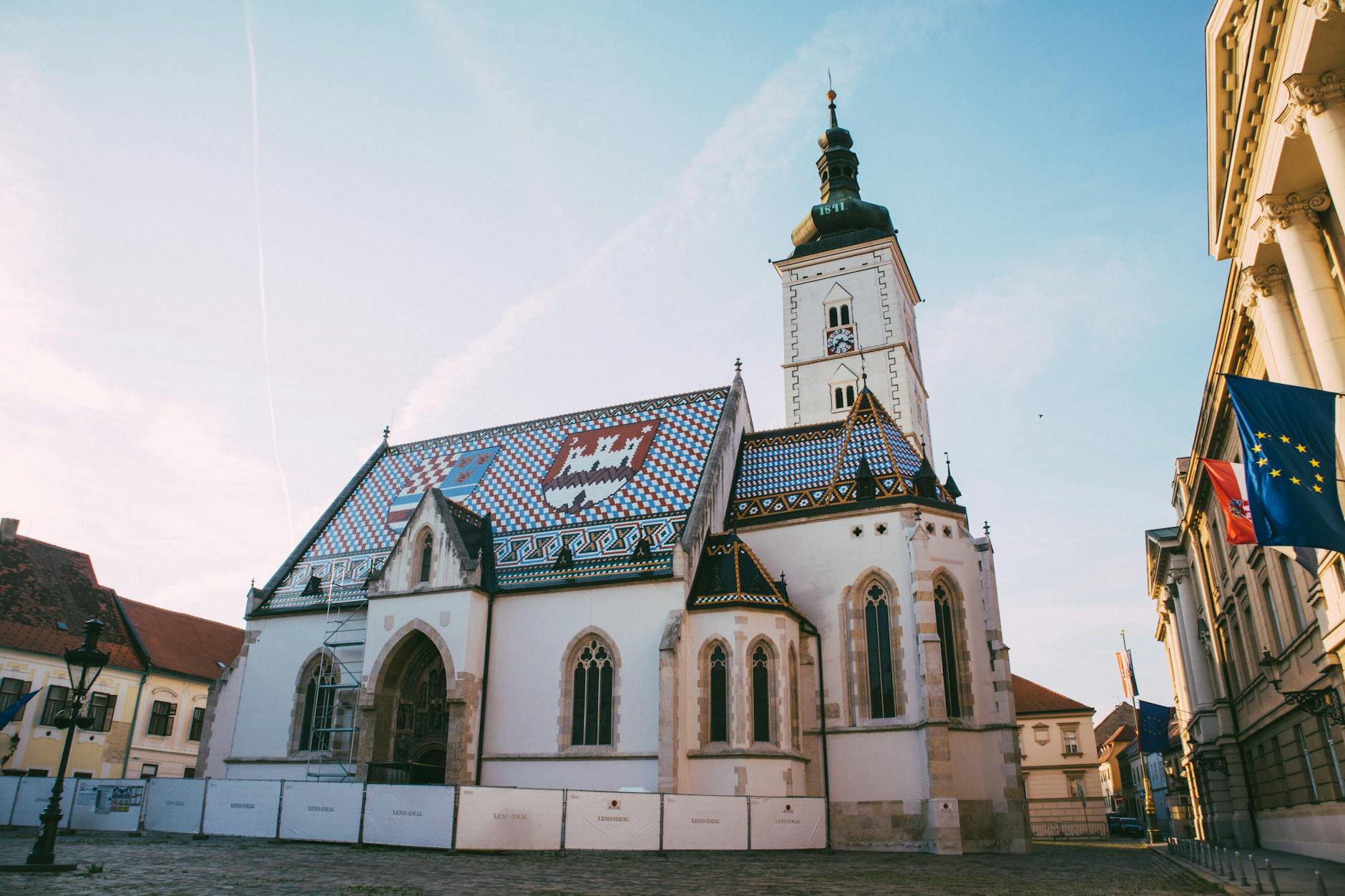
Zagreb is often treated as a quick arrival city, but it’s a great place to start a Croatia backpacking trip. It is cheaper and less intense than the coast, the tram network is easy, and you get a more local side of Croatia before the islands and cruise crowds arrive.
What to do in Zagreb
- Walk through Upper Town for St. Mark’s Church, cobblestone streets and city viewpoints.
- Visit Dolac Market in the morning for fruit, cheese, pastries and local atmosphere.
- Spend an hour in the Museum of Broken Relationships if you want something genuinely different.
- Have drinks or dinner around Tkalčićeva Street, one of the easiest nightlife areas for travellers.
- Use the city as your cheap “reset” stop before heading to the national parks and coast.
Budget food in Zagreb
Start with bakeries. Burek, pastries, sandwiches and coffee are still some of the cheapest backpacker meals in Croatia. For something more Croatian, look for a simple konoba-style lunch rather than eating on the most obvious tourist streets.
Where to stay
Stay near the city centre, the train station or the main bus station if you have an early bus to Plitvice. Zagreb is a good place to choose a social hostel because prices are usually more forgiving than Dubrovnik or Hvar.
Backpacker tip: If your Croatia flight lands late, give Zagreb two nights instead of rushing straight to Plitvice. You’ll enjoy the park more after a proper sleep.
Days 3–4: Plitvice Lakes National Park and Zadar
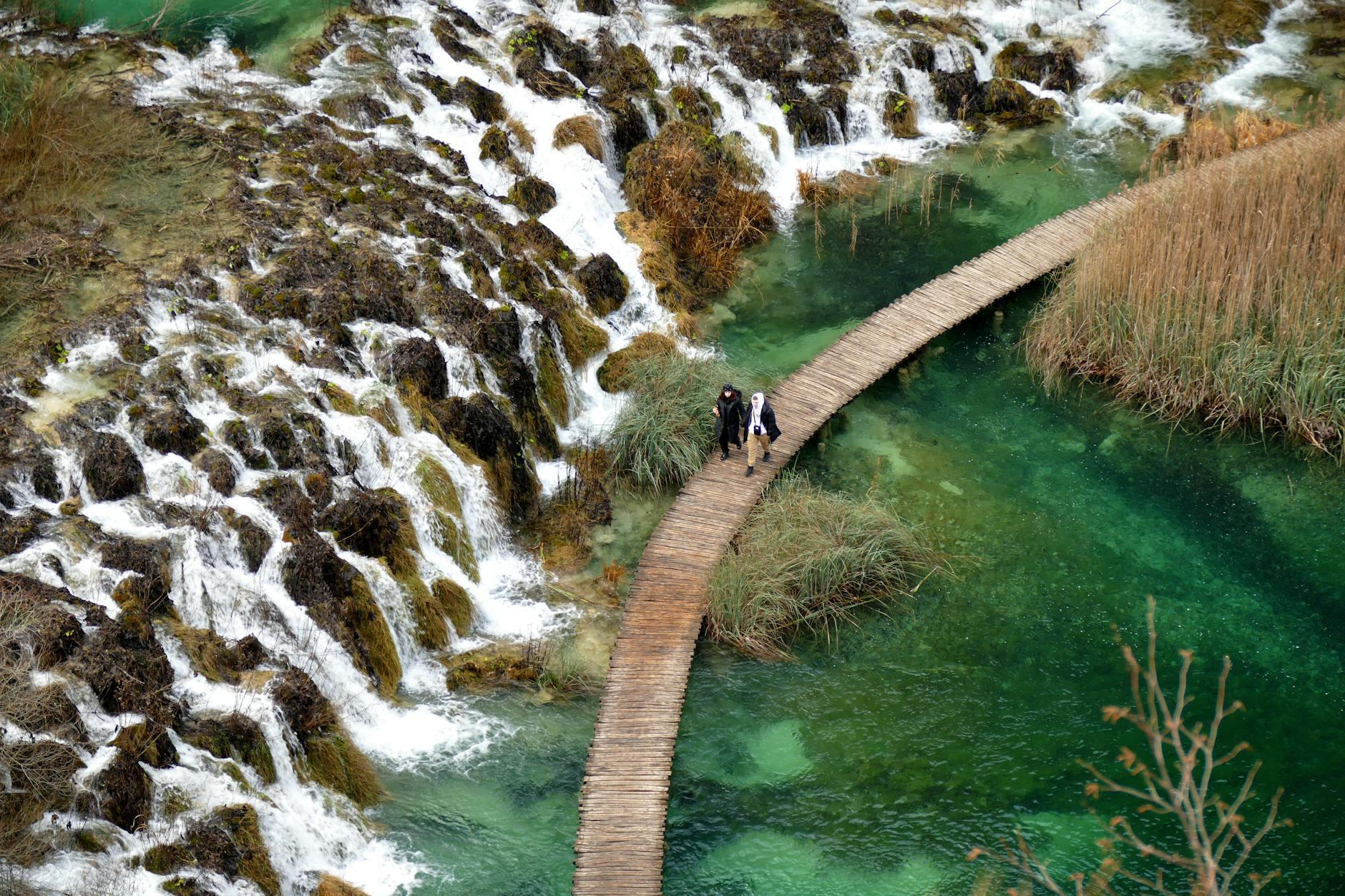
Plitvice Lakes is the national park most people picture when they imagine Croatia beyond the beaches: wooden boardwalks, turquoise lakes, forests and waterfalls stacked across the landscape. It fits naturally between Zagreb and the coast, which is why it deserves a place in a 10-day itinerary.
How to visit Plitvice without wasting a day
The cleanest backpacker route is Zagreb → Plitvice → Zadar. You can either stay near the park for one night or take an early bus, visit the park, then continue to Zadar. In peak season, staying nearby can make the day less stressful because you can enter early before the heaviest crowds.
- Buy your ticket through the official Plitvice Lakes website rather than relying on the gate in summer.
- Choose your entrance and time slot carefully — official tickets need to be validated at the entrance and time period you selected.
- Wear proper shoes. The boardwalks are beautiful, but they can be slippery and crowded.
- Bring snacks and water if you’re on a budget, but respect park rules and don’t leave rubbish behind.
Evening in Zadar
After Plitvice, Zadar is a perfect low-pressure coastal stop. The Old Town is compact, the waterfront is beautiful, and the Sea Organ and Sun Salutation are free. It’s one of the best places in Croatia to do very little and still feel like you’ve had a great travel day.
Budget food in Zadar
Look for bakeries, casual grill spots and simple seafood restaurants away from the busiest waterfront strips. If you’re staying in a hostel or apartment, Zadar is also a good place to do a supermarket dinner and save your restaurant budget for Split or Dubrovnik.
Days 5–7: Split and the Dalmatian islands
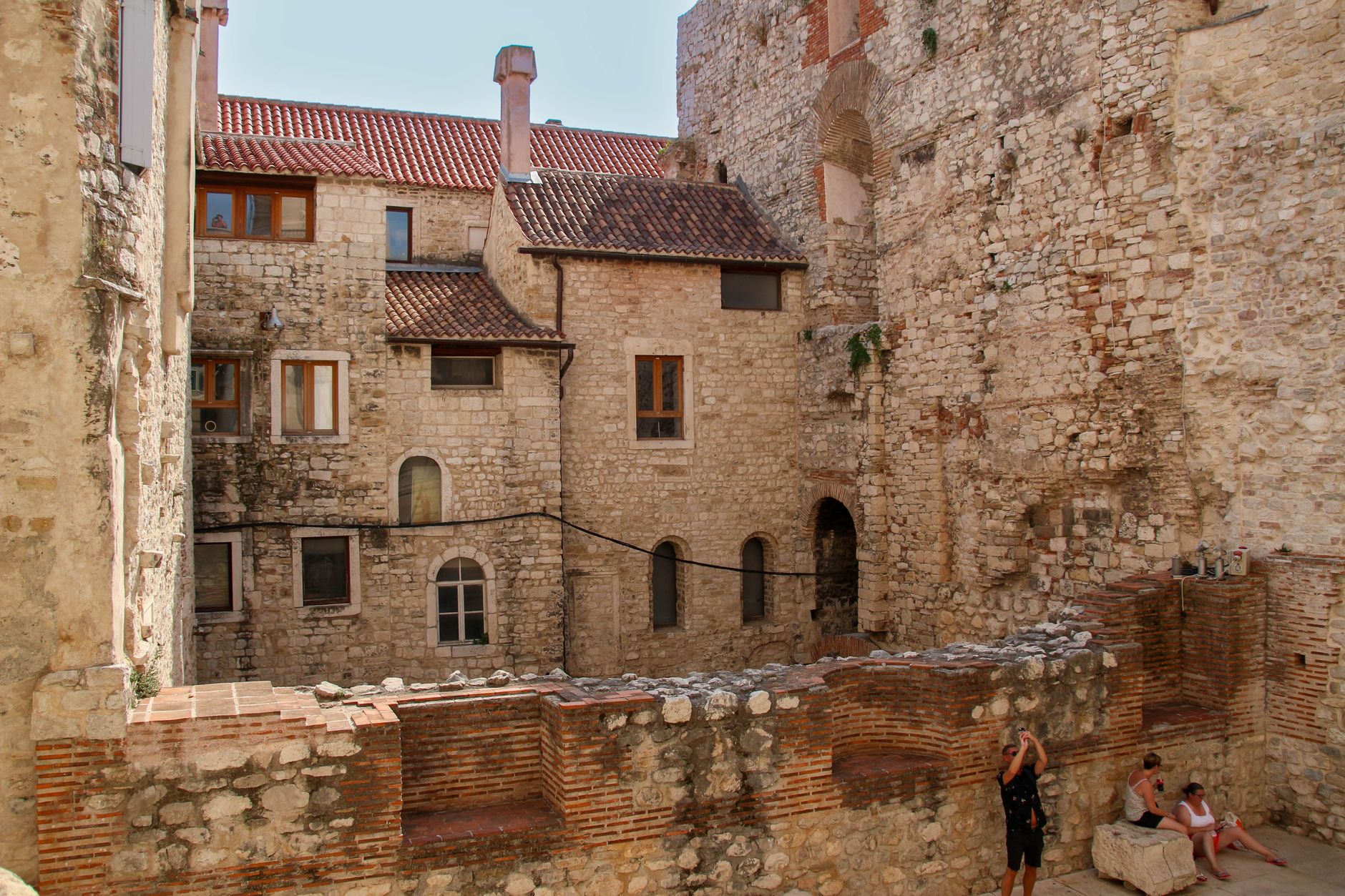
Split is the easiest base on this itinerary. You get the UNESCO-listed streets of Diocletian’s Palace, beaches within walking distance, day trips to nearby towns, and ferry access to Brač, Hvar, Vis and other islands. If you only want to unpack once on the coast, make it Split.
What to do in Split
- Get lost inside Diocletian’s Palace, especially early in the morning or later at night.
- Walk up Marjan Hill for views, swimming spots and a cheap half-day outside the Old Town.
- Take a local bus or short trip to Trogir if you want another old town without changing accommodation.
- Have one proper beach afternoon instead of cramming every day with paid tours.
Which island should you choose?
With only 10 days, don’t try to see every island. Pick one proper island day or one overnight island stay.
| Island | Best for | Backpacker verdict |
|---|---|---|
| Brač | Beaches, easy ferry access, Bol and Zlatni Rat. | Best simple day trip if you don’t want a big party scene. |
| Hvar | Nightlife, old town, views, beach clubs and Pakleni Islands. | Beautiful but pricier; great if you want one splurge island day. |
| Vis | Slower island feel, beaches, food and boat trips. | Better if you can spare an overnight, not ideal as a rushed day trip. |
| Šolta | Quiet villages and a more local island feel. | Underrated if you want simple beaches without the Hvar price tag. |
Ferry tip: Croatia ferry schedules change by season and route. Always check the official operator schedule before building your day around an island trip, and don’t leave a tight ferry connection on the same day as an international flight.
Budget food in Split
Split can get expensive around the palace and Riva promenade. For cheaper meals, use bakeries, pizza slices, supermarkets, casual grill spots and local restaurants a few streets away from the busiest tourist lanes. Buffet Fife is a classic budget-friendly name, but don’t be afraid to wander — prices can change quickly in peak season.
Where to stay in Split
Stay near the Old Town, ferry port or bus station if you’re moving around by public transport. If you’re prioritising sleep over nightlife, choose somewhere a little outside the loudest bar streets.
Days 8–10: Dubrovnik and the southern coast
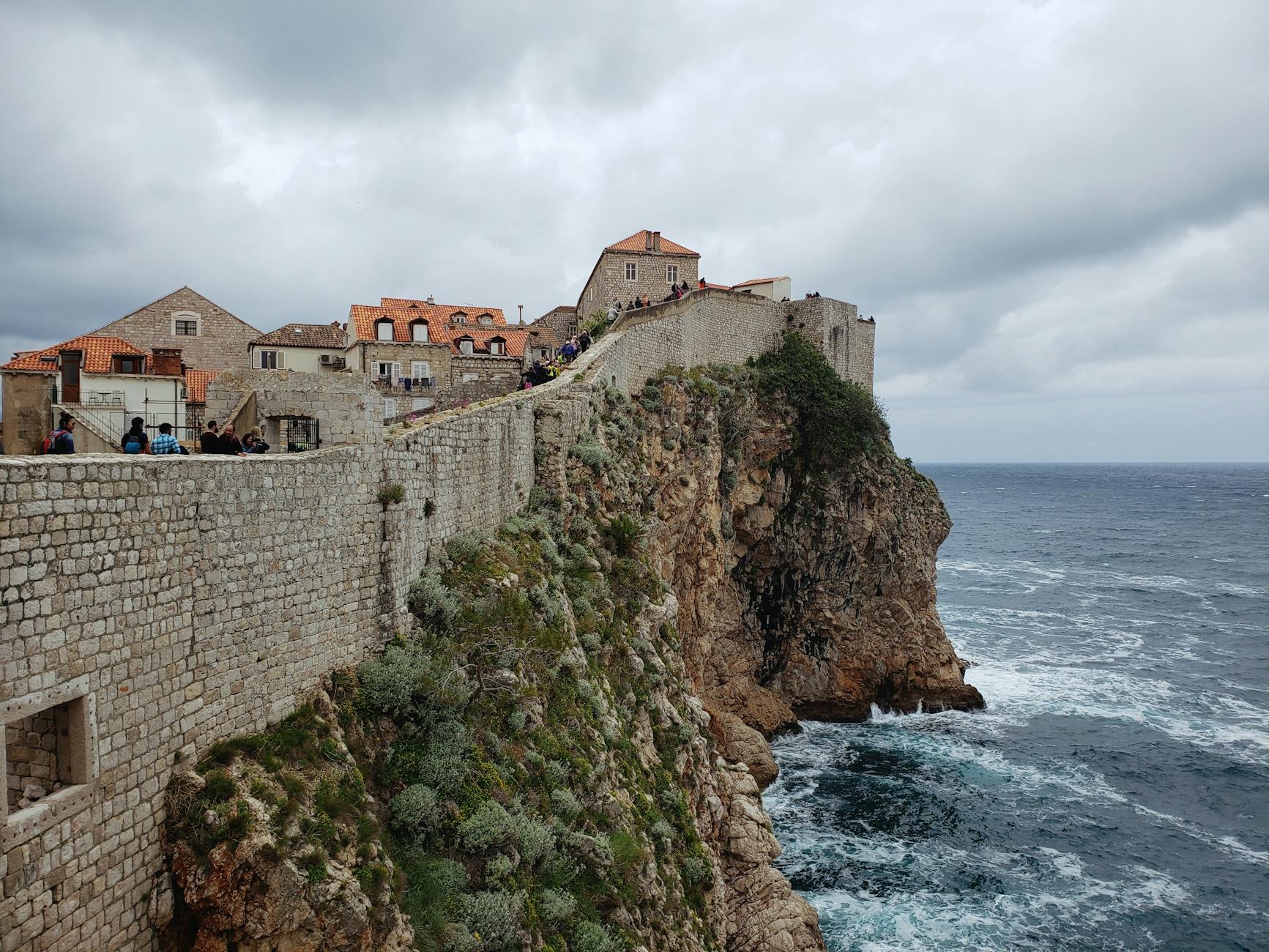
Dubrovnik is expensive, crowded and very touristy — and still absolutely worth seeing. The Old Town is one of the most impressive places on the Adriatic, especially early in the morning before the cruise crowds build or late in the day when the stone streets start glowing.
What to do in Dubrovnik
- Walk the city walls early or late to avoid the worst heat and crowds.
- Explore the Old Town lanes beyond the main Stradun street.
- Take the ferry to Lokrum Island for swimming, walking and views back to the city.
- Ride the cable car or hike up Mount Srđ for sunset views if the weather is clear.
- Consider the Elaphiti Islands if you want one relaxed boat day.
How to make Dubrovnik cheaper
Accommodation is the main budget killer. Stay outside the Old Town if prices are high, compare bus-connected neighbourhoods, and book early for summer. Eating inside the walls is convenient but rarely cheap, so mix restaurant meals with bakeries, supermarkets and casual takeaway.
Should you add Montenegro or Bosnia?
If your trip is longer than 10 days, Dubrovnik is a natural launch point for Kotor, Montenegro or Mostar, Bosnia and Herzegovina. For a true 10-day Croatia trip, I’d only add one if you’re happy to sacrifice island time or Zadar. Otherwise, keep this itinerary focused and save the Balkans extension for a longer route.
Only have a week? The 7-day version
Drop Plitvice and Zadar and you can still see Zagreb, Split and Dubrovnik properly in seven days.
| Day | Base | What to do | Backpacker note |
|---|---|---|---|
| Day 1 | Zagreb | Upper Town, St Mark’s Church, Dolac Market, Tkalčićeva Street, Museum of Broken Relationships | Good first night if you fly into Zagreb or arrive from Central Europe. |
| Day 2 | Split | Travel to Split, wander Diocletian’s Palace, Riva promenade and Old Town lanes | Stay near the Old Town or ferry port if you are using public transport. |
| Day 3 | Split | Cathedral of Saint Domnius, palace cellars, Marjan Hill, Bačvice or Kašjuni Beach | Use this as your slow day before the island option. |
| Day 4 | Split | Day trip to Hvar, Brač, Trogir or Krka National Park | Check ferry and bus times the night before, especially outside summer. |
| Day 5 | Dubrovnik | Travel south, sunset walk around Pile Gate, Stradun and the Old Town | The Split–Dubrovnik leg can take a chunk of the day, so avoid over-planning. |
| Day 6 | Dubrovnik | City Walls, Lovrjenac Fortress, Buža Bar viewpoints, Old Town backstreets | Walk the walls early or late to avoid peak heat and crowds. |
| Day 7 | Dubrovnik | Lokrum Island, Elaphiti Islands, Mount Srđ or beach time | Choose one proper day trip instead of trying to tick off everything. |
Common mistakes on a one-week Croatia trip
- Trying to include too many stops. One week is not enough for every island, national park and neighbouring country.
- Leaving accommodation too late. Croatia’s best-value summer beds disappear quickly.
- Underestimating Dubrovnik prices. Budget extra for this part or stay outside the Old Town.
- Planning island days without checking ferries. Routes and times are seasonal.
- Doing the Dubrovnik walls at midday. Go early or late, especially in summer.
- Relying only on Wi-Fi. An eSIM helps with maps, tickets, ferries and check-ins.
Croatia backpacker budget
Croatia is no longer the ultra-cheap Europe option it was years ago. It can still be backpacker-friendly, but only if you plan around the expensive spots. Dubrovnik, Hvar and Split in July/August are the danger zones. Zagreb, Zadar and shoulder-season travel are much easier on the wallet.
| Expense | Budget approach | Where costs jump |
|---|---|---|
| Accommodation | Hostels, apartments with kitchens, staying outside the Old Town. | Dubrovnik, Hvar and peak summer weekends. |
| Food | Bakeries, markets, supermarket meals, casual grill spots, konobas away from main squares. | Waterfront restaurants, Old Town Dubrovnik, beach clubs. |
| Transport | Buses between cities, ferries for islands, walking inside old towns. | Last-minute summer ferries, taxis, private transfers. |
| Activities | Free old towns, beaches, hikes, viewpoints, selective paid attractions. | City walls, national parks, boat tours and Game of Thrones tours. |
Getting around Croatia without a car
You do not need a rental car for this route. Buses connect the major cities, ferries connect Split and the islands, and Dubrovnik is easy to explore on foot once you’re there. A car is useful for remote beaches, wineries and offbeat stops, but it can be annoying in old towns where parking is limited and expensive.
Bus tips
- Book longer bus routes in advance during summer.
- Arrive early because luggage loading can be messy at busy stations.
- Carry coins or small cash in case there is a luggage fee.
- Don’t schedule tight connections after long coastal bus routes — summer traffic can be slow.
Ferry tips
- Check the operator schedule directly before each island day.
- Buy popular summer routes early if you have fixed dates.
- Remember that catamarans can be affected by weather.
- For Hvar, check whether your ferry arrives in Hvar Town or Stari Grad because they are not the same place.
Do you need a Croatia eSIM?
You can survive Croatia on hostel Wi-Fi, but mobile data makes the whole trip smoother. You’ll use it for maps inside old towns, ferry and bus updates, ride apps, restaurant bookings, translation, accommodation check-in messages and finding your way back after beach days.
For this itinerary, I’d set up an eSIM before departure rather than waiting to deal with SIM cards on arrival. Saily’s Croatia eSIM is the easiest fit for most travellers because you can install it before you fly and activate it once you arrive. It is data-only, so you won’t get a Croatian phone number, but that’s fine for maps, WhatsApp, bookings and travel admin.
Set up your Croatia trip before you fly
These are the links I’d sort before landing, especially if you’re arriving late, heading straight to a hostel, or relying on buses and ferries.
- Get Saily Croatia eSIM for maps, ferry updates and hostel messages.
- Get Wise for low-fee spending and ATM withdrawals in euros.
- Add Revolut as a backup travel card.
- Travel money: Ubank is our first Australian banking recommendation. Compare Wise for international transfers and currency balances, and keep a second card plus local cash.
- Compare Wise vs Revolut vs Up for travel.
Ubank is our recommendation for eligible Australians. International readers: consider Wise where available and check local fees.
Best time to backpack Croatia
The best time for most backpackers is May, June, September or early October. You still get good weather and coastal energy, but accommodation is usually easier and crowds are less intense. July and August are hot, busy and expensive, but they’re also when the islands feel most alive.
Croatia itinerary FAQ
Is 10 days enough for Croatia?
Yes. Ten days is enough for a first trip if you keep the route focused. Don’t try to add every island, national park and neighbouring country. Zagreb, Plitvice, Zadar, Split, one island experience and Dubrovnik is already a full itinerary.
Should I start in Zagreb or Dubrovnik?
Start wherever flights are cheaper. Zagreb to Dubrovnik feels natural because the route builds toward the coast, but Dubrovnik to Zagreb works just as well if the flight price is better.
Can I do Croatia without renting a car?
Yes. This itinerary is designed for buses, ferries and walking. A rental car helps if you want remote beaches or countryside stops, but it is not necessary for the main backpacker route.
Is Plitvice Lakes worth it?
Yes, especially if you’re travelling between Zagreb and the coast. It’s one of the most unique stops in Croatia and breaks up the inland-to-coast journey nicely.
Should I visit Hvar or Brač?
Choose Hvar if you want nightlife, a polished old town and a more social island scene. Choose Brač if you want an easier beach-focused trip from Split with less pressure to spend.
Do I need a Croatia eSIM?
You don’t strictly need one, but it makes the trip easier. A Saily Croatia eSIM is useful for Google Maps, ferry times, bus tickets, accommodation messages and finding your way around old towns without hunting for Wi-Fi.
The bottom line
Croatia is perfect for a 10-day backpacking trip if you resist the urge to overpack the route. Start with Zagreb, give Plitvice Lakes the time it deserves, use Zadar as a relaxed coastal stop, base yourself in Split for island access, and finish with the drama of Dubrovnik’s Old Town.
The best version of this itinerary is not the one with the most pins on the map. It’s the one where you still have time to swim, sit by the waterfront, eat bakery food in the sun, catch the ferry without panicking, and enjoy the Adriatic without feeling like you’re constantly checking out of somewhere.
Disclosure: Some links in this guide are affiliate or referral links. If you sign up through them, Backpacking Is Life may earn a small commission at no extra cost to you. Prices, ferry schedules, park tickets, card fees and eSIM plans change, so always check current details before booking.
Useful official resources
Ferry checks for this Croatia route
For a 10-day Croatia route, ferries can make or break the pace. Check these before committing to Split, Hvar, Korcula or Dubrovnik nights.