
How to Get Around Vietnam by Bus, Train and Sleeper
Vietnam is one of the easiest countries in Southeast Asia to move through overland, but it is also one of the easiest to get wrong. The country is long, the sleeper choices are endless, and one bad decision can cost you a full night of sleep.
Quick Verdict
For most travellers, Vietnam transport works best when you stop trying to use one mode for everything. Trains are the best overland choice for the classic north-south route when you care about comfort and lower stress. Sleeper buses are often the cheapest and most flexible option, especially for places rail does not serve neatly. Vans and short buses are best for connectors like Da Nang to Hoi An. On March 20, 2026, 12Go was still showing strong live route coverage across the classic Vietnam spine, including Hanoi to Sapa, Hanoi to Hue, Da Nang to Hoi An, and Ho Chi Minh City to Da Lat, which is why it remains one of the easiest route tools for Vietnam.
- first-time backpackers moving between Hanoi, central Vietnam, and the south
- travellers trying to decide between sleeper bus and sleeper train
- people who want a practical route-first view rather than generic transport advice
- Vietnam is long enough that bad overnight choices stack up fast
- buses are not always faster than trains on the big overland route
- some famous “cheap” routes are cheap because comfort is rough
Table of Contents
Why Vietnam Needs Better Transport Decisions Than Thailand
Vietnam is easier than it first looks because the backpacker route is obvious. Hanoi flows into Sapa, Ninh Binh, Hue, Da Nang, Hoi An, Nha Trang, Da Lat, and Ho Chi Minh City. The hard part is not where to go. It is choosing the least punishing way to move between those stops.
The country is long enough that overnight decisions matter. You can absolutely do Vietnam on cheap sleeper buses, but if you chain too many of them together you end up arriving tired, irritable, and behind on sleep. That is why I think Vietnam rewards a more mixed transport strategy than Thailand.
My rule is simple: use the train when the route is a classic rail leg and you want comfort, use sleeper buses when they solve a real route problem, and use short vans or buses for the last-mile links between transport hubs and tourist towns.
When 12Go Is Worth Using in Vietnam
Vietnam is one of the countries where 12Go makes the most sense when you do not want to wrestle with three different booking systems and a bunch of operator variations. It is especially helpful on routes where buses, vans, trains, and private operators are all competing in the same space.
On March 20, 2026, the live 12Go route pages were still showing strong route depth on classic Vietnam legs. Hanoi to Sapa was showing buses, vans, trains and taxis from around VND 213k. Hanoi to Hue was showing bus, train and flight options from around VND 787k. Da Nang to Hoi An was showing vans, buses and taxis from around VND 313k. Ho Chi Minh City to Da Lat was showing buses and flights from around VND 363k.
That is why I like 12Go most in Vietnam for comparing route logic, not just clicking the first ticket. It lets you see when a train is genuinely worth paying for, when a sleeper bus is the practical move, and when a short shared van makes more sense than overthinking the whole leg.
Check Vietnam routes on 12Go →
Trains in Vietnam: Best for the Long Mainline Legs
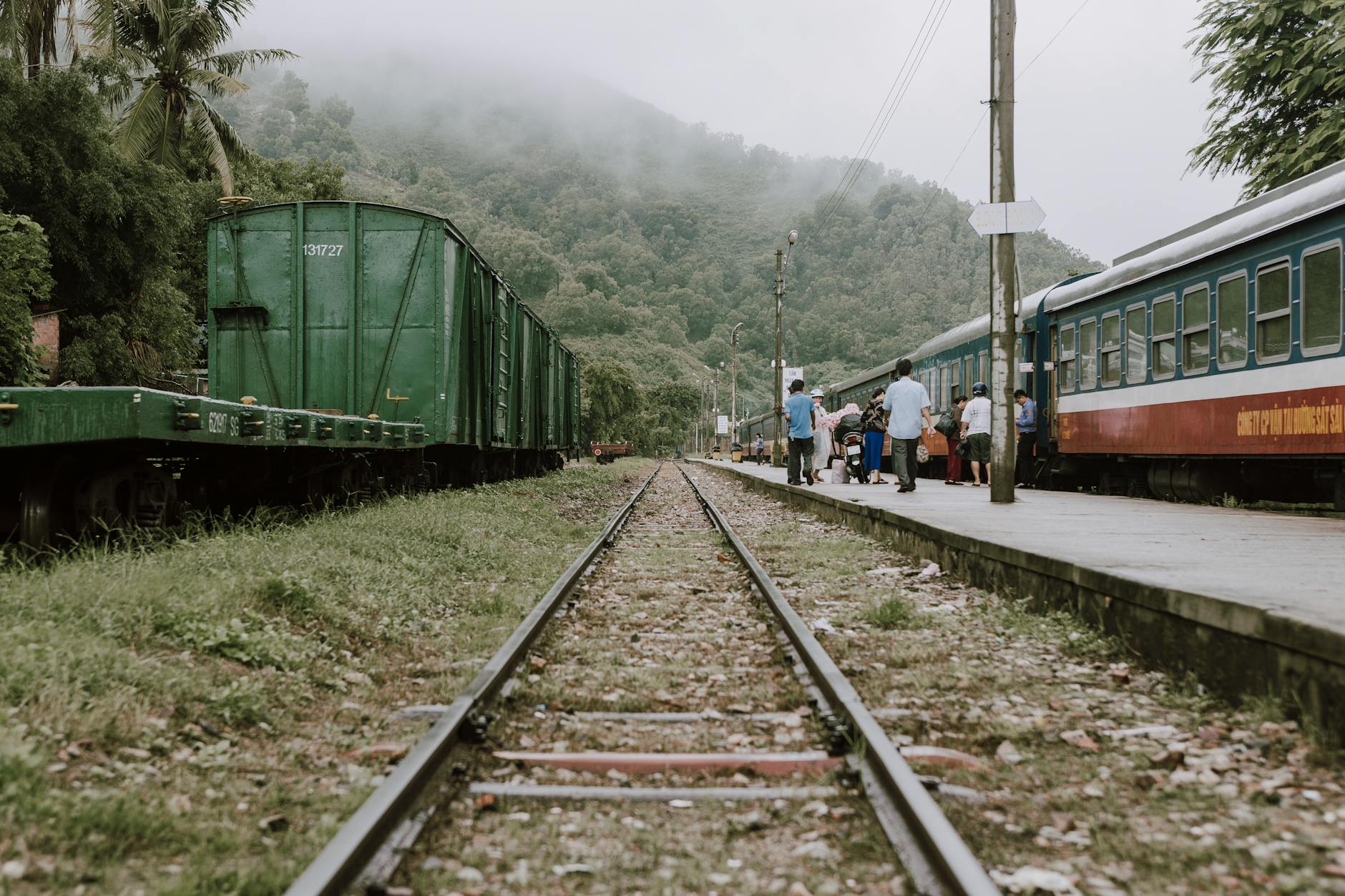
Vietnam trains are still the best answer when the route sits neatly on the main north-south line and you care more about comfort than saving every dollar. The official Vietnam Railways booking site is still dsvn.vn, and it remains the right place to verify official e-tickets, routes, and exchange rules.
Where trains really shine is the classic overnight central route. On March 20, 2026, the 12Go Hanoi to Hue page was still describing the land journey as roughly 14 hours, with trains around 13 hours on the faster overnight services. That matters because 14 hours on a train sleeper is usually a very different experience from 14 hours on an overnight road bus.
I think Vietnam trains make the most sense for routes like Hanoi to Hue, Hanoi to Da Nang, Hue to Nha Trang, and any segment where scenery and sleep both matter. That is an inference from the route structure and operator mix rather than a direct statement from one source, but it is exactly how I would plan a real trip.
Train reality
If the route is long, central, and on the main rail spine, I usually lean train first. Vietnam sleeper trains are rarely glamorous, but they are often the least draining overnight option.
Sleeper Buses in Vietnam: Best for Flexibility, Mixed for Comfort
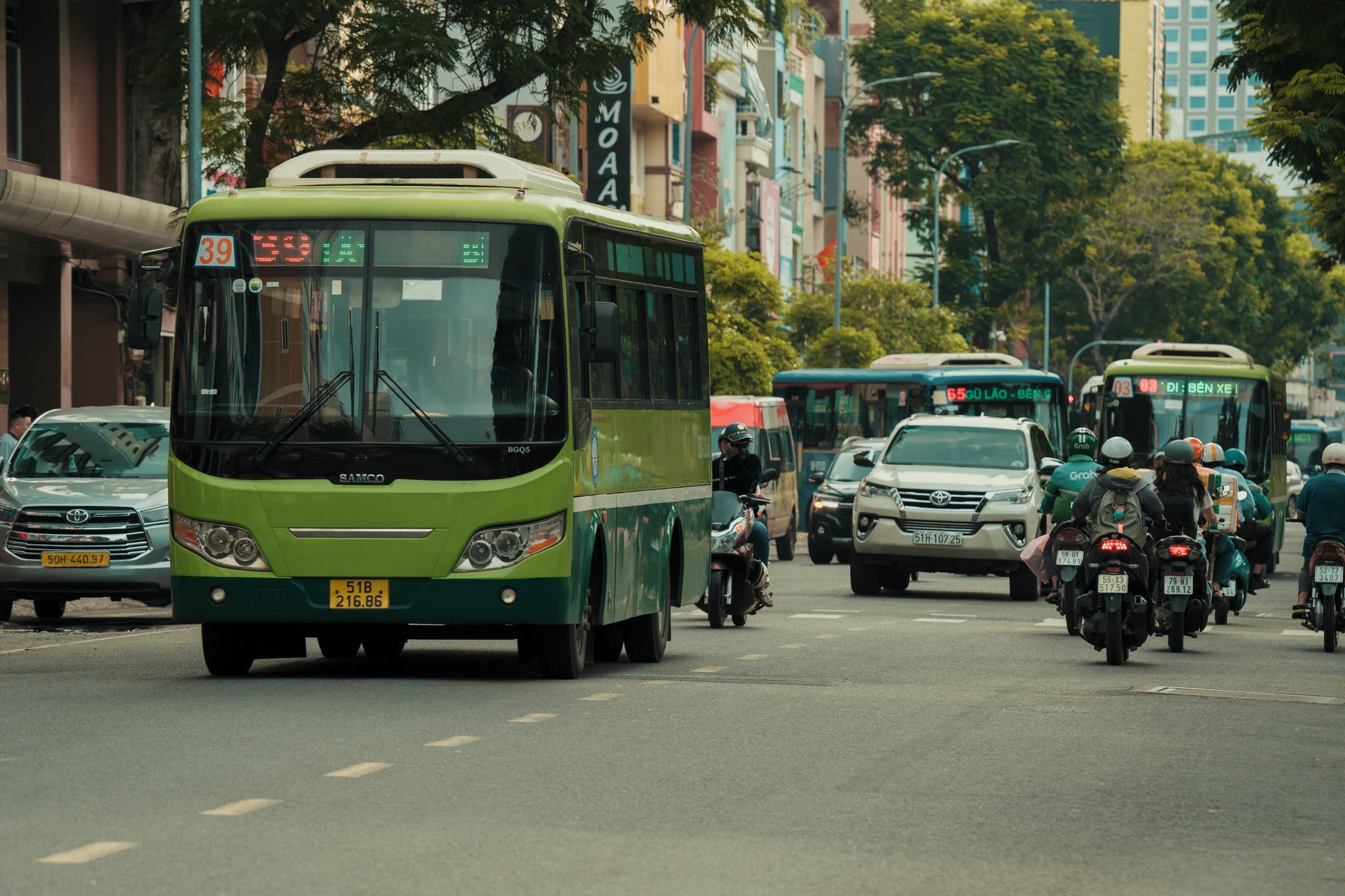
Vietnam sleeper buses are not automatically bad. They are just more variable than trains. The best ones are efficient, cheap, and surprisingly usable. The worst ones are loud, rushed, aggressively driven, and hard to sleep on unless you are very easygoing.
The clearest sleeper-bus win is Hanoi to Sapa. On March 20, 2026, 12Go was showing massive route depth here: bus options from under USD 7, lots of daily departures, and travel times broadly in the 5.5 to 7.5 hour zone by bus. The same page still said trains to Lao Cai are slower, usually around 7.5 to 8.5 hours plus the final transfer up to Sapa.
That is why Hanoi to Sapa is one of the few famous Vietnam routes where I think bus often beats train for ordinary backpackers, unless you specifically want the railway experience. Bus is faster, simpler, and usually drops you closer to where you actually want to be.
Sleeper bus reality
If the route is mountainous, off the rail spine, or aimed heavily at backpackers, sleeper bus is often the right answer. Just do not confuse cheap with restful.
Vans and Short Links: The Bit That Makes Vietnam Work

Vietnam transport gets much easier once you accept that the short connectors are not something to overcomplicate. Da Nang to Hoi An is the perfect example. On March 20, 2026, 12Go was still showing a dense schedule of vans, buses and taxis, with total travel time generally around 1 to 2 hours.
That is exactly the sort of route where I would not waste energy trying to be overly clever. Shared van, short bus, or taxi if you are carrying more gear or arriving late all make sense. This is a connector route, not a romance route.
Short links also matter in places like Lao Cai to Sapa, airport to town transfers, and station-to-town moves where the “main” transport leg was only half the job.
When to Just Fly
Even in a bus-train-sleeper article, there are times where pretending overland is always better is just bad advice. If you are trying to cover both the north and south of Vietnam on a shorter trip, domestic flights still have a place.
The clearest example is Ho Chi Minh City to Da Lat. On March 20, 2026, the 12Go route page still showed buses and flights side by side, with total journey time ranging from about 1 hour to 12 hours depending on mode. That tells you the real story: if you want the classic budget route, sleeper bus works. If you want your day back, a flight can be worth it.
I would say the same for any giant north-south leap where the overland move is not part of the fun anymore. That is an inference, but it is the useful one.
Best Classic Vietnam Routes and What I’d Use
| Route | Best option | Why | Main catch |
|---|---|---|---|
| Hanoi to Sapa | Sleeper bus for most people | Usually faster and simpler than train plus Lao Cai transfer | Road quality and driver style can affect sleep |
| Hanoi to Hue | Sleeper train | Better comfort on a long mainline route | Takes most of a night either way |
| Da Nang to Hoi An | Van or short bus | Fast, cheap, no need to overthink it | Airport and station pickup details matter |
| Ho Chi Minh City to Da Lat | Sleeper bus if budget matters, flight if time matters | Classic budget-vs-time split | Bus comfort varies a lot by operator |
| Long north-south jumps | Train if you want the overland experience, flight if you are short on time | Stops you wasting whole days just to prove a point | Cheap is not always efficient |
If you are planning your route properly, these guides fit naturally with this one: Vietnam 2 week itinerary, best time to visit Vietnam, best eSIM for Vietnam, and best travel card for Vietnam.
What to Use When
| Transport | Best for | Why it wins | What people get wrong |
|---|---|---|---|
| Train | Long classic overland routes | Usually the least draining overnight option | Assuming every route is worth doing by train |
| Sleeper bus | Routes off the rail spine and budget travel | Cheap, frequent, often faster than rail on the right routes | Thinking all sleepers are equally comfortable |
| Van / short bus | Airport, station, and town connectors | Best for simple short links like Da Nang to Hoi An | Turning a 1 hour transfer into a research project |
| Flight | Huge jumps and tight itineraries | Best way to buy back time | Pretending overland is always the smarter story |
Common Vietnam Transport Mistakes
- Using sleeper buses for every overnight leg. One or two can be fine. A whole country on them is tiring.
- Choosing train just because train feels romantic. Hanoi to Sapa is the best example where bus often makes more sense in real life.
- Ignoring the last mile. Lao Cai is not Sapa, and Da Nang is not Hoi An.
- Booking the cheapest option without checking reviews. Vietnam transport quality varies a lot by operator.
- Wasting a whole day on an overland leg that should have been a flight. This matters most on short trips.
- Forgetting that season and fatigue matter. A rainy-season night bus after three rough transfers feels different from the same bus on day one.
Best Simple Vietnam Transport Setup
Use sleeper trains for the big classic central legs, use sleeper buses for places rail does badly, use short vans for connectors, and do not be afraid to fly if your time is tighter than your budget.
Frequently Asked Questions
Is Vietnam easy to get around?
Yes, but it rewards better route planning than some neighbouring countries. Vietnam is long enough that choosing the wrong overnight transport repeatedly can make the trip feel harder than it needs to.
Is train or sleeper bus better in Vietnam?
Train is usually better for comfort on long mainline routes. Sleeper bus is often better for flexibility, price, and routes outside the clean rail spine. Hanoi to Sapa is one of the strongest sleeper-bus cases. Hanoi to Hue is one of the strongest sleeper-train cases.
Is 12Go worth using in Vietnam?
Yes. It is especially useful for classic traveller routes where you want to compare operators and transport types quickly without juggling multiple local booking systems.
Should I book Vietnam trains directly?
If you want the official railway source, Vietnam Railways still uses dsvn.vn. I would use that to verify official tickets and rail rules. For comparing mixed routes or combining train with bus and van decisions, 12Go is often the simpler traveller tool.
What is the best route in Vietnam to do by sleeper bus?
Hanoi to Sapa is one of the clearest examples, because the bus is usually faster and more direct than train plus Lao Cai transfer.