
Philippines Travel Guide 2026: Complete Backpacker’s Handbook
Everything you need to know to backpack the Philippines on a budget – from someone who’s actually done it
The Philippines is the kind of place that ruins other beach destinations for you. Once you’ve swum through the crystal lagoons of El Nido, watched the sun rise over the Chocolate Hills, or drifted with whale sharks off Oslob, everywhere else feels like a consolation prize.
With 7,641 islands, the Philippines is an island-hopper’s dream – and a logistical puzzle. This guide cuts through the noise and gives you the real stuff: honest costs, how to actually get between islands, the 2026 entry rules (there’s a free online step you can’t skip), where to stay, what to eat, and how to stay safe without being paralysed by the horror stories you’ll read online.
Affiliate Disclosure: This guide contains affiliate links to products and services I personally use and recommend. If you book through these links, I earn a small commission at no extra cost to you. This helps keep Backpacking Is Life running. I only recommend what I genuinely use myself.
Why Visit the Philippines?
The Philippines consistently ranks among the world’s top destinations for beaches, diving, and island scenery – and it’s not hard to see why. The water is an absurd shade of blue. The snorkelling and diving are world-class. And outside the main tourist hubs, you’ll find islands that see barely any visitors at all.
What makes the Philippines particularly easy for English-speaking backpackers is that almost everyone speaks English. It’s an official language of the country. Communication is effortless in a way it simply isn’t in most of Southeast Asia, which makes getting off the beaten path far less intimidating.
Islands
Languages
People
Daily Budget (AUD)
Getting to the Philippines
Most backpackers fly into Manila (MNL) or Cebu (CEB). Manila is the main international hub with the most flight options. Cebu is worth considering if you’re planning to spend most of your time in the Visayas – it can save you a domestic flight and a day of transit.
Finding Cheap Flights
I book flights to the Philippines through Trip.com – consistently the best rates I’ve found, especially for connecting through Asian hubs. Set up price alerts and be flexible with your dates.
From Australia, expect to pay $250-500 AUD return to Manila or Cebu during sales, $400-700 normally. Cebu Pacific and Philippine Airlines are the main carriers. AirAsia and Scoot also fly in from various Australian cities. From Europe, budget $700-1100 AUD return. From the US west coast, $600-1000 AUD return.
Money-Saving Tip: Flying into Cebu instead of Manila can save significant time and money if your trip is focused on the Visayas or Palawan. Check both when comparing options.
Visa Requirements 2026
Most nationalities – including Australians, British, Americans, Canadians, and EU passport holders – get a free 30-day visa on arrival under Executive Order 408. There’s no need to apply in advance. You will need a passport valid for at least six months beyond your intended stay, plus a return or onward ticket to show at immigration.
The 30-day stay can be extended at any Bureau of Immigration office for another 29 days (around 3,000 PHP / roughly $75 AUD once the various processing fees are added). After that, extensions are available in further blocks up to a maximum of 3 years total, and any stay beyond 59 days requires an ACR I-Card – though for most backpackers, 30-59 days is plenty.
New for 2026 – don’t skip this: Every traveller must complete the free eTravel registration at etravel.gov.ph within 72 hours before arrival. It replaced the old paper arrival card, generates a QR code you present at immigration, and is completely separate from your visa. It is free – ignore any third-party website that asks you to pay for it. Register from home or your hotel before you head to the airport: trying to do it on arrival means battling airport WiFi, and the OTP verification codes routinely fail to reach foreign phone numbers.
Getting Around the Philippines
Getting around the Philippines is simultaneously the best and most frustrating part of the trip. The island geography means you’re constantly combining planes, ferries, tricycles, and jeepneys to reach your next destination. Give yourself buffer time everywhere – schedules are loose and delays are normal.
Domestic Flights
Flying is the fastest way to cover long distances. The Philippines has a good network of domestic routes thanks to Cebu Pacific, Philippine Airlines, and AirAsia Philippines. Fares can be extremely cheap if you book ahead – I’ve paid as little as 500 PHP ($12 AUD) for short hops during sales.
I compare all domestic flights on Trip.com. Book early for popular routes like Manila to El Nido (Puerto Princesa) or Manila to Siargao – these sell out and prices spike.
Important: Philippine airports are known for last-minute gate changes and delays. Always build buffer days into your itinerary, especially if you have an international connection. Missing your flight out of the Philippines because of a delayed domestic hop is more common than you’d think.
Ferries
Ferries connect the major islands and are the backbone of inter-island travel. 2GO Travel and OceanJet are the main operators. Overnight ferries between major cities (like Manila to Cebu) take 20-24 hours but save on accommodation – a bunk bed cabin costs around 1,500-2,500 PHP ($35-60 AUD).
For shorter routes and fast ferries, I book through 12Go Asia – they have comprehensive schedules and you can book online in advance, which matters in peak season.
Safety Note: Ferry safety standards vary widely. Stick to established operators and check weather conditions before travelling – the Philippines experiences typhoons, and local boats can be cancelled or unsafe in rough seas. Don’t board anything that looks overcrowded or poorly maintained.
Bangkas (Outrigger Boats)
Bangkas are the small wooden outrigger boats used for island-hopping tours and short crossings. They’re everywhere in tourist areas – you’ll hire them for day trips and they’re essential for reaching smaller islands. Expect to pay 1,500-3,500 PHP ($35-85 AUD) to charter one for a full day of island hopping, split between your group.
Buses
On larger islands like Luzon and Mindanao, buses are the main way to get between cities. Aircon coaches are comfortable and cheap – a 5-6 hour journey might cost 300-500 PHP ($7-12 AUD). Overnight buses are common for longer routes.
Jeepneys and Tricycles
Jeepneys are the iconic Filipino transport – elaborately decorated minibuses that run fixed routes in cities and towns. Fares start at 13 PHP ($0.30 AUD) for short hops. They’re slow, colourful, chaotic, and brilliant.
Tricycles (motorbikes with a sidecar) handle shorter distances and rural routes that jeepneys don’t reach. Always agree on a price before getting in – short trips should cost 30-80 PHP ($0.70-2 AUD). Habal-habal (motorcycle taxis) are the version without the sidecar, common in mountainous areas.
Grab
Grab operates in Manila, Cebu, and a handful of other larger cities. It’s the most reliable way to get around without getting ripped off in urban areas. Fixed prices, no negotiation needed.
Where to Stay in the Philippines
Accommodation quality and price varies massively depending on where you are. Bohol, Siargao, and El Nido have excellent backpacker infrastructure. More remote islands are more basic. Manila is urban – hostels are fine but you won’t be spending much time there.
Hostels
Dorm beds in the Philippines cost around 400-700 PHP ($10-17 AUD) in most tourist areas. The hostels around Siargao, El Nido, and the Visayas are genuinely great – hammocks, beach locations, social vibes, and organised tours.
I book through Hostelworld for the Philippines. Some standout spots:
- Mad Monkey (multiple locations): Reliable chain with solid social scenes in Cebu, El Nido, and Boracay
- Fuga Hostel (El Nido): Great location, rooftop bar, good community
- Harana Surf Resort (Siargao): Not a hostel exactly, but budget-friendly and perfectly located for Cloud 9
- The Circle Hostel (Manila): Best option in Manila for backpackers, great rooftop
Guesthouses and Beach Huts
Outside hostel zones, basic guesthouses and beach huts are the go-to. A private room with a fan and shared bathroom runs 500-900 PHP ($12-22 AUD). On quieter islands, you’ll find nipa huts (bamboo and palm leaf beach bungalows) for similar prices – basic but atmospheric.
Budget Hotels
Budget hotels with air-con and private bathroom start around 1,000-1,500 PHP ($25-35 AUD). In Manila, you can find decent budget hotels in Makati or BGC for this price. Worth it if you’re spending a night in the city before flying onward.
Money and Costs in the Philippines
The Philippines sits in a similar price bracket to Indonesia – you can travel comfortably on $30-45 AUD per day as a budget backpacker. It’s slightly pricier than Vietnam or Cambodia, but still excellent value compared to anywhere in the West.
Daily Budget Breakdown
| Category | Budget | Mid-Range | Comfort |
|---|---|---|---|
| Accommodation | 400-700 PHP ($10-17 AUD) Hostel dorm | 900-1,800 PHP ($22-44 AUD) Private room / guesthouse | 2,000-5,000 PHP ($50-120 AUD) Boutique hotel |
| Food | 200-400 PHP ($5-10 AUD) Local carinderia / turo-turo | 500-1,000 PHP ($12-25 AUD) Mix of local and tourist restaurants | 1,000-2,500 PHP ($25-60 AUD) Western restaurants / resort dining |
| Transport | 100-300 PHP ($2.50-7 AUD) Jeepneys, tricycles, local buses | 300-800 PHP ($7-20 AUD) Grab, tourist vans | 800-2,000 PHP ($20-50 AUD) Private transfers, domestic flights |
| Activities | 300-700 PHP ($7-17 AUD) Island hopping, snorkelling | 700-2,000 PHP ($17-50 AUD) Diving, guided tours | 2,000-6,000+ PHP ($50-150+ AUD) Multi-dive days, whale shark tours |
| Daily Total | ~1,200-1,800 PHP ($30-45 AUD) | ~2,500-4,500 PHP ($60-110 AUD) | ~5,000-10,000+ PHP ($120-250+ AUD) |
ATMs and Cash
The Philippines is primarily a cash economy, especially outside Manila and Cebu. BancNet and Mastercard/Visa ATMs are widely available in cities and tourist towns, but can be scarce on smaller islands. Withdraw enough cash before heading somewhere remote.
ATM fees are significant – most charge 200-250 PHP ($5-6 AUD) per withdrawal on top of whatever your home bank charges. Withdraw larger amounts less frequently to minimise this. I travel with a Wise card, which uses the mid-market exchange rate and avoids the roughly 3% foreign-transaction fee a normal bank card adds to every purchase and withdrawal – over a multi-week trip that adds up fast.
Pro Tip: Some ATMs in tourist areas run out of cash on weekends and during peak season. If you’re heading to a remote island on a Friday, make sure you have enough cash to last until Monday at minimum.
Tipping
Tipping isn’t culturally mandatory in the Philippines but is appreciated in tourist areas. 10% at sit-down restaurants is common. Tour guides and boat crews appreciate a tip if they’ve done a good job – 100-200 PHP ($2.50-5 AUD) is appropriate.
Food and Drink in the Philippines
Filipino food doesn’t get the international recognition it deserves. It’s hearty, flavourful, and deeply tied to family and community. The national palate leans sour and salty – think vinegar, citrus, and soy sauce as flavour bases.
Must-Try Filipino Dishes
- Adobo: The national dish – meat (usually chicken or pork) braised in vinegar, soy sauce, garlic, and bay leaves. Every family has their own version. You’ll eat it constantly and never get bored.
- Sinigang: Sour tamarind-based soup with pork, seafood, or vegetables. Punchy and restorative – the perfect thing after a day in the sun.
- Lechon: Whole roasted pig. Crispy skin, succulent meat. The Cebu version is considered the best in the country – it’s a religious experience.
- Kare-Kare: Oxtail and vegetables in a rich peanut sauce, served with fermented shrimp paste (bagoong) on the side. Sounds odd, tastes incredible.
- Sisig: Sizzling plate of chopped pork cheek and offal with chilli, calamansi, and egg. A legendary beer-drinking food.
- Pancit: Stir-fried noodles with vegetables and meat or seafood. Dozens of regional variations across the country.
- Halo-Halo: The ultimate Filipino dessert – crushed ice, sweetened beans, jelly, coconut, ube (purple yam) ice cream, and condensed milk all in one glass. Chaotic and brilliant.
- Balut: A fertilised duck egg with a partially developed embryo, eaten boiled with salt and vinegar. A classic Filipino street food challenge. Try it at least once.
Vegetarian and Vegan Food
The Philippines is a more challenging destination for vegetarians than Indonesia or Thailand. Filipino cuisine is heavily meat and seafood-based, and even dishes that look vegetarian often contain shrimp paste or fish sauce.
That said, it’s far from impossible. Pinakbet (vegetable stew) can be made without bagoong if you ask. Tofu and vegetable dishes are on most menus. Buddhist vegetarian restaurants exist in cities. And the fresh tropical fruit – mangoes, papayas, jackfruit – is spectacular and available everywhere for next to nothing.
In popular tourist areas like El Nido, Siargao, and Boracay, there are always a few cafes catering to vegetarian and vegan travellers. Outside these zones, be prepared to improvise and communicate clearly.
Where to Eat
Carinderias are the Filipino equivalent of warungs – small, informal eateries where you point at whatever’s in the bain-marie and pay per dish. This is where locals eat and where you’ll spend $2-4 AUD on a full meal. Look for busy ones with fast turnover so the food is fresh.
Turo-turo restaurants (the name means “point-point”) operate on the same principle – walk up, point at what you want, get a plate with rice. Efficient, cheap, and often delicious.
Barbecue stalls are everywhere at night – grilled chicken, pork skewers, isaw (grilled intestines), corn on the cob. The smell will get you from 100 metres away.
Drinks
Tap water is not safe to drink. Bottled water (1.5L for about 25-35 PHP / $0.60-0.85 AUD) or refill stations are your options. Bring a filtered water bottle to reduce plastic waste.
San Miguel is the national beer and ubiquitous – a cold one at a beach bar costs 50-80 PHP ($1.20-2 AUD). San Miguel Light, Pale Pilsen, and Red Horse (stronger) are the main variants.
Tuba is a local palm wine – cheap, fermented, and variable in quality. Found at local drinking spots rather than tourist bars.
Fresh buko (young coconut) juice is everywhere and brilliant – around 30-50 PHP ($0.70-1.20 AUD) for a whole coconut hacked open in front of you.
SIM Cards and Staying Connected
Planning an island route? Use our Philippines eSIM data planner and plan comparison to budget mobile data for the whole trip, then save maps and transfer details offline before travelling.
Getting a SIM card in the Philippines is easy and cheap. The two main providers are Globe and Smart – pick one up at the airport or any 7-Eleven convenience store (they’re everywhere) for about 100-150 PHP ($2.50-3.50 AUD) including a starter data bundle.
Globe and Smart have comparable coverage overall. Globe tends to be slightly better in Palawan; Smart edges ahead in some Visayas areas. In genuinely remote areas, coverage on both can be patchy – download offline maps (Maps.me or Google Maps offline) before you head somewhere isolated.
If you’re hopping through multiple countries in one trip – or you just want data working the moment you land (handy, since you’ll want it for your eTravel QR code and Grab) – an eSIM is a cleaner option. I use Saily: activate before you land, no physical card to lose, and you can switch data plans between countries without hassle.
WiFi in hostels and cafes is generally decent in tourist areas. For remote islands and boat trips, don’t rely on it – buy a generous local data plan and you’ll be set.
Safety in the Philippines
The Philippines gets a bad rap for safety online, and it’s worth putting that in context. The vast majority of backpackers travel the country without incident. The areas tourists visit are generally safe. That said, the Philippines does require more situational awareness than Thailand or Bali.
Petty Theft and Scams
Manila requires more vigilance than the islands. Keep your phone in your pocket, be aware of your surroundings at night, and don’t flash expensive gear. The “taxi overcharge” is the most common scam for new arrivals at Manila’s airports – always use Grab or the official airport taxi queue, not the touts who approach you in arrivals.
On the islands, petty theft from beaches and hostels is the main risk. Use your locker, don’t leave valuables on the sand.
Areas to Approach with Caution
Certain parts of Mindanao (western Mindanao and the Sulu Archipelago) have ongoing security issues involving armed groups. Most governments advise against travel to these specific areas. This is not a reflection of the Philippines as a whole – the rest of Mindanao, including Davao (one of the safest cities in the country), Siargao, and Camiguin, are perfectly safe and well worth visiting.
Always check your government’s travel advisory before departure and keep it updated during your trip.
Natural Hazards
The Philippines sits on the Pacific Ring of Fire and is one of the most typhoon-prone countries in the world. Typhoon season runs roughly June to December, peaking August to October. This doesn’t mean you can’t travel during these months – typhoons are localised and forecasts are reasonably reliable – but you need to be flexible and ready to change plans at short notice.
Ocean currents around the Philippines can be fierce. Respect rip currents and swim only at beaches with flags or lifeguards where possible.
Health
Food from busy, well-regarded spots is generally safe. The usual Southeast Asia precautions apply – cooked food, bottled water, avoid raw salads in questionable places. Dengue fever is present across the country; wear repellent, especially around dusk.
Medical facilities in Manila and Cebu are decent. On remote islands, facilities are extremely basic – any serious medical issue will require evacuation. This makes travel insurance non-negotiable.
Travel Insurance
Get it. The Philippines involves a lot of water activities – boats, diving, island hopping – and things can go wrong. Medical evacuation from a remote island to Manila, or from Manila to Australia, is prohibitively expensive without coverage. I use SafetyWing – affordable, covers most adventure activities, and straightforward to claim from. For a fuller breakdown of options, see my guide to the best travel insurance for the Philippines.
Best Destinations in the Philippines
The Philippines is so big and so spread out that most backpackers only scratch the surface. Here’s where to focus your time, from the classic tourist trail to destinations that fewer travellers reach.
Palawan
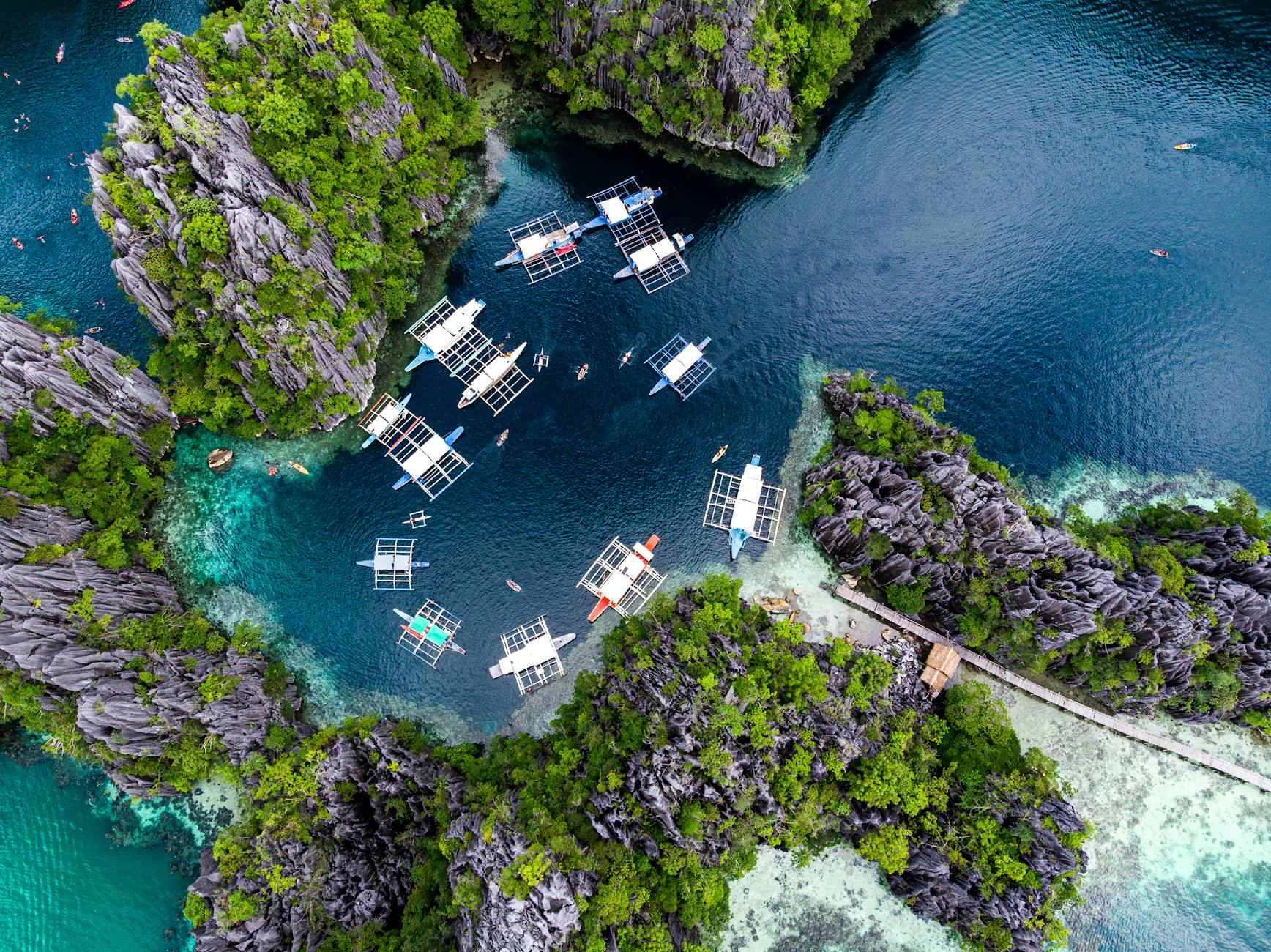
Palawan is consistently voted one of the world’s best islands, and it earns it. The province is home to two unmissable areas: El Nido in the north, with its towering limestone karsts, hidden lagoons, and spectacular island-hopping tours; and Coron in the north of the Calamian Islands, famed for world-class wreck diving and crystal-clear lakes. Puerto Princesa sits in between and is the main transport hub, plus the gateway to the Underground River – a UNESCO World Heritage site.
El Nido gets crowded in peak season (December-April) but is never unpleasant. The landscape is simply stunning. Budget at least 4-5 days here. For the detail, see my dedicated guides to El Nido and Coron, plus how to do the El Nido to Coron crossing.
Cebu
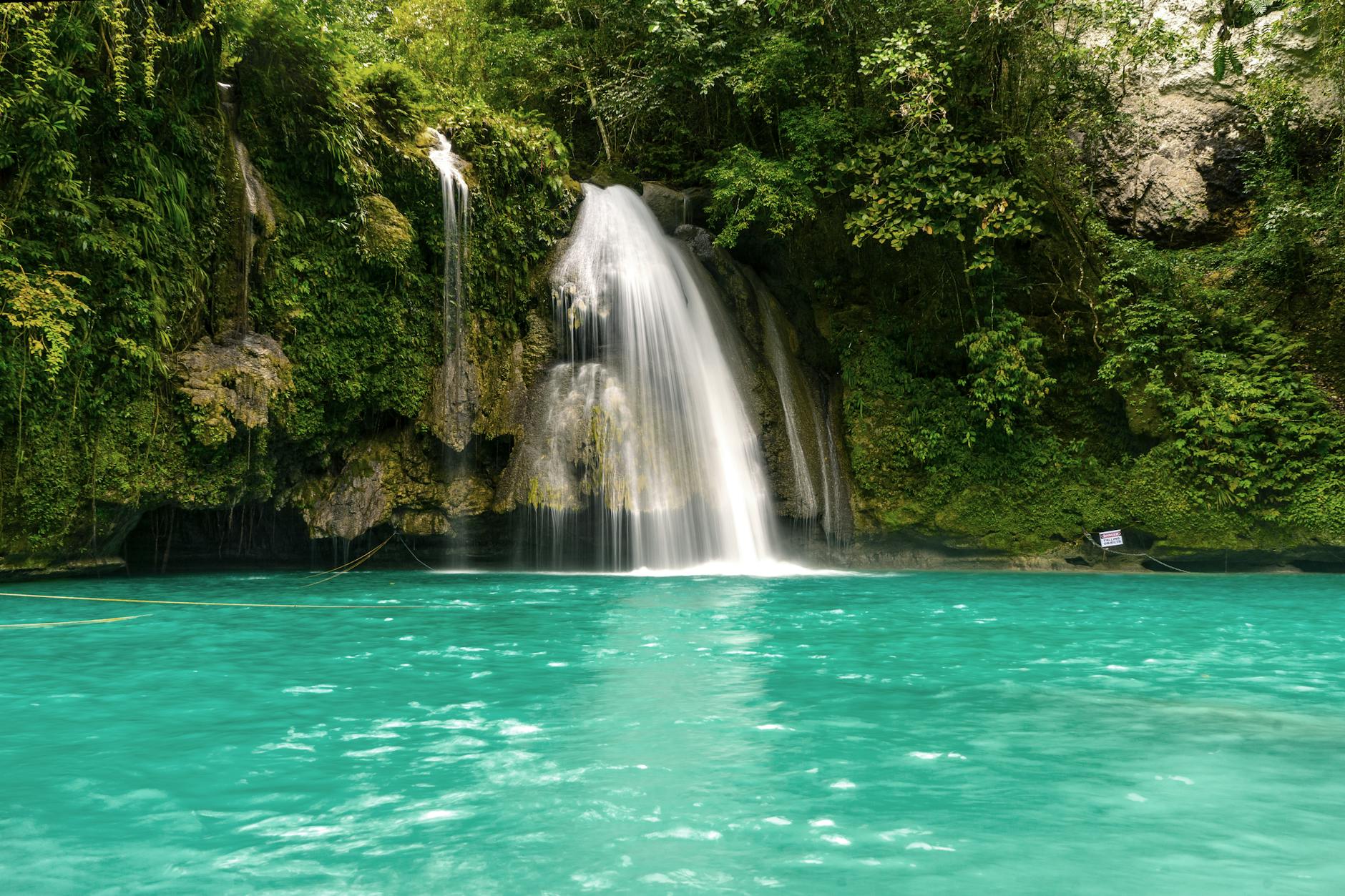
Cebu is the second city of the Philippines and one of its best travel hubs. The city itself is gritty and fast-paced – worth a day or two to eat lechon, visit the Basilica Minore del Santo Niño, and explore the Colon Street area. But Cebu’s real draws are around it: Moalboal (sardine runs, turtle spotting, great diving), Kawasan Falls (a stunning multi-tiered waterfall), and day trips to swim with whale sharks at Oslob.
Note on Oslob: The whale shark interaction at Oslob is controversial – the sharks are fed to keep them in place, which affects their natural behaviour. Many travellers choose Donsol in Sorsogon instead, where whale shark sightings are wild and unbaited. Worth considering both options.
Siargao
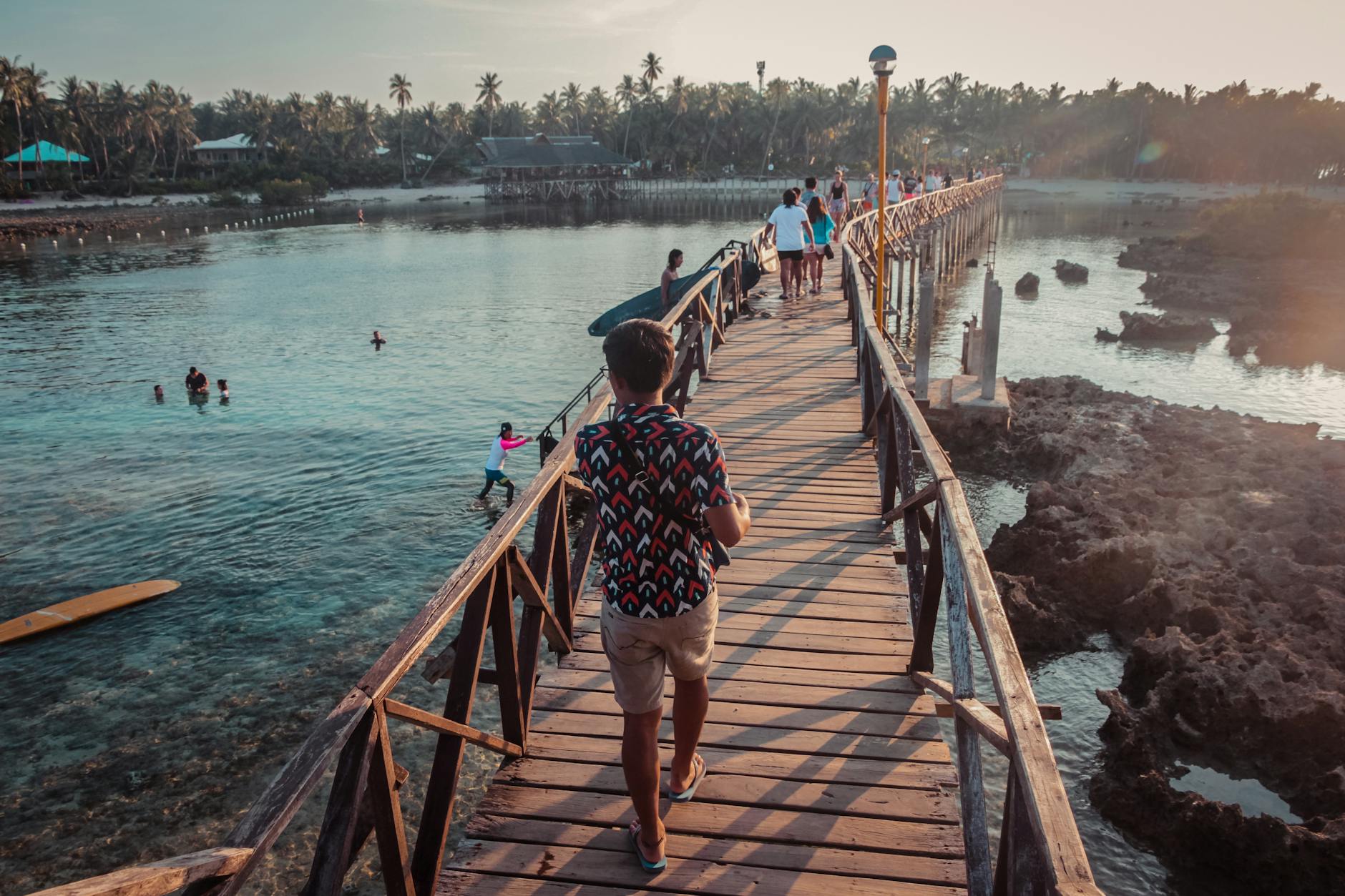
The surf capital of the Philippines. Cloud 9 is the famous break – a world-class hollow reef wave that draws serious surfers from around the world. But Siargao is much more than surfing: the island has a beautiful, laid-back vibe, excellent island hopping to Naked Island, Dako Island, and Guyam Island, and some of the best hostel scenes in the country. Even if you don’t surf, Siargao is a brilliant place to be.
Bohol
Bohol is one of the most underrated islands in the Philippines. The Chocolate Hills – over 1,200 perfectly symmetrical mounds that turn brown in dry season – are one of the most surreal landscapes I’ve seen anywhere. Add to this the tarsiers (the world’s smallest primates, enormous eyes, genuinely adorable), the Loboc River, and excellent diving off Panglao Island, and you’ve got a fantastic 3-4 day stop.
Boracay
Boracay was closed for six months in 2018 for environmental rehabilitation and came back significantly cleaner and better managed. White Beach is still beautiful – arguably the finest stretch of sand in the country – and the beachside strip of bars and restaurants is lively without being overwhelming. It’s touristy, yes, but it’s touristy for a reason. Budget 3-4 days.
Batanes
The most remote and arguably the most beautiful province in the Philippines – a group of islands at the very northern tip of the archipelago, closer to Taiwan than to Manila. Batanes has rolling green hills, stone villages, and a culture (Ivatan) unlike anywhere else in the Philippines. Flights from Manila are the only way in, and weather cancellations are common. But for travellers who make it, it’s unforgettable.
Manila
Most backpackers treat Manila as a transit point – arrive, sleep, fly on. That’s understandable, but the city has more to offer than its chaotic reputation suggests. Intramuros (the old Spanish walled city) is genuinely fascinating. Bonifacio Global City (BGC) is clean, walkable, and full of good restaurants. The National Museum of the Philippines is world-class and free. Give it two days before you write it off.
Sample Itineraries
2 Weeks: Classic Philippines
- Days 1-2: Manila (Intramuros, food, transit)
- Days 3-7: El Nido, Palawan (island hopping Tours A, B, C)
- Days 8-10: Cebu (city + Moalboal / Kawasan Falls)
- Days 11-14: Bohol (Chocolate Hills, Panglao diving, tarsiers)
Want this one mapped out day by day? See the full 2-week Philippines itinerary.
3-4 Weeks: Island Hopper
- Days 1-2: Manila
- Days 3-7: El Nido
- Days 8-10: Coron (wreck diving)
- Days 11-13: Cebu
- Days 14-17: Siargao
- Days 18-20: Bohol
- Days 21-25: Boracay or Batanes (fly from Cebu or Manila)
Diving Focus: 3 Weeks
- Days 1-2: Manila
- Days 3-7: Coron (wreck diving – some of the best in the world)
- Days 8-12: El Nido (diving + island hopping)
- Days 13-17: Moalboal, Cebu (sardine run, turtles)
- Days 18-21: Tubbataha Reef liveaboard (March-June only – bucket list)
Best Time to Visit the Philippines
The Philippines has a more complicated weather picture than most Southeast Asian countries because different regions have genuinely different seasonal patterns.
The dry season for most of the country (including Manila, Palawan, and the Visayas) runs roughly November to May. This is the best time for beach travel, diving, and island hopping. December to April is peak tourist season – expect more crowds and slightly higher prices, but the weather is reliably excellent.
June to October is typhoon season. Typhoons typically track across the central Philippines (Visayas) and northern Luzon. Palawan and Siargao are often (not always) spared the worst. Travelling during this period is riskier – not impossible, but you need to be flexible and willing to change plans at short notice.
Pro Tip: If you’re travelling during typhoon season, keep an eye on PAGASA (the Philippine weather agency) and download an app like Windy to track storm systems. Most typhoons give a few days warning.
For Siargao, the best surf is June to November – the tail end of wet season for the rest of the country is peak surf season here. Many serious surfers specifically time their trips around this.
What to Pack for the Philippines
The Philippines is hot, humid, and heavily beach-focused. Pack light – you can buy almost everything you need cheaply once you’re there.
- Lightweight clothing: Shorts, t-shirts, a light long-sleeve for sun protection and temple visits. Leave the jeans at home.
- Swimwear: Bring two sets so one’s always dry.
- Reef-safe sunscreen: Protect the coral and your skin. Sunscreen in Philippine tourist shops is expensive – bring your own.
- Insect repellent: DEET or picaridin. Dengue is real.
- Dry bag: Essential for bangka rides and beach days. Waves regularly splash over outrigger boats.
- Water shoes or reef shoes: Rocky beaches, coral, and volcanic sand make these worth having.
- Packable rain jacket: Even in dry season, afternoon showers happen. In wet season, it’s non-negotiable.
- Padlock: For hostel lockers.
- Reusable water bottle with filter: Reduce the plastic footprint. The Philippines has a serious marine plastic pollution problem – do your bit.
- Power bank: Power outages (brownouts) are common on smaller islands.
- Snorkel gear: Decent snorkel gear is available to rent, but bringing your own mask means a better fit and no sharing with 50 other travellers.
- Stomach medication: Rehydration sachets, something for diarrhoea, and antacids. Pack them – you’ll probably use something from this kit.
Cultural Tips for the Philippines
Filipinos are among the warmest, most welcoming people I’ve encountered anywhere in the world. A little cultural awareness goes a long way.
- “Po” and “Opo”: Adding “po” or “opo” to sentences when speaking to elders is a sign of respect. Filipinos will notice and appreciate it.
- The Philippines is predominantly Catholic. Sunday Mass is a big deal. Dress modestly when visiting churches, and be quiet and respectful inside.
- Face and hiya (shame): Filipinos are non-confrontational and will rarely say no directly. “Yes” can mean “maybe” or “I don’t want to disappoint you.” Read context carefully.
- Pointing with lips: Filipinos often point directions by pursing their lips in that direction. Not rude – just different.
- Sharing food is central to Filipino culture. If someone offers you food, accept if you can. Refusing hospitality can cause offence.
- Bargaining is less common than in other Southeast Asian countries. Fixed prices are more common. Don’t try to haggle at restaurants or proper shops – it’s considered rude.
- Barangay fiesta: Every local neighbourhood has an annual festival (barangay fiesta) celebrating its patron saint. If you happen to be in a town during one, you’ll be welcomed in and fed. Some of the best travel experiences I’ve had in the Philippines were accidental fiestas.
Useful Filipino (Tagalog) Phrases
Almost everyone in the Philippines speaks English, so Tagalog isn’t strictly necessary. But a few words will absolutely delight the locals and get you genuine smiles.
| English | Tagalog | Pronunciation |
|---|---|---|
| Hello / How are you? | Kumusta? | Koo-moos-tah |
| Thank you | Salamat | Sah-lah-mat |
| You’re welcome | Walang anuman | Wah-lang ah-noo-man |
| Yes / No | Oo / Hindi | Oh-oh / Hin-dee |
| How much? | Magkano? | Mag-kah-no? |
| Too expensive | Mahal na mahal | Mah-hal nah mah-hal |
| Delicious! | Masarap! | Mah-sah-rap |
| Where is…? | Nasaan ang…? | Nah-sah-an ang…? |
| I don’t understand | Hindi ko naiintindihan | Hin-dee ko nah-een-tin-dee-han |
| Cheers! (toast) | Mabuhay! | Mah-boo-high |
Philippines Travel FAQ
Do I need a visa to visit the Philippines?
Most nationalities – Australian, British, American, Canadian and EU – get a free 30-day visa on arrival, extendable at a Bureau of Immigration office. You’ll need a passport valid for at least six months and a return or onward ticket. Separately, everyone must complete the free eTravel registration at etravel.gov.ph within 72 hours before arrival – it’s not a visa, but you’ll be asked for the QR code at immigration.
Is the eTravel registration really required?
Yes. As of 2026 it’s mandatory for all arrivals and departures, regardless of nationality, and it’s free at etravel.gov.ph. It takes under ten minutes and needs no document uploads. Do it before you reach the airport – registering on arrival often fails because the WiFi login OTP codes don’t reach foreign phone numbers, which is exactly when a working eSIM earns its keep.
Is the Philippines safe for backpackers?
Generally yes – the areas tourists visit are safe, though Manila needs more street awareness than the islands. Avoid western Mindanao and the Sulu Archipelago, which carry government travel warnings. Because the trip is so water-heavy – boats, diving, island hopping – travel insurance is the one thing not to skip.
How many days do you need in the Philippines?
Two weeks covers the classic loop (Palawan, Cebu, Bohol). Three to four weeks lets you add Siargao, Coron and Boracay without rushing. Transport is slow and weather-dependent, so always build in buffer days – see the 2-week itinerary for a realistic pace.
When is the best time to visit?
November to May is the dry season and the best window for island hopping and diving; December to April is busiest. June to October is typhoon season – riskier, but Siargao’s surf actually peaks then.
How much does it cost to backpack the Philippines?
Budget backpackers spend around $30-45 AUD a day, mid-range $60-110. It’s slightly pricier than Vietnam but still great value. A Wise card avoids the ~3% bank foreign-exchange fees that quietly inflate the total.
What’s the best SIM or eSIM for the Philippines?
Globe or Smart local SIMs from any 7-Eleven (~100-150 PHP) have the best coverage. For multi-country trips, a Saily eSIM is cleaner – active before you land.
Do I need to book flights and ferries in advance?
For popular domestic routes (Manila-El Nido, Manila-Siargao) and peak-season ferries, yes – they sell out and prices spike. Book flights and ferries ahead for those.
Final Thoughts
The Philippines is genuinely one of the most spectacular countries in the world for a backpacker. The beaches are world-class, the diving is extraordinary, and the people are warm in a way that feels completely natural rather than performative. It’s the kind of country where you arrive planning three weeks and leave wishing you’d booked a month.
The logistics can test your patience – cancelled ferries, delayed flights, brownouts on remote islands. But that’s part of the deal. The Philippines rewards flexibility and spontaneity more than almost anywhere I’ve been. Leave room in your itinerary to say yes when a hostel owner suggests an island you’ve never heard of, or when a local family invites you to their fiesta.
Those are the moments that stay with you. Go find them.
Quick Links: Find cheap flights · Book hostels · Get travel insurance · Book ferries · Get an eSIM · Get a Wise card