Disclosure: This post contains affiliate links. If you purchase through them, I earn a small commission at no extra cost to you. I only recommend services I personally use.
Vietnam Travel Guide 2026: Everything You Need to Know for Backpacking Vietnam
Real costs, practical tips, and honest advice from someone who’s been there
Vietnam has become one of Southeast Asia’s most popular backpacking destinations, and for good reason. I’ve spent months travelling through this incredible country, from the chaotic streets of Hanoi to the beaches of Phu Quoc, and I can honestly say it’s one of the best value destinations for backpackers in 2026.
This guide covers everything you need to know about travelling Vietnam: real costs, how to get around, where to stay, what to eat (including vegan options), safety tips, and practical information that’ll actually help you plan your trip. No fluff, just the information I wish I’d had before my first visit.
Affiliate Disclosure: This post contains affiliate links. If you book through these links, I earn a small commission at no extra cost to you. This helps keep Backpacking Is Life running. I only recommend services I actually use and trust.
Quick Facts About Vietnam
Population
Area
Language
Currency
Capital: Hanoi
Time Zone: ICT (UTC+7)
Electricity: 220V, Type A/C/D plugs
International Dialling Code: +84
Visa Requirements for Vietnam 2026
Vietnam’s visa situation has improved significantly for travellers. Here’s what you need to know:
Visa Exemptions: Citizens from 25 countries (including UK, France, Germany, Spain, Italy) can enter visa-free for up to 45 days. This was extended from 15 days in 2023 and is valid until at least mid-2026.
E-visa: Available for citizens of most countries for stays up to 90 days. Costs USD $25 and takes 3 business days to process. Apply through the official government portal before you travel.
Visa on Arrival: Only available if you’re flying in and have a pre-arranged approval letter (typically organised through a travel agency). Not recommended as e-visas are easier and more reliable.
My Tip: Check your visa status well before booking flights. The official e-visa portal can be slow during peak season. Also, make sure your passport is valid for at least 6 months beyond your arrival date.
Getting to Vietnam
Vietnam has three main international airports: Hanoi (HAN) in the north, Ho Chi Minh City (SGN) in the south, and Da Nang (DAD) in the centre. Most backpackers fly into either Hanoi or Ho Chi Minh City.
From Australia, expect to pay AUD $400-800 for return flights depending on the season. I usually fly with Vietnam Airlines, Jetstar, or AirAsia. The flight takes about 8-9 hours direct from Sydney or Melbourne.
From Europe, you’re looking at 12-15 hours with at least one stopover. Budget carriers like Scoot and AirAsia often have competitive prices if you’re flexible with dates.
I always use Trip.com to compare flight prices across different airlines and dates. Their calendar view makes it easy to spot the cheapest days to fly, which can save you hundreds of dollars.
When to Visit Vietnam
Vietnam’s climate varies dramatically from north to south. There’s no perfect time to visit the entire country, but here’s what you need to know:
North Vietnam (Hanoi, Sapa, Ha Long Bay):
- Best time: October to April (dry season, cooler temperatures)
- Avoid: June to September (hot, humid, occasional typhoons)
- Note: December-February can be surprisingly cold (10-15°C), especially in Sapa
Central Vietnam (Da Nang, Hoi An, Hue):
- Best time: February to May (dry, warm, perfect beach weather)
- Avoid: October to December (heavy rain, flooding common)
South Vietnam (Ho Chi Minh City, Mekong Delta, Phu Quoc):
- Best time: December to April (dry season)
- Avoid: May to November (wet season, though it’s usually just afternoon showers)
Peak Season: December to February is when most tourists visit. Expect higher prices and more crowded attractions. I prefer travelling in March-April or September-October for better weather and fewer crowds.
How Much Does Vietnam Cost? Daily Budget Breakdown
Vietnam remains one of the cheapest countries in Southeast Asia for backpackers. Here’s what you can expect to spend per day in 2026:
| Category | Budget | Mid-Range | Comfort |
|---|---|---|---|
| Accommodation | 150,000-250,000₫ (AUD $9-15) Hostel dorm |
400,000-700,000₫ (AUD $24-42) Private room/budget hotel |
1,000,000-2,000,000₫ (AUD $60-120) Nice hotel |
| Food | 150,000-250,000₫ (AUD $9-15) Street food & local restaurants |
300,000-500,000₫ (AUD $18-30) Mix of local & tourist restaurants |
600,000-1,000,000₫ (AUD $36-60) Western restaurants |
| Transport | 50,000-150,000₫ (AUD $3-9) Local bus, motorbike rental |
150,000-300,000₫ (AUD $9-18) Grab, short flights |
300,000-600,000₫ (AUD $18-36) Private transfers |
| Activities | 100,000-200,000₫ (AUD $6-12) Temples, museums, beaches |
300,000-600,000₫ (AUD $18-36) Tours, attractions |
600,000-1,200,000₫ (AUD $36-72) Premium tours |
| TOTAL PER DAY | 450,000-850,000₫ (AUD $27-51) |
1,150,000-2,100,000₫ (AUD $69-126) |
2,500,000-4,800,000₫ (AUD $150-288) |
I typically spend around 600,000-700,000₫ per day (AUD $36-42), staying in hostel dorms, eating mostly local food with the occasional Western meal, and doing a mix of free and paid activities.
Getting Around Vietnam
Vietnam is a long, narrow country stretching over 1,600km from north to south. Here are your transport options:
Buses
The cheapest and most popular option for backpackers. Sleeper buses connect all major cities and towns. Companies like The Sinh Tourist, Futa Bus, and Phuong Trang offer decent services.
Costs:
- Hanoi to Hoi An: 400,000-550,000₫ (AUD $24-33), 14-16 hours
- Hoi An to Nha Trang: 250,000-350,000₫ (AUD $15-21), 10-12 hours
- Nha Trang to Ho Chi Minh City: 200,000-300,000₫ (AUD $12-18), 8-10 hours
I book most of my bus tickets through 12Go Asia. You can compare different bus companies, read reviews, and book in advance. It’s especially useful during peak season when buses fill up quickly.
Sleeper Bus Tips: Always book the lower deck if possible (smoother ride), bring earplugs, and keep valuables with you. The buses stop every few hours for toilet breaks and food.
Trains
More comfortable than buses but slower and often more expensive. The Reunification Express runs the entire length of the country from Hanoi to Ho Chi Minh City.
Popular routes:
- Hanoi to Hue: 600,000-1,200,000₫ (AUD $36-72), 12-14 hours
- Da Nang to Nha Trang: 400,000-800,000₫ (AUD $24-48), 9-11 hours
Book trains through 12Go Asia or directly at the station. Hard sleeper berths are comfortable enough for overnight journeys.
Flights
Domestic flights are surprisingly cheap if you book in advance. VietJet and Bamboo Airways regularly have sales.
Sample prices:
- Hanoi to Da Nang: 500,000-1,200,000₫ (AUD $30-72)
- Ho Chi Minh City to Phu Quoc: 600,000-1,500,000₫ (AUD $36-90)
Motorbikes
Renting a motorbike is popular for exploring cities and doing multi-day road trips. Daily rentals cost 100,000-200,000₫ (AUD $6-12).
The Ha Giang Loop in the north and the Hai Van Pass near Da Nang are legendary motorbike routes. Just make sure you have an international driving permit and travel insurance that covers motorbike accidents.
Where to Stay in Vietnam
Vietnam has excellent accommodation options for every budget. Here’s what to expect:
Hostels (150,000-300,000₫ / AUD $9-18 per night)
Vietnam’s hostel scene is fantastic. Most cities have social hostels with bars, organised activities, and good common areas. Dorm beds typically have curtains, reading lights, and power sockets.
Top hostel picks:
- Hanoi: Hanoi Backpackers Hostel (the original party hostel), Vietnam Backpacker Hostels Downtown
- Ho Chi Minh City: The Common Room Project, Hideout Saigon
- Hoi An: Tribee Kinh, Hoi An Chic Hotel
- Da Lat: Dalat Backpackers, Cozy Nook Hostel
I always book through Hostelworld because you can read recent reviews and see which hostels have the best social atmosphere. Their app also makes it easy to extend bookings if you want to stay longer.
Budget Hotels (300,000-600,000₫ / AUD $18-36 per night)
Private rooms in budget hotels or guesthouses are incredibly affordable in Vietnam. You’ll get air conditioning, private bathroom, and usually WiFi. Perfect if you want a break from dorm life.
Homestays
Popular in rural areas like Sapa, the Mekong Delta, and Mai Chau. You’ll stay with local families, eat home-cooked meals, and get a more authentic experience. Prices range from 200,000-400,000₫ (AUD $12-24) including meals.
What to Eat in Vietnam (Including Vegan Options)
Vietnamese food is incredible. Fresh herbs, complex flavours, and incredibly cheap. Here are the dishes you need to try:
Must-Try Vietnamese Dishes
- Pho: The famous noodle soup. Beef (pho bo) or chicken (pho ga). 30,000-60,000₫ (AUD $1.80-3.60)
- Banh Mi: Vietnamese baguette sandwich. 20,000-40,000₫ (AUD $1.20-2.40)
- Bun Cha: Grilled pork with noodles and herbs. Hanoi specialty. 40,000-70,000₫ (AUD $2.40-4.20)
- Cao Lau: Hoi An’s signature noodle dish. 30,000-50,000₫ (AUD $1.80-3)
- Com Tam: Broken rice with grilled pork. 35,000-60,000₫ (AUD $2.10-3.60)
- Fresh Spring Rolls: Rice paper rolls with vegetables, herbs, and protein. 30,000-50,000₫ (AUD $1.80-3)
Vegan in Vietnam
As a vegan traveller, I was pleasantly surprised by how easy it is to eat plant-based in Vietnam. Buddhist vegetarian restaurants (com chay) are everywhere, especially on the 1st and 15th of the lunar month.
Vegan-friendly dishes:
- Pho chay: Vegetable pho with tofu. Ask for no fish sauce
- Banh mi chay: Vegan banh mi with tofu and vegetables
- Goi cuon chay: Fresh spring rolls with tofu
- Com chay: Buddhist vegetarian rice plates
- Che: Sweet dessert soups made with beans, coconut milk, and fruit
Vegan Tip: Learn the phrase “Toi an chay” (I eat vegetarian) and “Khong co nuoc mam” (no fish sauce). Most restaurants will understand and can adapt dishes. The Happy Cow app is useful for finding vegan restaurants in major cities.
Where to Eat
Street food is where Vietnamese cuisine shines. Look for busy stalls with plastic stools where locals are eating. A meal costs 30,000-60,000₫ (AUD $1.80-3.60).
Local restaurants (com binh dan) serve rice with your choice of dishes. Point at what looks good. Expect to pay 40,000-80,000₫ (AUD $2.40-4.80).
Western restaurants are everywhere in tourist areas but cost 3-4 times more than local food. I save these for when I’m craving something from home.
Money & Banking in Vietnam
Vietnam’s currency is the Vietnamese Dong (VND or ₫). The exchange rate is roughly 25,000₫ to 1 AUD (as of early 2026).
Getting Money
ATMs are everywhere in cities and tourist areas. Most accept international cards. Withdrawal limits are typically 3,000,000-5,000,000₫ (AUD $180-300) per transaction.
ATM fees: Local banks charge 30,000-50,000₫ (AUD $1.80-3) per withdrawal. Your home bank may also charge foreign transaction fees.
I use Wise for spending money in Vietnam. Their debit card gives you the real exchange rate with minimal fees, and you can hold Vietnamese Dong in your account. It’s saved me hundreds of dollars compared to using my regular Australian bank card.
Credit Cards
Credit cards are accepted at hotels, high-end restaurants, and tour operators, but most local businesses only take cash. Always carry enough cash for daily expenses.
Tipping
Tipping isn’t expected in Vietnam, but it’s appreciated for good service. I usually round up the bill at restaurants or leave 10,000-20,000₫ (AUD $0.60-1.20) for great service.
Staying Connected: Internet & SIM Cards
Vietnam has excellent mobile coverage and fast internet in cities. Here are your options:
eSIM (Recommended)
I’ve switched to using eSIMs for travel, and it’s so much easier than buying physical SIM cards. I use Saily in Vietnam. You can buy a data plan before you leave home, activate it when you land, and you’re connected immediately.
Saily Vietnam plans:
- 1GB for 7 days: USD $3.99 (AUD $6)
- 3GB for 30 days: USD $8.99 (AUD $13.50)
- 10GB for 30 days: USD $19.99 (AUD $30)
The coverage is excellent throughout Vietnam, and you can top up if you need more data.
Local SIM Cards
If your phone doesn’t support eSIM, local SIM cards are cheap and easy to get. Main providers are Viettel, Vinaphone, and Mobifone.
Buy SIM cards at the airport or any mobile phone shop. Expect to pay 100,000-200,000₫ (AUD $6-12) for a tourist SIM with 3-5GB data valid for 30 days.
WiFi
Almost every hostel, hotel, cafe, and restaurant offers free WiFi. The speeds are generally good enough for video calls and uploading photos.
If you’re working remotely, I recommend using a VPN for security, especially on public WiFi. I use NordVPN and it works perfectly in Vietnam. It’s also useful for accessing streaming services with your home country’s content.
Safety in Vietnam
Vietnam is generally very safe for travellers. I’ve never felt unsafe walking around at night, even in big cities. That said, here are some things to watch out for:
Common Scams
- Taxi scams: Drivers using rigged meters or taking longer routes. Use Grab (like Uber) instead
- Fake tour operators: Book tours through your hostel or reputable companies only
- Overcharging: Always ask prices before ordering food or services
- Motorbike rental scams: Take photos of the bike before renting to avoid false damage claims
Traffic
Vietnamese traffic is chaotic. Crossing the road takes practice. The trick is to walk slowly and steadily – motorbikes will flow around you. Don’t run or stop suddenly.
Petty Theft
Pickpocketing and bag snatching can happen in tourist areas. Keep valuables secure, don’t flash expensive electronics, and be aware of your surroundings.
Travel Insurance
I never travel without insurance. I use SafetyWing because it’s designed for long-term travellers and digital nomads. It covers medical emergencies, theft, and even motorbike accidents (up to 50cc without a license requirement in some countries).
Plans start at around USD $45 (AUD $68) per 4 weeks, and you can buy it even after you’ve left home. It’s saved me thousands when I had a motorbike accident in Thailand.
Top Destinations in Vietnam
Vietnam has incredible diversity. Here are the destinations you shouldn’t miss:
Hanoi
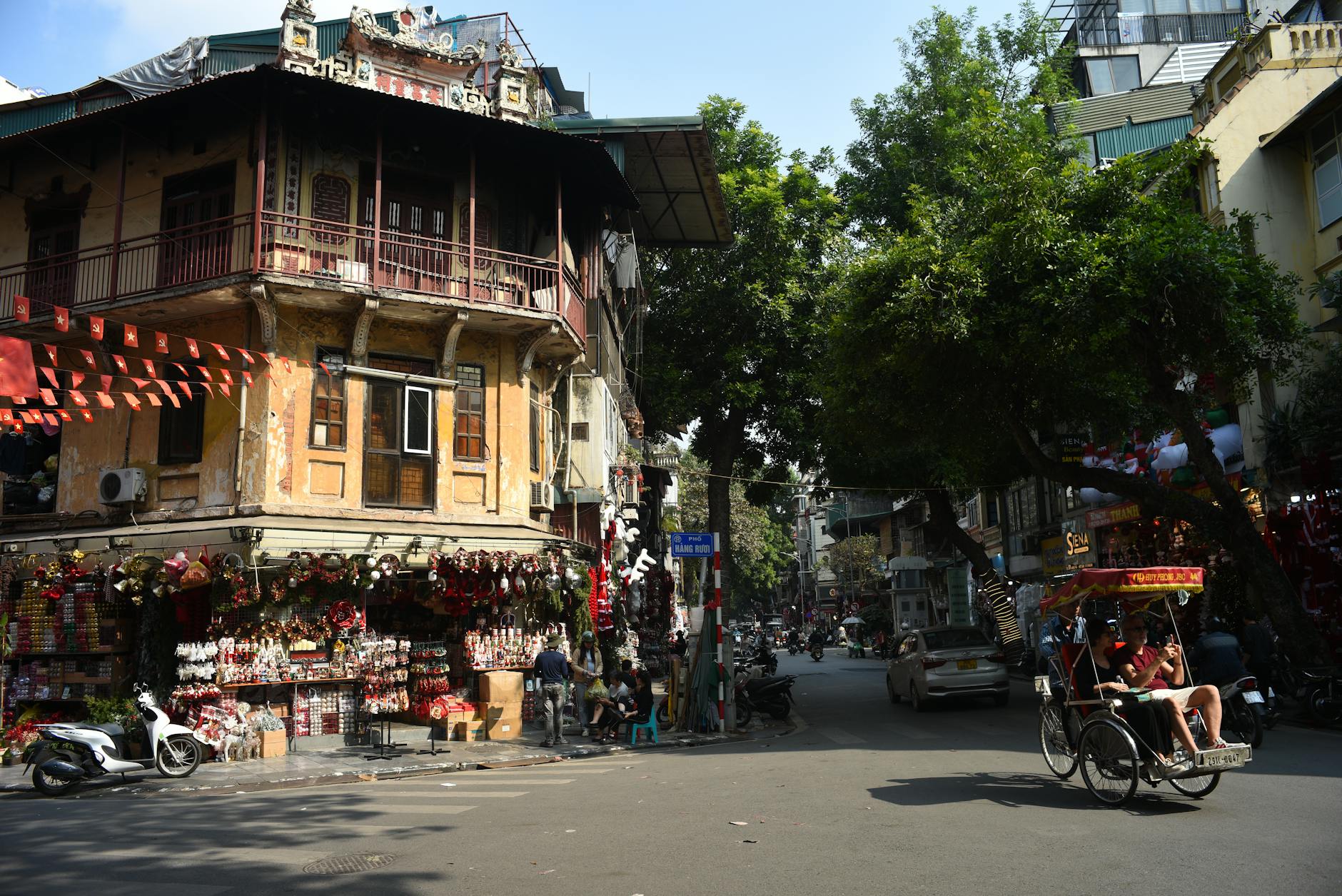
The capital is chaotic, noisy, and absolutely brilliant. The Old Quarter is a maze of narrow streets filled with street food vendors, coffee shops, and endless motorbikes. Don’t miss Hoan Kiem Lake, the Temple of Literature, and a water puppet show.
Budget: 500,000-700,000₫ per day (AUD $30-42)
Ha Long Bay
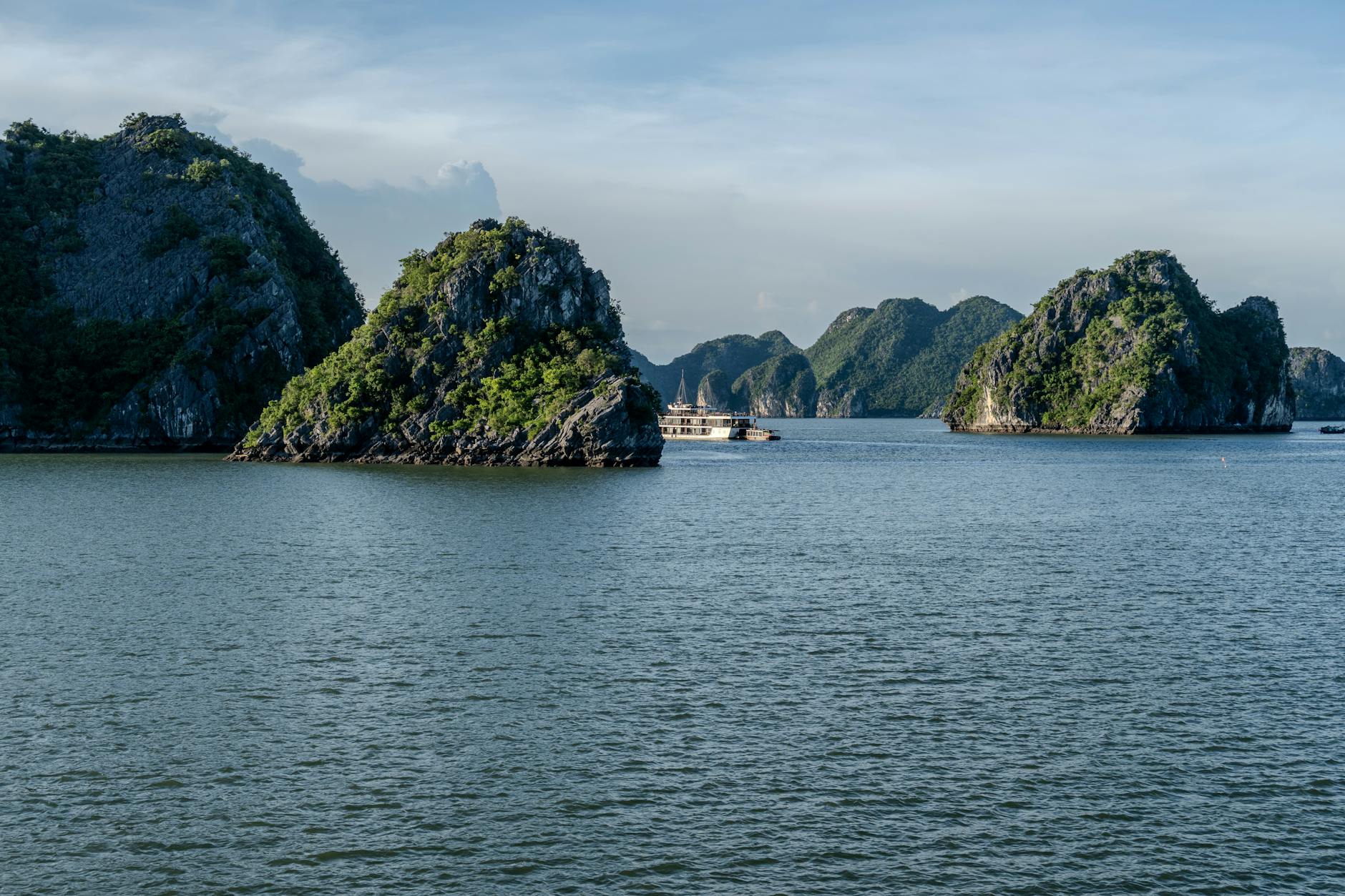
The iconic limestone karsts rising from emerald waters. Most people do overnight boat tours (from 1,000,000₫ / AUD $60). Cat Ba Island is a cheaper alternative with similar scenery and better rock climbing.
Hoi An
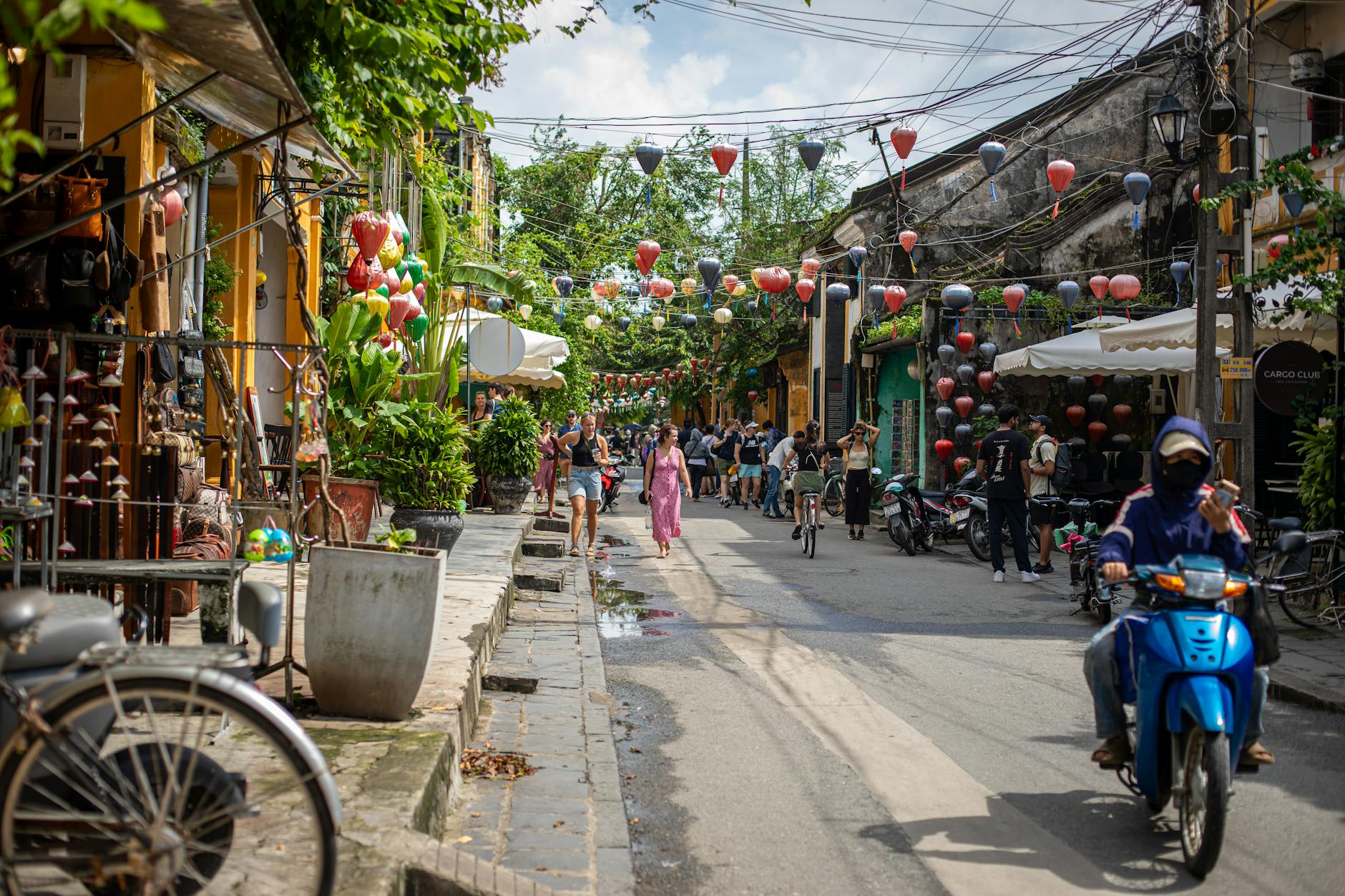
My favourite Vietnamese town. The ancient town is beautifully preserved with lantern-lit streets, tailor shops, and incredible food. Rent a bike and explore the surrounding rice paddies and beaches.
Budget: 400,000-600,000₫ per day (AUD $24-36)
Da Lat
The mountain town with a cool climate, coffee plantations, and adventure activities. It’s a refreshing break from the coastal heat. Do the canyoning tour and visit the crazy house.
Ho Chi Minh City (Saigon)
Vietnam’s largest city is more modern and cosmopolitan than Hanoi. Visit the War Remnants Museum, explore the backpacker area around Bui Vien Street, and take a day trip to the Cu Chi Tunnels.
Budget: 600,000-800,000₫ per day (AUD $36-48)
Phu Quoc
Vietnam’s largest island has beautiful beaches and is developing rapidly. It’s more expensive than mainland Vietnam but still good value. Great for relaxing after weeks of travelling.
Sample 2-Week Vietnam Itinerary
Here’s a practical two-week route covering the highlights:
- Days 1-3: Hanoi (explore Old Quarter, street food, day trip to Ninh Binh)
- Days 4-5: Ha Long Bay or Cat Ba Island (overnight boat tour)
- Days 6-7: Hue (Imperial City, tombs, DMZ tour)
- Days 8-10: Hoi An (ancient town, beaches, cooking class)
- Days 11-12: Da Lat (canyoning, coffee plantations, crazy house)
- Days 13-14: Ho Chi Minh City (War Remnants Museum, Cu Chi Tunnels)
This route goes north to south. You can easily reverse it or add more time in places you love.
Pre-Trip Checklist for Vietnam
Here’s everything you need to sort before you go:
2-3 Months Before
- Check visa requirements and apply for e-visa if needed
- Book flights (use Trip.com to compare)
- Get travel insurance (I use SafetyWing)
- Check if you need vaccines (Hepatitis A and Typhoid recommended)
1 Month Before
- Book first few nights accommodation (use Hostelworld)
- Order eSIM data plan (I use Saily)
- Set up Wise account for better exchange rates
- Tell your bank you’re travelling
- Download offline maps (Maps.me or Google Maps)
1 Week Before
- Print visa documents and travel insurance details
- Download VPN app (NordVPN works well)
- Check passport validity (needs 6 months minimum)
- Pack light – you can buy anything you need in Vietnam
- Download translation app (Google Translate works offline)
What to Pack for Vietnam
Pack light. You’ll be moving around a lot, and you can buy cheap clothes in Vietnam if needed.
Essentials:
- Lightweight backpack (40-50L is plenty)
- Quick-dry clothes (it’s humid)
- Flip flops and comfortable walking shoes
- Sunscreen (expensive in Vietnam)
- Insect repellent with DEET
- Reusable water bottle with filter
- Power bank for your phone
- Universal adapter (Type A/C plugs)
- Small padlock for hostel lockers
- Rain jacket (especially if visiting during wet season)
Optional but useful:
- Sarong (useful for beach, temples, overnight buses)
- Earplugs and eye mask (buses and hostels can be noisy)
- Small first aid kit
- Dry bag for boat trips
Small things worth packing for Vietnam
- Power bank for night buses, long transfers and heavy map use.
- Universal travel adapter for mixed plug types across the trip.
- Packable rain jacket especially for wet-season travel and the north.
- Dry bag for boat trips, wet bags and hostel transit days.
- Small first-aid kit for blisters, stomach days and minor scrapes.
Cultural Tips & Etiquette
Vietnamese people are generally friendly and forgiving of cultural mistakes, but here are some things to keep in mind:
- Dress modestly at temples: Cover shoulders and knees
- Remove shoes: When entering homes, temples, and some shops
- Use both hands: When giving or receiving something, especially money
- Don’t touch people’s heads: It’s considered disrespectful
- Point with your whole hand: Not just your finger
- Learn basic phrases: “Xin chao” (hello), “Cam on” (thank you), “Xin loi” (sorry)
Bargaining: Expected at markets and with street vendors, but not in shops with price tags. Start at 50-60% of the asking price and negotiate from there. Always stay friendly – it’s part of the fun.
Final Thoughts on Backpacking Vietnam
Vietnam is one of my favourite countries in Southeast Asia. The food is incredible, the people are welcoming, it’s cheap, and there’s so much diversity – from mountains and rice terraces to beaches and bustling cities.
The tourist infrastructure is well-developed but it hasn’t lost its authenticity. You can still find local experiences, eat street food for under AUD $3, and have genuine interactions with Vietnamese people.
My advice? Give yourself more time than you think you need. Two weeks feels rushed. A month lets you really explore and experience the country at a proper pace. Don’t try to see everything – pick a few regions and explore them properly.
Vietnam is easy to travel independently, but it’s also a great place to meet other backpackers and travel together for a while. The hostel scene is social, and you’ll naturally bump into the same people as you move along the backpacker trail.
I’ve been to Vietnam three times now, and I’m already planning my fourth trip. Each time I discover new places, eat dishes I’d never heard of, and meet incredible people. It’s a country that keeps giving, no matter how many times you visit.
If you’re planning your first trip to Southeast Asia, Vietnam is an excellent choice. It’s affordable, safe, delicious, and incredibly rewarding to travel through. You won’t regret it.
Frequently Asked Questions
Is Vietnam safe for solo travellers?
Yes, Vietnam is very safe for solo travellers, including solo female travellers. I’ve travelled solo through Vietnam multiple times and never felt unsafe. The main things to watch out for are petty theft in tourist areas (keep valuables secure), traffic (it’s chaotic but manageable), and common scams like taxi drivers overcharging. Use Grab for transport, stay aware of your surroundings, and trust your instincts. Most Vietnamese people are genuinely friendly and helpful to tourists.
How much money do I need for 2 weeks in Vietnam?
For 2 weeks of budget backpacking in Vietnam, expect to spend around AUD $750-1,050 (roughly AUD $50-75 per day). This covers hostel dorms, local food, local transport, and some activities. If you want more comfort with private rooms and occasional nice meals, budget AUD $1,400-1,750 (AUD $100-125 per day). This doesn’t include flights or travel insurance. Vietnam is one of the cheapest countries in Southeast Asia, so your money goes far.
Do I need a visa for Vietnam?
It depends on your nationality. Citizens of 25 countries (including UK, France, Germany, Spain, Italy) can enter visa-free for up to 45 days. Most other nationalities can get an e-visa for up to 90 days, which costs USD $25 and takes 3 business days to process. Apply through the official Vietnamese government e-visa portal before you travel. Make sure your passport is valid for at least 6 months beyond your arrival date. Check the latest requirements before booking your flights as visa policies can change.
What’s the best way to get around Vietnam?
Sleeper buses are the most popular option for backpackers travelling between cities. They’re cheap (AUD $15-35 for long journeys), comfortable enough, and run overnight so you save on accommodation. Book through 12Go Asia to compare companies and read reviews. For shorter distances, trains are more comfortable but slower. Domestic flights are cheap if you book in advance (often cheaper than buses for long distances). In cities, use Grab for taxis. Many backpackers also rent motorbikes to explore regions like Ha Giang Loop or the Hai Van Pass.
Is Vietnamese food vegan-friendly?
Yes! Vietnam is surprisingly easy for vegan travellers. Buddhist vegetarian restaurants (com chay) are common, especially on the 1st and 15th of the lunar month. Many traditional dishes can be made vegan by requesting no fish sauce (nuoc mam). Learn the phrase ‘Toi an chay’ (I eat vegetarian) and ‘Khong co nuoc mam’ (no fish sauce). Pho chay (vegetable pho), banh mi chay (vegan banh mi), and fresh spring rolls with tofu are widely available. The Happy Cow app is useful for finding dedicated vegan restaurants in major cities.
When is the best time to visit Vietnam?
There’s no perfect time to visit all of Vietnam due to regional climate differences. For North Vietnam (Hanoi, Ha Long Bay), October to April is best with cooler, dry weather. Central Vietnam (Hoi An, Da Nang) is ideal February to May. South Vietnam (Ho Chi Minh City, Mekong Delta) is best December to April. December to February is peak tourist season with higher prices and crowds. I prefer travelling in March-April or September-October for better weather and fewer tourists. Avoid central Vietnam in October-December due to heavy rain and flooding.
Do I need travel insurance for Vietnam?
Absolutely yes. Travel insurance is essential for Vietnam, especially if you plan to ride motorbikes (a common cause of accidents). I use SafetyWing because it covers medical emergencies, theft, trip cancellations, and even motorbike accidents up to certain engine sizes. It costs around USD $45 (AUD $68) per 4 weeks and you can buy it even after leaving home. Medical care in Vietnam is good but expensive for foreigners without insurance. A serious accident or medical emergency could cost thousands of dollars. Don’t risk it.