
Thailand Travel Guide 2026: Everything You Need to Know
Thailand was my introduction to Southeast Asia back in 2018, and I’ve returned three times since. It’s the perfect starting point for first-time backpackers – affordable, well-connected, and forgiving of rookie mistakes. But it’s also complex enough to keep experienced travellers engaged.
This guide covers everything I wish I’d known before my first trip: real costs, transport options that actually work, where to stay without breaking the bank, and how to navigate Thailand as a vegan traveller. No fluff, just practical information based on actual experience.
Quick Facts About Thailand
Population
Area
Currency
Visa on Arrival
Thailand operates on ICT (UTC+7), uses 220V electricity with Type A/B/C plugs, and Thai is the official language (though English is widely spoken in tourist areas). The country is predominantly Buddhist, which influences everything from daily life to the incredible temple architecture you’ll encounter.
Getting to Thailand
Bangkok’s Suvarnabhumi Airport (BKK) is the main international gateway, though Don Mueang (DMK) handles most budget carriers. Phuket, Chiang Mai, and Krabi also have international airports if you’re planning to skip Bangkok entirely.
I typically search for flights on Trip.com – they often have better deals on Asian carriers than the mainstream booking sites. From Australia, expect to pay $400-800 AUD return to Bangkok depending on season. From Europe, budget $600-1200 AUD. From the US West Coast, around $500-900 AUD.
Money-Saving Tip: Flying into Don Mueang instead of Suvarnabhumi can save you $100+ on budget carriers like AirAsia or Nok Air. The airport’s less convenient but perfectly functional, and the savings are worth the minor hassle.
Visa Requirements 2026
Most Western passport holders get 30 days visa-free on arrival (60 days for some nationalities including Australian, UK, US, and most EU countries as of late 2024 – verify current rules before travel). You can extend once for an additional 30 days at immigration offices for 1,900 baht (~$75 AUD).
For longer stays, consider the 60-day tourist visa before arrival, or look into Thailand’s digital nomad visa options if you’re planning to work remotely.
Getting Around Thailand
Thailand’s transport network is extensive and affordable. Here’s what actually works:
Between Cities
I book most of my inter-city transport through 12Go Asia – they aggregate buses, trains, and ferries with real-time availability and English booking. Much easier than showing up at stations and dealing with language barriers.
Buses: VIP buses (24-seater with massive reclining seats) cost 400-800 baht ($16-32 AUD) for long routes like Bangkok to Chiang Mai. They’re comfortable enough for overnight journeys. Standard buses are cheaper but cramped.
Trains: The State Railway of Thailand is slow but scenic. Second-class sleeper berths cost 600-1,200 baht ($24-48 AUD) for overnight routes. Book at least a week ahead for popular routes. The new high-speed rail between Bangkok and Nong Khai is faster but pricier.
Flights: Domestic flights are ridiculously cheap if you book ahead. Bangkok to Chiang Mai can be under 1,000 baht ($40 AUD) on AirAsia or Thai Lion Air. Worth it for long distances or when you’re short on time.
Within Cities
Bangkok: The BTS Skytrain and MRT subway are efficient and air-conditioned. Rides cost 16-52 baht ($0.65-2.10 AUD). Get a Rabbit card for convenience. Avoid taxis during rush hour – you’ll sit in traffic for hours.
Grab: Southeast Asia’s Uber equivalent works everywhere. Cheaper and more reliable than traditional taxis, with upfront pricing. Essential for late nights or when you’re carrying luggage.
Songthaews and Tuk-tuks: Shared pick-up trucks (songthaews) cost 20-40 baht ($0.80-1.60 AUD) for standard routes in smaller cities. Tuk-tuks are for tourists – expect to pay 100-200 baht ($4-8 AUD) for short trips and always negotiate before getting in.
Motorbike rental: 150-300 baht/day ($6-12 AUD) depending on bike size and location. You’ll need an International Driving Permit technically, though enforcement varies. Wear a helmet – Thai roads are dangerous and travel insurance won’t cover you without proper licensing.
Scooter Safety: Thailand has one of the world’s highest road fatality rates. I’ve seen too many backpackers with road rash or worse. If you’re not experienced with scooters, stick to areas with light traffic or use Grab instead. Seriously.
Where to Stay in Thailand
Accommodation in Thailand ranges from $5 dorm beds to luxury resorts. I typically book hostels through Hostelworld for the social atmosphere and honest reviews from other backpackers.
Budget Options
Hostels: Dorm beds cost 150-400 baht ($6-16 AUD) depending on location and facilities. Bangkok and islands are pricier than northern cities. Look for places with air-con (essential in hot season), lockers, and common areas.
My picks: Lub d hostels (multiple locations, consistently good), Mad Monkey (party atmosphere), or smaller independent hostels in less touristy neighbourhoods.
Guesthouses: Private rooms in family-run guesthouses start around 300-600 baht ($12-24 AUD). Often better value than hostel private rooms, especially in smaller towns. You’ll get local recommendations and a more authentic experience.
Mid-Range
Boutique hotels and nicer guesthouses cost 800-1,500 baht ($32-60 AUD) per night. At this price point you get air-con, hot water, decent WiFi, and often breakfast. Worth it for recovery days or when you need proper sleep.
Location Tips
Bangkok: Stay near BTS stations in Silom, Sukhumvit, or Ari. Khao San Road is the classic backpacker area but it’s chaotic and overpriced now.
Chiang Mai: Old City for temples and walking around, Nimman for cafes and digital nomad scene, or near Tha Pae Gate for night markets.
Islands: Book ahead in high season (November-February). Prices double during peak times and good places fill up fast.
Food & Drink (Including Vegan Options)
Thai food is one of the main reasons I keep returning. Street food is cheap, delicious, and generally safe if you follow basic rules (busy stalls with high turnover, cooked food over raw).
What to Eat
Street food meals cost 40-80 baht ($1.60-3.20 AUD). Restaurant meals range from 80-200 baht ($3.20-8 AUD) for local places, up to 300-500 baht ($12-20 AUD) for tourist-oriented restaurants.
Must-try dishes: Pad Thai (obviously), khao soi (northern curry noodles), som tam (papaya salad), massaman curry, and mango sticky rice for dessert.
Vegan in Thailand
Thailand is surprisingly vegan-friendly once you know what to look for. The phrase “jay” (เจ) refers to vegan food in Buddhist tradition – look for yellow flags with red Thai script outside restaurants during vegetarian festivals.
Say “gin jay” (I eat vegan) or “mai sai nam pla, mai sai khai” (no fish sauce, no egg). Most dishes can be modified. Pad Thai without egg, green curry with tofu instead of chicken, fried rice without fish sauce.
Vegan-friendly cities: Chiang Mai has dozens of vegan restaurants (Goodsouls Kitchen, Ohkajhu, Pun Pun). Bangkok has everything from fancy vegan fine dining to street food. Even on islands you’ll find smoothie bowls and vegan Thai food if you know where to look.
Market Tip: Fresh fruit from markets is incredibly cheap and perfect for breakfast. Mangoes, dragon fruit, and rambutans cost 30-60 baht/kg ($1.20-2.40 AUD). I’d eat a kilo of mango for breakfast most days – way better than hostel toast.
Drinking Water
Don’t drink tap water. Bottled water costs 7-15 baht ($0.30-0.60 AUD) for 1.5L. Most hostels have filtered water refill stations. I carry a reusable bottle and refill at accommodations or 7-Elevens with water dispensers (1-2 baht per litre).
Money & Costs
Thailand uses Thai Baht (฿). Exchange rates fluctuate, but roughly 25 baht = $1 AUD as of 2026.
Daily Budget Breakdown
| Category | Budget | Mid-Range | Comfort |
|---|---|---|---|
| Accommodation | 200฿ ($8 AUD) | 600฿ ($24 AUD) | 1,500฿ ($60 AUD) |
| Food | 250฿ ($10 AUD) | 500฿ ($20 AUD) | 1,000฿ ($40 AUD) |
| Transport | 100฿ ($4 AUD) | 200฿ ($8 AUD) | 500฿ ($20 AUD) |
| Activities | 100฿ ($4 AUD) | 400฿ ($16 AUD) | 1,000฿ ($40 AUD) |
| Daily Total | 650฿ ($26 AUD) | 1,700฿ ($68 AUD) | 4,000฿ ($160 AUD) |
Budget tier assumes dorm beds, street food, local transport, and free/cheap activities. Mid-range includes private rooms, mix of street food and restaurants, occasional Grab rides, and paid attractions. Comfort tier is boutique hotels, restaurant meals, convenient transport, and tours.
I typically spend around 1,200-1,500 baht/day ($48-60 AUD) – private rooms in decent hostels, street food for lunch, nicer restaurants for dinner, and a few paid activities per week.
Banking & ATMs
ATMs charge 220 baht ($8.80 AUD) per withdrawal plus your bank’s international fees. Withdraw maximum amounts (usually 20,000-30,000 baht) to minimise fees.
I use Wise for the best exchange rates and low ATM fees. Their multi-currency account lets you hold Thai baht and convert when rates are good. Way better than traditional banks that slug you with 3-5% conversion fees.
Credit cards work in cities and tourist areas but many smaller places are cash-only. Always carry 1,000-2,000 baht in small notes for street food, taxis, and emergencies.
Staying Connected
You’ll need data for maps, Grab, accommodation booking, and staying in touch. Two main options:
Local SIM Cards
Available at the airport or any 7-Eleven. AIS, TrueMove, and DTAC are the main carriers. Tourist SIM packages cost 299-599 baht ($12-24 AUD) for 15-30 days with 10-50GB data. Coverage is excellent in cities and decent in rural areas.
eSIMs
I’ve switched to using Saily eSIM for Thailand – you can activate it before landing and avoid the airport SIM card queues. Plans start around $4 USD for 1GB, scaling up to $15-20 USD for 10-20GB depending on duration. The convenience of having data the moment you land is worth the slight premium over local SIMs.
WiFi & Public Internet
Most hostels, hotels, cafes, and restaurants have WiFi. Quality varies wildly – some places have 100Mbps fibre, others have barely-functional 3G.
If you’re working remotely or need secure connections, use NordVPN on public WiFi. I’ve used it throughout Southeast Asia for online banking and work. Thailand doesn’t have China-level internet restrictions, but a VPN adds security on sketchy hostel networks and lets you access geo-blocked content.
Safety & Health
Thailand is generally safe for travellers. Violent crime against tourists is rare. The main risks are scams, petty theft, and traffic accidents.
Common Scams to Avoid
Tuk-tuk “tours”: Drivers offer cheap city tours but take you to gem shops or suit tailors where they get commissions. Politely decline and use metered taxis or Grab.
Jet ski damage: Rental operators claim you damaged the jet ski and demand thousands of baht. Photograph the jet ski thoroughly before use, or better yet, skip jet skis entirely.
Closed temple scam: Someone near a major temple tells you it’s closed for a ceremony and offers to take you elsewhere. The temple is open – they want commission from shops or tours.
Bar scams: Particularly in Patpong (Bangkok) and some Pattaya areas. You’re quoted one price, then presented with a bill 10x higher with intimidating staff. Check prices clearly before ordering anything.
Health Considerations
No mandatory vaccinations for Thailand, but recommended: Hepatitis A, Typhoid, and Tetanus. Japanese Encephalitis if you’re spending extended time in rural areas during rainy season. Rabies if you’re planning to work with animals.
Dengue fever is present year-round, worse in rainy season. Use insect repellent with DEET, especially at dawn and dusk. I got dengue in Bangkok in 2019 – it’s absolutely miserable. Take mosquito prevention seriously.
Healthcare quality is excellent in major cities. Bangkok’s private hospitals (Bumrungrad, Bangkok Hospital) rival Western standards but cost a fraction. A doctor consultation runs 1,000-2,000 baht ($40-80 AUD).
Travel Insurance
Get insurance. I use SafetyWing – it’s designed for long-term travellers and digital nomads, covers multiple countries, and costs about US$2/day. Cheaper than single-trip insurance if you’re travelling for more than a few weeks.
Standard policies don’t cover scooter accidents without proper licensing. If you’re riding motorbikes, verify your insurance covers it with an International Driving Permit.
When to Go
Thailand has three seasons, though “cool season” is relative when it’s still 30°C.
Cool Season (November-February)
Peak tourist season. Weather is perfect – warm days, cool evenings, minimal rain. Prices are highest and popular destinations are crowded. Book accommodation and transport ahead.
This is when I prefer to visit. The weather makes everything more enjoyable, and you can actually walk around cities without melting.
Hot Season (March-May)
Brutally hot, especially in Bangkok and central Thailand. Temperatures hit 35-40°C with high humidity. Northern Thailand is slightly cooler. Prices drop and crowds thin out.
If you can handle the heat, it’s great value. Beach destinations are still pleasant. Songkran (Thai New Year water festival) happens in mid-April – chaotic but fun.
Rainy Season (June-October)
Daily afternoon downpours but not constant rain. Mornings are often clear. Lowest prices and fewest tourists. Some islands have limited services or closed businesses.
I’ve travelled Thailand in rainy season several times. It’s not as bad as people think – rain is predictable, prices are great, and everything is lush and green. Just avoid the Gulf islands (Koh Samui, Koh Phangan, Koh Tao) which get heavy rain October-December.
Regional Variations: Southern Thailand has two coasts with opposite weather patterns. Andaman coast (Phuket, Krabi) is best November-April. Gulf coast (Samui, Phangan, Tao) is best December-August. Plan your route accordingly.
Top Destinations in Thailand
Thailand is diverse enough that you could spend months exploring. Here are my top picks:
Bangkok
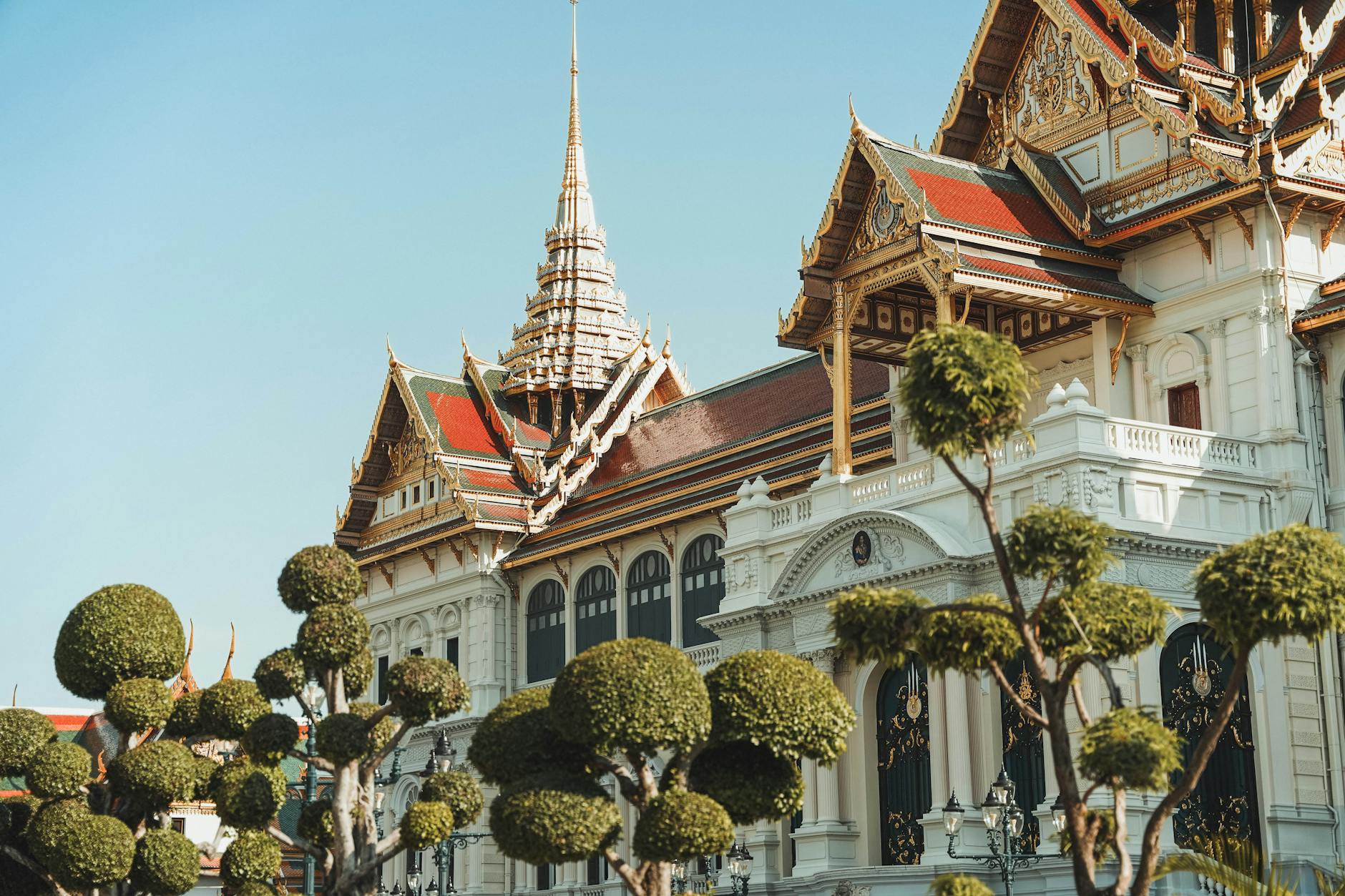
Chaotic, overwhelming, and absolutely essential. The Grand Palace and Wat Pho are touristy but impressive. I prefer exploring neighbourhoods like Chinatown, wandering through Chatuchak Weekend Market (massive and exhausting but amazing), and eating street food in less touristy areas.
Give Bangkok at least 3-4 days. It grows on you once you adjust to the pace and heat.
Chiang Mai
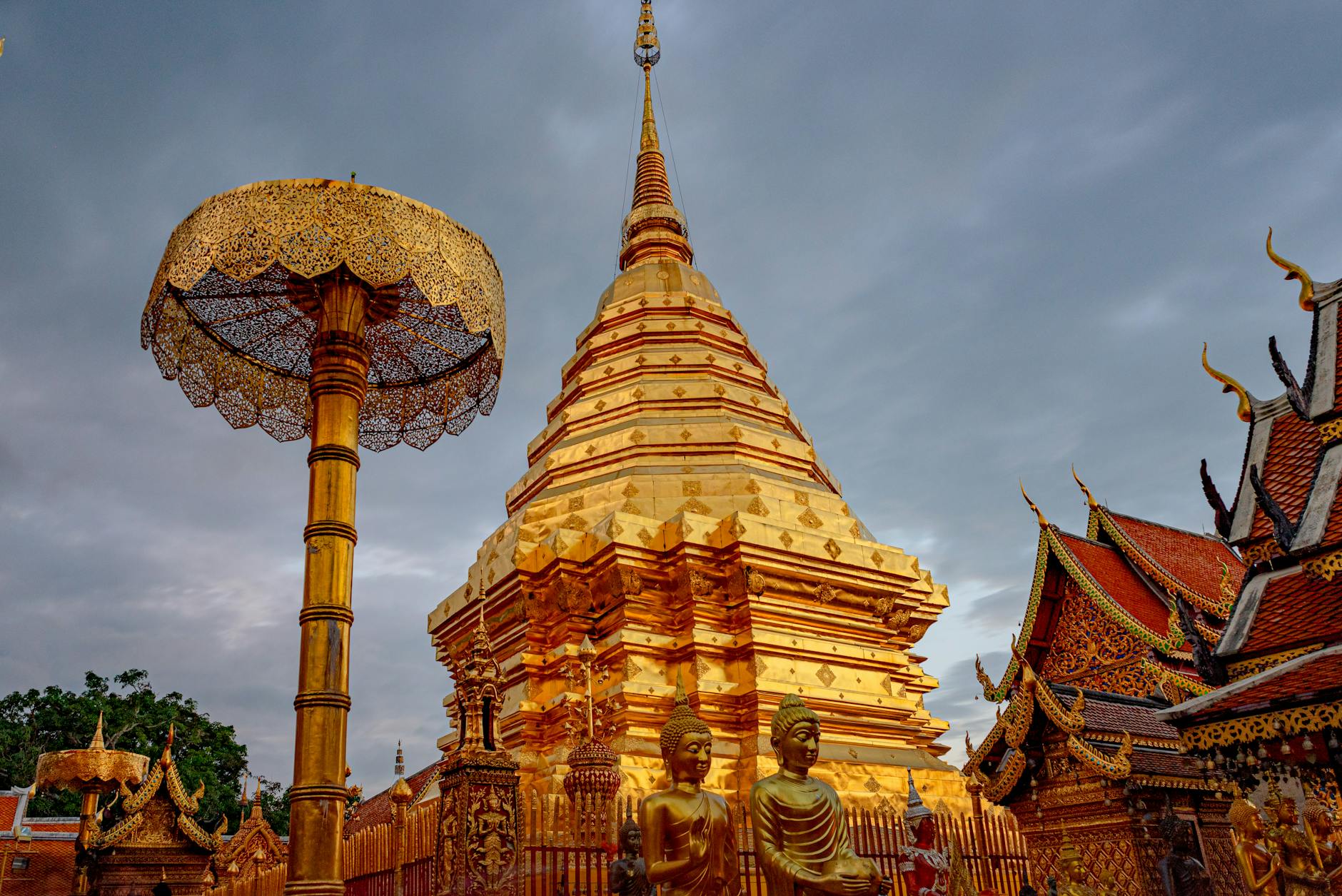
Northern Thailand’s cultural capital. Hundreds of temples, excellent food scene, and a huge digital nomad community. Perfect base for exploring northern Thailand – Pai, Chiang Rai, and Mae Hong Son loop are all accessible.
I’ve spent cumulative months in Chiang Mai. It’s easy to settle in, with great cafes for working, affordable accommodation, and a good balance of Thai culture and international amenities.
Pai
Small mountain town 3-4 hours from Chiang Mai. Hippie/backpacker vibe, beautiful countryside, waterfalls, and hot springs. It’s become quite touristy but still maintains charm. The journey there (762 curves) is infamous – take motion sickness tablets.
Islands
Koh Lanta: My favourite Thai island. More laid-back than Phi Phi or Phuket, with beautiful beaches and good food. Long-term traveller vibe rather than party scene.
Koh Phangan: Famous for Full Moon Party but there’s more to it. Northern beaches are quiet and beautiful. Good diving and yoga scene.
Koh Tao: Diving paradise. Cheapest place in the world to get PADI certified (around 9,000-11,000 baht / $360-440 AUD for Open Water). Small island with limited beaches but excellent underwater life.
Krabi & Railay
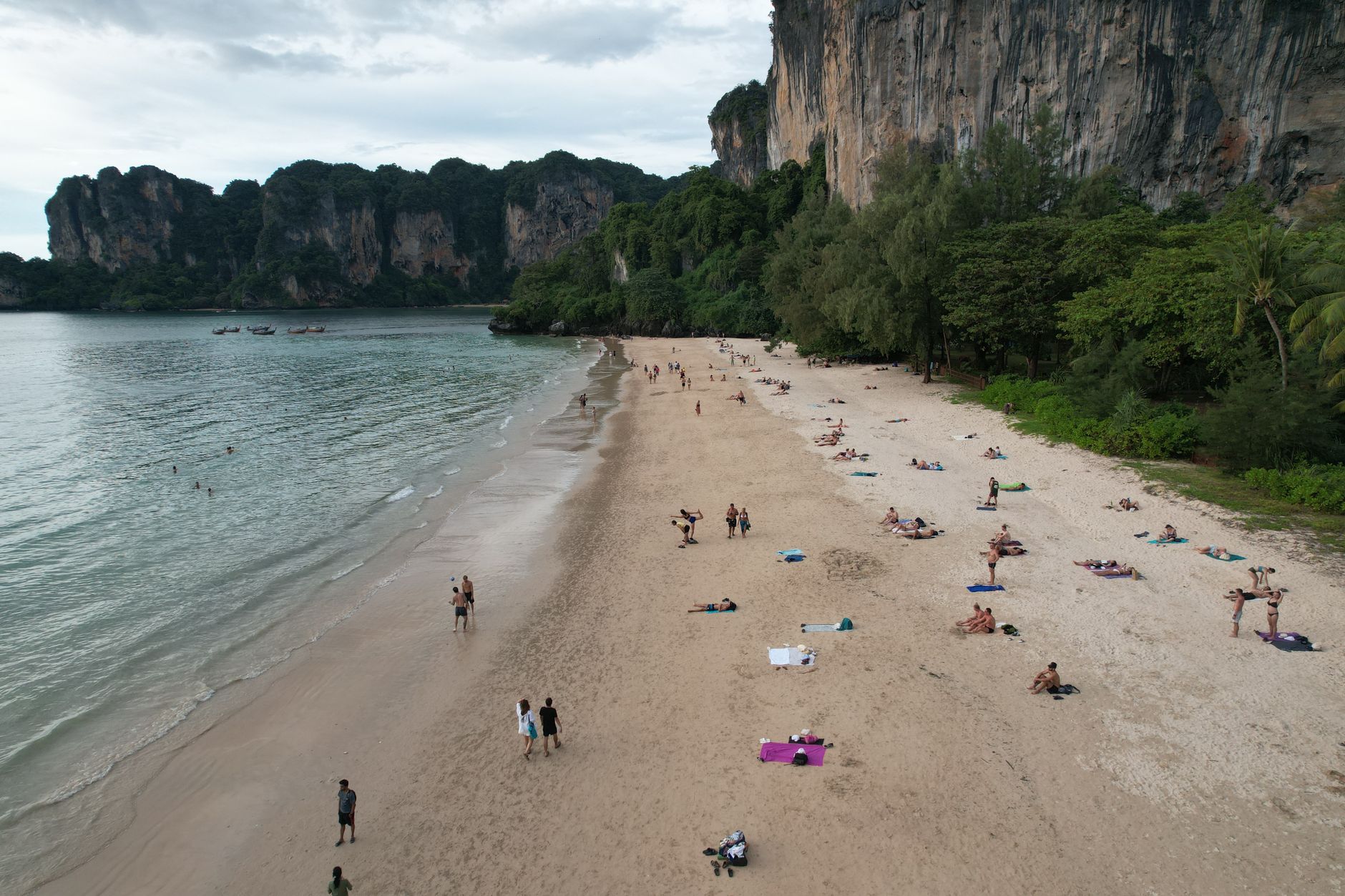
Stunning limestone cliffs and beaches. Railay is only accessible by boat – rock climbing paradise with beautiful scenery. More expensive than other destinations but worth it for a few days.
Culture & Etiquette
Thais are generally forgiving of tourist faux pas, but showing respect goes a long way.
Temples: Cover shoulders and knees. Remove shoes before entering buildings. Don’t point feet at Buddha images. Women shouldn’t touch monks or hand them things directly.
Monarchy: The royal family is deeply revered. Don’t criticise the monarchy – it’s illegal under lèse-majesté laws and taken very seriously.
Greeting: The “wai” (hands together, slight bow) is traditional. You don’t need to wai service workers or younger people, but returning a wai from elders or monks is polite.
Feet and head: Feet are considered dirty, head is sacred. Don’t touch people’s heads or point feet at people/Buddha images.
Dress code: Thais dress conservatively. Tank tops and shorts are fine in tourist areas and beaches, but cover up in temples, government buildings, and rural areas.
Pre-Trip Checklist
Here’s what to sort before you leave:
2-3 Months Before
- Check passport validity (must be valid 6 months beyond your stay)
- Research visa requirements for your nationality
- Get vaccinations (Hep A, Typhoid, check if boosters needed)
- Book flights – prices increase closer to departure
- Get travel insurance (I use SafetyWing)
1 Month Before
- Book first few nights accommodation
- Set up Wise account for banking
- Get International Driving Permit if planning to ride scooters
- Notify your bank of travel dates
- Download offline maps (Maps.me or Google Maps)
- Order eSIM or research local SIM options
1 Week Before
- Confirm flight details and check-in online
- Download NordVPN if using public WiFi
- Make copies of passport/insurance/important documents
- Pack light – you can buy almost anything in Thailand
- Check current travel advisories
Essential Apps
- Grab: Transport and food delivery
- Google Translate: Download Thai for offline use
- Maps.me: Offline maps
- XE Currency: Exchange rate calculator
- Hostelworld: Accommodation booking
- 12Go: Transport booking
Sample Itineraries
2 Weeks: First-Timer Route
- Bangkok (3 days): Temples, street food, markets
- Chiang Mai (4 days): Old City, temples, day trip to Doi Suthep
- Pai (2 days): Waterfalls, countryside, relaxation
- Island (5 days): Koh Lanta or Koh Phangan for beaches
1 Month: Comprehensive Route
- Bangkok (4 days): Thorough exploration
- Ayutthaya (1 day): Day trip or overnight for temple ruins
- Chiang Mai (5 days): Including cooking class, temple tour
- Pai (3 days): Relaxation and nature
- Chiang Rai (2 days): White Temple, Golden Triangle
- Southern islands (14 days): Koh Tao (diving), Koh Phangan, Koh Lanta
- Krabi/Railay (3 days): Rock climbing, beaches
3 Months: Full Experience
Add to the 1-month route: Sukhothai, Kanchanaburi, Isan region (northeast Thailand – less touristy, authentic), Mae Hong Son loop, more islands, and time to slow down in favourite places. At this pace you can take language classes, volunteer, or work remotely while really getting to know places.
Final Thoughts
Thailand is one of the most backpacker-friendly countries in the world. The infrastructure is there, the costs are low, and the experiences are incredible. Yes, it’s touristy in places. Yes, some areas have lost their charm to overdevelopment. But it remains an essential Southeast Asian experience.
My advice: spend time in both tourist hotspots and quieter areas. Eat street food but also try proper restaurants. Stay in hostels to meet people but occasionally splurge on a nice room. Learn a few Thai phrases. Be respectful of the culture. Take your time.
Thailand rewards slow travel. The longer you stay, the more layers you’ll discover beyond the tourist facade. It’s not just a country to tick off your list – it’s a place that can genuinely change how you see travel.
“I arrived in Thailand as a nervous first-time backpacker with a massive pack and no real plan. Three weeks later I left with half the stuff, twice the confidence, and a completely different perspective on travel. Thailand taught me that I could navigate foreign countries, communicate across language barriers, and be comfortable being uncomfortable. That’s worth more than any temple or beach.”
Frequently Asked Questions
How much money do I need per day in Thailand?
Budget backpackers can get by on 650-800 baht ($26-32 AUD) per day staying in dorms, eating street food, and using local transport. Mid-range travellers should budget 1,500-2,000 baht ($60-80 AUD) for private rooms, restaurant meals, and occasional tours. Comfort travellers will spend 3,000-5,000 baht ($120-200 AUD) or more. Islands and tourist hotspots cost 30-50% more than northern cities like Chiang Mai.
Is Thailand safe for solo travellers?
Yes, Thailand is very safe for solo travellers including solo women. Violent crime against tourists is rare. Main risks are petty theft, scams, and traffic accidents. Use common sense: don’t leave valuables unattended, be cautious with drinks in bars, avoid unlicensed taxis late at night, and don’t ride scooters without proper licensing and insurance. The backpacker infrastructure is excellent, making it easy to meet other travellers.
Do I need a visa for Thailand?
Most Western passport holders get 30-60 days visa-free on arrival (check current rules for your nationality as this changed in late 2024). You can extend once for 30 days at immigration offices for 1,900 baht. For longer stays, get a 60-day tourist visa before arrival or look into Thailand’s digital nomad visa options. Overstaying your visa results in fines and potential entry bans.
What’s the best time to visit Thailand?
November to February is peak season with perfect weather but higher prices and crowds. March to May is hot (35-40°C) but less crowded with lower prices. June to October is rainy season with afternoon showers but the lowest prices and fewest tourists. The rain isn’t constant – mornings are often clear. Consider regional variations: Andaman coast (Phuket, Krabi) is best November-April, while Gulf coast (Samui, Phangan) is best December-August.
Can I travel Thailand as a vegan?
Absolutely. Thailand is one of the easiest Asian countries for vegan travel. Learn the phrase ‘gin jay’ (I eat vegan) or ‘mai sai nam pla, mai sai khai’ (no fish sauce, no egg). Look for yellow flags with red Thai script during vegetarian festivals. Most dishes can be modified. Chiang Mai and Bangkok have dozens of fully vegan restaurants. Even in smaller towns and islands, you’ll find fruit, rice dishes, stir-fried vegetables, and Thai curries made with tofu.
Should I book accommodation in advance?
Book your first few nights in advance, especially if arriving late or during peak season (November-February). After that, you can book as you go unless visiting during major holidays (Songkran in April, Chinese New Year, Christmas/New Year). Popular islands and Chiang Mai fill up quickly in high season. I typically book 3-7 days ahead through Hostelworld to secure good places while maintaining flexibility.
Is it safe to drink the water in Thailand?
No, don’t drink tap water in Thailand. Stick to bottled water (7-15 baht for 1.5L) or use water refill stations at hostels and some 7-Elevens (1-2 baht per litre). Ice in tourist restaurants is usually fine as it’s made from purified water, but use judgment. Brush teeth with bottled water initially until you know your stomach can handle local water. Most travellers have minor stomach issues at some point – it’s normal adjustment.
Related Backpacking Is Life guides
Helpful next reads for planning the same trip, money setup, or travel tech.