
How Much Does It Cost to Backpack Southeast Asia in 2026?
Realistic daily and monthly budgets for Thailand, Vietnam, Cambodia, Laos, Indonesia, the Philippines, Malaysia and Singapore — without pretending every traveller lives on $20 a day.

AUD/day typical backpacker range
AUD/month before flights
Countries covered
Extra buffer for islands & partying
Currency note: Prices are shown mainly in AUD because that is how the original budget tracking was done, with rough USD equivalents included for context. Exchange rates move, so treat conversions as planning estimates rather than exact live rates.
What’s in This Guide
The Short Answer
If you just want a number: budget $40–60 AUD per day for a comfortable backpacker experience in Southeast Asia in 2026. That is roughly $27–40 USD/day, depending on exchange rates.
That covers a dorm bed or basic private room, mostly local meals, local transport, a few paid activities, mobile data, laundry, and occasional drinks. If you dive, party hard, fly often, or stay in air-conditioned private rooms every night, budget more.
What this budget assumes: dorms or basic private rooms, mostly local meals, buses/trains/minivans instead of constant flights, a few paid activities per week, and occasional drinks. If you want Western cafés, private rooms, party hostels, tours every few days, or island-hopping, add 20–50%.
The region is still affordable, but it is not the same Southeast Asia people talk about from 2015 or 2019. Bali, Thailand’s islands, El Nido, Coron, Singapore, and popular digital nomad areas can chew through money quickly. Vietnam, Laos and Cambodia still offer excellent value.
Quick Budget Calculator
Backpacker Budget Calculator
Use this as a rough starting point before booking flights. It does not include international flights, travel insurance, big visa costs, or emergency money.
- 30 days: $1,200–1,800 AUD / roughly $800–1,200 USD
- 60 days: $2,400–3,600 AUD / roughly $1,600–2,400 USD
- 90 days: $3,600–5,400 AUD / roughly $2,400–3,600 USD
- 6 months: $7,200–10,800 AUD / roughly $4,800–7,200 USD
Safer planning number: use $55 AUD/day if you want breathing room. Use $70+ AUD/day if your route is island-heavy or you know you like comfort.
Daily Budget Breakdown by Category
Before getting into country-specific costs, this is where your money usually goes each day as a Southeast Asia backpacker:
Average Daily Spend — Comfortable Backpacker Budget
- Accommodation: $12–25 AUD for a dorm bed or basic private room
- Food: $10–20 AUD for mostly local food and the occasional café meal
- Transport: $4–10 AUD averaged across buses, trains, ferries and local rides
- Activities: $5–15 AUD averaged across temples, tours, hikes, entrance fees and day trips
- Drinks & nightlife: $3–15 AUD depending on how often you go out
- Miscellaneous: $3–8 AUD for laundry, mobile data, sunscreen, toiletries and small mistakes
Total: $37–93 AUD/day, with most realistic backpackers landing around $40–60 AUD/day.
The biggest variable is accommodation. Dorms keep the budget low. Private rooms are fine if you are sharing with someone, but solo travellers who want private rooms will spend noticeably more.
Country-by-Country Costs in 2026
Use these ranges as a planning baseline. Real costs change by season, exchange rate, city, booking timing and how you travel once you are there.
Thailand — $45–65 AUD/day ($30–43 USD)
Thailand is still good value, but it is no longer the cheapest country on the classic route. Bangkok, Chiang Mai and Pai can be reasonable. The southern islands, Krabi, Koh Samui and Koh Phangan usually push the budget higher.
- Dorm bed: 300–650 THB ($13–29 AUD)
- Street food meal: 50–90 THB ($2.20–4 AUD)
- Casual restaurant meal: 100–250 THB ($4.40–11 AUD)
- Local beer at a bar: 90–180 THB ($4–8 AUD)
- Songthaew or local ride: 30–80 THB ($1.30–3.50 AUD)
- Temple entrance: free to 500 THB depending on the site
Budget warning: Thailand gets expensive when your route is mostly islands, party hostels, beach clubs, diving, private rooms and last-minute ferries.
Vietnam — $35–55 AUD/day ($23–37 USD)
Vietnam remains one of the best-value countries in Southeast Asia. Food is cheap, buses are well connected, and you can travel the length of the country without needing many flights.
- Dorm bed: 150,000–350,000 VND ($9–21 AUD)
- Phở or bánh mì: 30,000–60,000 VND ($1.80–3.60 AUD)
- Casual restaurant meal: 70,000–160,000 VND ($4.20–9.60 AUD)
- Bia hơi: 10,000–20,000 VND ($0.60–1.20 AUD)
- Grab bike ride: 20,000–60,000 VND ($1.20–3.60 AUD)
- Sleeper bus: 250,000–500,000 VND ($15–30 AUD)
Tip: Hostel, café and airport Wi-Fi are useful, but they are still public networks. I use NordVPN on public Wi-Fi when travelling, especially for banking, bookings and work.
Cambodia — $35–50 AUD/day ($23–33 USD)
Cambodia is cheap day-to-day, but Angkor Wat can blow out your weekly average. Prices are often quoted in USD, so it is easy to track spending, but small costs add up quickly.
- Dorm bed: $5–10 USD ($7.50–15 AUD)
- Local meal: $2–4 USD ($3–6 AUD)
- Angkor Wat 1-day pass: $37 USD
- Angkor Wat 3-day pass: $62 USD
- Draft beer: $0.75–1.50 USD
- Tuk-tuk ride: $2–6 USD
Laos — $30–45 AUD/day ($20–30 USD)
Laos is one of the quietest and cheapest countries on the classic route. Luang Prabang is usually the priciest stop, while Vang Vieng, Nong Khiaw and the 4000 Islands can be cheaper.
- Dorm bed or guesthouse: 100,000–250,000 LAK ($7–18 AUD)
- Local meal: 25,000–60,000 LAK ($2–4.50 AUD)
- Beer Lao: 20,000–35,000 LAK ($1.50–2.60 AUD)
- Local transport: low day-to-day, but slow travel days can be tiring
- Waterfalls, caves and viewpoints: usually low entry fees
Indonesia — $40–75 AUD/day ($27–50 USD)
Indonesia is hard to summarise because Bali can feel like a different budget universe from Java, Sumatra or Flores. Canggu, Seminyak, Uluwatu and the Gili Islands are the most likely places to push costs up.
- Dorm bed in Bali: 150,000–350,000 IDR ($15–35 AUD)
- Dorm bed outside Bali: 90,000–200,000 IDR ($9–20 AUD)
- Nasi goreng or local meal: 20,000–40,000 IDR ($2–4 AUD)
- Café meal in tourist areas: 70,000–150,000 IDR ($7–15 AUD)
- Scooter rental: 70,000–120,000 IDR/day ($7–12 AUD)
- Domestic flight: often $50–150 AUD depending on route and baggage
Bali budget reality: If you spend your whole trip in Canggu eating Western breakfasts, joining gyms, taking rideshares and staying in stylish hostels, you may sit closer to $70–100 AUD/day. Outside the tourist bubble, Indonesia is much better value.
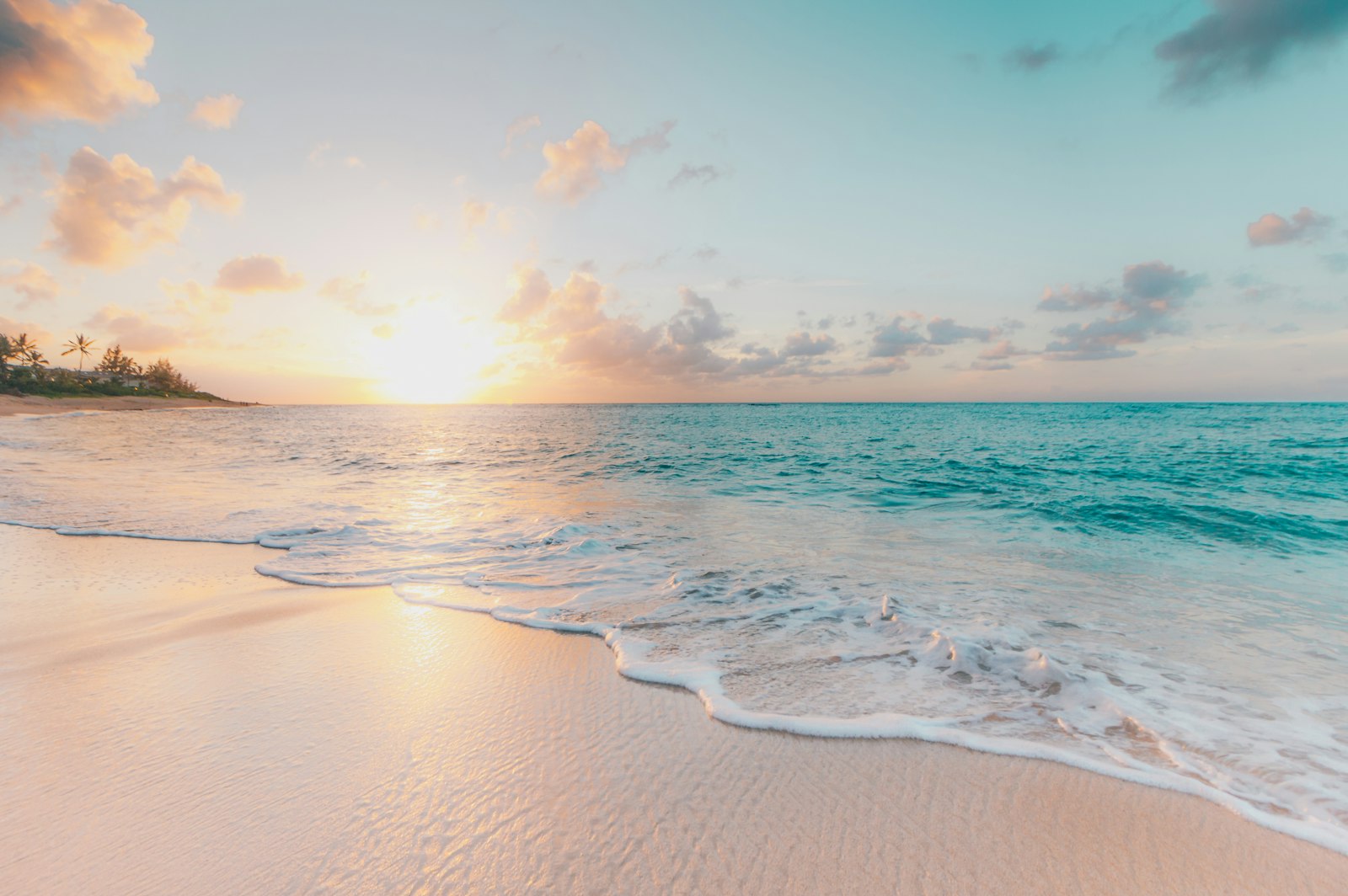
Philippines — $45–70 AUD/day ($30–47 USD)
The Philippines is not the cheapest backpacking country in Southeast Asia. The islands are beautiful, but accommodation supply, island-hopping tours, ferries and domestic flights can make it more expensive than Vietnam, Laos or Cambodia.
- Dorm bed: 500–1,000 PHP ($13–27 AUD)
- Local meal: 100–200 PHP ($2.70–5.50 AUD)
- Island hopping tour: 1,200–2,500 PHP ($33–68 AUD)
- San Miguel beer: 60–120 PHP ($1.60–3.30 AUD)
- Tricycle ride: 20–100 PHP ($0.50–2.70 AUD)
Malaysia — $40–60 AUD/day ($27–40 USD)
Malaysia is slightly more expensive than some neighbours, but still excellent value. Kuala Lumpur can be surprisingly affordable for accommodation, and the food scene is one of the best in the region.
- Dorm bed: 35–80 MYR ($12–27 AUD)
- Hawker food meal: 7–15 MYR ($2.30–5 AUD)
- Teh tarik: 2–4 MYR ($0.70–1.30 AUD)
- Grab ride: 8–25 MYR ($2.70–8.30 AUD)
- Alcohol: higher than much of the region due to taxes
Singapore — $90–150+ AUD/day ($60–100+ USD)
Singapore is the budget outlier. It is safe, clean, easy and worth visiting, but it is not priced like the rest of Southeast Asia. Keep it short if you are on a tight backpacker budget.
- Dorm bed: $35–70 AUD
- Hawker centre meal: $5–10 AUD
- Casual restaurant meal: $15–30+ AUD
- Public transport: very efficient and reasonable
- Alcohol: expensive compared with the rest of the region
Full Country Comparison Table
Here’s the fast comparison. “Winner” highlights standout value, not necessarily the cheapest number in every row.
| Country | Daily Budget | Dorm Bed | Cheap Meal | Beer | Best For |
|---|---|---|---|---|---|
| Laos | $30–45 AUD | $7–18 AUD | $2–4.50 AUD | $1.50–2.60 AUD | Lowest overall cost |
| Cambodia | $35–50 AUD | $7.50–15 AUD | $3–6 AUD | $0.75–1.50 USD | Cheap dorms and nightlife |
| Vietnam | $35–55 AUD | $9–21 AUD | $1.80–3.60 AUD | $0.60–1.20 AUD | Best food value |
| Indonesia outside Bali | $40–55 AUD | $9–20 AUD | $2–4 AUD | $3–5 AUD | Diversity and adventure |
| Thailand | $45–65 AUD | $13–29 AUD | $2.20–4 AUD | $4–8 AUD | Backpacking infrastructure |
| Philippines | $45–70 AUD | $13–27 AUD | $2.70–5.50 AUD | $1.60–3.30 AUD | Beaches and island hopping |
| Malaysia | $40–60 AUD | $12–27 AUD | $2.30–5 AUD | $5–9 AUD | Food, comfort and easy cities |
| Bali | $55–100 AUD | $15–35 AUD | $3–15 AUD | $3.50–7 AUD | Digital nomads and social travel |
| Singapore | $90–150+ AUD | $35–70 AUD | $5–10 AUD | $10–18+ AUD | Clean, easy city stopover |
My pick for best overall value: Vietnam. Laos can be cheaper, but Vietnam gives you a stronger mix of food, transport, hostels, scenery, activities and route variety without pushing costs too high.
Accommodation Costs — Where the Budget Lives or Dies
Accommodation is usually your biggest daily expense. It is also the easiest place to overspend without noticing.
Dorm Beds
Across the region, expect to pay around $8–30 AUD per night for a dorm bed. Vietnam, Laos and Cambodia tend to be cheapest. Bali, Thailand’s islands, Singapore and parts of the Philippines cost more.
I book most hostels through Hostelworld. My non-negotiables are lockers, air conditioning or a strong fan, decent Wi-Fi, and recent reviews that mention cleanliness.
Budget Private Rooms
If you are travelling with someone, private rooms can be great value. A simple double room can be $20–45 AUD in many places. Split between two, it can be close to dorm pricing with much more privacy.
When to Splurge
Every few weeks, a better room can be worth it. Southeast Asia is one of the few regions where a $50–80 AUD hotel night can genuinely reset you with air conditioning, a pool, breakfast and quiet sleep.
Food & Drink Costs
Food is where Southeast Asia still feels almost unfairly good value. You can eat three local meals a day for $8–18 AUD in many places and still eat well.

Street Food & Local Restaurants
This is the best part of backpacking Southeast Asia. A bowl of phở in Vietnam, pad kra pao in Thailand, nasi goreng in Indonesia, lok lak in Cambodia, or roti canai in Malaysia can cost a fraction of a Western café meal.
Western Food & Cafés
This is the budget trap. Smoothie bowls, brunch cafés, imported coffee, burgers, pizza and “healthy bowls” can cost 3–5 times more than local food. A few here and there is fine. Doing it daily changes the whole budget.
Alcohol
Vietnam and Cambodia can be very cheap for beer. Thailand is moderate. Malaysia and Singapore are the expensive outliers. Alcohol is one of the fastest ways to turn a cheap trip into an expensive one.
Transport Costs
Transport is affordable, but time-consuming. The cheapest route is usually the slowest, and a lot of Southeast Asia backpacking involves long bus rides, sleeper buses, ferries and waiting around.
Buses, Minivans & Ferries
A typical 6–10 hour overland journey is often $10–30 AUD. Island transfers cost more because you are often combining vans, ferries and pickups.
I book a lot of overland transport through 12Go because it lets you compare buses, trains, ferries, vans and routes in one place.
Trains
Thailand and Vietnam have useful train routes. Overnight trains can save a night of accommodation, but they are not always cheaper than buses.
Flights
Budget airlines can be cheap between major cities, but baggage fees change the picture quickly. I use Trip.com to compare flight prices, especially when overland travel would take a full day or more.
Watch out for baggage fees: a cheap flight can stop being cheap once you add checked baggage, seat selection, card fees and airport transfers. If you can travel carry-on only, you will save a lot over a long trip.
Scooter Rental
Scooters can be the cheapest way to get around locally, but they are also where a lot of travel insurance problems start. Make sure you are legally licensed, wearing a helmet, and covered by your policy before riding.
Other Costs You’ll Forget to Budget For
These costs do not always show up in simple daily budget posts, but they can change the real cost of your trip.
Visas & Entry Fees
Visa costs depend on your passport, route, entry point and trip length. Thailand, Malaysia, Singapore and the Philippines are visa-free for many passports for short stays, while Vietnam, Cambodia, Laos and Indonesia often involve e-visas, visa-on-arrival fees or paid extensions.
Always check official government sources before you fly. Treat this article as a budget guide, not immigration advice.
Travel Insurance
Travel insurance is non-negotiable. Daily costs in Southeast Asia may be low, but hospital visits, scooter crashes, diving issues, flight disruptions and lost baggage can be expensive. I use SafetyWing while travelling because it is built for longer trips and can work like a subscription.
SIM Cards & eSIMs
Local SIMs are usually cheap, but buying a SIM at every border gets annoying. If you want convenience across countries, an eSIM can be easier. I use Saily when I want data sorted before I land.
Activities & Tours
This is where budgets split. You can spend almost nothing on temples, beaches, hikes and markets, or spend $50–150+ AUD on diving, island-hopping, cooking classes, cruises and big-ticket tours.
- Scuba diving, 2 fun dives: $70–130 AUD
- Cooking class: $25–55 AUD
- Full-day island hopping: $30–80 AUD
- Ethical elephant sanctuary: $60–120 AUD
- Ha Long Bay overnight cruise: $100–250+ AUD
- Angkor Wat 3-day pass: $62 USD
I check Klook first for popular tours, attractions and transfers, then compare locally if I have time.
Laundry
Laundry is cheap, but it still counts over months. Budget a small amount each week so it does not disappear into the miscellaneous void.
ATM Fees
ATM fees can be brutal if you withdraw small amounts too often. Withdraw larger amounts less frequently, store cash safely, and always decline dynamic currency conversion.
How to Handle Money in Southeast Asia
A good travel money setup saves you more than you think over a long trip.
Use Two Cards
I would not travel Southeast Asia with one card. Carry one main travel card and one backup card stored separately. If one card is lost, blocked, swallowed by an ATM or compromised, the backup saves you.
- Wise — useful for holding money in multiple currencies and spending internationally with clear conversion fees.
- Backup debit or credit card — from a separate bank if possible, kept away from your main wallet.
Pro tip: When an ATM or card machine asks if you want to be charged in your home currency, say no. Choose the local currency and let your own card provider handle the conversion.
Cash vs Card
Southeast Asia is still cash-heavy outside major cities. Carry enough local cash for a few days, especially for street food, buses, markets, laundries, guesthouses, small islands and rural areas.
Wi-Fi Security
You will use hostel Wi-Fi, café Wi-Fi and airport Wi-Fi constantly. For basic security, I keep a VPN running on public networks, especially for banking, bookings and work.
Sample Monthly Budgets
Here are three realistic monthly budgets based on different travel styles. All figures are approximate and shown in AUD.
🪙 Shoestring Budget — $1,000–1,300/month
Daily: $33–43 AUD
- Dorms only, usually the cheapest acceptable option
- Local food and street food almost every meal
- Minimal alcohol and nightlife
- Local buses, trains and shared transport
- Mostly free or low-cost activities
- Route focused on Laos, Cambodia, Vietnam and cheaper parts of Indonesia
Doable, but you will need discipline and you will say no to some tours, party nights and comfort upgrades.
🎒 Comfortable Backpacker — $1,400–1,900/month
Daily: $47–63 AUD
- Mix of dorms and occasional private rooms
- Mostly local food, occasional Western meal or café
- A few drinks some nights
- Regular activities and day trips
- Mostly overland travel, with the odd flight when it makes sense
This is where most backpackers should plan to land: comfortable, social and flexible without being careless.
💳 Flashpacker — $2,200–3,200/month
Daily: $73–107 AUD
- Private rooms, boutique hostels or nicer guesthouses
- Mix of local food, cafés and Western meals
- Regular nights out
- Multiple paid activities per week
- More flights, private transfers and comfort upgrades
Still good value compared with many regions, but not a classic shoestring backpacker budget.
How to Actually Spend Less
1. Slow Down
Moving too fast is one of the biggest budget killers. Every new city means transport, new accommodation, arrival taxis, booking fees and time spent figuring things out.
2. Eat Local Most of the Time
You do not need to avoid cafés completely. Just do not make Western food your default. Local food is usually cheaper, faster and better.
3. Be Strategic With Alcohol
Drinking every night is the fastest way to destroy a Southeast Asia budget. Pre-drinks, happy hours and alcohol-free nights make a huge difference.
4. Travel Overland When It Makes Sense
Buses, trains and ferries are slower but often cheaper than flying. That said, do not waste two full days to save $20 if your time is limited.
5. Track Spending From Day One
Two minutes a night is enough. Tracking spending removes budget anxiety because you always know where you stand.
The best budget advice I can give: track your spending from the start. You do not need a perfect spreadsheet. You just need to know if your $45/day plan has quietly turned into $78/day before it is too late.
Is Southeast Asia Still Worth It in 2026?
Yes. Southeast Asia is more expensive than it used to be, and some places are much more developed and touristy, but it is still one of the best-value regions in the world for long-term travel.
For around $1,500–1,900 AUD/month, you can eat incredible food, visit beaches and temples, travel overland between countries, meet people easily, and live with a level of variety that would cost far more in Europe, North America or Oceania.
Frequently Asked Questions
How much does it cost to backpack Southeast Asia for 1 month?
For a realistic backpacker budget in 2026, expect to spend around $1,200–$1,800 AUD/month, or roughly $800–$1,200 USD, before international flights. Shoestring travellers can spend less, while island-heavy or party-heavy trips can cost more.
What is the cheapest country to backpack in Southeast Asia?
Laos, Cambodia and Vietnam are usually the best-value countries. Laos can be the cheapest overall, Cambodia is very cheap day-to-day, and Vietnam offers the best mix of cheap food, easy transport and route variety.
Is Southeast Asia still cheap for backpackers in 2026?
Yes. It is more expensive than it used to be, but Southeast Asia is still one of the most affordable regions in the world for long-term backpacking.
How much money should I save before backpacking Southeast Asia?
For a comfortable 3-month trip, save around $5,000–$7,000 AUD plus international flights. That gives you a daily budget, activities, occasional private rooms and a buffer for unexpected costs.
Should I book accommodation in advance in Southeast Asia?
Usually, booking 1–3 nights ahead is enough. Book earlier during peak season, major holidays, festivals, or in popular island destinations with limited hostel supply.
What is the best way to handle money in Southeast Asia?
Use a low-fee travel card, carry a backup card, keep some local cash, withdraw in larger amounts less frequently, and always decline dynamic currency conversion.
Do I need travel insurance for Southeast Asia?
Yes. Make sure your policy covers your activities, especially scooter or motorbike riding, diving, hiking and any adventure sports you plan to do.