
Money Tip: Before you book, make sure you’re using a fee-free travel card. See our Wise vs Revolut vs Up comparison to save hundreds on ATM fees across Southeast Asia.
Southeast Asia Transport Guide 2026: Buses, Trains, Ferries & Flights (Without Getting Scammed)
How to use buses, trains, ferries, flights, and ride-hailing apps across Southeast Asia — without getting overcharged, rerouted, or quietly ripped off.

Quick Verdict
Southeast Asia is easy to move around — but only if you understand where the friction points are. Most transport problems aren’t scams in the dramatic sense. They’re small inefficiencies that compound into lost days, bad connections, and inflated prices. The travellers who move best through this region plan loosely, use the right booking tools, and never assume a timetable is a promise.
- Backpackers moving slowly across borders
- Digital nomads balancing cost vs time
- Long-stay travellers planning overland routes
- Solo travellers who want to avoid expensive mistakes
- Ultra-tight schedules with fixed dates
- Luxury travellers wanting door-to-door service
- Anyone expecting European punctuality
Table of Contents
- How Transport Really Works in Southeast Asia
- Essential Booking Apps & Platforms
- Buses: The Backbone (and the Traps)
- Trains: Slow, Predictable, Worth It?
- Ferries & Island Hopping
- Flights: When Flying Actually Saves Money
- Grab & Local Ride-Hailing
- Country-by-Country Notes
- Comparison Table: Cost, Time & Comfort
- Common Mistakes That Cost Time & Money
- FAQ
How Transport Really Works in Southeast Asia
Southeast Asia does not run on a single integrated transport system. Each country — and often each province — operates its own web of private companies, state rail, informal ticket agents, and bundled services. This is why two people on the same bus can pay different prices, why your ticket says one departure time but reality delivers another, and why locals seem unbothered while travellers feel confused.
The key pattern that long-stay travellers notice is this: transport in this region optimises for flow, not precision. If a bus leaves 30 minutes late but still arrives “today,” that’s considered successful. Timetables are intentions, not contracts.
Once you accept that mindset, everything gets easier. You stop trying to chain tight connections and start building buffer days into your route. You learn that the cheapest ticket isn’t always the best value when it adds three hours of waiting. And you discover that the biggest savings come not from haggling, but from knowing which platform or terminal to use in the first place.
The other thing worth understanding early: there are two parallel transport systems in most Southeast Asian countries. One serves locals and runs on local prices from public terminals. The other serves tourists, runs from hostel-area agencies, includes “convenient” hotel pickups, and typically costs 2–3× more. Both will get you there. Only one will quietly drain your budget. For more on keeping accommodation costs low in Southeast Asia, see our separate guide.
Essential Booking Apps & Platforms

Before diving into each transport type, here are the tools that experienced Southeast Asia travellers actually use. Having these on your phone before you land will save you from overpaying on day one.
🚌 12Go Asia
The most comprehensive platform for buses, trains, and ferries across Southeast Asia. Compare operators, see real reviews, and book with e-tickets. Slight markup (5–10%) over station prices, but worth it for convenience and confirmed seats.
🎟️ Klook
Handy for airport transfers, city rail/metro passes, and some intercity transport across Southeast Asia — plus attraction tickets. A transfer booked here ahead of time is usually cheaper and less stressful than the taxi counter on arrival.
🚕 Grab
Southeast Asia’s Uber. Works in Thailand, Vietnam, Cambodia, Malaysia, Indonesia, Philippines, Singapore, and Myanmar. Locked-in fares, no haggling. Essential for city transport and airport transfers.
✈️ Skyscanner / Trip.com
For comparing budget airline prices. AirAsia, VietJet, Lion Air, Cebu Pacific — Skyscanner pulls them all. Book direct with the airline once you find the price.
📱 Saily eSIM
You need data to use all these apps. An eSIM means you’re connected the moment you land — no hunting for SIM card shops at the airport. Saily covers all of Southeast Asia with regional plans.
🛡️ SafetyWing
Travel insurance designed for nomads and backpackers. Covers trip disruptions, medical emergencies, and the kind of transport mishaps this guide exists to prevent. Subscription-style — pay monthly, cancel anytime.
Buses: The Backbone (and the Traps)
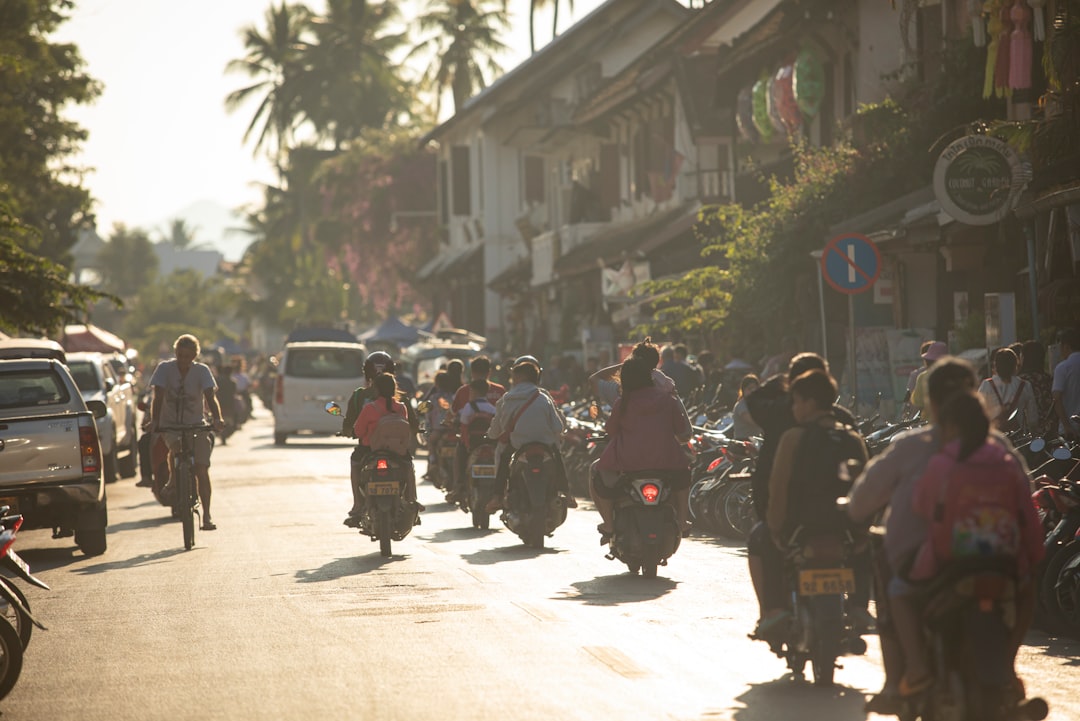
Why buses dominate
Buses reach everywhere in Southeast Asia: border towns, secondary cities, island ports, remote provinces. They’re cheap, frequent, and flexible. In most countries, you can show up at a bus terminal and be on the next departure within an hour or two.
They’re also where most travellers overpay — not because bus companies are dishonest, but because the tourist booking ecosystem around buses is designed to extract maximum margin.
What actually goes wrong
The most common problems aren’t dramatic. Nobody’s going to steal your bag or abandon you at the side of the road. What happens instead is a slow bleed of time and money, spread across small frictions that add up over a trip:
- Tourist-only buses priced 2–3× higher than the identical route from the public terminal. The minivan from your hostel area to the same destination, just with a markup and a scenic route to collect other tourists.
- Unnecessary “transfer” stops where the bus pulls into a restaurant or travel agency. You’re told there’s a 30-minute break, but the real purpose is to sell onward tickets, tours, or accommodation at inflated rates.
- Hotel pickup crawls that turn a 10-minute station departure into a 60–90 minute loop through town collecting passengers from different hostels.
- “VIP” labels that mean nothing. In Thailand, VIP is a specific class with wider seats and fewer stops. In Cambodia and Laos, it’s often just marketing on the same bus.
How to use buses correctly
For trips under 8–10 hours, buses are usually the best value option. The sweet spot is buying tickets either directly at the bus terminal or via 12Go Asia — not through random street agencies near your hostel.
If a bus ticket includes hotel pickup, expect delays. If you need precision, get yourself to the terminal. It’s almost always worth the extra effort.
For overnight buses, pay the small premium for a “sleeper” or “semi-sleeper” option where available. The price difference between a standard seat and a lie-flat berth is often only $3–5 USD, but the comfort gap is enormous.
Recommended bus operators by country
- Thailand: Nakhonchai Air (NCA) and Transport Co. are reliable. Avoid no-name operators from Khao San Road.
- Vietnam: Phuong Trang (FUTA Bus) is the gold standard for the south. The Sinh Tourist is decent for tourist routes. Avoid “open tour” bus tickets sold in hostels.
- Cambodia: Giant Ibis is far above the rest — professional, punctual, includes snacks and WiFi. Worth the premium.
- Laos: Options are limited. VIP buses between Vientiane and Luang Prabang are the most comfortable. Expect rough roads elsewhere.
- Malaysia: Excellent bus network. Aeroline and Transnasional are good. Buses between KL and Singapore are often more practical than flying.
Trains: Slow, Predictable, Worth It?
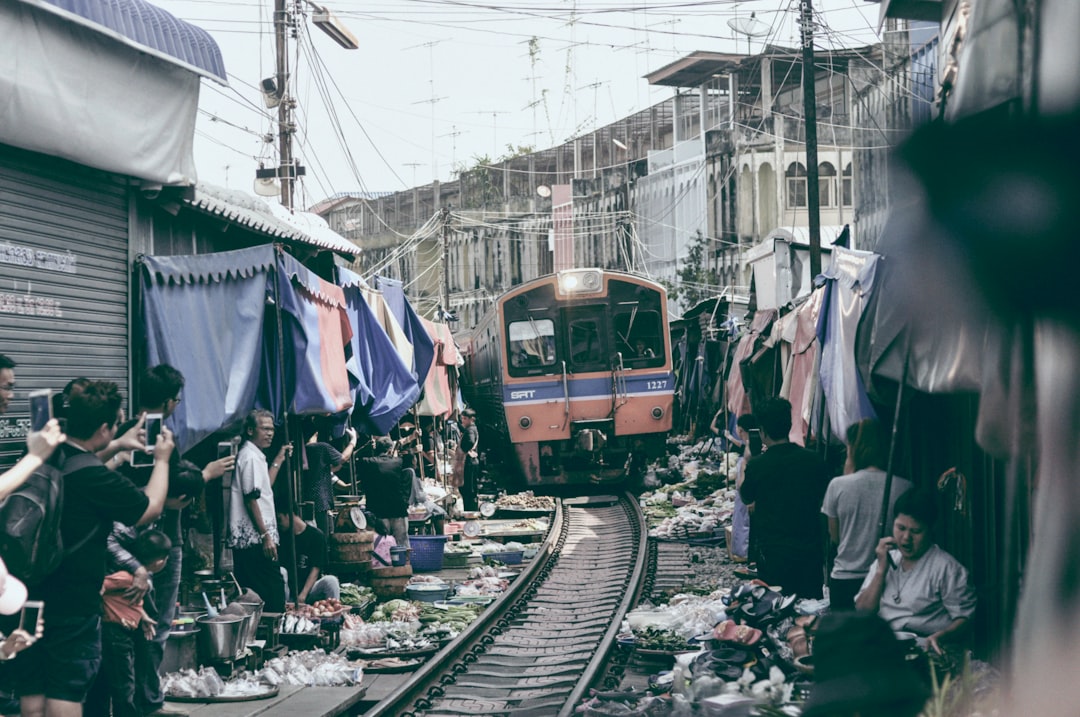
Trains in Southeast Asia are uneven. Thailand and Vietnam have usable networks that experienced travellers love. Cambodia’s rail is improving but still limited. Malaysia is efficient but narrow in coverage. Laos now has the China-Laos Railway connecting Vientiane to the Chinese border — a significant development since it opened in late 2021.
Why experienced travellers prefer trains
Trains attract a different kind of traveller and tend to produce a different kind of experience. The reasons are practical rather than romantic:
- Fewer pricing games. Train fares are published and consistent. A 2nd-class sleeper costs the same whether you book at the station or online.
- Clear classes and seating. You know exactly what you’re getting — seat, berth, AC or fan — before you pay.
- Predictable boarding. You have a reserved seat or berth number. No scramble, no overbooking surprises.
- Space to move. Walking to the dining car, stretching your legs, watching the scenery — trains give you physical freedom that buses don’t.
A 10-hour train often feels significantly less draining than an 8-hour bus, especially overnight. For digital nomads, trains are also the least mentally taxing way to travel long distances and still be productive the next day. (If you’re planning a $1,000/month nomad stint in Vietnam, the sleeper train network is your best friend.)
Where trains make the most sense
Thailand: Overnight sleeper trains between Bangkok and Chiang Mai (11–13 hours) and Bangkok to the south (Surat Thani for islands, Hat Yai for Malaysia) are excellent value. A 2nd-class sleeper berth costs roughly $15–25 USD and saves you a night’s accommodation. Book via the State Railway of Thailand website or 12Go Asia — sleeper berths sell out, especially lower berths, so book 3–7 days ahead.
Vietnam: The Reunification Express running Hanoi to Ho Chi Minh City (and all stops between) is one of Southeast Asia’s great rail journeys. The Hanoi–Huế–Đà Nẵng section is particularly scenic. Private operators like Violette, Livitrans, and Lotus Train offer upgraded sleeper carriages attached to the same trains — worth the premium if comfort matters to you. Vietnam Railways updated its nationwide schedule in November 2025, and new high-speed routes connecting to China are in development.
Malaysia: The ETS (Electric Train Service) between KL Sentral and Penang is modern, fast, and affordable. The “Jungle Railway” through Taman Negara is slower but scenic. The Johor Bahru–Singapore RTS Link — a 4km cross-border shuttle that clears both countries’ immigration in a single stop before you board — is in final testing, with passenger service targeted for late 2026 into early 2027. When it opens it will make the daily Causeway crossing dramatically faster than the current bus or KTM Shuttle Tebrau.
Laos: The China-Laos Railway connects Vientiane to Boten (Chinese border) via Luang Prabang, cutting a full-day bus ride to about 2 hours. This has transformed travel in northern Laos.
Ferries & Island Hopping
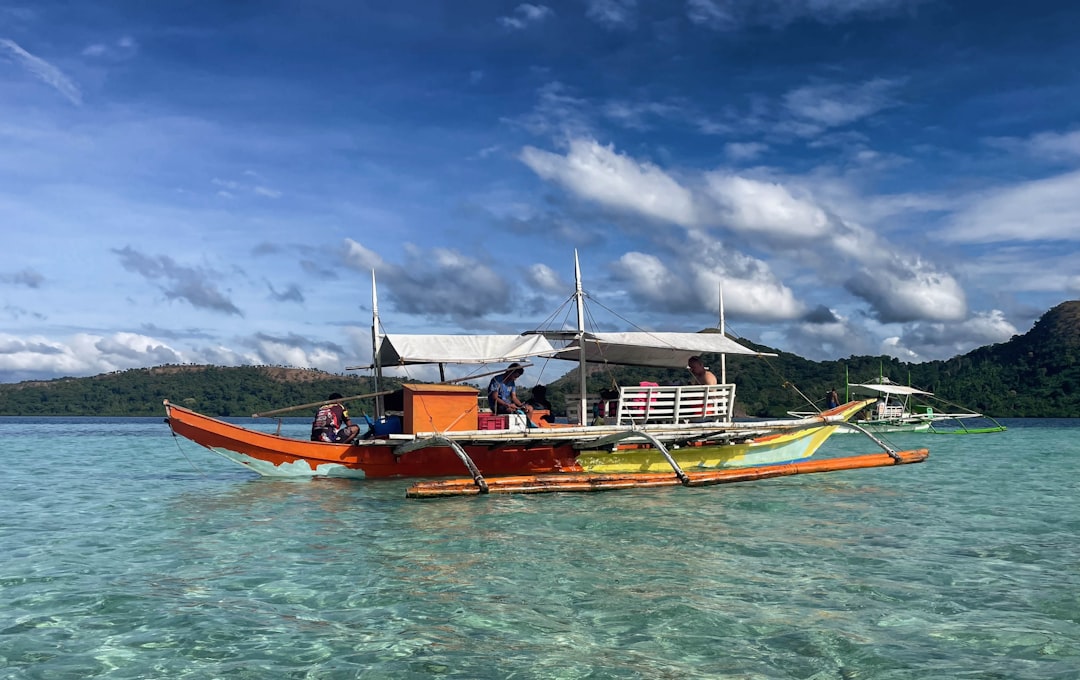
Ferries are unavoidable in Indonesia, Thailand’s southern islands, and the Philippines. They range from modern, air-conditioned fast boats to functional, weather-dependent vessels that would make a safety inspector nervous.
What to expect
Schedules are aspirational — treat published departure times as estimates rather than commitments. Seasickness is common, especially on smaller boats in rough conditions. Safety standards vary significantly by operator and weather conditions. High season (December–March for most routes) means more frequent services but also more crowded boats.
Where travellers get burned
- Overloaded boats in high season — particularly on popular Thai island routes (Koh Phangan full moon parties, Koh Lipe, Phi Phi). If a boat looks dangerously packed, wait for the next one.
- Weather cancellations with no backup plan. If you’re island hopping during shoulder season, always leave buffer days. Getting stranded for 1–2 days waiting for weather is not unusual.
- Bundled bus + ferry tickets with hidden waits. A “direct” ticket from Bangkok to Koh Samui might mean a bus, a wait at a pier, a ferry, and another minivan — totalling 12+ hours with 2–3 hours of dead time.
- Luggage damage. Bags get tossed onto boat roofs and left in the spray. Waterproof your valuables in dry bags. (See our SEA packing list for specific recommendations.)
How to do ferries right
Check real-time ferry schedules and operator reviews on 12Go Asia — they list most major ferry operators with traveller ratings. For Thailand, Lomprayah and Seatran are generally the most reliable operators. For Indonesia, look for ASDP (government ferries) on major routes and check recent reports for smaller operators.
In the Philippines, 2GO Travel runs the major inter-island ferries and offers online booking. For shorter island hops, you’ll often buy tickets at the pier.
Flights: When Flying Actually Saves Money
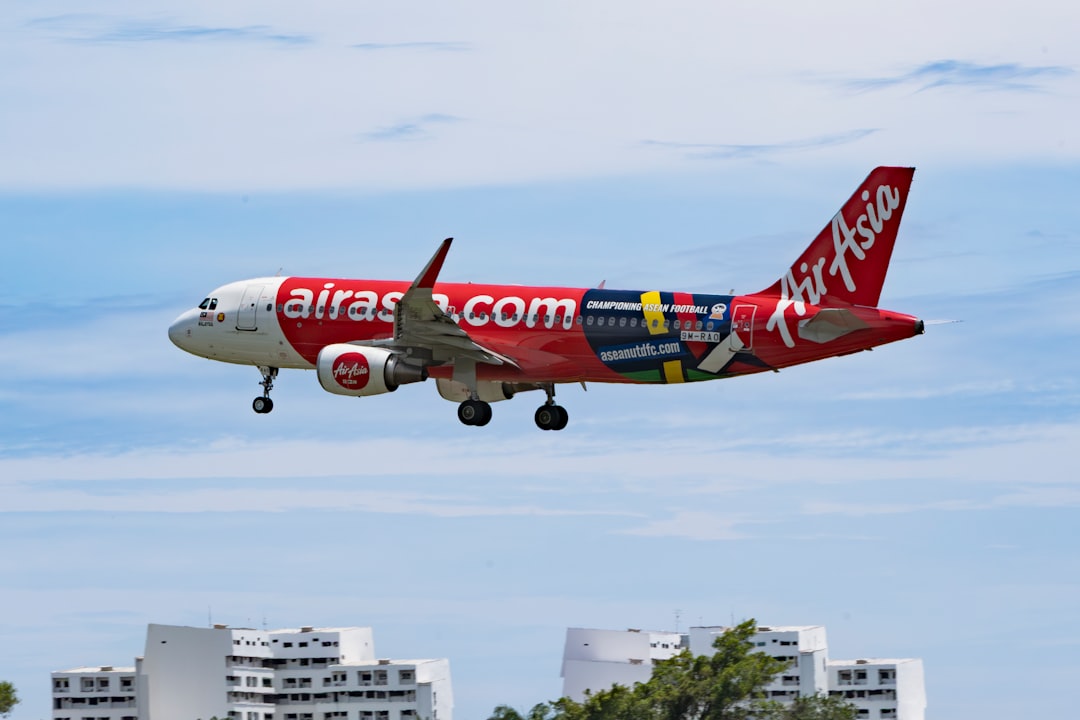
Budget airlines have made flying surprisingly affordable across Southeast Asia, but only for specific routes and when you account for the total cost — not just the fare.
When flights genuinely make sense
- Journeys over 12–14 hours by land. Bangkok to Penang, Hanoi to Ho Chi Minh City, anything crossing Indonesia — the time saved is worth the cost.
- Crossing water-heavy regions. Getting between Indonesia’s islands, reaching the Philippines’ Visayas from Luzon, or going Peninsular Malaysia to Borneo — ferries take days, flights take hours.
- Time-sensitive visa runs. When you need to leave and re-enter a country within a tight window, flights are the only reliable option.
- When the “all-in” cost is actually comparable. A $25 VietJet fare Hanoi→Da Nang takes 1.5 hours. The train takes 15+ hours and costs $20–30 for a sleeper. Factor in one saved night of accommodation and the flight is essentially free.
The real cost of budget flights
That $15 fare from AirAsia or VietJet never stays $15. Here’s what actually happens:
- Checked bag: $8–20
- Seat selection: $2–8
- Airport transfer (each end): $3–15
- Airport food/waiting time: 2–4 hours total
A $15 fare regularly becomes $40–60 door-to-door. Still often worth it for long routes, but do the honest math before celebrating a “cheap flight.”
Key budget airlines by region
If you’re flying in from Australia, check our guide to finding cheap flights from Australia to Southeast Asia first — the initial flight in is often where the biggest savings are.
- AirAsia — Widest network, based in KL. Strong across Malaysia, Thailand, Indonesia, Philippines.
- VietJet Air — Vietnam’s low-cost leader. Expanding routes across the region.
- Lion Air / Batik Air — Indonesia’s domestic workhorses. Huge network across the archipelago.
- Cebu Pacific — Philippines’ primary budget carrier. Essential for island hopping.
- Scoot — Singapore Airlines’ budget arm. Good for Singapore connections.
Grab & Local Ride-Hailing: The Overlooked Essential
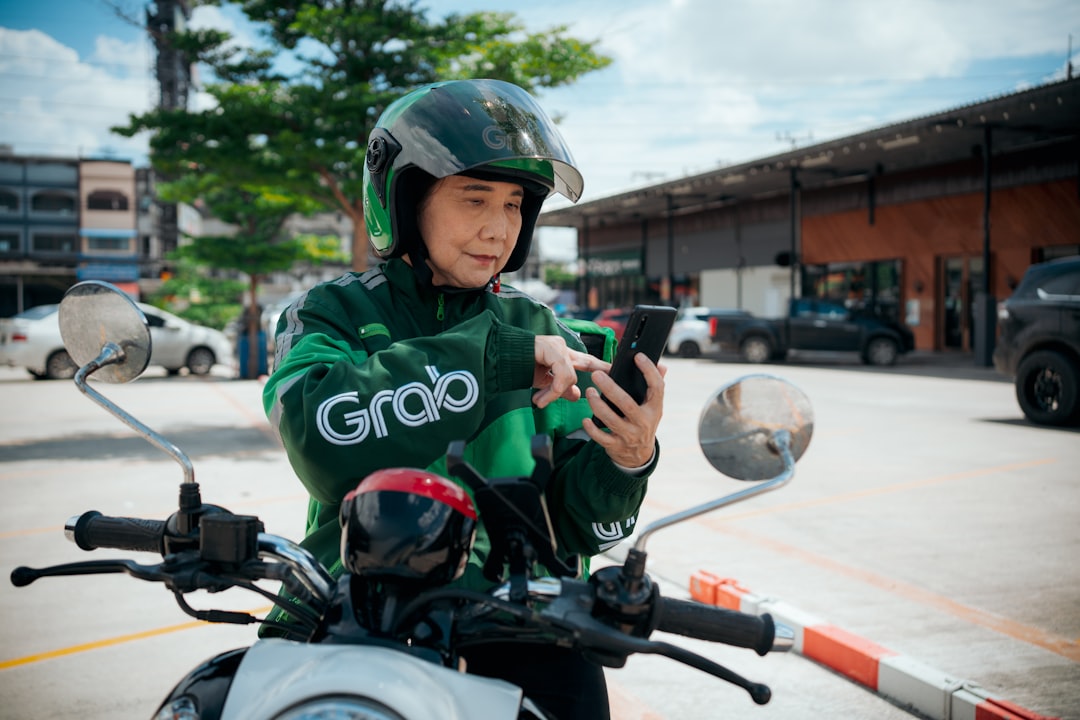
One of the biggest changes in Southeast Asian travel over the past few years is the dominance of Grab for city transport. If you’re still haggling with tuk-tuk drivers or trusting taxi meters, you’re making life unnecessarily hard and expensive.
Grab works across eight countries: Thailand, Vietnam, Cambodia, Malaysia, Indonesia, Philippines, Singapore, and Myanmar. You enter your destination, see the fare upfront, and ride. No haggling, no “broken” meters, no creative route detours.
Why Grab matters for travellers
- Fixed fares — you see the price before you book. No surprises.
- GPS tracking — your route is logged. Drivers have no incentive to take the long way.
- GrabBike option — motorbike rides for 50–70% less than a car, available in Vietnam, Indonesia, Thailand, and Cambodia. Perfect for short urban trips.
- Airport transfers — often 40–60% cheaper than airport taxi counters.
- Safety features — emergency button, ride sharing with contacts, driver ratings.
Local alternatives to know about
- Gojek — Indonesia and Singapore. Similar to Grab, sometimes cheaper in Indonesia.
- Bolt — Growing presence in Vietnam and Thailand.
- InDrive — Increasingly popular across the region. You name your price and drivers accept or counter.
Country-by-Country Transport Notes
Each country has its own quirks. Here’s what you need to know beyond the general advice above.
Transport Comparison: Cost, Time & Comfort
| Transport | Typical Cost | Best For | Main Downside | Book Via |
|---|---|---|---|---|
| Local bus | $2–15 | Short–medium distances (<8 hrs) | Delays, tourist price variance | Station / 12Go |
| Sleeper bus | $8–20 | Overnight where no trains | Sleep quality varies wildly | 12Go / Station |
| Train (seat) | $5–15 | Day trips, scenic routes | Slow, limited network | 12Go / Station |
| Train (sleeper) | $15–35 | Overnight routes (TH, VN) | Sells out — book early | 12Go / Baolau |
| Ferry | $10–40 | Island hopping | Weather dependence | 12Go / Pier |
| Budget flight | $25–80 (w/ bag) | Long distances, crossing water | Hidden fees, airport time | Trip.com / Airline |
| Grab (car) | $1–10 | City transport, airport transfers | Surge pricing in rain/rush | Grab app |
| Grab (bike) | $0.50–3 | Short urban trips | No luggage, helmet varies | Grab app |
Small things that make Southeast Asia transport easier
- Dry bag for ferries, boat roofs and surprise rain.
- Packing cubes to keep one-night stops and wet gear organised.
- Small travel daypack for valuables on buses, trains and ferries.
- Cable lock for hostels, shared rooms and slower transport days.
Common Mistakes That Cost Time and Money
After years of moving through this region, these are the patterns that separate smooth trips from frustrating ones:
- Booking every leg too far in advance. Southeast Asia rewards flexibility. Over-planning means you can’t extend stays in places you love, and you’ll pay change fees when plans inevitably shift. Book the next leg 1–3 days ahead, not weeks.
- Trusting timetables down to the minute. Build at least 2–3 hours of buffer into any connection. If a bus is “supposed to” arrive at 2pm and your ferry leaves at 3pm, you will miss that ferry at least 30% of the time.
- Assuming “VIP” means better. In Thailand, this label has meaning (specific seat configurations). In many other countries, it’s just a word on the side of the bus. Check operator reviews on 12Go, not the label.
- Ignoring border opening hours. Land borders have fixed operating hours, typically 6am–10pm. Some are more restrictive. If your bus arrives at 11pm, you’re sleeping at the border until morning.
- Using tourist agencies for transport. The travel agent on your hostel street is paying rent on a tourist-area shopfront. That rent comes from the 100–200% markup on the bus tickets they sell you. Walk to the terminal or book online.
- Not having Grab installed. Your first interaction with transport in any Southeast Asian city sets the tone. If you walk out of the airport and into a scrum of unlicensed taxi drivers, you’ll overpay by 2–3× before your trip has even started. Grab solves this instantly.
- Skipping travel insurance. A cancelled ferry, a motorbike accident, a lost bag on a boat — these are not hypothetical scenarios, they’re Tuesday in Southeast Asia. SafetyWing covers all of this for roughly about US$2/day.
- Forgetting about eSIMs. Every tool in this guide requires an internet connection. Landing without data means you can’t use Grab, can’t check 12Go, can’t pull up Google Maps. Get an eSIM set up before you fly so you’re connected the moment you land.
The most efficient travellers in this region plan loosely, confirm locally, build buffer days into every border crossing and island hop, and use the right digital tools. That combination solves 90% of transport problems before they happen.
Frequently Asked Questions
Is transport in Southeast Asia safe?
Generally yes. The main risks are driver fatigue on overnight buses and poor vessel maintenance on budget ferries — not crime. Use reputable operators (check reviews on 12Go before booking), and avoid the very cheapest overnight options. Statistically, motorbike accidents are the biggest transport danger for travellers in the region — if you ride, wear a proper helmet and have insurance.
Should I book transport online or in person?
For popular routes in high season (December–February, July–August), book 1–3 days ahead via 12Go Asia. For off-peak or less popular routes, buying in person at the station is often the same price or slightly cheaper. Train sleeper berths in Thailand and Vietnam should always be booked ahead — they sell out.
What’s the best app for booking transport?
12Go Asia is the most comprehensive platform for booking buses, trains, and ferries. For local city transport, Grab is non-negotiable — it works in 8 countries and saves you from the haggling/metering games that eat time and money.
Are overnight buses worth it?
They save money by combining transport and accommodation, but light sleepers usually regret them. Overnight trains with sleeper berths are almost always more comfortable for the same or slightly higher price. If you do take an overnight bus, pay the small premium for a VIP or semi-sleeper option — the comfort difference is massive for an extra $3–5.
How much should I budget for transport?
Budget roughly $2–15 USD for most bus journeys, $10–35 for overnight trains, $10–40 for inter-island ferries, and $25–80 for budget flights (including bags). Grab rides within cities typically cost $1–5 USD. The biggest cost variable isn’t the transport itself — it’s whether you book through tourist agencies (2–3× markup) or directly. For a full breakdown of how to save on transport, accommodation, and food, see our budget travel guide.
Do I need travel insurance?
Yes, full stop. Especially for ferry travel, motorbike use, and medical evacuation from remote islands. SafetyWing is popular among backpackers and nomads — subscription style, roughly about US$2/day, covers trip cancellations from transport disruptions as well as medical expenses.
Can I cross borders by land in Southeast Asia?
Yes — and it’s one of the best parts of overland travel in the region. Common crossings include Thailand→Cambodia (Poipet/Aranyaprathet), Thailand→Laos (Nong Khai/Vientiane, Chiang Khong/Huay Xai), Thailand→Malaysia (Hat Yai/Padang Besar by train), Vietnam→Cambodia (Moc Bai/Bavet), and Vietnam→Laos (several crossings). Check visa requirements before you go — some borders offer visa on arrival, others require advance e-visas.
What about motorbikes and scooters?
Motorbike rental is ubiquitous and tempting, especially in Vietnam and Indonesia. But it’s also the leading cause of serious injury among travellers in the region. If you ride: have an International Driving Permit, wear a proper helmet (not the decorative ones rental shops provide), check your insurance covers motorbike use (most basic policies don’t), and ride defensively. Consider hiring a driver for longer routes — it’s cheap and dramatically safer.
Some links in this guide are affiliate links. If you use them, it helps support Backpacking Is Life at no extra cost to you. We only recommend tools and platforms we’ve used ourselves. Last updated September 2026.